
The Amazon rainforest, a biome of unparalleled biodiversity and ecological significance, spans an immense territory across South America. While often viewed through the lens of geography or environmental science, understanding the countries that encompass this vast region through an economic framework offers critical insights into global resource management, investment opportunities, and the intricate balance between development and sustainability. For financial professionals, investors, and policymakers, recognizing the monetary stakes, challenges, and potentials within these nations is paramount. The Amazon is not just a natural wonder; it is a complex economic landscape where national treasuries, international capital, and local livelihoods intersect.

The Amazon Basin: A Continent’s Economic Engine
The Amazon basin is a colossal economic force, generating wealth through its natural resources, agricultural output, and emerging green industries. Its sheer scale means that the economic policies and financial health of the countries within it have significant regional and global ramifications.
Mapping the Economic Geography: Key Players
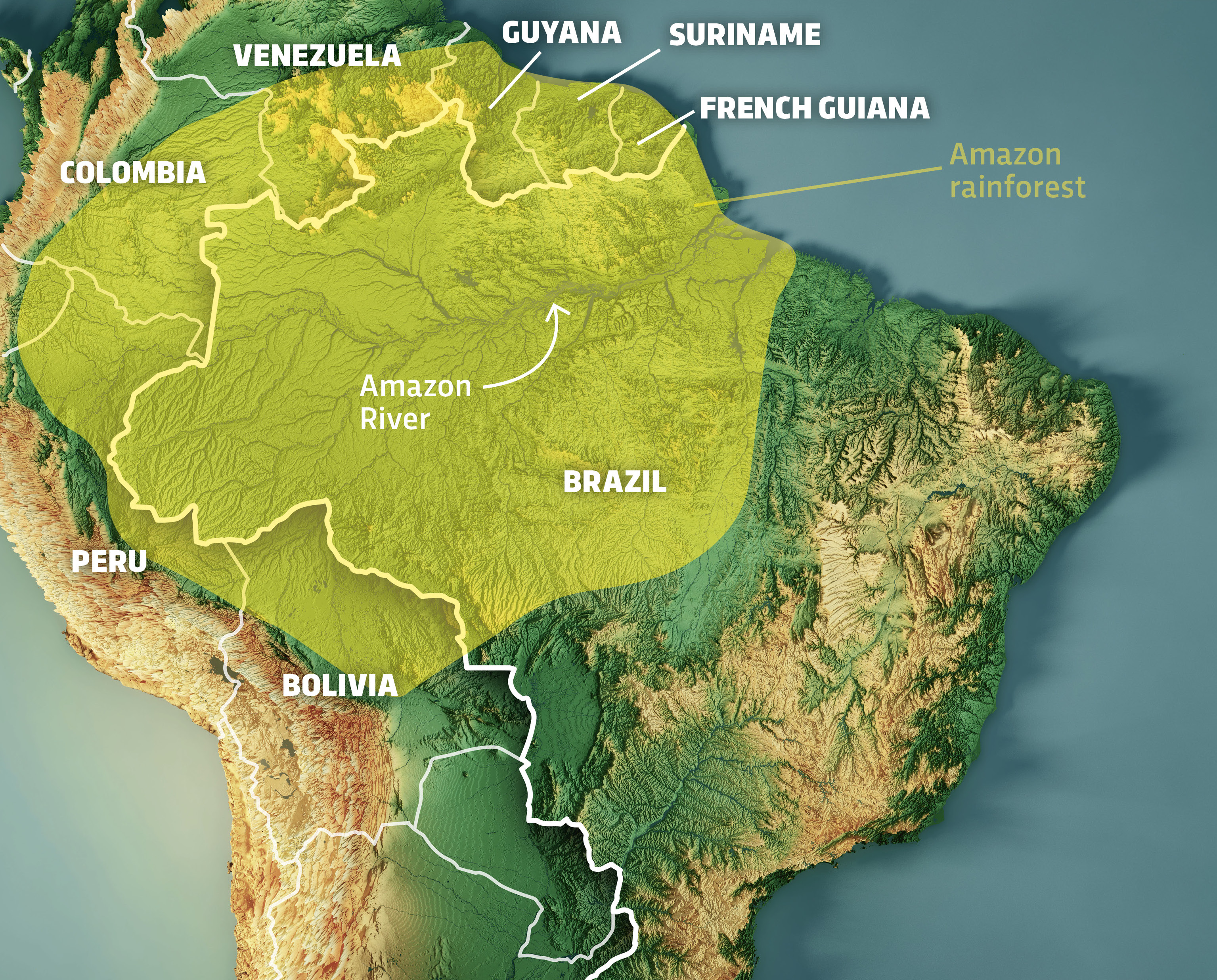
The Amazon rainforest is primarily shared by nine South American countries: Brazil, Peru, Ecuador, Colombia, Venezuela, Bolivia, Guyana, Suriname, and French Guiana (an overseas department of France). Each of these nations holds a unique economic stake and faces distinct financial challenges and opportunities stemming from their portion of the rainforest. Brazil, with roughly 60% of the Amazon within its borders, is undeniably the dominant economic player, influencing regional trade, environmental policy, and investment trends. The financial decisions made in Brasília reverberate across the entire basin. However, the Andean nations (Peru, Ecuador, Colombia, Bolivia), with their blend of Amazonian lowlands and mountainous territories, also possess significant economic interests in resource extraction, agriculture, and burgeoning ecotourism.
Resource Wealth: Timber, Minerals, and Biodiversity
The economic bedrock of many Amazonian nations has historically been the exploitation of its abundant natural resources. The vast timber reserves represent a multi-billion dollar industry, albeit one fraught with sustainability challenges. Beyond lumber, the Amazon basin is rich in minerals, including gold, iron ore, bauxite, and petroleum. Mining and oil extraction operations contribute substantially to national GDPs, providing export revenues and employment. For instance, Venezuela’s economic fortunes are tied to its oil reserves, much of which lies in or near its Amazonian territories, while Bolivia and Peru have significant mining sectors.
Crucially, the Amazon’s biodiversity itself is a resource of immense, yet often undervalued, economic potential. The pharmaceutical industry, for example, relies heavily on natural compounds, with the Amazon acting as an unmatched bio-pharmaceutical treasury. Developing sustainable bio-industries, researching native species for commercial applications, and establishing intellectual property rights over traditional knowledge represent significant future investment opportunities, promising high returns on research and development while promoting conservation.
Agricultural Powerhouses: The Amazon’s Role in Food Security
Agriculture is another cornerstone of the Amazonian economy, particularly in Brazil. Expansive cattle ranching and large-scale soybean cultivation, often driven by international demand, represent massive financial undertakings. These sectors contribute significantly to national food security and export revenues, connecting the Amazon to global supply chains. However, this economic activity frequently comes at the cost of deforestation and habitat loss. The financial incentive for conversion of forest land to pasture or cropland is often immediate and substantial for individual landowners and large agricultural corporations, posing a direct economic conflict with long-term ecological sustainability and global climate goals. The challenge for these nations is to find financially viable agricultural models that minimize environmental impact and promote sustainable land use.
National Stakes: Financial Footprints in the Rainforest
The economic realities within each Amazonian country are diverse, shaped by their political landscapes, historical trajectories, and the specific characteristics of their Amazonian territories. Understanding these national financial footprints is key to grasping the broader economic dynamics of the region.
Brazil’s Dominance: Economic Scale and Resource Management
Brazil’s sheer size and economic might make its Amazonian policies particularly impactful. The Brazilian Amazon, encompassing states like Amazonas, Pará, and Rondônia, is a locus for large-scale infrastructure projects, agricultural expansion, and industrial development. The country’s financial strategy often juggles the immediate need for economic growth and poverty reduction with international pressures for environmental protection. Investment in road construction, hydroelectric dams, and port facilities aims to facilitate commodity exports, driving economic expansion but also raising questions about environmental liabilities and social equity. Brazil’s ability to finance sustainable development initiatives, attract green investment, and manage its vast natural capital will largely determine the future of the entire biome.
Andean Nations: Mining, Hydroelectricity, and Indigenous Economies
For countries like Peru, Ecuador, and Colombia, their Amazonian regions present a different set of financial opportunities and challenges. The Andean foothills and lowlands are rich in minerals and petroleum, making extractive industries significant contributors to national budgets. Hydroelectric power generation, tapping into the powerful Amazonian rivers, is another vital energy source and export commodity. However, these activities often lead to conflicts with indigenous communities, whose traditional economies and livelihoods are intrinsically linked to the forest. Financial inclusion programs, benefit-sharing agreements from resource extraction, and support for sustainable indigenous enterprises (e.g., artisanal crafts, sustainable forestry, bio-trade) are crucial for fostering equitable economic development and stability in these regions. Bolivia, for example, is exploring how to balance its need for natural gas revenues with the rights of its large indigenous population in the Amazon.
Smaller Economies: Guyana, Suriname, and French Guiana’s Unique Financial Challenges
Guyana, Suriname, and French Guiana represent the northern fringe of the Amazon, often overlooked but holding unique economic significance. These nations are generally smaller in terms of land area within the Amazon, but their reliance on natural resources can be even more pronounced relative to their overall economic output. Guyana, for instance, has recently seen a significant boost in its GDP due to offshore oil discoveries, which inevitably shifts financial focus and investment capacity toward other sectors, including its Amazonian interior. Suriname’s economy is heavily dependent on bauxite, gold, and oil extraction. French Guiana, as an overseas department of France, benefits from EU structural funds and development aid, providing a different financial landscape less reliant on direct resource exploitation but still facing land-use pressures. For these smaller economies, attracting responsible foreign direct investment (FDI) that supports sustainable practices is critical for long-term financial stability and environmental stewardship.
Balancing Act: Economic Development vs. Environmental Investment

The most pressing financial dilemma facing Amazonian countries is the inherent tension between short-term economic gains from resource exploitation and the long-term, systemic benefits of conservation and sustainable development. This balancing act requires sophisticated financial instruments and forward-thinking economic strategies.
The Cost of Deforestation: Economic Externalities and Long-Term Liabilities
While logging, mining, and agricultural expansion generate immediate income and employment, the economic costs of deforestation are staggering and often underestimated. These “externalities” include loss of ecosystem services (e.g., climate regulation, water purification, soil fertility), increased susceptibility to extreme weather events, and diminished biodiversity with potential future economic value. From a financial perspective, deforestation creates long-term liabilities: increased healthcare costs due to pollution, reduced agricultural productivity from soil degradation, and lost revenue from potential ecotourism or bio-trade industries. Investors and policymakers are increasingly recognizing these hidden costs, pushing for greater accountability and the internalization of environmental costs into financial models.
Ecotourism and Sustainable Business: Tapping Green Gold
Ecotourism represents a significant, yet still underrealized, “green gold” opportunity for Amazonian nations. By monetizing the natural beauty and biodiversity of the rainforest through responsible tourism, countries can generate substantial foreign exchange, create local employment, and provide direct financial incentives for conservation. Investment in infrastructure (lodges, transport), training for local guides, and aggressive international marketing are essential to unlock this potential. Beyond ecotourism, other sustainable businesses, such as certified sustainable forestry, non-timber forest product harvesting (e.g., acai, Brazil nuts), and sustainable aquaculture, offer alternative economic pathways that protect the forest while generating profit. These sectors attract impact investors seeking both financial returns and positive social and environmental outcomes.
Carbon Credits and Ecosystem Services: New Financial Frontiers
The global imperative to combat climate change has opened new financial frontiers for the Amazon: carbon markets. Countries with large intact forests can sell carbon credits, essentially monetizing the carbon sequestration services provided by their standing trees. Mechanisms like REDD+ (Reducing Emissions from Deforestation and Forest Degradation) provide financial incentives for forest conservation. This represents a potentially massive inflow of capital to Amazonian nations, contingent on robust monitoring, reporting, and verification systems. Furthermore, other ecosystem services, such as water regulation and biodiversity conservation, could also be valorized through payment for ecosystem services (PES) schemes, creating new financial streams that directly link conservation efforts to economic benefits.
Global Money Flows: Investment and Conservation Finance
The financial health and environmental future of the Amazon are inextricably linked to international capital flows, including foreign direct investment, aid, and innovative conservation finance mechanisms.
International Aid and NGO Funding: Bridging the Financial Gap
Many Amazonian countries receive substantial international aid and funding from non-governmental organizations (NGOs) dedicated to conservation, sustainable development, and indigenous rights. These funds play a critical role in supporting protected areas, community development projects, and scientific research. While essential, this funding often comes with conditions and can be subject to geopolitical shifts. The financial sustainability of conservation efforts often depends on diversifying these funding sources and strengthening national capacities for managing such complex projects. The challenge lies in transitioning from reliance on grants to self-sustaining financial models where possible.
Foreign Direct Investment (FDI): Opportunities and Risks
Foreign Direct Investment (FDI) can be a powerful engine for economic growth in Amazonian countries, bringing capital, technology, and employment. However, the nature of this investment is critical. FDI in extractive industries (mining, oil, large-scale agriculture) can accelerate deforestation and environmental degradation if not carefully regulated. Conversely, FDI in sustainable sectors – such as renewable energy, sustainable agriculture, bio-pharmaceuticals, and ecotourism – offers a path toward green growth. Attracting responsible FDI requires clear regulatory frameworks, transparent governance, and strong social and environmental safeguards, providing a predictable and ethical investment climate for international capital.
Debt-for-Nature Swaps: Innovative Financial Mechanisms
Innovative financial mechanisms like debt-for-nature swaps offer a creative way to address both national debt burdens and environmental conservation needs. In a typical swap, a portion of a country’s foreign debt is forgiven by creditors in exchange for the debtor country’s commitment to invest an agreed amount (in local currency) in environmental conservation programs. This allows countries to free up funds for critical conservation initiatives, turning a financial liability into an environmental asset. While complex to structure and implement, these swaps represent a promising avenue for leveraging international finance to protect the Amazon, offering a win-win for both national treasuries and global environmental goals.
Future Riches: Sustainable Economic Models for the Amazon
The long-term financial prosperity of Amazonian nations, and indeed the world, is increasingly tied to developing sustainable economic models that recognize the intrinsic value of the rainforest. This requires a shift from exploitative practices to innovative, regenerative approaches.
Bioeconomy and Innovation: Unlocking Amazonian Potential
The concept of a “bioeconomy” holds immense promise for the Amazon. This involves developing economic activities that derive value from biological resources and processes in a sustainable manner. Examples include sustainable forest management for high-value timber, the cultivation and processing of native fruits and plants for food and cosmetics, and the development of new medicines from Amazonian biodiversity. Investment in research and development, biotechnology, and value-added processing within the region can create new industries, jobs, and export opportunities, shifting economies away from raw commodity extraction towards knowledge-based, sustainable wealth creation. This requires significant investment in scientific infrastructure and human capital.
Financial Inclusion for Indigenous Communities: Empowering Local Economies
Indigenous communities are the traditional guardians of vast swathes of the Amazon, and their economic empowerment is central to the region’s sustainable future. Providing financial literacy, access to microfinance, credit, and markets for their sustainably produced goods can strengthen local economies and provide alternatives to illicit or environmentally destructive activities. Programs that support indigenous entrepreneurship, collective enterprises, and the protection of intellectual property rights over traditional knowledge can ensure that the financial benefits of the Amazon’s bio-resources are shared equitably, fostering both economic justice and robust conservation.
Regional Economic Cooperation: A Shared Financial Future
Given the transboundary nature of the Amazon, regional economic cooperation is not merely beneficial but essential for its sustainable financial future. Collaborative efforts on shared resource management, cross-border infrastructure development (e.g., sustainable transport corridors), harmonized environmental regulations, and regional trade agreements for sustainable products can amplify economic benefits and streamline conservation efforts. Financial institutions and development banks can play a crucial role in funding these regional initiatives, fostering a collective approach to the economic stewardship of this irreplaceable global treasure. By pooling resources, sharing knowledge, and aligning financial incentives, the Amazonian countries can build a more resilient and sustainable economic future for the entire basin.
aViewFromTheCave is a participant in the Amazon Services LLC Associates Program, an affiliate advertising program designed to provide a means for sites to earn advertising fees by advertising and linking to Amazon.com. Amazon, the Amazon logo, AmazonSupply, and the AmazonSupply logo are trademarks of Amazon.com, Inc. or its affiliates. As an Amazon Associate we earn affiliate commissions from qualifying purchases.