
In an age where global connectivity is at our fingertips, the simple act of booking a flight has evolved into a complex financial strategy. For the budget-conscious traveler, finding the “best” flight booking website isn’t merely about convenience; it’s about shrewd financial planning, maximizing value, and minimizing expenditure on one of travel’s most significant costs. This isn’t just a tech review; it’s a deep dive into how various platforms serve as financial tools, helping you navigate the dynamic landscape of airfares to secure the most economically sound travel options.
Navigating the Digital Skies: The Financial Imperative of Flight Booking
The quest for the ideal flight booking platform begins with a clear understanding of its financial implications. In a marketplace teeming with options, each promising the lowest fare or the ultimate deal, distinguishing genuine savings from superficial offers requires a discerning eye and a strategic approach rooted in personal finance principles.

Beyond Just a Click: Understanding the Financial Stakes
Booking a flight involves more than just selecting a departure and arrival time. It’s an investment, often a significant one, into your personal or business travel plans. The website you choose can directly impact the final cost, not just through the base fare, but also through hidden fees, currency conversion rates, baggage allowances, and the flexibility of your ticket. A savvy financial approach to flight booking means understanding these nuances and selecting a platform that offers transparency and control over these variables. The goal isn’t just to find a cheap ticket, but to find a financially optimal ticket that aligns with your overall travel budget and financial goals.
The Illusion of Simplicity: Why “Best” Isn’t Easy
The term “best” is inherently subjective, particularly in the realm of financial tools. What’s best for a solo backpacker focused solely on the lowest fare might not be best for a business traveler seeking flexible bookings and premium amenities, or a family prioritizing specific departure times and baggage allowances. The “best” flight booking website is one that consistently empowers you to achieve your specific financial and travel objectives, whether that’s minimizing cost, maximizing rewards, or ensuring budget flexibility. It’s about empowering the user to make the most financially sound decision for their unique circumstances.
Unlocking Savings: Key Financial Features to Prioritize
To identify the flight booking websites that truly serve as powerful financial tools, it’s crucial to evaluate them based on features that directly translate into monetary savings and value. These aren’t just bells and whistles; they are functionalities designed to put more money back into your wallet.
Comprehensive Price Comparison & Deal Aggregation
At the heart of any effective financial tool for flight booking is its ability to aggregate and compare prices from a multitude of sources. The “best” websites don’t just show you one airline’s price; they pull data from hundreds of airlines and online travel agencies (OTAs), presenting a wide spectrum of options. This allows you to quickly identify the cheapest available fare for your chosen route and dates, acting as your personal financial analyst in the travel market. Look for platforms that clearly display the source of each fare, enabling you to cross-reference and verify.
Price Alerts and Prediction Tools
One of the most valuable financial features is the ability to track fare fluctuations and receive alerts when prices drop. Many leading websites offer price prediction tools that analyze historical data and market trends to advise you on whether to book now or wait. This foresight is invaluable, allowing you to time your purchase perfectly and potentially save hundreds of dollars. Treating flight prices like stock market trends, these tools help you make data-driven financial decisions rather than impulse purchases.
Flexible Date Search and Nearby Airport Options
Flexibility is a superpower when it comes to saving money on flights. Websites that offer “flexible date” search functions (e.g., searching within a month or even a year) or allow you to easily compare prices across nearby airports can uncover significantly cheaper fares. These features are indispensable for the budget-conscious traveler, as shifting your travel by a day or choosing an alternative airport can dramatically reduce costs, transforming a pricey trip into an affordable adventure.
Transparency on Fees and Baggage Costs
A common pitfall in flight booking is encountering hidden fees post-selection. The financially savvy traveler prioritizes websites that are transparent about the total cost from the outset. This includes clearly itemizing baggage fees, seat selection charges, payment processing fees, and any other ancillary costs. The “best” financial tools ensure you see the full financial picture before committing, preventing budget surprises down the line.
Top Contenders for Your Travel Budget
While no single website holds the undisputed crown, certain types of platforms and specific examples consistently prove to be strong financial allies in the quest for cheaper flights.
Online Travel Agencies (OTAs): Convenience vs. Cost

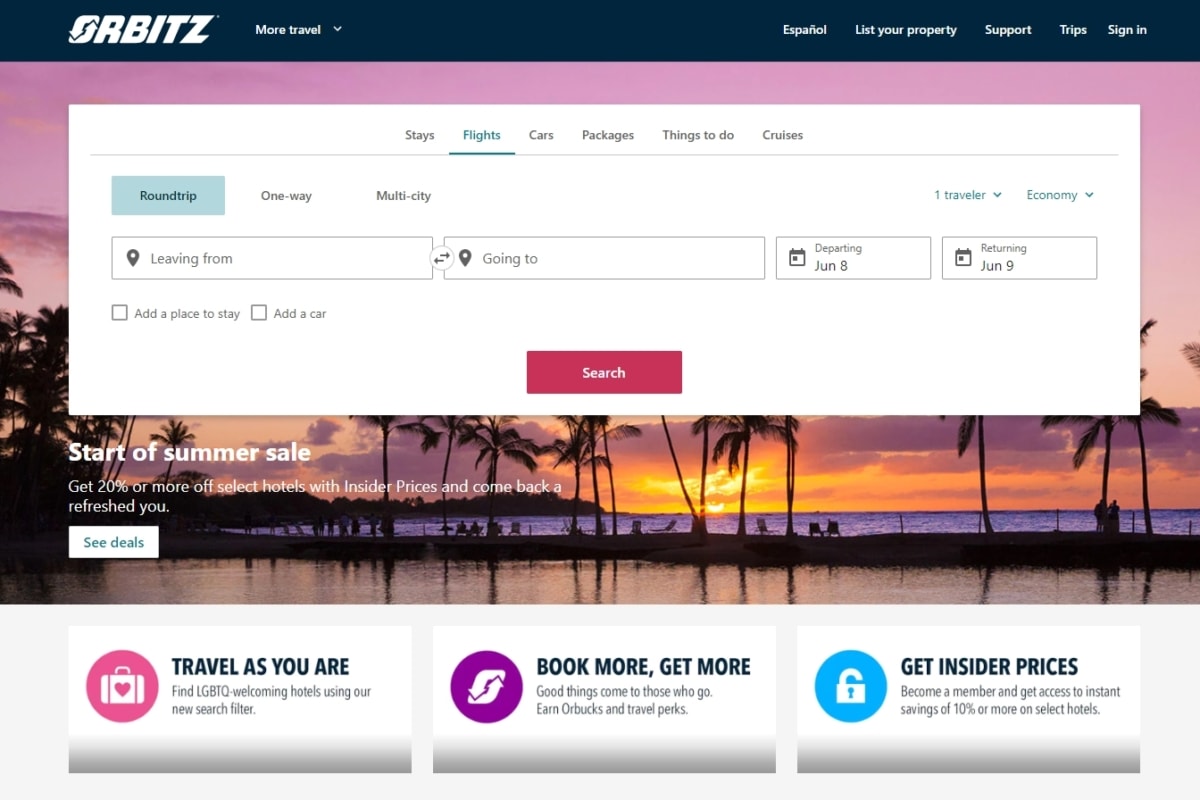
Websites like Expedia, Booking.com, and Travelocity are known as Online Travel Agencies (OTAs). They offer the convenience of booking flights, hotels, and car rentals in one go, often bundling them into packages that can sometimes offer savings. From a financial perspective, OTAs can sometimes secure special rates not available directly from airlines, particularly when combining multiple travel components. However, their financial drawback can be a lack of flexibility for changes or cancellations, and customer service can sometimes be less direct than booking with the airline itself, potentially adding complexity if unforeseen financial adjustments are needed.
Airline Direct Bookings: Loyalty & Direct Benefits
Booking directly through an airline’s website (e.g., United.com, Delta.com, Southwest.com) offers distinct financial advantages, especially for frequent flyers. Direct bookings often come with better flexibility for changes, easier access to loyalty programs and elite status benefits (like free checked bags or upgrades), and direct customer service. While the base fare might occasionally be slightly higher than an OTA, the overall financial value can be superior when considering loyalty points, perks, and the ease of managing your reservation, which can prevent costly penalties for modifications.
Metasearch Engines: The Ultimate Comparators
Metasearch engines like Skyscanner, Google Flights, Kayak, and Momondo are arguably the most powerful financial tools for initial price discovery. They don’t sell tickets directly but scour hundreds of OTAs and airline websites, presenting you with the widest array of prices and options. This comprehensive comparison allows you to identify the absolute cheapest fare available across the entire market. For the financially astute, starting with a metasearch engine is almost always the first step to ensure you’re aware of the best possible price before making a booking decision, whether directly with an airline or via an OTA. Their strength lies in providing unparalleled market transparency.
Strategic Booking: Maximizing Value Beyond the Base Fare
Beyond choosing the right website, employing smart booking strategies is paramount to extracting maximum financial value from your flight purchases. These tactics transform a simple transaction into a strategic investment.
The Timing Game: When to Book for Optimal Savings
Research consistently shows that there’s a “sweet spot” for booking flights to get the best price. This typically falls a few weeks to several months out, depending on the route and season. Booking too early or too late can lead to significantly higher fares. Utilizing price prediction tools on sites like Google Flights or Skyscanner helps you play this timing game effectively, ensuring you purchase when prices are historically low, rather than at their peak. It’s an exercise in market timing for personal finance.
Leveraging Loyalty Programs and Credit Card Rewards
For frequent travelers, loyalty programs and travel-specific credit cards are crucial financial assets. Booking directly with airlines often allows you to earn valuable miles or points, which can be redeemed for future flights, upgrades, or other travel perks, significantly reducing future travel costs. Similarly, using a credit card that offers travel rewards, cashback on travel purchases, or travel insurance benefits adds another layer of financial optimization, turning your spending into future savings or protection against unforeseen expenses.
Understanding Flexible vs. Non-Flexible Tickets
The decision between a flexible (and usually more expensive) ticket and a non-flexible (cheaper) ticket is a fundamental financial trade-off. While a non-flexible ticket might save you money upfront, a flexible option could be a wise financial investment if your plans are prone to change, preventing steep change fees or the loss of the entire ticket value. The “best” financial decision here depends entirely on your personal risk assessment and the certainty of your travel plans.
The Hidden Costs: From Seat Selection to Travel Insurance
Always factor in the “hidden” costs when evaluating the total financial outlay. While many budget airlines entice with low base fares, they often charge for everything from checked bags and carry-ons to seat selection, priority boarding, and in-flight amenities. A truly financially savvy booking considers these add-ons to calculate the actual total cost. Similarly, assessing the value of travel insurance, while an extra cost, can be a critical financial safeguard against trip cancellations, medical emergencies, or lost luggage, potentially saving you from catastrophic financial losses.
Your Personalized Financial Flight Plan
Ultimately, the “best” flight booking website isn’t a universal truth; it’s a conclusion drawn from your individual financial profile and travel priorities. It’s about empowering you to be a financially astute traveler, equipped with the tools and strategies to make every travel dollar stretch further.
Defining Your Budget and Travel Priorities
Before you even start searching, clearly define your financial boundaries and what truly matters to you in a flight experience. Is the absolute lowest price your sole driver, even if it means multiple layovers and strict baggage rules? Or are you willing to pay a premium for convenience, direct flights, or specific airline amenities? Your financial priorities dictate which features and platforms will serve you best.
The Multi-Platform Approach to Frugal Flying
The most effective strategy for financially optimal flight booking is rarely to stick to just one website. Instead, adopt a multi-platform approach:
- Start with a metasearch engine (e.g., Google Flights, Skyscanner) to get a comprehensive overview of prices across the market.
- Cross-reference direct airline websites for potential loyalty benefits, better flexibility, or exclusive deals.
- Consider OTAs for package deals or unique fare combinations.
By employing this systematic approach, leveraging financial features like price alerts and flexible search, and understanding the true cost beyond the base fare, you transform the daunting task of flight booking into an empowering exercise in personal finance. The best flight booking website is the one that best equips you to achieve your financial goals for travel, time and time again.
aViewFromTheCave is a participant in the Amazon Services LLC Associates Program, an affiliate advertising program designed to provide a means for sites to earn advertising fees by advertising and linking to Amazon.com. Amazon, the Amazon logo, AmazonSupply, and the AmazonSupply logo are trademarks of Amazon.com, Inc. or its affiliates. As an Amazon Associate we earn affiliate commissions from qualifying purchases.