
In the rapidly evolving landscape of social media trends and youth culture, few phenomena have sparked as much curiosity—and concern—as “Galaxy Gas.” If you have spent any time on TikTok or Instagram recently, you have likely encountered the viral videos associated with this term. While the branding suggests a futuristic or space-aged product, the reality behind Galaxy Gas involves the commercial misuse of nitrous oxide, commonly known as “laughing gas.” Understanding the chemical composition of these products and the risks associated with their consumption is essential for digital safety and health awareness.
The Chemistry Behind the Canister
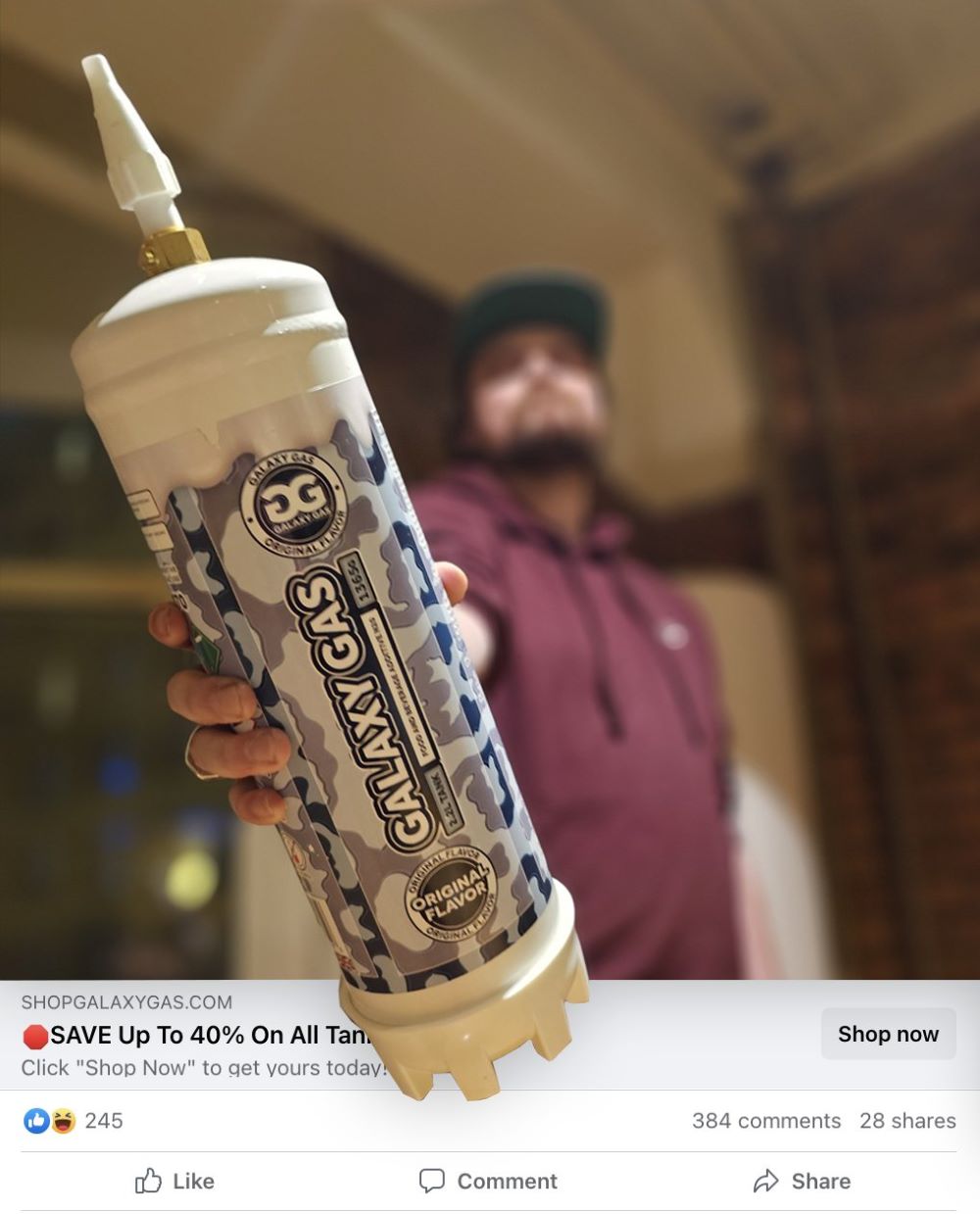
At its core, Galaxy Gas is not a singular, mysterious chemical cocktail; it is a branded line of pressurized nitrous oxide canisters. While the packaging often utilizes vibrant, neon aesthetics that appeal to younger demographics, the primary ingredient is standard N2O (nitrous oxide).
Nitrous Oxide: Properties and Industrial Uses
Nitrous oxide is a colorless, non-flammable gas with a slightly sweet odor. In professional settings, it is a critical tool. In dentistry and surgery, it is mixed with oxygen to provide anesthesia and analgesia. In the automotive industry, it is used to increase engine power by providing more oxygen during combustion.
The danger arises when these industrial-grade or culinary-grade canisters are diverted for recreational inhalation. The “Galaxy Gas” branding often includes flavored additives—such as strawberry, mango, or mint—which are designed to make the inhalation process more palatable. These flavorings, while safe for human consumption in food products, are not intended to be inhaled into the lungs.
The Role of Propellants and Stabilizers
Beyond the N2O, these canisters often contain trace amounts of contaminants or stabilizers intended to keep the gas pressurized within the metal container. When users inhale directly from the nozzle, they are not only breathing in high-pressure nitrous oxide but also potential particulate matter from the interior lining of the canister, which can cause respiratory irritation or long-term damage to the pulmonary lining.
The Risks of Inhalation and Misuse
The viral nature of Galaxy Gas is rooted in the “high” users report, which is characterized by brief periods of euphoria, lightheadedness, and altered perception. However, the mechanism behind this effect is dangerous: it operates by displacing oxygen in the bloodstream.
Hypoxia and Neurological Consequences
When a user inhales from a canister, they are essentially depriving their brain of essential oxygen. This state, known as hypoxia, is the true source of the “dizzy” or “euphoric” feeling. Prolonged or frequent exposure to hypoxia can lead to cell death in the brain, resulting in impaired cognitive function, memory loss, and in severe cases, unconsciousness or fatal cardiac events.

Vitamin B12 Deficiency and Nerve Damage
One of the most insidious side effects of chronic nitrous oxide use is its interaction with Vitamin B12. Nitrous oxide oxidizes the cobalt atom in Vitamin B12, rendering the vitamin inactive in the body. Because B12 is crucial for nerve health and the maintenance of the myelin sheath, heavy users often develop peripheral neuropathy. This manifests as tingling or numbness in the extremities, difficulty walking, and, if left untreated, permanent nerve damage that can lead to paralysis.
The Intersection of Social Media and Viral Trends
The proliferation of Galaxy Gas is a case study in how modern social media algorithms amplify dangerous behaviors. By branding a hazardous substance as a trendy, “aesthetic” lifestyle product, distributors have successfully bypassed the traditional stigma associated with substance abuse.
Influencer Marketing and Aestheticization
The branding strategy behind Galaxy Gas is masterful from a marketing perspective, even if it is unethical from a public safety standpoint. By using vibrant colors, futuristic fonts, and “vibey” music in short-form video content, the product is presented as a social accessory rather than an industrial chemical. This packaging creates a “normative effect,” where young viewers assume that because a product looks polished and is featured by popular creators, it must be safe.
Digital Literacy and Platform Responsibility
This trend highlights the growing need for digital literacy. Platforms like TikTok have begun to implement content warnings and, in some cases, bans on the search terms related to Galaxy Gas. However, the sheer volume of user-generated content makes it difficult for automated moderation systems to keep pace. The digital economy is currently struggling to reconcile the “creator economy” with the reality that some viral trends are inherently harmful, necessitating a more rigorous approach to content moderation and public health education.
Navigating the Future of Controlled Substances
As we look toward the future, the Galaxy Gas phenomenon serves as a warning about the ease with which hazardous products can enter the consumer market under the guise of “lifestyle branding.”
The Regulatory Challenge
Regulators are currently facing a dilemma: how to classify the sale of canisters that have legitimate culinary and automotive uses while preventing their recreational abuse. Simply banning the canisters would impact professional pastry chefs and car enthusiasts. Instead, the focus is shifting toward age-gating, sales limits, and mandatory warning labels that clearly state the dangers of inhalation.

Cultivating Safer Online Communities
Ultimately, the responsibility rests on the shoulders of both the platforms and the consumers. We must foster an online culture where curiosity does not come at the expense of long-term health. The Galaxy Gas trend is a reminder that what appears on a screen as a high-production, colorful “aesthetic” can hide a reality of chemical danger.
In an era of rapid digital information exchange, maintaining a healthy degree of skepticism toward viral products is one of the most effective forms of personal digital security. When a product is marketed heavily through influencer channels but lacks clear, professional medical endorsements, it is a red flag. As the digital landscape continues to evolve, the ability to discern legitimate consumer goods from dangerous viral fads will remain a critical skill for digital citizens across all demographics. Understanding the chemical reality of what we consume—whether it is food, media, or substances—remains the best defense against the pitfalls of modern digital trends.
aViewFromTheCave is a participant in the Amazon Services LLC Associates Program, an affiliate advertising program designed to provide a means for sites to earn advertising fees by advertising and linking to Amazon.com. Amazon, the Amazon logo, AmazonSupply, and the AmazonSupply logo are trademarks of Amazon.com, Inc. or its affiliates. As an Amazon Associate we earn affiliate commissions from qualifying purchases.