
Embarking on the entrepreneurial journey is a pursuit often driven by the desire for financial independence, wealth creation, and control over one’s income. Identifying the “best” small business to start isn’t merely about passion; it’s fundamentally about understanding market demand, evaluating financial viability, and strategizing for sustained profitability. This article delves into the core financial considerations and high-potential ventures that offer compelling opportunities for new entrepreneurs looking to generate substantial income and build lasting wealth within the small business landscape.
The Foundations of a Financially Viable Small Business
Before diving into specific business ideas, it’s crucial to establish a robust financial framework. A truly “best” small business excels not just in concept but in its ability to generate consistent revenue, manage costs, and offer a clear path to profitability. This requires a sharp focus on market economics and shrewd financial planning from day one.
Identifying High-Demand, Low-Barrier Niches for Optimal ROI
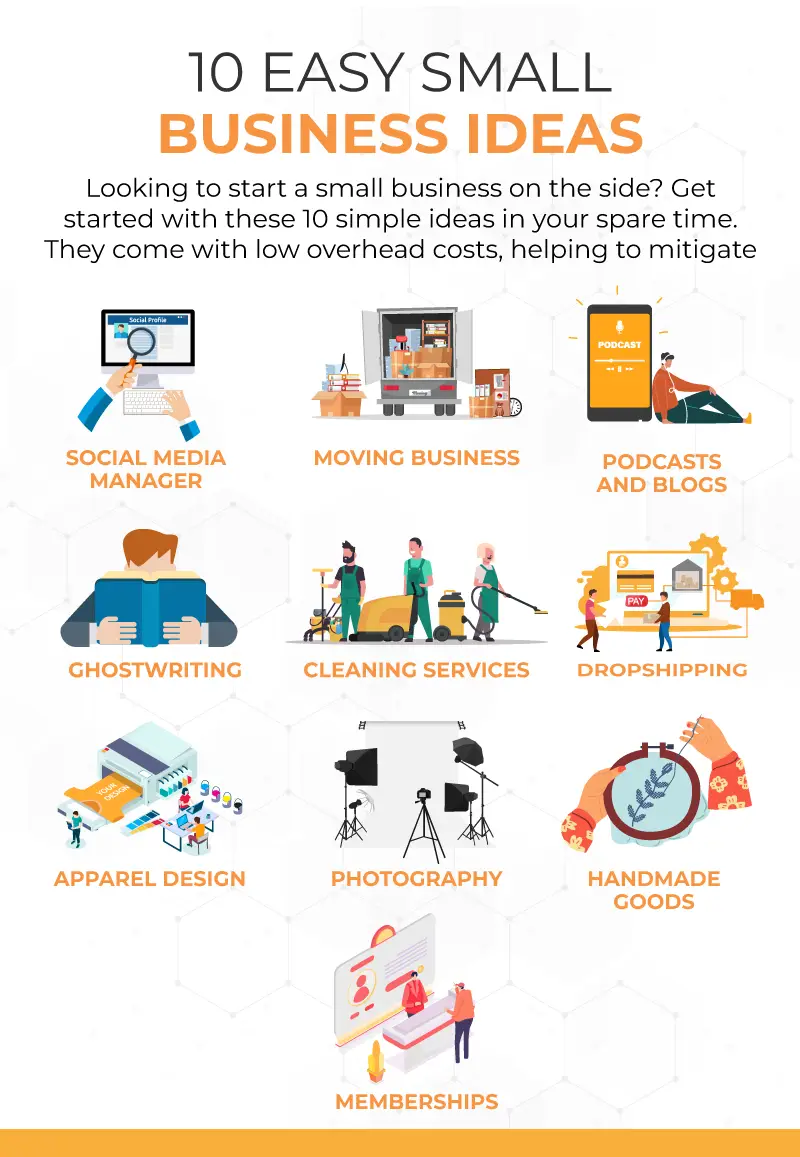
The cornerstone of any financially successful small business lies in identifying unmet or underserved market needs. High demand ensures a ready customer base, while a low barrier to entry minimizes initial capital outlay, thereby accelerating the return on investment (ROI). Businesses that solve a common problem, provide a unique convenience, or cater to a specific demographic’s strong preferences often command premium pricing and benefit from strong word-of-mouth referrals, reducing marketing expenditures. Examples include specialized cleaning services, niche online education, or personalized digital marketing for local businesses. The key is to find where consumers are already spending money but are not fully satisfied with existing solutions, or where new needs are emerging due to technological shifts or lifestyle changes. This strategic positioning reduces financial risk and enhances the probability of rapid cash flow generation.
Capitalizing on Digital Opportunities for Enhanced Financial Growth
The digital realm has democratized entrepreneurship, offering unprecedented opportunities for small businesses to reach global markets with minimal overhead. E-commerce platforms, social media marketing, and cloud-based operational tools drastically reduce the need for physical infrastructure, inventory, and large employee teams, significantly lowering startup costs. Businesses centered around digital products (e-books, online courses, software-as-a-service), digital services (SEO, content creation, virtual assistance), or drop-shipping models can achieve impressive profit margins. The scalability inherent in digital businesses means that with effective strategies, revenue can grow exponentially without a proportional increase in fixed costs, leading to superior financial leverage and faster accumulation of wealth. Understanding digital marketing and sales funnels is paramount to maximizing these financial advantages.
Understanding Your Break-Even Point and Profit Margins
A critical financial exercise for any aspiring small business owner is to meticulously calculate their break-even point. This is the stage at which total revenue equals total costs, meaning the business is neither making nor losing money. Knowing this figure provides a clear financial target and helps in pricing strategies and operational budgeting. Equally important is a deep understanding of profit margins—both gross and net. High-margin businesses, typically those offering services or unique products with low production costs, require fewer sales to achieve profitability and accumulate capital. Prioritizing ventures with naturally higher profit margins or those where value can be significantly added without incurring substantial costs (e.g., intellectual property, specialized skills) can lead to a more robust financial standing and a quicker path to financial independence.
Top Small Business Ideas with Strong Financial Prospects
Based on the principles of high demand, low overhead, and scalability within the “Money” niche, certain business categories consistently stand out as financially attractive options for new entrepreneurs.
Service-Based Businesses: High Margins, Low Overhead
Service-based businesses often represent an excellent entry point into entrepreneurship due to their typically low startup costs and high potential for profit margins. Your primary asset is your skill, time, and expertise, rather than expensive inventory or real estate.
- Professional Consulting/Coaching: If you possess specialized knowledge in areas like finance, marketing, career development, or wellness, offering consulting or coaching services can be incredibly lucrative. The investment is minimal (a website, communication tools, and your expertise), and hourly rates can be high. This model allows for direct monetization of intellectual capital.
- Specialized Cleaning Services: Beyond general house cleaning, niche cleaning services like commercial cleaning, post-construction cleanup, or eco-friendly cleaning command higher prices and cater to specific market segments. Startup costs are relatively low for equipment, and with efficient scheduling, profitability can be strong. Scaling involves hiring and managing teams, turning a side hustle into a substantial income stream.
- Personalized Event Planning: While requiring strong organizational skills, event planning for niche markets (e.g., micro-weddings, corporate retreats, themed parties) can offer excellent margins. The upfront investment is minimal, relying heavily on vendor relationships and coordination fees. The financial reward comes from managing budgets effectively and delivering high-value experiences.
E-commerce and Online Retail: Scalable Income Streams
The digital marketplace continues to be a goldmine for small businesses, offering unparalleled scalability and reach with reduced physical overhead.
- Drop-shipping or Print-on-Demand: These models eliminate the need for inventory management and warehousing, drastically cutting initial capital requirements. Entrepreneurs focus solely on marketing and sales, with suppliers handling fulfillment. This allows for rapid testing of product ideas and quick market entry, with financial success tied directly to effective digital advertising and product selection. Profitability is a direct function of sales volume and cost-per-acquisition efficiency.
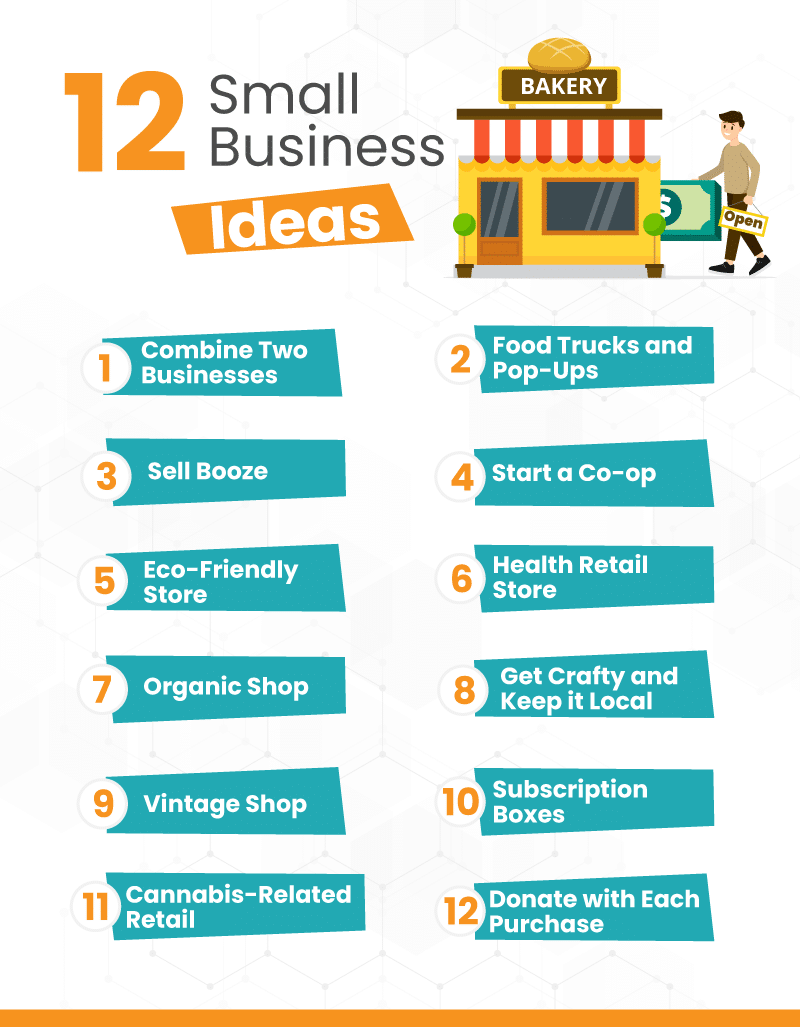
- Niche Online Boutiques: Instead of competing with giants on broad product ranges, focus on a very specific niche—sustainable apparel, artisanal home goods, unique pet products. This allows for targeted marketing, fosters a loyal customer base, and can lead to higher average order values. Financial success here hinges on sourcing unique products with good margins and building a strong online brand presence.
- Digital Products (Courses, Templates, E-books): Creating and selling digital products offers exceptionally high profit margins because once created, they can be sold an infinite number of times with virtually no additional production cost. This model is perfect for monetizing expertise, creative skills, or unique insights, generating passive income streams once the initial development work is done.
Niche Consulting and Coaching: Monetizing Expertise
Leveraging personal expertise into a consulting or coaching business presents a powerful avenue for high income generation with minimal startup costs.
- Business Consulting for SMEs: Small and medium-sized enterprises often lack in-house expertise in areas like financial strategy, marketing, or operational efficiency. Offering your skills as a consultant can be highly profitable, with fees often reflecting the value you bring in terms of cost savings or revenue generation for your clients.
- Life/Wellness Coaching: As societal focus shifts towards personal development and well-being, demand for coaches specializing in areas like career transition, relationship advice, fitness, or mindfulness is growing. The financial model is typically subscription-based or per-session, allowing for a predictable and scalable income.
- Technical/IT Consulting: With rapid technological advancements, businesses constantly need help navigating IT infrastructure, cybersecurity, or software implementation. If you have a background in tech, offering these specialized services can command premium rates due to the high demand and critical nature of the support provided.
Strategies for Financial Success and Sustainable Growth
Starting a business is only the first step; sustained financial success requires astute management and strategic planning. These strategies focus on optimizing financial performance and ensuring long-term profitability.
Smart Funding and Financial Management
How you fund your business and manage its finances daily critically impacts its survival and growth.
- Bootstrapping and Lean Operations: Whenever possible, start with minimal external funding. Bootstrapping—funding your business with personal savings or initial sales revenue—forces lean operations, reduces debt burden, and maximizes financial control. Every dollar saved on unnecessary expenses is a dollar added to profit.
- Strategic Debt vs. Equity Financing: When external capital is needed, understand the implications. Debt financing (loans) requires repayment with interest but allows you to retain full ownership. Equity financing (selling shares) dilutes ownership but brings in capital without immediate repayment pressure. Choose based on your financial projections and growth ambitions.
- Robust Budgeting and Cash Flow Forecasting: Implement a detailed budget for all expenditures and rigorously track cash flow. Positive cash flow is the lifeblood of any business; without it, even profitable businesses can fail. Regular forecasting helps anticipate financial shortfalls and surpluses, enabling proactive decision-making.
Scaling for Sustained Income and Wealth Creation
Scaling a small business means increasing revenue and profits without a proportional increase in operational costs. This is key to long-term wealth accumulation.
- Automating Repetitive Tasks: Invest in software and tools that automate administrative tasks, customer service, or marketing. This frees up valuable time, reduces labor costs, and improves efficiency, allowing you to handle more volume without significant increases in expenditure.
- Developing Systems and Processes: Document clear operational procedures for every aspect of your business. This creates efficiency, reduces errors, and makes it easier to onboard new team members or delegate tasks, enabling you to expand operations seamlessly.
- Geographic and Product/Service Expansion: Once a local or niche market is saturated, consider expanding into new geographic areas or diversifying your product/service offerings. This taps into new revenue streams and reduces reliance on a single market segment, enhancing financial stability.
Mitigating Financial Risks and Ensuring Longevity
Entrepreneurship inherently involves risk, but smart financial planning can significantly mitigate potential pitfalls and ensure the long-term viability of your small business.
Prudent Financial Planning and Budgeting
A comprehensive financial plan is your roadmap to navigating economic uncertainties and achieving your monetary goals.
- Creating Detailed Financial Projections: Develop realistic income statements, balance sheets, and cash flow forecasts for at least 1-3 years. These projections help you understand your financial trajectory, set achievable goals, and identify potential bottlenecks before they become crises.
- Setting Aside an Emergency Fund: Just as in personal finance, a business emergency fund is critical. Aim to have at least 3-6 months of operating expenses saved. This buffer provides resilience against unexpected downturns, major equipment failures, or sudden market shifts, preventing the need for high-interest debt or business closure.
- Regular Financial Reviews: Schedule regular (monthly/quarterly) reviews of your financial performance against your budget and projections. This allows for timely adjustments to spending, pricing, and operational strategies, ensuring your business remains on a healthy financial course.
Building an Emergency Fund for Your Business
Beyond the immediate startup phase, maintaining a robust financial buffer is non-negotiable for long-term survival. This fund should be separate from operational cash and earmarked exclusively for unforeseen challenges. It offers peace of mind, allowing you to weather economic storms or invest in unexpected opportunities without jeopardizing your core business operations.

Understanding Tax Implications and Optimizing Financial Structure
Taxes can significantly impact your business’s profitability. Proactive planning is essential.
- Choosing the Right Legal Structure: Your business’s legal structure (e.g., Sole Proprietorship, LLC, S-Corp) has profound tax implications and affects personal liability. Consult with a financial advisor to choose the structure that optimizes tax efficiency and protects personal assets.
- Accurate Record-Keeping: Meticulous record-keeping of all income and expenses is not only legally required but also crucial for maximizing deductions and minimizing tax liabilities. Good records simplify tax preparation and provide clear insights into your business’s financial health.
- Seeking Professional Financial Advice: Don’t hesitate to engage accountants and financial advisors. Their expertise can help you navigate complex tax laws, identify potential deductions, optimize your financial structure, and develop strategies for long-term wealth accumulation, ensuring your business remains financially sound and compliant.
In conclusion, starting a small business with strong financial prospects requires more than just a good idea; it demands a strategic financial mindset. By focusing on high-demand, low-overhead niches, leveraging digital opportunities, understanding critical financial metrics, and implementing robust financial planning, entrepreneurs can significantly increase their chances of building a profitable and sustainable enterprise that contributes meaningfully to their financial freedom and wealth creation.
aViewFromTheCave is a participant in the Amazon Services LLC Associates Program, an affiliate advertising program designed to provide a means for sites to earn advertising fees by advertising and linking to Amazon.com. Amazon, the Amazon logo, AmazonSupply, and the AmazonSupply logo are trademarks of Amazon.com, Inc. or its affiliates. As an Amazon Associate we earn affiliate commissions from qualifying purchases.