
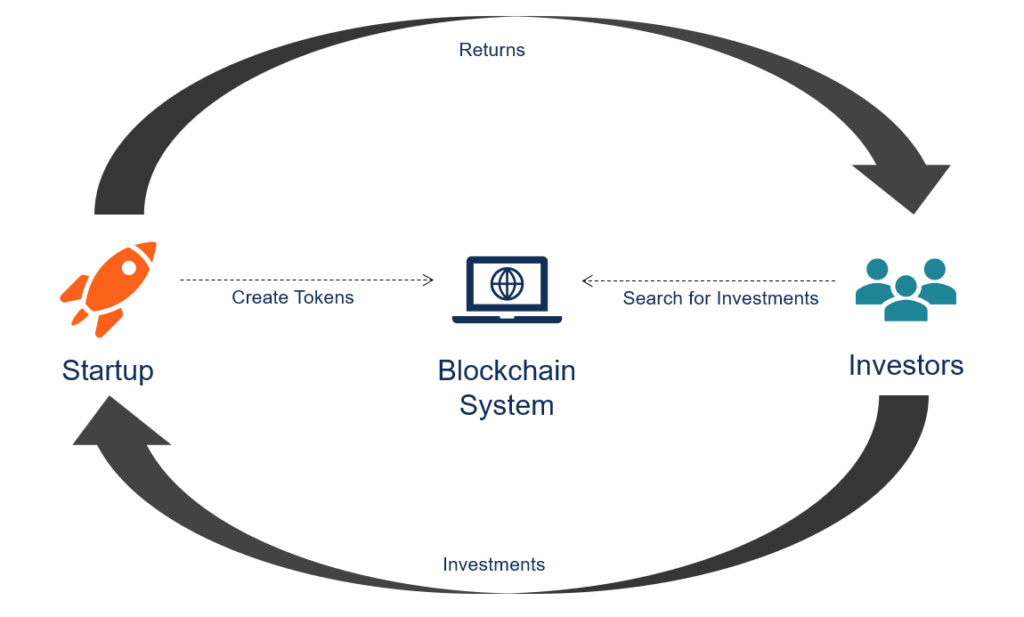
An Initial Coin Offering (ICO) represents a groundbreaking, albeit often volatile, fundraising mechanism employed by blockchain startups to finance their projects. In essence, it’s a method for companies to raise capital by selling a new cryptocurrency or digital token to early investors. These tokens can represent various utilities or even fractional ownership in the project itself, offering a unique blend of traditional investment principles with cutting-edge blockchain technology. Understanding ICOs is crucial for anyone navigating the modern landscape of digital finance and speculative investment opportunities.
Historically, ICOs emerged as a direct response to the limitations and complexities of traditional venture capital funding for blockchain-native projects. They offered a decentralized, often permissionless, pathway for innovators to secure capital directly from a global pool of interested individuals, bypassing banks, stock exchanges, and other established financial intermediaries. While the concept shares similarities with a traditional Initial Public Offering (IPO), the underlying asset, regulatory framework, and accessibility for retail investors diverge significantly, positioning ICOs as a distinct, high-risk, high-reward investment vehicle within the broader digital economy.
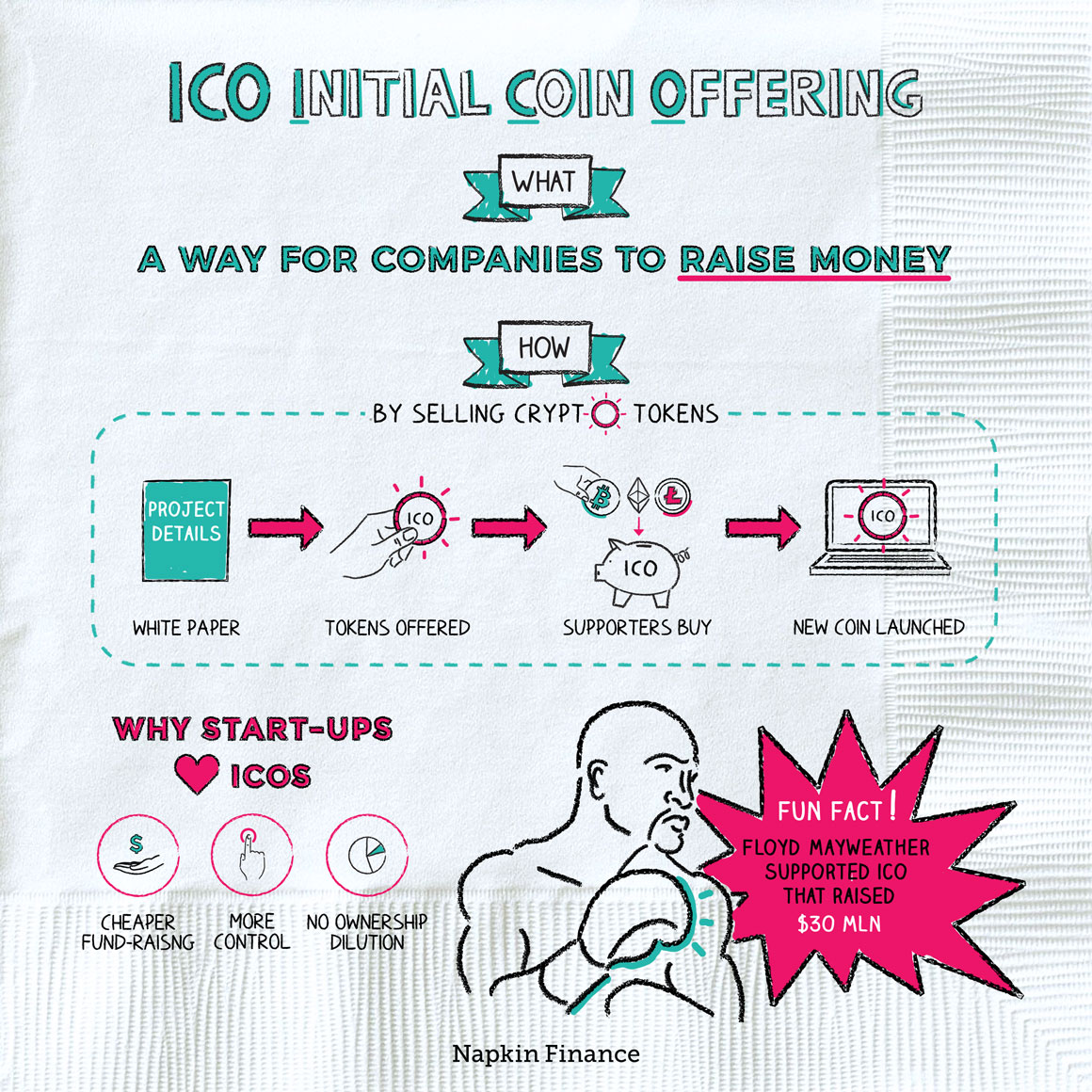
The Mechanics of an Initial Coin Offering
The process of an ICO is designed to be relatively straightforward for both the issuing project and potential investors, though thorough due diligence is paramount. At its core, an ICO involves a company creating a new digital asset (a coin or token) on an existing blockchain platform, most commonly Ethereum, and then offering these tokens for sale to the public.
How ICOs Operate
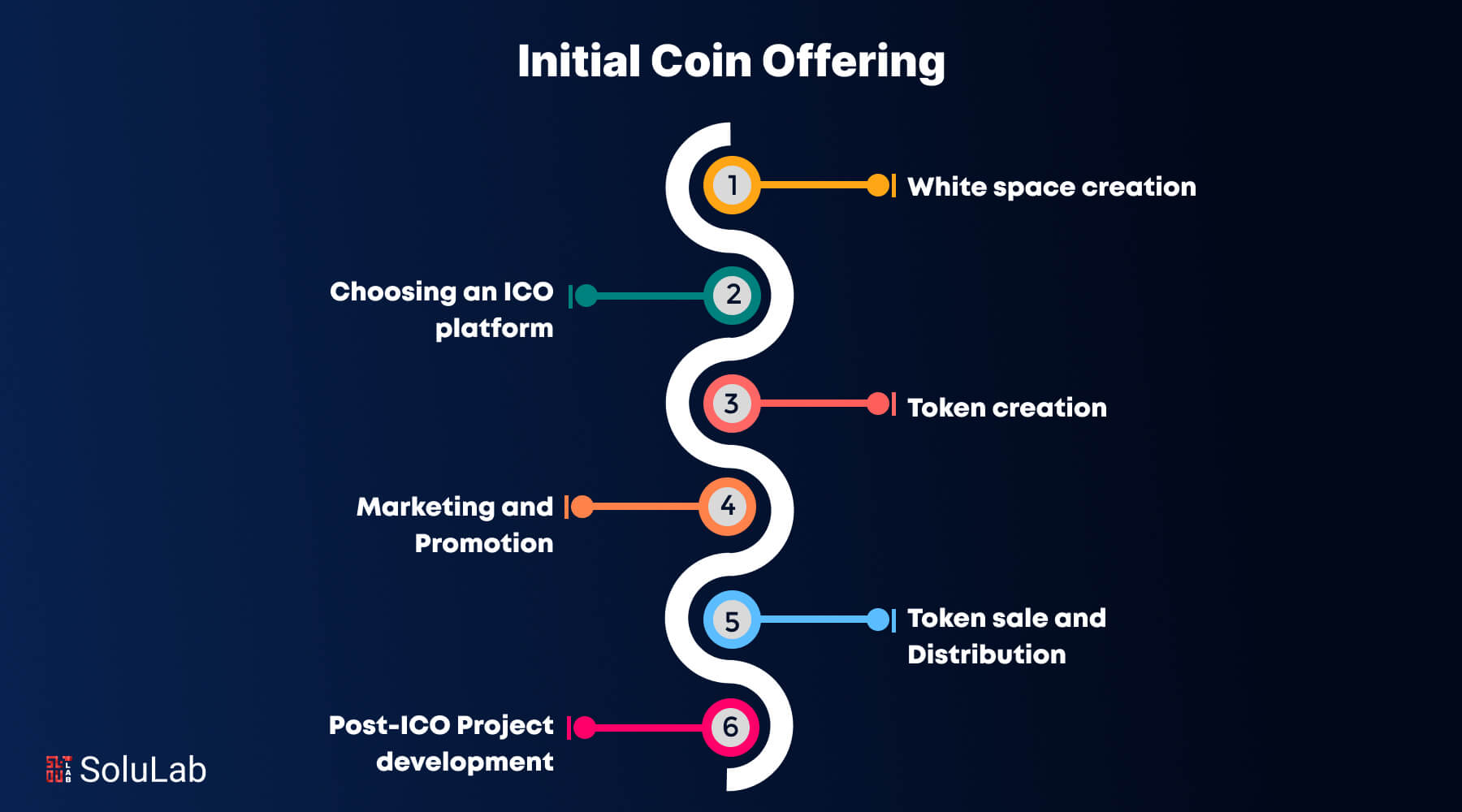
A typical ICO begins with the project team outlining its vision, technology, team, and proposed tokenomics in a detailed document known as a whitepaper. This document serves as the primary informational tool for potential investors, explaining the problem the project aims to solve, how its blockchain solution will function, and the utility or purpose of the token being issued. It also often includes a roadmap detailing development milestones and future plans.
Investors participate by sending cryptocurrencies, most frequently Ethereum (ETH) or Bitcoin (BTC), to a specific smart contract address provided by the project. In return, the smart contract automatically distributes the newly minted tokens to the investors’ cryptocurrency wallets. The price of these tokens during the ICO can be fixed or can adjust based on demand, often through a tiered pricing structure where early investors receive a better rate.
Token Types and Their Value Proposition
The tokens sold during an ICO generally fall into two main categories, each with distinct financial implications:
- Utility Tokens: These tokens are designed to provide access to a product or service offered by the project. They grant their holders the right to use, consume, or interact with the platform’s ecosystem. For example, a utility token might be required to pay for transaction fees, unlock premium features, or participate in governance decisions. Their financial value is theoretically tied to the demand for the underlying product or service.
- Security Tokens: Less common in the traditional “ICO” sense but growing in relevance, security tokens represent an investment contract, often granting holders rights akin to traditional securities, such as dividends, profit-sharing, or ownership. These are typically subject to more stringent financial regulations, mirroring traditional equities.
From an investor’s perspective, the value proposition of ICO tokens often lies in the anticipation of future growth and adoption of the project. If the project succeeds, the demand for its utility token could increase, potentially driving up its market price. However, this speculative nature also introduces considerable financial risk.
Advantages and Risks for Investors
Investing in ICOs offers a unique set of opportunities and challenges that demand careful consideration from a financial standpoint. While the potential for substantial returns can be attractive, the inherent risks are equally significant.
Potential for High Returns
The primary allure of ICOs for many investors is the prospect of outsized returns. Early investors in successful blockchain projects have, in some instances, seen their initial investments multiply many times over. This phenomenal growth potential stems from several factors:
- Early Entry Advantage: Participating in an ICO allows investors to acquire tokens at a foundational stage, often at a lower price than what they might command if the project gains widespread adoption and its tokens are listed on major exchanges.
- Disruptive Innovation: Many ICOs fund projects aiming to disrupt traditional industries or create entirely new markets. Successful disruption can lead to rapid value appreciation for the associated tokens.
- Speculative Demand: In nascent markets, early momentum and hype can drive speculative demand, pushing token prices higher even before the project fully delivers on its promises. This can create quick gains for those who enter and exit at opportune times.
Significant Risks
Despite the attractive upside, ICOs are among the riskiest investment vehicles in the digital asset space. Investors stand to lose a substantial portion, if not all, of their capital due to various factors:
- Regulatory Uncertainty: The regulatory landscape for ICOs remains fragmented and often unclear across different jurisdictions. This uncertainty can lead to unexpected legal challenges, project shutdowns, or reclassification of tokens, all of which can severely impact their financial viability and market price. Investors might find their assets frozen or deemed illegal in certain regions.
- Market Volatility: Cryptocurrency markets are notoriously volatile. ICO tokens, especially those from new projects with limited liquidity, can experience extreme price swings influenced by market sentiment, news, and broader crypto market trends. This volatility makes long-term price prediction incredibly difficult and short-term trading highly speculative.
- Scams and Fraudulent Projects: The decentralized and relatively unregulated nature of early ICOs made them fertile ground for fraudulent schemes. “Rug pulls,” where project founders abandon the project and abscond with investor funds, or “pump-and-dump” schemes, where promoters artificially inflate prices before selling off their holdings, are common threats. Identifying legitimate projects from deceptive ones requires extensive financial due diligence.
- Lack of Liquidity: Many newly launched ICO tokens may have limited trading volume and be listed on only smaller, less liquid exchanges initially. This can make it difficult for investors to sell their tokens at a desired price, especially in larger quantities, effectively trapping their capital.
- Project Failure: Even legitimate projects face significant challenges in execution, development, and market adoption. Technical hurdles, team disagreements, lack of market fit, or intense competition can lead to project failure, rendering the associated tokens worthless. Investors often rely on the whitepaper’s promises, which may or may not materialize.
- Misleading Information: Whitepapers and promotional materials can sometimes contain overly optimistic projections, vague technical details, or even fabricated information. Investors must critically assess the feasibility of the project’s claims and the credibility of the team.
The Evolution and Regulatory Landscape of ICOs
The ICO market has undergone significant transformations since its inception. What began as a largely unregulated “Wild West” of fundraising has slowly but surely moved towards greater scrutiny and evolving regulatory frameworks. This shift has profound implications for how projects raise capital and how investors protect their financial interests.
From Wild West to Increased Scrutiny
The early days of ICOs, particularly between 2017 and 2018, saw an explosion in the number of offerings, many of which lacked robust technology, clear use cases, or experienced teams. This period was characterized by high-profile successes but also numerous scams and failures, leading to significant financial losses for many retail investors. Regulators worldwide began to take notice of the potential for fraud, money laundering, and investor exploitation.
Regulatory Responses and the Howey Test
In the United States, the Securities and Exchange Commission (SEC) has been particularly active in defining the legal status of ICO tokens. Central to their approach is the Howey Test, a legal precedent established in 1946 to determine if a transaction qualifies as an “investment contract” and is therefore subject to securities laws. If a token is deemed a security, it must comply with stringent registration and disclosure requirements, similar to traditional stocks. The SEC has taken enforcement actions against numerous ICOs for offering unregistered securities, leading to fines and restitution for investors.
Other global regulators have adopted varying stances:
- China banned ICOs outright in 2017, viewing them as a threat to financial stability.
- European Union member states have implemented a patchwork of regulations, with some countries like Malta initially embracing blockchain innovation with clearer regulatory guidelines, while others adopted a more cautious approach.
- Switzerland’s FINMA (Financial Market Supervisory Authority) has provided specific guidance on classifying tokens and the regulatory requirements for each type, aiming to foster innovation while ensuring investor protection.
These regulatory developments have forced projects to consider compliance from the outset, leading to a professionalization of the token issuance space.
Comparison to Traditional Fundraising
ICOs offer distinct advantages and disadvantages when compared to established fundraising methods:
- IPOs (Initial Public Offerings): IPOs are highly regulated, involving extensive paperwork, audits, and underwriting by investment banks. They target institutional investors and are typically inaccessible to the average retail investor during the initial phase. ICOs, by contrast, historically offered broader accessibility and lower barriers to entry for issuers, though this has changed with increased regulation.
- Venture Capital (VC): VC funding is usually secured through private equity rounds with accredited investors, often involving significant equity dilution and stringent due diligence processes from sophisticated investors. ICOs provided an alternative for projects that might not appeal to traditional VCs or sought to avoid the dilution of equity ownership by selling utility tokens instead.
The regulatory evolution has pushed some modern token offerings closer to traditional models, especially those classified as security tokens, blurring the lines and emphasizing the need for robust financial and legal frameworks.
ICOs in Today’s Market and Their Future
The landscape for Initial Coin Offerings has matured significantly, moving beyond the speculative frenzy of the late 2010s to a more structured and compliance-focused environment. While the term “ICO” might not be as prevalent as it once was, the underlying concept of blockchain-based fundraising continues to evolve.
The Rise of New Fundraising Models
The challenges and regulatory scrutiny faced by traditional ICOs gave rise to alternative token sale models designed to offer more investor protection and regulatory compliance:
- IEOs (Initial Exchange Offerings): In an IEO, a cryptocurrency exchange acts as a facilitator and underwriter for the token sale. The exchange typically vets the project, performs due diligence, and hosts the token sale on its platform. This model offers investors a perceived layer of security and trust, as the exchange has an incentive to list reputable projects to protect its own reputation. From a financial perspective, IEOs often imply better liquidity and a higher chance of being listed on a major exchange post-sale.
- IDOs (Initial DEX Offerings): IDOs are conducted on decentralized exchanges (DEXs). These sales leverage smart contracts to automate the token distribution and often feature decentralized launchpads that allow projects to raise capital in a more permissionless and censorship-resistant manner. While offering high transparency, IDOs can still carry significant risks related to project legitimacy and market manipulation due to their highly decentralized nature.
- STO (Security Token Offerings): STOs are essentially regulated ICOs where tokens are explicitly classified as securities and comply with relevant securities laws. This often involves KYC (Know Your Customer) and AML (Anti-Money Laundering) checks for investors, alongside offering documents similar to traditional financial instruments. STOs aim to combine the benefits of blockchain technology with the legal protections afforded by securities regulations.
These evolutions indicate a shift towards more sophisticated and compliant fundraising methods within the blockchain space, focusing on investor confidence and regulatory adherence.
The Continuing Role of Token Sales
Despite the changes, token sales remain a vital mechanism for funding innovation in Web3, decentralized finance (DeFi), and other blockchain-centric sectors. They enable projects to:
- Bootstrap Networks: Projects often need initial capital to build their core technology, attract developers, and foster early adoption before their products generate revenue.
- Build Communities: Token sales can act as a powerful tool for community building, as early investors become vested stakeholders in the project’s success.
- Distribute Governance: Many modern blockchain projects incorporate decentralized governance, where token holders can vote on key decisions. Token sales facilitate this initial distribution of voting power.
Due Diligence for Modern Token Investments
For investors considering participation in any form of token sale today, rigorous due diligence is more critical than ever. This includes:
- Thorough Whitepaper Analysis: Evaluate the project’s problem statement, proposed solution, technology stack, and tokenomics model. Assess the realism of their roadmap and financial projections.
- Team Scrutiny: Research the background and experience of the project team, advisors, and core developers. Look for a proven track record in relevant fields.
- Market Analysis: Understand the market opportunity, competitive landscape, and the project’s unique selling proposition.
- Community and Transparency: Assess the project’s engagement with its community, transparency of communication, and responsiveness to inquiries.
- Regulatory Compliance: Understand the regulatory framework applicable to the token and the project, and ensure compliance measures are in place.
- Financial Health: Examine any available financial audits, funding rounds, and partnerships to gauge the project’s stability and support.
In conclusion, while the term “ICO” might evoke images of a past speculative bubble, the core mechanism of blockchain-based fundraising has matured considerably. It continues to be a powerful tool for innovation, but one that now operates within a more defined and increasingly regulated financial landscape, demanding greater discernment and caution from investors.
aViewFromTheCave is a participant in the Amazon Services LLC Associates Program, an affiliate advertising program designed to provide a means for sites to earn advertising fees by advertising and linking to Amazon.com. Amazon, the Amazon logo, AmazonSupply, and the AmazonSupply logo are trademarks of Amazon.com, Inc. or its affiliates. As an Amazon Associate we earn affiliate commissions from qualifying purchases.