
The term “crunchy mom” has evolved from a niche subcultural descriptor into a powerful brand identity that permeates social media, consumer behavior, and lifestyle marketing. In the landscape of personal branding and niche community building, the “crunchy” label serves as a shorthand for a specific set of values, aesthetics, and purchasing behaviors. For marketers and brand strategists, understanding the underlying structure of this movement is essential, as it represents a highly engaged, values-driven demographic that exerts significant influence over the parenting and wellness markets.
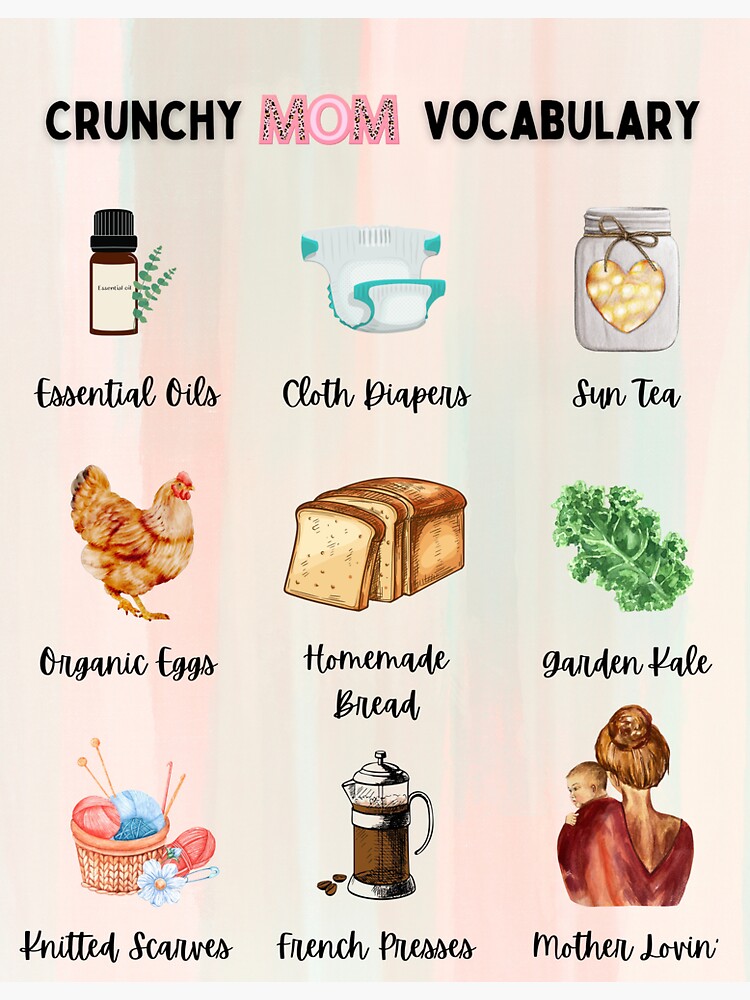
The Evolution of the “Crunchy” Brand Identity
At its core, the “crunchy mom” identity is a personal brand rooted in an ideological stance against industrial standardization. The term, which dates back to the 1960s and 70s counterculture, originally referred to those who favored “crunchy” granola—a symbol of whole, unprocessed foods. Today, the brand has expanded into a complex ecosystem of practices including attachment parenting, home-birthing, non-toxic living, and vaccine skepticism or intentional medical autonomy.
Aesthetic Branding and Visual Language
From a design and marketing perspective, the “crunchy” brand is instantly recognizable. It favors a specific visual vocabulary: earthy tones, linen fabrics, wooden toys, and a “minimalist-natural” aesthetic. On platforms like Instagram and Pinterest, this branding creates a cohesive identity that signals authenticity. Brands that wish to engage this demographic must adopt a visual strategy that aligns with these values—prioritizing sustainability, transparency, and a rejection of the “plastic” or overly polished aesthetic of corporate mass-market products.
The Value Proposition of Authenticity
For personal brands within this space, “crunchy” signifies a rejection of traditional parenting authority in favor of intuitive, nature-led decision-making. The brand strategy here is one of empowerment through information—or, more accurately, information curated outside of traditional institutional channels. Influencers who successfully cultivate a “crunchy” personal brand position themselves as trusted curators of non-toxic living, turning their lifestyle choices into a roadmap for their followers.
Decoding the Market Strategy: Values-Driven Consumerism
The “crunchy” niche is a powerhouse of values-driven consumerism. The brand strategy for companies operating in this space must move beyond traditional feature-benefit advertising to focus on lifestyle integration and value alignment. This demographic researches deeply; they look for brand transparency, ethical sourcing, and a clear rejection of synthetic ingredients.
Trust as the Primary Currency
In this sector, trust is the highest form of brand equity. Unlike the general parenting market, which might be swayed by convenience or celebrity endorsement, the crunchy demographic is swayed by community validation and rigorous scrutiny of supply chains. A brand’s strategy here must focus on “radical transparency.” Whether it is sharing the sourcing of ingredients or detailing the manufacturing process, the brands that win in this space are those that treat the consumer as an expert partner rather than a passive buyer.

The Role of Social Proof and Community
The “crunchy” brand identity is not a solitary endeavor; it is a community-based social construct. Branding in this space requires leveraging social proof—the collective validation of the community. When a brand becomes the “gold standard” within the crunchy niche, it does so through high-intent recommendations and peer-to-peer verification. Brands must invest in building community hubs—online forums, Facebook groups, or local cooperatives—where they can participate in the conversation rather than simply advertising to it.
The Intersection of Personal Branding and Lifestyle Marketing
For the individual entrepreneur or influencer, “crunchy” is a masterclass in personal brand positioning. It is a niche that effectively uses the principles of exclusivity and tribalism to build a loyal following. By adopting a “crunchy” identity, a creator is not just selling a product; they are selling a world-view.
Crafting the “Crunchy” Narrative
A successful personal brand in this space focuses on the “journey of discovery.” Content creators often frame their brand narrative around their own evolution—shifting from conventional products to natural alternatives. This narrative arc creates a sense of relatability and shared struggle, which lowers the barrier for followers to adopt the brand’s recommendations. The strategy is to position the creator as a guide who is one or two steps ahead of the audience, making the aspirational lifestyle seem attainable.
Monetization Without Dilution
The challenge for many within this niche is how to monetize without losing the “crunchy” brand integrity. This is where strategic brand partnerships become delicate. If an influencer promotes a product that doesn’t align with the community’s strict non-toxic or sustainable standards, the damage to the brand is often irreparable. Successful monetization involves deep vetting of affiliate products, focusing on long-term relationships with sustainable brands, and ensuring that every piece of sponsored content maintains the aesthetic and ethical baseline of the brand identity.
Navigating the Future: Trends in the Natural Parenting Market
As the “crunchy” demographic matures, the brand identity is also shifting. We are moving from a reactive stance—critiquing industrial systems—to a proactive stance of building alternative systems. This shift offers new opportunities for brands that can provide tools for this autonomy.
The Rise of the “Sovereign Consumer”
We are seeing a trend toward “sovereign consumerism,” where the goal is to reduce reliance on large corporations altogether. This has major implications for branding. Instead of selling a finished product, brands are increasingly successful when they sell the tools for self-sufficiency—kits for making your own cleaners, bulk organic supplies, or educational programs for at-home learning. The brand strategy shifts from “buy this to solve your problem” to “buy this to empower your process.”
Scalability vs. Niche Integrity
The tension between scaling a brand and maintaining a niche “crunchy” identity is the primary hurdle for business growth. As a brand grows, it risks being perceived as “selling out” or becoming too “mainstream.” To navigate this, companies must maintain an authentic voice that feels grassroots even as they scale. This is achieved through consistent communication, maintaining the original quality standards that built the brand, and keeping the community at the center of all product development cycles.

Conclusion: The Staying Power of the Crunchy Label
The “crunchy mom” identity is far from a passing fad. It represents a fundamental shift in how modern parents view their relationship with the products they consume and the systems they interact with. For brands and personal brands alike, this niche offers a template for how to build deep, enduring relationships through values, transparency, and communal engagement. Whether the goal is to sell organic baby products, eco-friendly household goods, or personal coaching services, the key to success lies in understanding the deep-seated desire for natural, non-toxic living and the skepticism toward conventional, mass-market alternatives. Those who can speak this language with authenticity will continue to dominate this highly influential segment of the market.
aViewFromTheCave is a participant in the Amazon Services LLC Associates Program, an affiliate advertising program designed to provide a means for sites to earn advertising fees by advertising and linking to Amazon.com. Amazon, the Amazon logo, AmazonSupply, and the AmazonSupply logo are trademarks of Amazon.com, Inc. or its affiliates. As an Amazon Associate we earn affiliate commissions from qualifying purchases.