
In the intricate tapestry of personal finance, seemingly minor administrative tasks often hold significant weight. Updating your bank address is one such crucial item, directly impacting everything from your financial security to the timely receipt of vital account information. For customers of Chase Bank, a financial institution trusted by millions, understanding the precise steps to ensure your records are current is not just about convenience—it’s about safeguarding your financial well-being. This comprehensive guide will walk you through the various methods available to change your address with Chase, offering insights into why this update is paramount and what best practices to follow for a seamless transition.

The Imperative of Updating Your Financial Records
While the excitement of moving to a new home or relocating for a job often overshadows mundane administrative tasks, updating your banking information, particularly your address, should be at the top of your financial checklist. Neglecting this step can lead to a cascade of inconveniences, security risks, and potential financial complications.
Why Your Address Matters to Your Money
Your mailing address is more than just a place to receive mail; it’s a foundational piece of information that links your identity to your financial accounts. Banks, including Chase, rely heavily on this data for several critical functions:
- Security Verification: When you contact Chase for support, conduct certain transactions, or even log in to your online account, your address is often used as a verification point. An outdated address can complicate identity confirmation, potentially delaying urgent financial actions or even flagging legitimate activities as suspicious.
- Statement and Correspondence Delivery: Even in the age of digital banking, many crucial documents are still mailed. This includes monthly statements, annual tax documents (like 1099s), credit card renewals, new debit cards, notices of account changes, or important security alerts. Missed mail can lead to missed payments, unnoticed fraudulent activity, or problems during tax season.
- Fraud Prevention and Detection: Banks actively monitor for suspicious activity. If your address on file doesn’t match other records (e.g., credit bureau data), it could raise red flags, potentially leading to temporary account freezes or increased scrutiny, all in an effort to protect you from fraud.
- Regulatory Compliance: Financial institutions are legally obligated to maintain accurate customer information. This includes your residential address, which plays a role in various anti-money laundering (AML) and know-your-customer (KYC) regulations. Accurate records help banks comply with these mandates and ensure the integrity of the financial system.
- Local Branch Services: If you frequently use local branch services, having an accurate address ensures you’re routed to the appropriate services and offers that might be localized.
Risks of Outdated Information
The consequences of failing to update your address can range from minor annoyances to significant financial setbacks:
- Missed Critical Mail: Imagine missing a new credit card because it was sent to your old address, potentially falling into the wrong hands. Or failing to receive a fraud alert that could have saved you from significant losses.
- Identity Theft Vulnerability: Mail forwarded to an empty residence, or simply left in an old mailbox, can be intercepted by criminals. Pre-approved credit offers, bank statements, and other sensitive documents contain enough personal information for an identity thief to open new accounts in your name or access existing ones.
- Service Disruptions: If Chase needs to send you a new debit card, credit card, or checkbook, and your address is incorrect, you could experience delays or complete failure to receive these essential tools, disrupting your ability to access your funds.
- Legal and Tax Complications: Not receiving tax documents (like 1099-INT for interest earned) can complicate tax filing and potentially lead to penalties if you don’t report all income. In certain legal contexts, official notices might be sent to your address on file, and missing them could have serious implications.
- Credit Score Impact: If a new credit card goes missing and you’re unaware of the payments due, missing these payments could negatively impact your credit score.
Given these considerations, taking prompt action to update your Chase Bank address is a fundamental component of proactive personal finance management.
Navigating the Process: Methods to Update Your Chase Address
Chase Bank offers several convenient methods for customers to update their address, catering to different preferences and needs. Understanding each option will help you choose the most efficient path for your situation.
Online: The Digital Convenience
For many, the internet offers the fastest and most straightforward way to manage banking affairs, and changing your address is no exception. This method leverages the security and accessibility of Chase’s online platform.
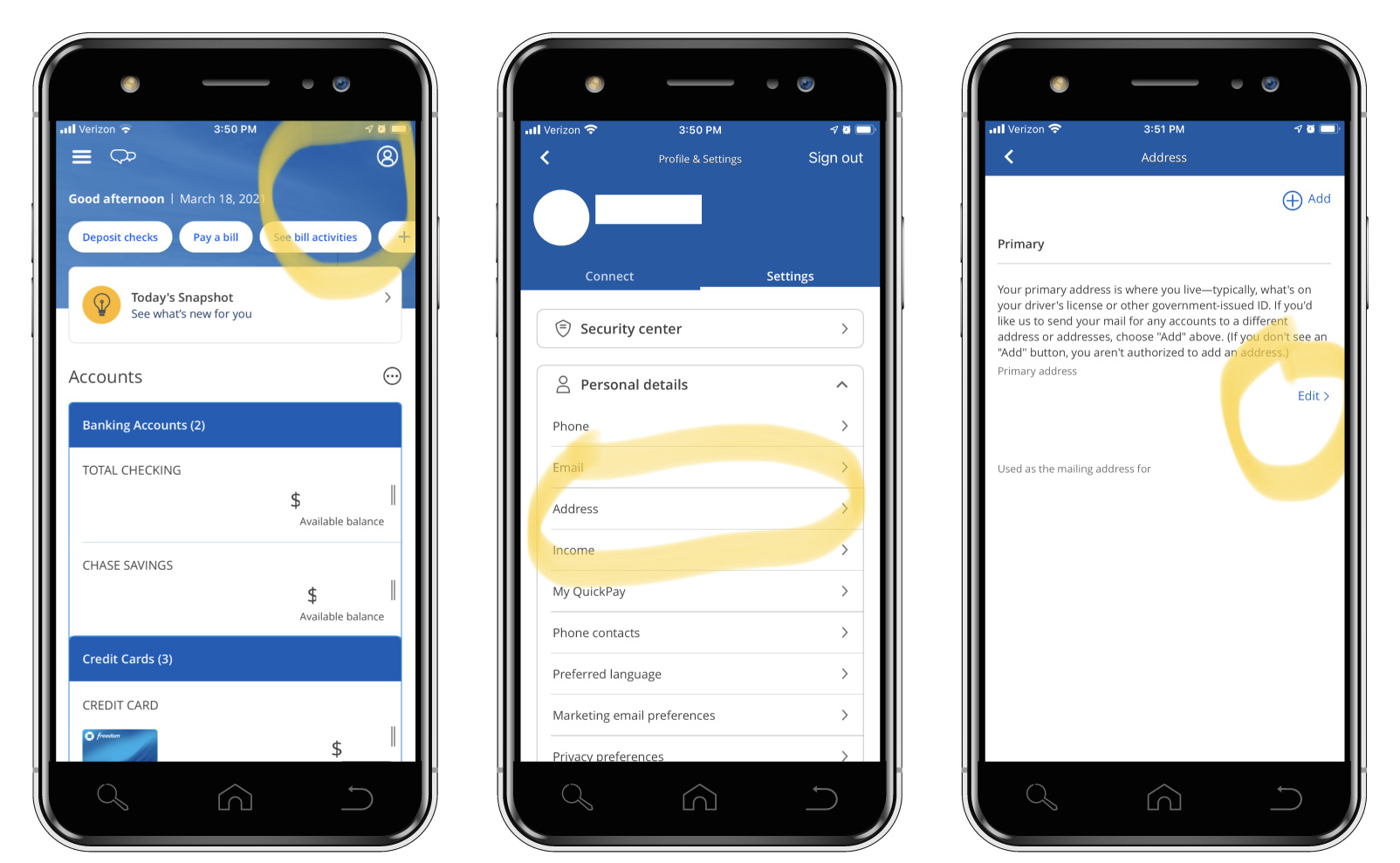
- Log In to Your Account: Begin by visiting the official Chase website (Chase.com) and logging into your Chase Online Banking account using your User ID and Password.
- Navigate to Profile/Settings: Once logged in, look for a “Profile,” “Settings,” “Customer Service,” or “Account Management” section. This is typically found by clicking on your name or a profile icon in the top right corner or within a main navigation menu.
- Find “Contact Information” or “Address Change”: Within the profile or settings area, you should find an option specifically for updating your contact information, personal details, or address.
- Enter New Address Details: Carefully input your new street address, city, state, and ZIP code. Double-check for any typos.
- Verify and Confirm: Chase will likely require you to verify your identity, possibly by sending a code to your registered phone number or email, or by asking security questions. After verification, review all entered information one last time before submitting the change.
- Confirmation: You should receive an immediate on-screen confirmation and often an email confirmation that your address change request has been received or completed.
- Insight: This method is ideal for those who are comfortable with online banking and prefer the convenience of making changes anytime, anywhere. Ensure you are using a secure, private internet connection when updating sensitive information.
By Phone: Direct Assistance
If you prefer speaking directly with a representative or encounter issues with the online portal, changing your address over the phone is an excellent alternative.
- Gather Your Information: Before calling, have your account number(s), old address, new address, and any personal identification information (like your Social Security Number) readily available.
- Call Chase Customer Service: Dial the customer service number typically found on the back of your debit card, credit card, bank statements, or on the official Chase.com website.
- Navigate Automated System: You might need to navigate an automated menu system. Listen for options related to “Account Services,” “Personal Information,” or “Speak to a Representative.”
- Speak with a Representative: Once connected, clearly state that you wish to change your mailing address. The representative will ask for your identity verification, likely requiring personal details and potentially answers to security questions.
- Provide New Address: Clearly state your new address, spelling out street names if necessary to avoid misunderstandings. The representative will confirm the details.
- Confirmation: Ask the representative for a confirmation number or for them to confirm when the change will take effect. You might also receive a mailed or emailed confirmation.
- Insight: This method offers the benefit of direct interaction, allowing you to ask questions and receive immediate clarification. It’s particularly useful if you have complex account structures or need to update multiple accounts simultaneously.
In-Person: The Branch Experience
For those who prefer face-to-face interaction, or perhaps need to handle other banking matters simultaneously, visiting a Chase branch is a reliable option.
- Locate a Branch: Use the Chase website or app to find the nearest branch location. Check their operating hours before you go.
- Bring Required Identification: You will need to bring valid, government-issued photo identification (e.g., driver’s license, passport) that shows your new address, or a utility bill with your new address if your ID still reflects the old one. Also, bring your Chase debit card, account numbers, and old address details.
- Speak with a Banker: Inform the banker that you need to update your address. They will guide you through the process, which usually involves filling out a form or entering details into their system.
- Verify and Sign: You’ll be asked to verify your identity and likely sign a form confirming the address change.
- Confirmation: The banker should be able to confirm the change immediately and provide you with a printed confirmation.
- Insight: The in-person method provides an extra layer of security and peace of mind for some customers, as you’re physically presenting documents and interacting directly with a bank employee. This is also beneficial if you need to update other linked services or have questions about how the move affects other financial products.
By Mail: Traditional Pathways
While less common and generally slower than other methods, changing your address by mail may still be an option for some, particularly if you have specific types of accounts or are unable to use the other channels.
- Obtain Necessary Forms: You may need to call Chase customer service to inquire about the specific form required for an address change. Some banks provide a general “Change of Information” form online that can be printed.
- Fill Out Accurately: Clearly and legibly fill out the form with your old and new addresses, account numbers, and other required personal information.
- Include Supporting Documentation: You might be required to include a photocopy of a government-issued ID and/or a utility bill showing your new address for verification purposes. Always inquire with Chase about specific requirements before mailing sensitive documents.
- Mail Securely: Send the completed form and supporting documents to the designated Chase mailing address (typically found on their website under customer service or contact us, specifically for account maintenance). Use certified mail with a return receipt for added security and proof of delivery.
- Insight: This method is generally recommended only if other options are unavailable or unsuitable. Due to processing times and the inherent risks of mailing sensitive documents, it should be approached with caution and care.

Essential Preparations and Information Requirements
Regardless of the method you choose, being prepared with the correct information beforehand will streamline the address change process and prevent unnecessary delays.
What You’ll Need Before You Start
Having the following items ready will ensure a smooth experience:
- Your New Address: The complete street address, apartment number (if applicable), city, state, and ZIP code.
- Your Old Address: This helps Chase locate your existing records.
- Chase Account Numbers: Having your checking, savings, credit card, and any other relevant Chase account numbers handy will expedite the process, especially if you have multiple accounts to update.
- Personal Identification: Your Social Security Number (SSN), date of birth, and possibly your mother’s maiden name or answers to other security questions.
- Valid Photo ID: A government-issued ID like a driver’s license, state ID card, or passport. For in-person changes, this ID should ideally reflect your new address or be accompanied by a recent utility bill showing the new address.
- Current Contact Information: Ensure Chase has your most current phone number and email address on file, as these are often used for verification codes and confirmations.
Verifying Your Identity and Account Ownership
For security reasons, Chase will always require robust identity verification before processing an address change. This is a critical step designed to protect your accounts from unauthorized access. Be prepared to:
- Answer Security Questions: These are questions only you should know, related to your past financial history or personal details.
- Provide a Verification Code: Often sent via SMS to your registered phone number or email.
- Present Photo ID: Particularly for in-person changes, ensuring the ID is valid and matches the account holder’s details is paramount.
- Confirm Account Specifics: Details like recent transactions, specific account balances, or other sensitive information only the account owner would know.
Never share these verification details with anyone who contacts you unsolicited, claiming to be from Chase. Always initiate contact with the bank using official numbers or secured online portals.
Beyond the Update: Post-Change Financial Housekeeping
Changing your address with Chase is a vital first step, but the process doesn’t end there. Proactive financial management requires follow-through to ensure all aspects of your financial life are synchronized with your new residence.
Confirming the Change and Statement Delivery
Once you’ve submitted your address change, it’s prudent to take steps to confirm it has been successfully processed and to anticipate future communications.
- Check Online Account: Log into your Chase Online Banking account a few days after the change to verify that your new address is displayed in your profile.
- Monitor Mail: Keep an eye out for a confirmation letter from Chase at your new address. This is a common practice for significant account changes.
- Anticipate New Cards: If your address change triggers the issuance of new debit or credit cards (some banks send new cards upon address change for security reasons), ensure they arrive at your new address within the expected timeframe. If not, contact Chase immediately.
- Review First Statement: When your first statement arrives at your new address, meticulously review it to ensure all details are correct and there are no unexpected changes or unauthorized transactions.
Synchronizing Your Finances: Other Accounts and Bills
Your Chase Bank account is likely just one piece of your broader financial puzzle. Moving requires a comprehensive update across all financial touchpoints.
-
Other Banks and Credit Unions: Update your address with any other financial institutions where you hold checking, savings, or investment accounts.
-
Credit Card Companies (Non-Chase): Each credit card issuer needs your new address. This is vital for receiving statements, new cards, and fraud alerts.
-
Investment and Brokerage Firms: For retirement accounts (401k, IRA), brokerage accounts, and other investment vehicles, ensuring your address is current is crucial for receiving statements, tax documents, and fund distributions.
-
Loan Providers: Update your address for mortgages, auto loans, student loans, and any other personal loans.
-
Insurance Providers: Your home, auto, life, and health insurance companies need your new address. This can impact premiums, policy coverages, and claims processing.
-
Utility Companies and Billers: Update your address for electricity, gas, water, internet, phone, and any subscription services. Set up mail forwarding with the postal service (e.g., USPS) for a period to catch any missed mail during this transition phase.
-
Government Agencies: Update your address with the IRS (especially if you’re expecting a refund or tax documents), Social Security Administration, and state Department of Motor Vehicles.
-
Insight: Create a comprehensive checklist of all your financial accounts and services. Proactively reaching out to each entity will prevent disruptions and potential penalties, reflecting sound financial discipline.
Security Best Practices During a Relocation
A move can expose you to increased risks if not managed carefully from a security perspective.
- Secure Mail Forwarding: Set up official mail forwarding with your national postal service (e.g., USPS in the U.S.). This is a temporary measure, not a permanent solution, but it helps catch mail that hasn’t been updated with individual senders.
- Shred Old Documents: Before leaving your old residence, securely shred any documents containing personal or financial information. Do not simply throw them in the trash.
- Be Wary of Scams: Be extra vigilant about phishing emails, unsolicited phone calls, or texts requesting personal information, especially those claiming to be from your bank about your address change. Always initiate contact with Chase using official numbers or websites.
- Monitor Accounts: Actively monitor your Chase accounts and credit reports for any suspicious activity in the weeks and months following your move. Consider placing a fraud alert on your credit report for an added layer of protection.
- Update Passwords: If you haven’t recently, consider updating your online banking passwords, especially if you’ve used public Wi-Fi during the moving process.
Addressing Common Queries and Ensuring a Smooth Transition
Even with careful planning, questions can arise during the address change process. Anticipating and understanding how to resolve these can save time and stress.
Troubleshooting Potential Hurdles
- Online Portal Issues: If you can’t find the address change option online, or encounter technical glitches, don’t hesitate to call Chase customer service.
- Verification Difficulties: If you’re having trouble verifying your identity online or over the phone (e.g., forgotten security answers, outdated phone number for verification codes), you may need to visit a branch in person with strong ID.
- Multiple Accounts: If you have several types of accounts (checking, savings, credit cards, investments) with Chase, ensure that the address change applies to all relevant accounts. Sometimes, a general address change will propagate, but it’s always best to confirm. If not, explicitly request to update each account.
- Joint Accounts: For joint accounts, typically one account holder can initiate the address change, but sometimes both parties might need to verify or sign off, especially for in-person changes. Clarify this with Chase if you are a joint account holder.
When to Contact Chase Support
Do not hesitate to contact Chase customer service immediately if:
- You suspect unauthorized activity on your account.
- You don’t receive confirmation of your address change within the expected timeframe.
- New cards or statements are not arriving at your new address.
- You encounter any security concerns related to your address change.
- You have unique account circumstances (e.g., business accounts, trust accounts) that might require different procedures.
Timely communication with Chase is critical to resolving any issues swiftly and maintaining the security and functionality of your accounts.
Changing your address with Chase Bank is a relatively simple process when approached systematically. By understanding the available methods, preparing the necessary information, and diligently completing post-change housekeeping, you can ensure your financial records remain accurate, your accounts secure, and your financial life continues to operate smoothly through life’s transitions. This administrative task, while seemingly minor, underpins the broader architecture of your personal financial stability and security, making it a priority for every responsible account holder.
aViewFromTheCave is a participant in the Amazon Services LLC Associates Program, an affiliate advertising program designed to provide a means for sites to earn advertising fees by advertising and linking to Amazon.com. Amazon, the Amazon logo, AmazonSupply, and the AmazonSupply logo are trademarks of Amazon.com, Inc. or its affiliates. As an Amazon Associate we earn affiliate commissions from qualifying purchases.