
In the rapidly evolving landscape of nutritional science and biotechnology, the distinction between macronutrients is often blurred by their shared roles in biological systems. While lipids and carbohydrates occupy different positions on the chemical periodic table of nutrition, they are fundamentally linked by their roles as the primary engines of human performance and systemic energy regulation. For those navigating the intersection of biohacking, metabolic health, and nutritional tech, understanding these shared characteristics is essential for optimizing output—whether it be in athletic performance, cognitive function, or long-term metabolic stability.
The Shared Foundational Chemistry: Carbon-Based Efficiency
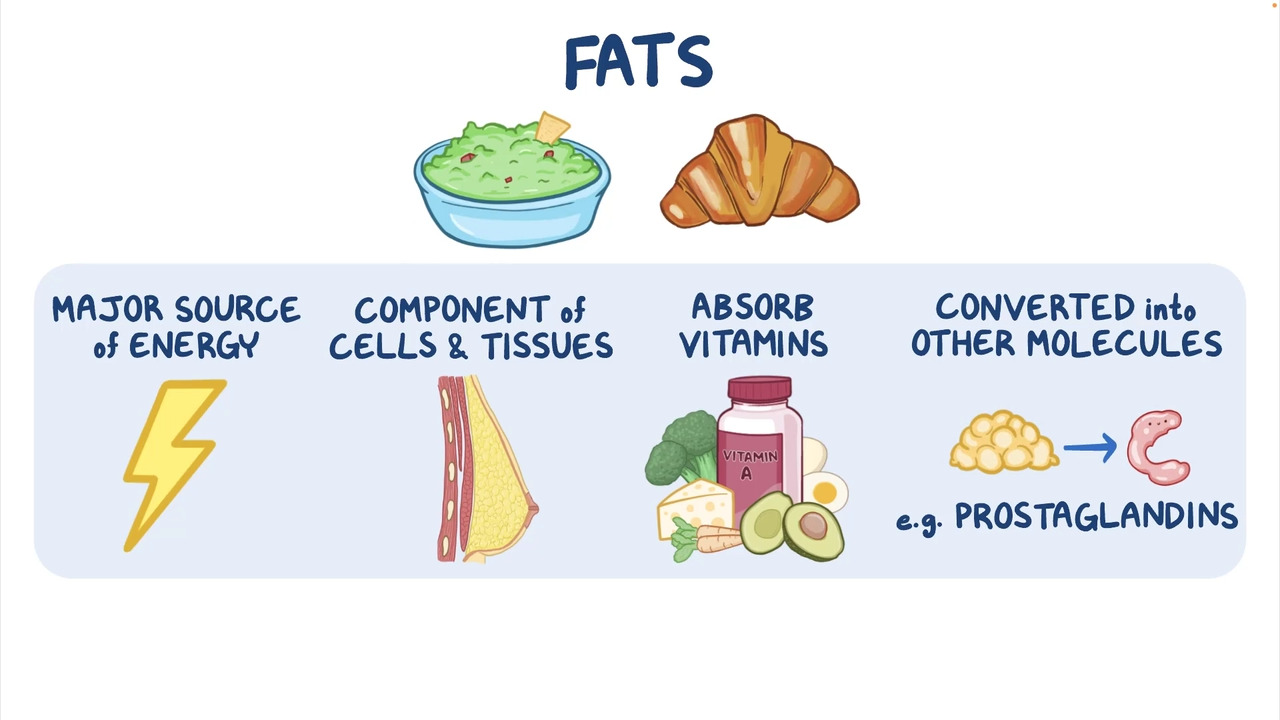
At the core of both lipids and carbohydrates lies the carbon skeleton. This structural similarity is the biological equivalent of a standardized platform in software development; because both molecules are composed primarily of carbon, hydrogen, and oxygen, the body utilizes them through similar oxidative pathways to extract energy.
The Organic Architecture
Both lipids and carbohydrates are classified as organic compounds. This means they share a common structural backbone that facilitates biological interaction. Carbohydrates, typically existing as chains or rings of carbon atoms bonded to hydrogen and oxygen in a 2:1 ratio, and lipids, which feature long hydrocarbon chains, both function as “high-density storage” vehicles for chemical energy.
Energy Storage as a Common Denominator
Perhaps the most significant overlap is their shared role as metabolic fuel. When a cell requires energy, it initiates a series of chemical reactions—such as glycolysis or beta-oxidation—to break these carbon bonds. The energy released from these bonds is captured and converted into adenosine triphosphate (ATP), the universal currency of cellular energy. Whether the source is a carbohydrate (like glucose) or a lipid (like a fatty acid), the metabolic objective remains identical: to provide the energy required for cellular maintenance, physical exertion, and cognitive processing.
Metabolic Integration and Signaling
In the modern digital age, we view the body as a highly complex system akin to hardware running sophisticated software. In this analogy, lipids and carbohydrates are the two primary power sources for the system. Their commonalities extend into how they interact with hormonal signaling—the “system logs” that dictate whether the body is storing data (fat gain) or executing programs (muscle growth and energy utilization).
Insulin Sensitivity and Nutrient Partitioning
Both lipids and carbohydrates play critical roles in modulating insulin sensitivity. When we consume these nutrients, they trigger physiological responses that determine how efficiently the body handles incoming fuel. A core similarity is that both classes of molecules, when consumed in excess of immediate energy needs, can be stored in adipose tissue. The body’s ability to “partition” these nutrients—deciding whether they go to muscle cells for immediate use or to adipose tissue for storage—is a shared challenge in metabolic management.
The Role of Regulatory Feedback Loops
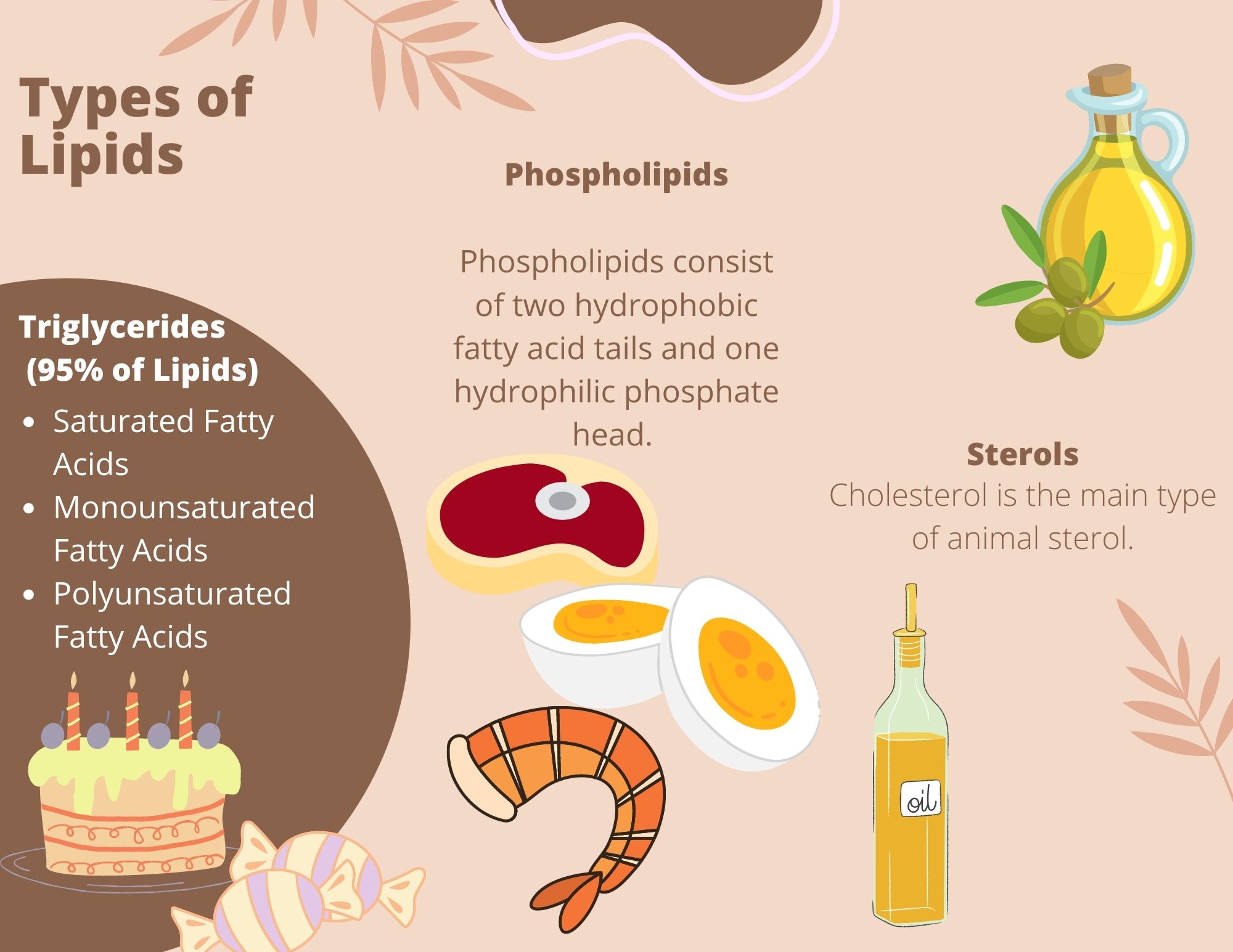
Both macronutrients function as signaling molecules. Carbohydrates interact with glucose transporters (GLUT) to manage systemic blood sugar levels, while lipids serve as the structural foundation for cell membranes and steroid hormones. Without the integration of these two, the “system” of the human body would be unable to regulate its internal environment. They are both essential for maintaining homeostasis, the state where all internal systems are functioning within their optimal parameters.
The Synergy of Fuel in High-Performance Contexts
In high-performance environments—whether in professional sports, competitive gaming, or high-pressure corporate roles—the “fuel mix” is a critical variable. Lipids and carbohydrates are not merely binary options; they are synergistic tools.
The Concept of Metabolic Flexibility
Metabolic flexibility is the ability of an organism to switch between burning carbohydrates and burning lipids as a primary fuel source. This is the ultimate optimization of the human “hardware.” Both nutrients contribute to this flexibility. Individuals who are metabolically healthy can seamlessly transition from the rapid-access energy of carbohydrates during high-intensity bursts to the sustainable, high-yield energy of lipids during endurance tasks.
Cognitive Performance and Resource Allocation
The brain is a metabolically expensive organ. While it primarily relies on glucose, it also requires fatty acids to maintain the integrity of its neural pathways. Lipids are essential for the myelin sheath, the fatty layer that insulates neurons and allows for high-speed signal transmission. Carbohydrates provide the quick-fire energy required for the intense focus needed during deep work or complex problem-solving. In this context, both nutrients are equally vital components of a high-performance mental infrastructure.
Technological Implications for Nutritional Tracking
As we integrate wearable technology into our daily lives, the data we collect on our nutrient intake is changing how we view these two groups. We are no longer guessing; we are measuring. The commonality between lipids and carbohydrates is now a point of interest for data analysts and developers of health-tracking software.
Data-Driven Metabolic Optimization
Modern apps allow us to track the ratio of lipids to carbohydrates in real-time. By observing how these two interact within our specific biology, we can build custom algorithms for our diet. Developers and biohackers alike recognize that tracking lipids and carbohydrates together provides a more holistic view of metabolic health than tracking either in isolation. The commonality lies in the data: both contribute to the net caloric intake and the glycemic and lipidemic response, providing the “big data” necessary for personalized health decisions.
Precision Nutrition and Personalization
The future of nutrition is precision. Understanding that both lipids and carbohydrates are required for energy, hormone synthesis, and structural integrity allows for a more nuanced approach to dieting. Instead of demonizing one or the other, effective strategies leverage the strengths of both. By using tech-enabled tracking, individuals can find the exact “API” of their metabolic needs, ensuring that their intake of lipids and carbohydrates is optimized for their specific objectives—whether that is longevity, fat loss, or cognitive endurance.

Conclusion: Bridging the Gap
While textbooks often separate lipids and carbohydrates into distinct chapters, the reality of human biology is that they are deeply intertwined partners in the maintenance of life. They are both carbon-based energy sources, both essential regulators of homeostasis, and both critical components of a high-performance, data-driven lifestyle.
By recognizing what they have in common, we move past the simplistic and often polarizing nutritional debates of the past. We shift our focus to the functional reality: they are tools to be managed. Whether you are optimizing your diet for longevity or performance, the key is understanding that lipids and carbohydrates are not competing interests. They are, in fact, the two primary resources that keep your biological system running at peak capacity. As we continue to refine our use of health-tech and nutritional data, viewing these two macronutrients as a unified ecosystem of energy and structural support will be the defining trait of the next generation of wellness strategy.
aViewFromTheCave is a participant in the Amazon Services LLC Associates Program, an affiliate advertising program designed to provide a means for sites to earn advertising fees by advertising and linking to Amazon.com. Amazon, the Amazon logo, AmazonSupply, and the AmazonSupply logo are trademarks of Amazon.com, Inc. or its affiliates. As an Amazon Associate we earn affiliate commissions from qualifying purchases.