
The 731 area code serves as a crucial identifier within the vast landscape of the North American Numbering Plan (NANP), specifically designating a geographical region within the state of Tennessee. More than just a simple prefix, an area code is a fundamental component of telecommunications infrastructure, dictating how calls are routed, identifying the origin of a communication, and playing an increasingly vital role in digital security and user experience in an ever-connected world. Understanding its function goes beyond mere geography; it delves into the technical backbone that enables voice communication and how this system adapts to modern digital technologies.

The Foundation of Telecommunication Geography
Area codes, officially known as Numbering Plan Areas (NPAs), are the initial three digits of a ten-digit telephone number in countries participating in the NANP. They were introduced in the mid-20th century to automate long-distance calling, eliminating the need for operator assistance for every connection. Each NPA maps to a specific geographic region, allowing telephone exchanges to route calls efficiently across vast distances. While their initial purpose was purely technical, area codes have evolved to serve broader functions, influencing everything from local commerce to digital trust signals.
Understanding Area Codes in a Digital Age
In today’s digital landscape, where Voice over Internet Protocol (VoIP) and mobile communication dominate, the concept of a fixed geographical area code might seem antiquated. However, NPAs remain surprisingly relevant. For mobile users, an area code often reflects where their service was initially activated, rather than their current physical location. For businesses, selecting an area code can be a strategic decision, establishing a local presence without a physical office. Furthermore, for digital security, knowing an area code can offer clues about the legitimacy of an incoming call, helping users and automated systems discern between known contacts and potential spam or scam attempts. The underlying technology that translates an area code into a routing instruction for a call is complex, involving switches, digital signals, and a sophisticated network of interconnected hardware and software that bridges legacy PSTN with modern IP-based networks.
Historical Context and Evolution of Numbering Plans
The NANP was established in 1947 by AT&T to streamline direct distance dialing (DDD). Initially, larger cities and states were assigned “0” or “1” as the middle digit of their area codes (e.g., 212 for New York City), signifying a high population and thus a larger number of available telephone numbers within that NPA. Smaller, more rural areas received codes with middle digits from “2” to “9.” The 731 area code, with its “3” as the middle digit, reflects its later introduction as a split from a larger area code, indicative of growing population and demand for telephone numbers in its designated region.
The evolution of area codes is a testament to the dynamic nature of telecommunications. As populations grew and new technologies emerged, the original numbering plan faced capacity challenges. This led to strategies like area code splits, where an existing area code is divided into two or more new NPAs, and area code overlays, where a new area code is introduced to the same geographical region as an existing one, requiring ten-digit dialing for all local calls. These adjustments are driven by the finite supply of phone numbers and the ever-increasing demand created by the proliferation of mobile devices, fax machines, and various digital communication services.
Pinpointing the 731 Area Code: A Geographical and Technical Overview
The 731 area code was established on September 1, 2001, as a split from the 901 area code, which historically covered the entire western third of Tennessee. This split was necessitated by the rapid growth of telephone lines and mobile device usage, exhausting the available numbers within the 901 NPA. The creation of 731 allowed for the allocation of millions of new numbers to meet the region’s expanding communication needs.
Key Cities and Counties Served by 731
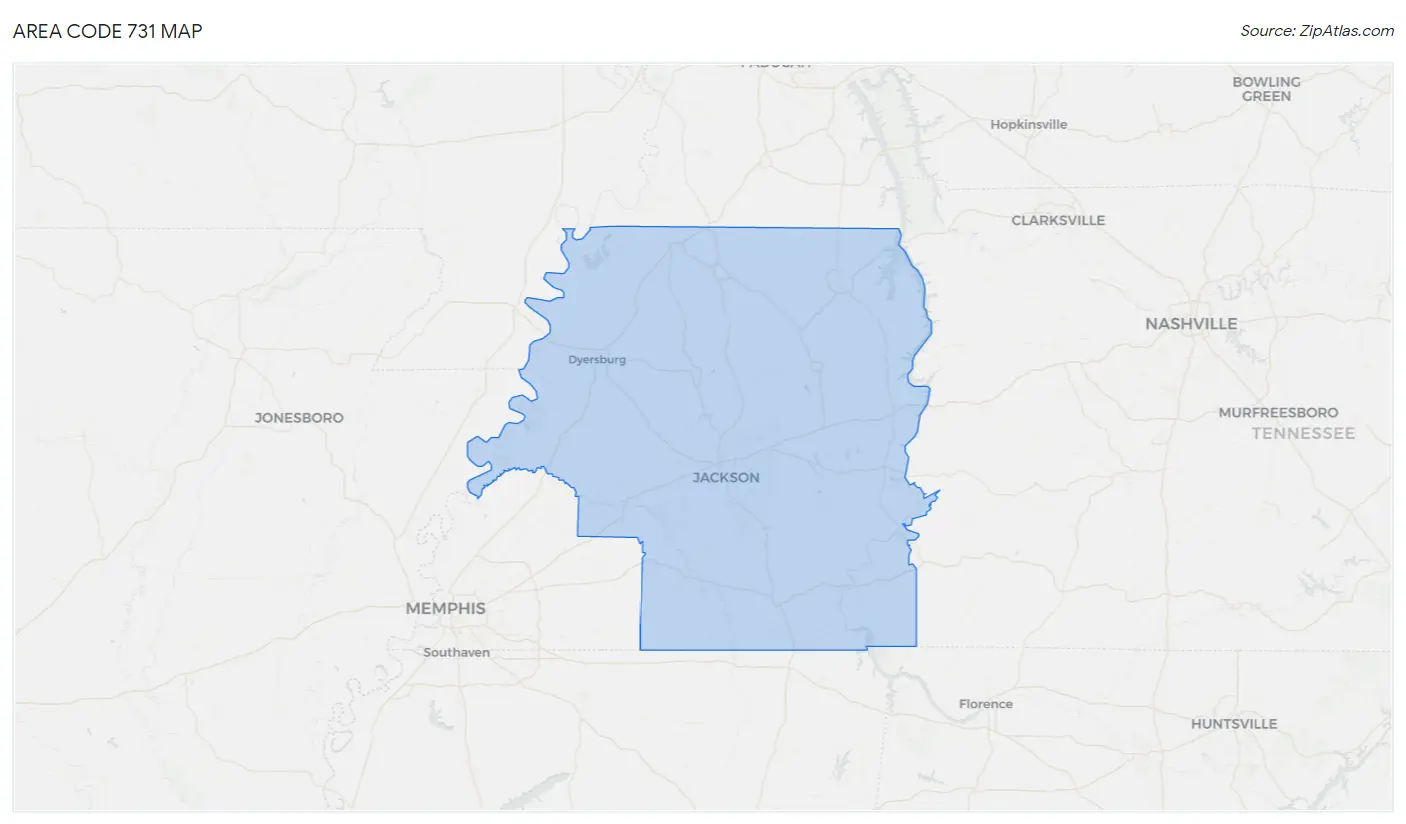
The 731 area code specifically serves the western portion of Tennessee, excluding the immediate Memphis metropolitan area, which retained the 901 area code. It encompasses a broad range of counties and cities, acting as a crucial regional identifier for communications.
Major cities and towns within the 731 area code include:
- Jackson: The largest city within the 731 area, serving as a significant economic and cultural hub for West Tennessee.
- Dyersburg: A prominent city in the northwestern part of the region.
- Union City: Located near the Kentucky border.
- Martin: Home to the University of Tennessee at Martin.
- Savannah: Situated along the Tennessee River.
In addition to these cities, the 731 area code covers numerous smaller towns and rural communities across counties such as Madison, Gibson, Crockett, Dyer, Carroll, Chester, Hardeman, Haywood, Henderson, Henry, Lake, Lauderdale, McNairy, Obion, Tipton, and Weakley. This wide coverage makes 731 a definitive digital footprint for much of West Tennessee, outside of its largest urban center.
The Role of NPAs in Network Routing
Technically, when a user dials a ten-digit number, the telecommunications network first analyzes the area code (NPA) to determine the general geographical region or service area of the recipient. This information is critical for directing the call to the appropriate tandem office or switch that serves that NPA. From there, the subsequent three digits (the exchange code or NXX) further narrow down the destination to a specific local exchange, and finally, the last four digits (the line number) identify the specific subscriber line within that exchange. This hierarchical routing system, though appearing seamless to the end-user, involves sophisticated hardware and software communicating across vast distances, ensuring calls are connected with minimal delay. In the context of VoIP, while calls are routed over the internet, the initial identification of the area code still plays a role in determining local calling rates, emergency service routing (E911), and maintaining a semblance of geographical identity for the service.
Modern Implications for Users and Businesses
The persistence and utility of area codes in an era of global connectivity highlight their adaptability. For both individuals and enterprises, understanding and leveraging area codes extends beyond simply knowing a number’s origin; it impacts digital security, marketing strategies, and the efficient management of communication flows.
Digital Security and Caller ID
In an age rife with spam calls, robocalls, and sophisticated phishing attempts, caller ID has become a primary defense mechanism. The area code displayed on an incoming call often provides the first clue about the caller’s identity or legitimacy. Users frequently screen calls based on unfamiliar area codes or those known to be associated with telemarketing or scams. Many smartphones and third-party apps now incorporate features that analyze area codes, along with other caller ID data, to flag suspicious calls. For instance, an unexpected call from the 731 area code for someone living on the opposite side of the country might immediately raise a red flag. This reliance on area codes for initial trust assessment underscores their continued importance in digital security protocols and personal call management strategies.
VoIP and Geographical Identifiers
VoIP services fundamentally change how phone calls are transmitted, converting voice into digital packets sent over the internet. Despite this technological shift, VoIP providers still assign traditional area codes to numbers. This allows VoIP users to maintain a local presence, whether for personal convenience or business operations. A business can, for example, acquire a 731 number even if its physical headquarters are elsewhere, creating a virtual local office for customers in West Tennessee. This strategic use of area codes by VoIP platforms blurs geographical lines while retaining the conventional framework of phone numbering, supporting local marketing efforts and customer accessibility without the need for physical infrastructure in every region.
Managing Unwanted Calls: Tools and Strategies
The challenge of unwanted calls has spurred the development of numerous technological tools and personal strategies. Apps like Nomorobo, Truecaller, and Hiya utilize extensive databases of known spam numbers, often categorized by area code, to block or warn users about suspicious calls. Call blocking features built into modern smartphones also allow users to block entire area codes, or specific numbers within them. For recipients in the 731 area code, this means they can leverage such tools to filter out nuisance calls, enhancing their communication privacy and reducing interruptions. Effective management involves not just blocking but also reporting unwanted calls to relevant authorities, contributing to a broader effort to combat telephone fraud and harassment.
The Future of Area Codes in an Interconnected World
As communication technologies continue to evolve, the role of area codes is also transforming. While the fundamental structure of the NANP remains, the pressures of number exhaustion and the rise of IP-based communication are leading to innovative solutions and a re-evaluation of what a “phone number” truly represents.
Overlays and the Growing Demand for Numbers
The primary challenge facing the NANP is the finite supply of ten-digit numbers. Area code splits, like the one that created 731, provide temporary relief but eventually lead to further exhaustion. The more common solution now is the area code overlay, where a new area code is introduced into the same geographic region as an existing one. This means residents and businesses in an overlay area can have numbers from either area code, but all calls, even local ones, require ten-digit dialing. While the 731 area code has not yet been subject to an overlay, the increasing demand for numbers in populated areas suggests that such changes are an inevitable part of the future of telecommunications, including in West Tennessee. These overlays simplify number assignment but require users to adapt to new dialing habits.
Beyond Traditional Telephony: The Internet’s Influence
The internet’s pervasive influence means that communication is increasingly happening through data-driven applications rather than traditional circuit-switched telephone networks. Messaging apps, video conferencing platforms, and social media offer alternatives to voice calls, often without the need for a traditional phone number tied to an area code. However, the phone number, and by extension the area code, still serves as a critical digital identity for account verification, two-factor authentication, and a fallback for direct voice communication. As digital identities become more complex, area codes might transition from being purely geographical identifiers to more nuanced digital anchors, linking individuals and entities to a specific digital presence within a broader online ecosystem, even if the actual voice traffic flows entirely over IP. The 731 area code, like all others, will continue to play a foundational role in this evolving technological landscape, adapting its function to meet the demands of future communication paradigms.
aViewFromTheCave is a participant in the Amazon Services LLC Associates Program, an affiliate advertising program designed to provide a means for sites to earn advertising fees by advertising and linking to Amazon.com. Amazon, the Amazon logo, AmazonSupply, and the AmazonSupply logo are trademarks of Amazon.com, Inc. or its affiliates. As an Amazon Associate we earn affiliate commissions from qualifying purchases.