
A lip injection, at its core, represents a financial transaction for a cosmetic enhancement, a service within a burgeoning aesthetic market. While often discussed in terms of its aesthetic outcomes, understanding “what it is” from a financial perspective is crucial for anyone considering this elective procedure. It is not merely a product or a procedure, but a significant discretionary expenditure that involves multiple cost components, demands careful budgeting, and often triggers a personal evaluation of return on investment. As the aesthetic industry continues its rapid growth, navigating the financial landscape of procedures like lip injections becomes an increasingly pertinent aspect of personal finance and consumer decision-making.
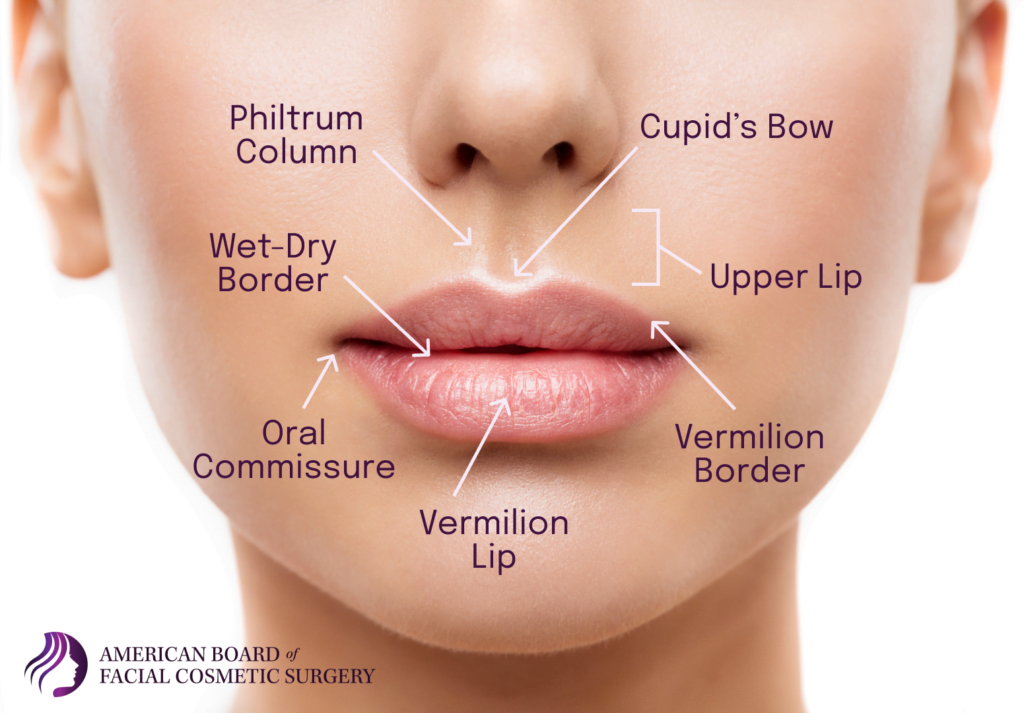
Understanding the Financial Landscape of Lip Injections
The decision to undergo a lip injection extends far beyond the desire for fuller lips; it is a commitment of capital within a specialized sector of the beauty and medical industry. This sector, characterized by its reliance on consumer demand for aesthetic improvements, operates with distinct financial mechanisms. The global market for dermal fillers, of which lip injections are a significant segment, is valued in billions and continues to expand, driven by technological advancements, increased accessibility, and shifting societal perceptions of beauty. For the individual, understanding this broader economic context helps frame the expenditure not as an isolated cost, but as participation in a dynamic and financially robust industry.
From a consumer standpoint, a lip injection is a purchase of a medical-grade service involving specific materials and professional expertise. Unlike essential medical treatments, these procedures are typically elective, meaning they are not covered by conventional health insurance. This places the full financial burden and decision-making on the individual, necessitating a thorough comprehension of all associated costs and the value proposition. It highlights the importance of treating such a decision with the same financial diligence applied to other significant discretionary purchases, whether it be a luxury item, an experience, or a personal development course.
The Cost Components: What You’re Really Paying For
The advertised price for a lip injection is rarely a simple sum. It’s a bundled cost reflecting a multitude of factors, each contributing to the final outlay. Deconstructing these components reveals the true nature of the investment and aids in making an informed financial decision.
The Dermal Filler Product
The most direct cost associated with a lip injection is the dermal filler itself. The vast majority of lip fillers are composed of hyaluronic acid (HA), a naturally occurring substance in the body. However, not all HA fillers are created equal, and their brands and specific formulations vary significantly. Products like Juvéderm, Restylane, and Belotero are prominent examples, each with proprietary characteristics, differing levels of longevity, and distinct price points. The cost is typically calculated per syringe, with most lip augmentations requiring one to two syringes for the desired effect. Premium brands or newer formulations often come at a higher price, reflecting research and development investments and perceived market value. Understanding the specific product being used is critical, as it directly impacts both the initial expenditure and the duration of the aesthetic result, influencing future maintenance costs.
Practitioner’s Expertise and Fees
A significant portion of the cost covers the professional fees of the injector. This payment reflects the practitioner’s qualifications, experience, and reputation. Board-certified dermatologists, plastic surgeons, and highly trained nurse injectors command higher fees due to their extensive medical education, specialized training in facial anatomy, injection techniques, and commitment to patient safety and aesthetic outcomes. Paying for expertise minimizes risks and maximizes the likelihood of satisfactory results, which can save money in the long run by avoiding costly corrective procedures. Conversely, clinics offering unusually low prices may employ less experienced staff or operate with different standards, a financial risk that potential patients must weigh carefully.
Clinic Overhead and Location
The operational costs of the clinic are inevitably factored into the procedure’s price. These overheads include rent for the facility, staff salaries (receptionists, nurses, assistants), medical supplies, insurance, sterilization equipment, and adherence to regulatory standards. The geographical location of the clinic plays a substantial role; practices in prime urban areas or affluent neighborhoods typically have higher operating costs, which are then reflected in their pricing structure. High-end clinics offering luxurious environments and personalized service also have higher overheads compared to more modest or high-volume med-spas.
Consultation and Follow-up
Some clinics incorporate the cost of an initial consultation and post-procedure follow-up visits into the overall fee, while others charge for these appointments separately. The consultation is a crucial stage where the patient’s goals are discussed, suitability for the procedure is assessed, and a treatment plan is formulated. Follow-up appointments are vital for monitoring results, addressing any concerns, and planning potential touch-ups. Understanding whether these elements are included in the initial quote is important for accurate financial planning.
Ancillary Costs
Beyond the core components, there can be additional or “ancillary” costs. These might include topical anesthetics for pain management, which some clinics charge for, or, in rare cases, the cost of hyaluronidase—an enzyme used to dissolve HA fillers if a complication arises or the patient is dissatisfied with the results. Travel expenses, if seeking a highly specialized practitioner in a different city, also contribute to the overall financial outlay. Furthermore, ongoing maintenance in the form of touch-up injections, typically required every 6-12 months as the filler naturally degrades, represents a recurring financial commitment.
Is a Lip Injection a Personal Investment?
The concept of “investment” is usually applied to assets that appreciate or generate financial returns. Lip injections, being temporary cosmetic enhancements, do not fit this traditional definition. However, many individuals perceive them as a “personal investment” due to their potential impact on self-perception and social capital.
Enhancing Self-Esteem and Confidence
For many, the primary driver for a lip injection is to address perceived imperfections and enhance self-esteem. A boost in confidence can have wide-ranging positive effects on an individual’s life, potentially improving social interactions, professional assertiveness, and overall mental well-being. While these are intangible benefits, increased confidence can indirectly influence financial outcomes by improving networking opportunities, performance in job interviews, or overall career progression. From this perspective, the financial outlay is seen as an investment in personal happiness and psychological well-being.
Social and Professional Perceptions
In certain social circles or professional environments, particularly those where personal appearance is highly valued (e.g., public-facing roles, entertainment, fashion), maintaining a polished aesthetic can be seen as an investment in one’s personal brand equity. A well-groomed and confident appearance might open doors or foster perceptions of professionalism and attention to detail. However, this is a highly subjective and context-dependent “return,” and its direct financial impact is difficult to quantify and varies greatly among individuals and industries.
The Depreciation Factor
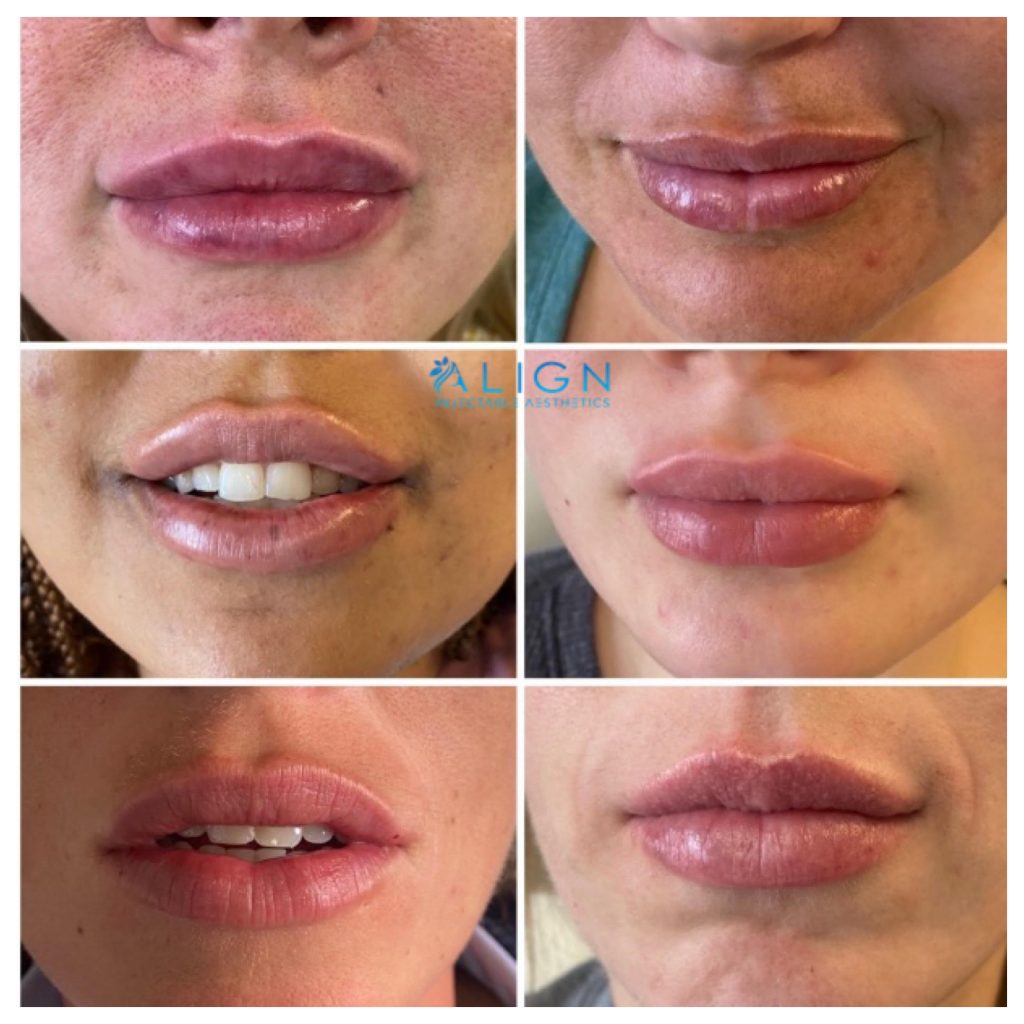
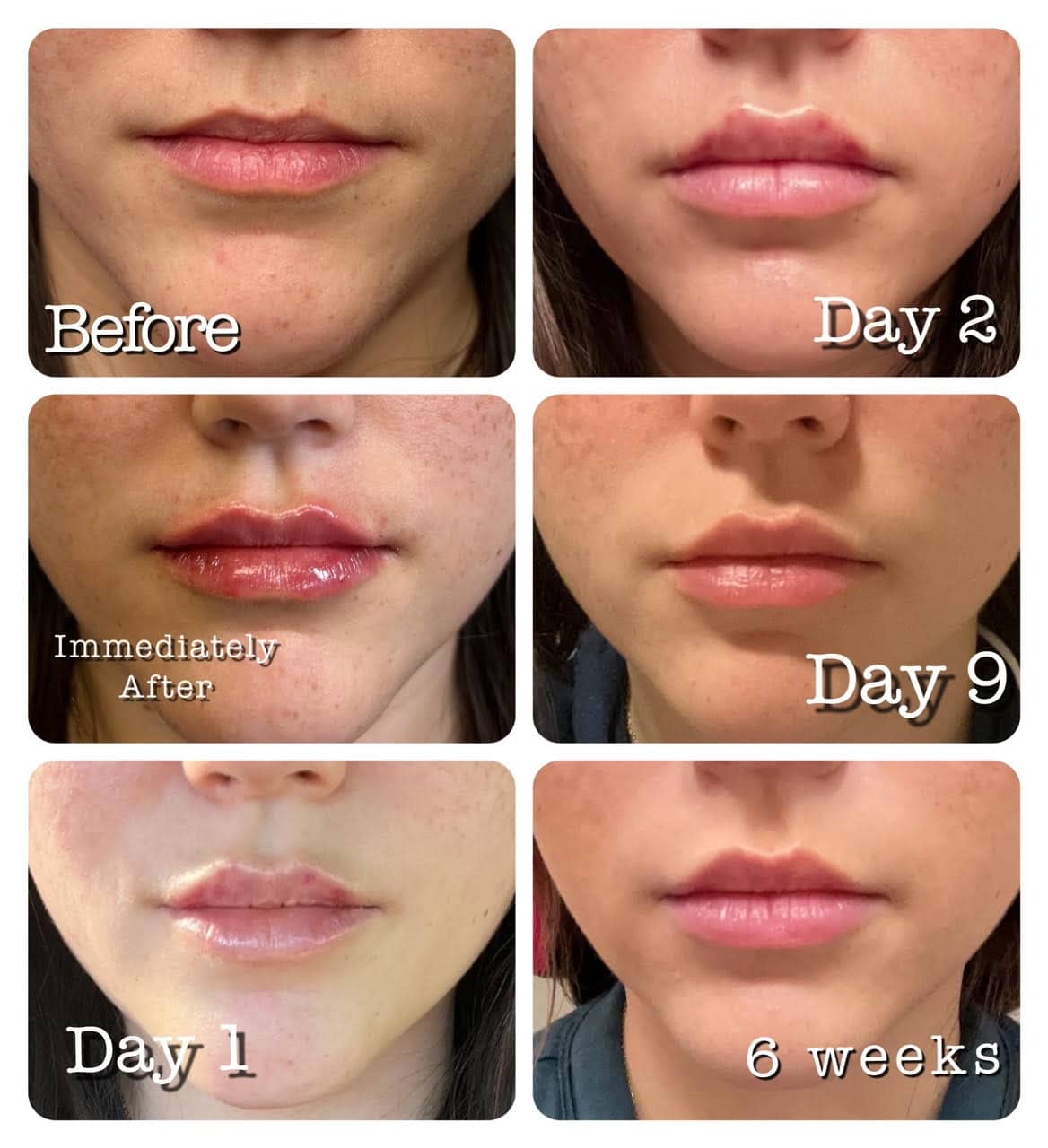
Unlike financial investments that aim for appreciation, lip injections are a depreciating asset. The effects of dermal fillers are temporary, meaning the “asset” (the enhanced lips) gradually diminishes over time. To maintain the desired look, repeated injections are necessary, transforming the initial cost into a recurring expense. This ongoing financial commitment fundamentally distinguishes cosmetic procedures from traditional investments, which often aim for long-term growth or passive income. The financial analysis must therefore account for a continuous outflow of funds rather than a one-time capital allocation.
Opportunity Cost
Considering a lip injection as a personal investment also necessitates evaluating its opportunity cost. Every dollar spent on an elective cosmetic procedure is a dollar that cannot be used for other financial goals, such as saving for a down payment on a home, contributing to a retirement fund, investing in education, or building an emergency savings account. Understanding this trade-off is critical for sound personal financial management, ensuring that aesthetic desires align with broader financial priorities and long-term security.
Budgeting and Financing Your Aesthetic Goals
Given that lip injections are an elective and often recurring expense, careful budgeting and thoughtful financing strategies are paramount. Approaching this decision with a sound financial plan ensures that aesthetic goals are pursued responsibly without compromising financial stability.
Researching and Comparing Costs
Before committing to a procedure, it is essential to research multiple providers and obtain detailed quotes. Prices can vary significantly based on location, practitioner’s experience, and the type of filler used. Consumers should inquire about what is included in the quoted price, such as consultation fees, follow-up appointments, and any potential ancillary costs. Being wary of unusually low prices is advisable, as they might indicate less experienced injectors or the use of sub-standard products, which could lead to dissatisfaction or costly complications in the long run.
Setting a Realistic Budget
A comprehensive budget for lip injections should extend beyond the initial procedure. It must account for potential touch-ups and the ongoing maintenance required every 6 to 12 months to preserve the desired effect. This means calculating the annual cost of the procedure and integrating it into one’s personal budget as a discretionary expense. Factor in the cost of time off work, travel, and any post-procedure care products.
Payment Options
Several payment methods are typically available for cosmetic procedures. Upfront cash payment is often the most straightforward, avoiding interest charges. Credit cards are a common option, but individuals must be mindful of high-interest rates if the balance is not paid off quickly. Some clinics partner with third-party medical financing companies that offer specialized payment plans, often with deferred interest periods or fixed monthly installments. While these can make the procedure more accessible, it is crucial to thoroughly review the terms and conditions, including interest rates and repayment schedules, to ensure they align with one’s financial capacity.
Savings Strategies
The most financially prudent approach is to save up for the procedure rather than incurring debt. Treating lip injections as a discretionary purchase allows individuals to allocate funds over time, similar to saving for a vacation or a new gadget. This can involve setting aside a specific amount each month into a dedicated savings account. This strategy eliminates interest payments and reinforces healthy financial habits.
Insurance Coverage (or lack thereof)
It is a critical financial consideration that cosmetic procedures like lip injections are almost universally not covered by health insurance. As they are considered elective enhancements rather than medically necessary treatments, individuals are responsible for 100% of the cost. This reinforces the need for robust personal financial planning and budgeting specifically for these expenses.
The Economic Impact and Market Trends
The lip injection market is a microcosm of the broader non-surgical aesthetics industry, influenced by economic factors, consumer trends, and technological advancements. Understanding these dynamics provides a macro-financial perspective on the procedure.
Market Growth and Demand
The demand for non-surgical aesthetic procedures, including lip injections, has soared globally. This growth is driven by several factors: increasing awareness, improved safety profiles of products, less invasive techniques compared to surgery, and a growing acceptance of cosmetic enhancements. This high demand fuels innovation in filler products and increases competition among providers, potentially leading to more competitive pricing in some markets, though premium services continue to command higher prices.
Pricing Strategies
Clinics employ various pricing strategies based on their market positioning. Some aim for a luxury clientele, offering bespoke services and exclusive products at premium rates. Others target a broader market with more competitive pricing, often through package deals or loyalty programs for repeat clients. Understanding a clinic’s pricing strategy can help consumers align their budget with their desired service level. Promotions, seasonal discounts, and bundled services are also common marketing tools that can impact the overall cost to the consumer.
Influence of Social Media and Celebrity Culture
The proliferation of social media platforms and the pervasive influence of celebrity culture have profoundly impacted the demand for cosmetic procedures. Visual platforms normalize and often idealize enhanced appearances, driving individuals to seek similar results. This cultural shift creates a consistent demand, indirectly supporting the pricing structures within the industry and encouraging continuous innovation in products and techniques. The perceived “value” of a lip injection is often amplified by these cultural phenomena, influencing willingness to pay.
Regulation and Safety
Regulatory frameworks governing dermal fillers and practitioner qualifications also have financial implications. Stringent regulations, such as those imposed by the FDA in the United States, ensure product safety and efficacy, but the rigorous testing and approval processes can contribute to the higher cost of approved fillers. Similarly, licensing and certification requirements for practitioners ensure a minimum standard of care, but the cost of extensive training and insurance for these professionals is ultimately reflected in their fees. These regulatory aspects are essential for consumer safety but also contribute to the economic structure of the lip injection market.
aViewFromTheCave is a participant in the Amazon Services LLC Associates Program, an affiliate advertising program designed to provide a means for sites to earn advertising fees by advertising and linking to Amazon.com. Amazon, the Amazon logo, AmazonSupply, and the AmazonSupply logo are trademarks of Amazon.com, Inc. or its affiliates. As an Amazon Associate we earn affiliate commissions from qualifying purchases.