
The world of eyewear is a fascinating intersection of optical precision, fashion design, and structural engineering. For the average consumer, selecting a pair of glasses often feels like a purely aesthetic choice—you pick the shape and color that best suits your face. However, behind the temple of every well-made frame lies a series of numerical codes that tell a story of proportion, fit, and design intent. Understanding these numbers is not just a lesson in technical literacy; it is a fundamental aspect of brand strategy for optical retailers and a critical component of consumer satisfaction in the design industry.
The Anatomy of a Frame: Decoding the Numerical Sequence
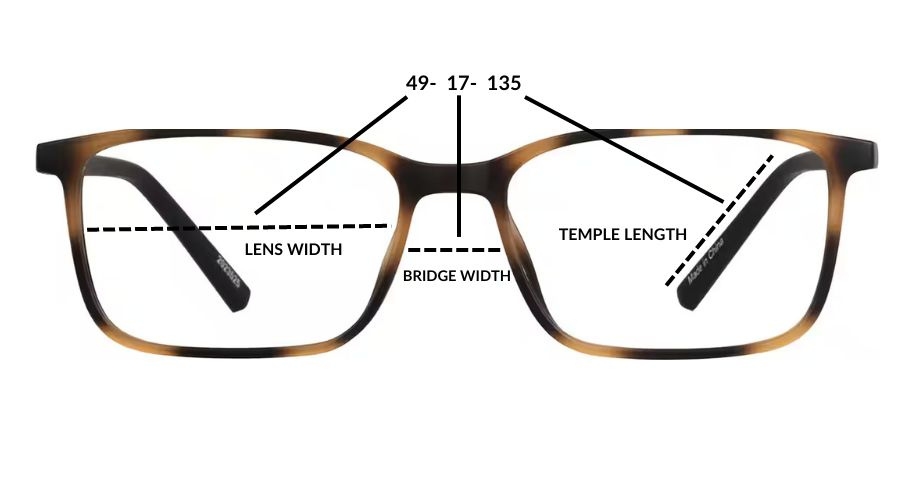
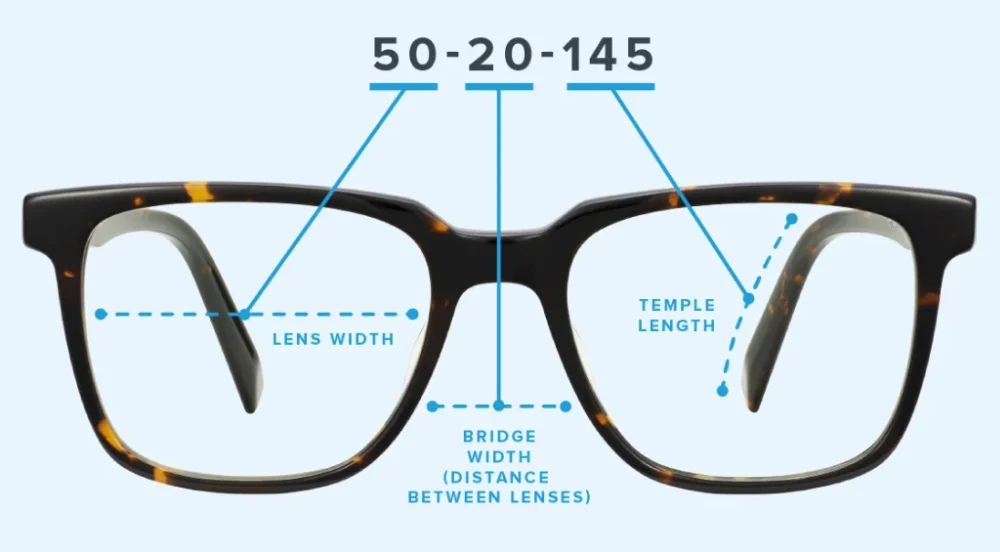
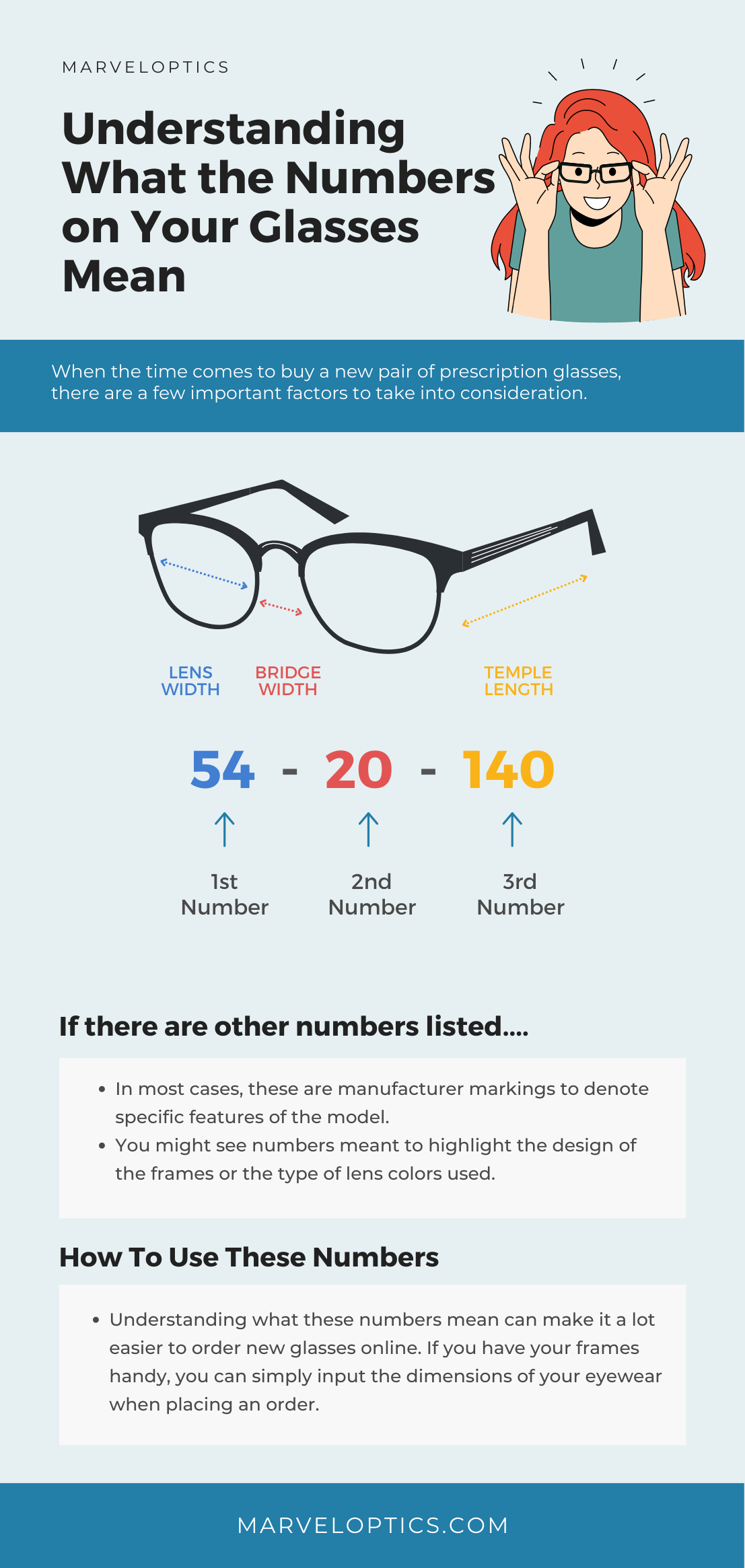
When you look at the inside temple arm of your eyeglasses, you will typically find a sequence of numbers, often separated by dashes or squares. A standard sequence might look like “52-18-140.” These figures are not arbitrary serial numbers; they are the architectural blueprints of your eyewear.
The Lens Width: The First Metric
The first number, such as 52, represents the lens width in millimeters. This measurement is taken horizontally across the widest part of the lens. From a design and branding perspective, this is the most critical factor in determining how a frame interacts with the wearer’s facial geometry. A brand that specializes in oversized, bold statement pieces will prioritize larger lens widths, whereas a brand focusing on minimalism or high-prescription efficiency will often opt for narrower widths to reduce edge thickness.
The Bridge Width: The Centerpoint of Comfort
The middle number, for example 18, is the bridge width—the distance between the two lenses. This is arguably the most vital measurement for both comfort and aesthetic balance. If the bridge is too wide, the glasses will constantly slide down the nose; if it is too narrow, the frame will pinch the bridge of the nose, causing discomfort and red marks. In the luxury eyewear market, the bridge design is a core element of the brand identity, often featuring intricate engravings or unique materials that distinguish a high-end product from a mass-market alternative.
The Temple Length: The Final Anchor
The final number, 140 in our example, denotes the temple length in millimeters. This is the length of the arm that extends from the hinge to the tip of the ear hook. This number is essential for ensuring that the frame stays securely anchored. A proper temple length prevents the “slippage” that plagues inferior eyewear designs. When a brand fails to offer a range of temple lengths, they are effectively ignoring the diverse anatomical needs of their user base, which can severely damage customer trust and brand loyalty.
Brand Identity Through Technical Precision
In the competitive landscape of the optical industry, technical accuracy serves as a silent brand ambassador. When a consumer discovers that their frames fit perfectly because the brand adhered to these standardized measurements, it reinforces the perception of quality and reliability.
Standardized Sizing vs. Bespoke Craftsmanship
Global eyewear manufacturers rely on these numbers to maintain consistency across vast production lines. However, top-tier design houses often utilize these measurements as a starting point for bespoke adjustments. A brand that publishes its full technical specifications is signaling transparency and professional competence. By making these numbers legible and standardized, companies are essentially practicing “design-first” marketing. They are educating the consumer on why their specific product is superior, not just because of the logo on the temple, but because of the mathematical integrity of the structure.
The Role of Ergonomics in Design
A brand’s commitment to ergonomics—the study of people’s efficiency in their working environment—is reflected in how they handle these measurements. Modern eyewear design is increasingly focusing on “fit technology.” Brands that invest in proprietary software to help users calculate their ideal frame size based on these three core numbers are positioning themselves as leaders in the digital consumer experience. This is a powerful brand strategy: by solving the problem of “will these fit me?” before the point of purchase, the company reduces return rates and increases lifetime customer value.
The Consumer Psychology of Frame Selection
The numbers on your glasses are more than just technical specs; they represent a “fit promise.” When a customer understands what these numbers mean, they transition from a passive shopper to an informed consumer. This shift in knowledge empowers the consumer to demand higher quality from the brands they choose.
Reducing Cognitive Load
One of the greatest challenges in the retail of eyewear is the “paradox of choice.” With thousands of frame styles available, consumers often suffer from decision paralysis. By emphasizing the importance of these numbers, brands can guide customers toward a specific “size profile.” Once a consumer knows their ideal dimensions (e.g., 50-19-145), the vast sea of choices is narrowed down to only those frames that will actually function as intended. This process streamlines the customer journey, making the shopping experience more efficient and satisfying.
Building Trust Through Technical Transparency
Transparency is the new currency in branding. When a company clearly explains what frame numbers mean in their marketing copy or on their website, they are effectively teaching their customers how to shop better. This educational approach builds authority. A customer is far more likely to return to a brand that took the time to explain the difference between a 140mm and a 145mm temple length than one that simply displays product images without context. By positioning the brand as an expert educator, the company fosters deep, long-term relationships with its audience.
Future Trends in Eyewear Specification
As we look toward the future, the integration of technology and design is set to redefine how we interact with these numbers. The move toward augmented reality (AR) fitting tools and 3D-printed custom eyewear is shifting the focus from “what is currently available” to “what can be made to fit perfectly.”
The Move Toward Data-Driven Design
We are currently witnessing a shift where eyewear brands are utilizing consumer data to inform future collections. By analyzing which sizes sell best in specific demographics, companies can refine their production runs to reduce waste and optimize inventory. This is the intersection of smart brand strategy and efficient business operations. The “frame number” is no longer just a static measurement stamped on a piece of plastic; it is a data point that informs the future of the product line.
Personalization at Scale
The holy grail for any eyewear brand today is personalization. Imagine a future where a customer takes a facial scan, and the software automatically adjusts the frame design to hit the perfect bridge, lens, and temple measurements. In this scenario, the traditional frame numbers become custom variables rather than fixed constraints. Brands that master this level of customization will distinguish themselves as the elite players in the industry. It transforms the glasses from a mass-produced accessory into a highly personalized tool tailored specifically to the individual.
In conclusion, the small, unassuming numbers found on the inside of your eyeglass frames are the silent sentinels of quality and comfort. For the consumer, they are the key to finding the perfect fit. For the brand, they are the foundation of trust, professional credibility, and design excellence. By mastering the language of these numbers, both the buyer and the brand engage in a more sophisticated, transparent, and rewarding optical experience. Whether you are building a brand or simply trying to find a new pair of spectacles, these digits remain the universal language of precision in the world of eyewear.
aViewFromTheCave is a participant in the Amazon Services LLC Associates Program, an affiliate advertising program designed to provide a means for sites to earn advertising fees by advertising and linking to Amazon.com. Amazon, the Amazon logo, AmazonSupply, and the AmazonSupply logo are trademarks of Amazon.com, Inc. or its affiliates. As an Amazon Associate we earn affiliate commissions from qualifying purchases.