
The world of geocaching is a fascinating blend of outdoor adventure and cutting-edge technology, transforming ordinary landscapes into a global treasure hunt. At its heart, this tech-driven pursuit leverages GPS devices and online platforms to guide participants to hidden containers, known as geocaches. Within this intricate ecosystem exists a unique digital-physical hybrid: the geocache hitchhiker. More formally known as a “trackable,” or often by proprietary names like “Travel Bug” (a registered trademark of Groundspeak, Inc., the creators of geocaching.com) or “Geocoin,” these items are not merely trinkets left in a cache. They are physical objects imbued with a digital identity, designed to travel from cache to cache, their journeys meticulously logged and tracked across the internet. Understanding the geocache hitchhiker means delving into the technological framework that underpins its existence and movement, highlighting the seamless integration of tangible items with expansive digital networks.

The Digital Journey of a Tangible Asset
At its core, a geocache hitchhiker represents a fascinating intersection of the physical and digital realms. It’s a tangible item whose primary purpose is to generate a digital narrative, meticulously recorded and shared through global online platforms. This concept thrives on the synergy between physical interaction and sophisticated digital tracking technologies.
Decoding the Geocaching Phenomenon
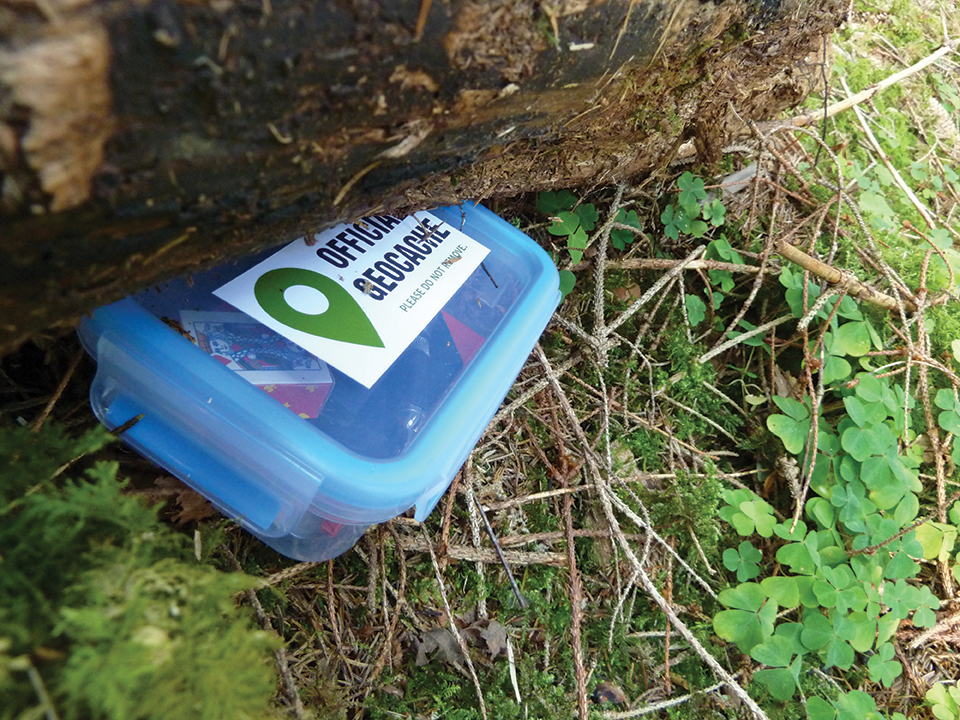
Geocaching itself is a prime example of technology enhancing traditional outdoor exploration. Participants utilize GPS-enabled devices—ranging from dedicated handheld units to ubiquitous smartphones running specialized apps—to navigate to specific geographical coordinates. At these locations, they seek out hidden containers, which can vary wildly in size, shape, and camouflage. The entire experience, from finding the cache to logging the discovery, is mediated by technology. Players mark their presence physically in a logbook within the cache and digitally on an online platform, often sharing stories, photos, and insights about their find. This continuous feedback loop of physical interaction and digital logging sets the stage for the trackable.
Introducing the Trackable
A geocache hitchhiker, or trackable, is a physical item, often a dog tag, coin, or custom-made object, that carries a unique, engraved or printed alphanumeric tracking code. This code is its digital fingerprint, linking the physical object to a dedicated profile page on a geocaching website, primarily geocaching.com. Unlike simple “swag” left behind in a cache, a trackable is not meant to be kept. Its purpose is to move. Each trackable has an owner who initiates its journey, often imbuing it with a specific mission—to travel to a certain country, visit all national parks, or simply accumulate as many miles as possible. When a geocacher finds a trackable, they log their interaction online, either indicating they have “grabbed” it to move it to another cache or merely “discovered” it (seen it but left it in place). This action updates the trackable’s online travelogue, charting its progress across continents and through countless hands.
The Core Mechanism: Physical Movement, Digital Tracking
The genius of the trackable lies in its simple yet robust mechanism: physical displacement paired with digital affirmation. A geocacher finds a trackable in a cache, takes it, and then, using their smartphone app or a computer, logs the “grab.” This action updates the trackable’s status from “in cache X” to “in possession of Cacher Y.” When Cacher Y places the trackable in a new cache, they perform a “drop” log, updating its location to “in cache Z.” This seemingly straightforward process generates a rich dataset: a chronological record of every move, every cacher who has interacted with it, and often, personal messages or photos left by those who have helped it on its journey. The allure is not just in moving the item, but in contributing to its evolving digital story, watching its progress, and knowing your actions have contributed to its virtual odyssey.
Technology Behind the Tracking
The functionality of geocache hitchhikers is entirely predicated on a sophisticated technological infrastructure that manages unique identifiers, geographical data, and user interactions on a global scale. This intricate web ensures that a small physical object can maintain a vibrant, trackable digital footprint across vast distances.
GPS Integration
The foundational technology enabling trackables, and geocaching as a whole, is the Global Positioning System (GPS). Geocachers rely on GPS signals, whether from dedicated handheld units or integrated into smartphones, to accurately pinpoint the location of geocaches. This precision is crucial for finding the physical containers where trackables reside. Without GPS, the decentralized nature of geocaching would be impossible, as players would lack the precise coordinates needed to locate caches and, consequently, move trackables. The coordinates assigned to each geocache serve as the digital anchor points for a trackable’s journey, defining the start and end points of each leg of its physical travel.
Dedicated Platforms and Apps
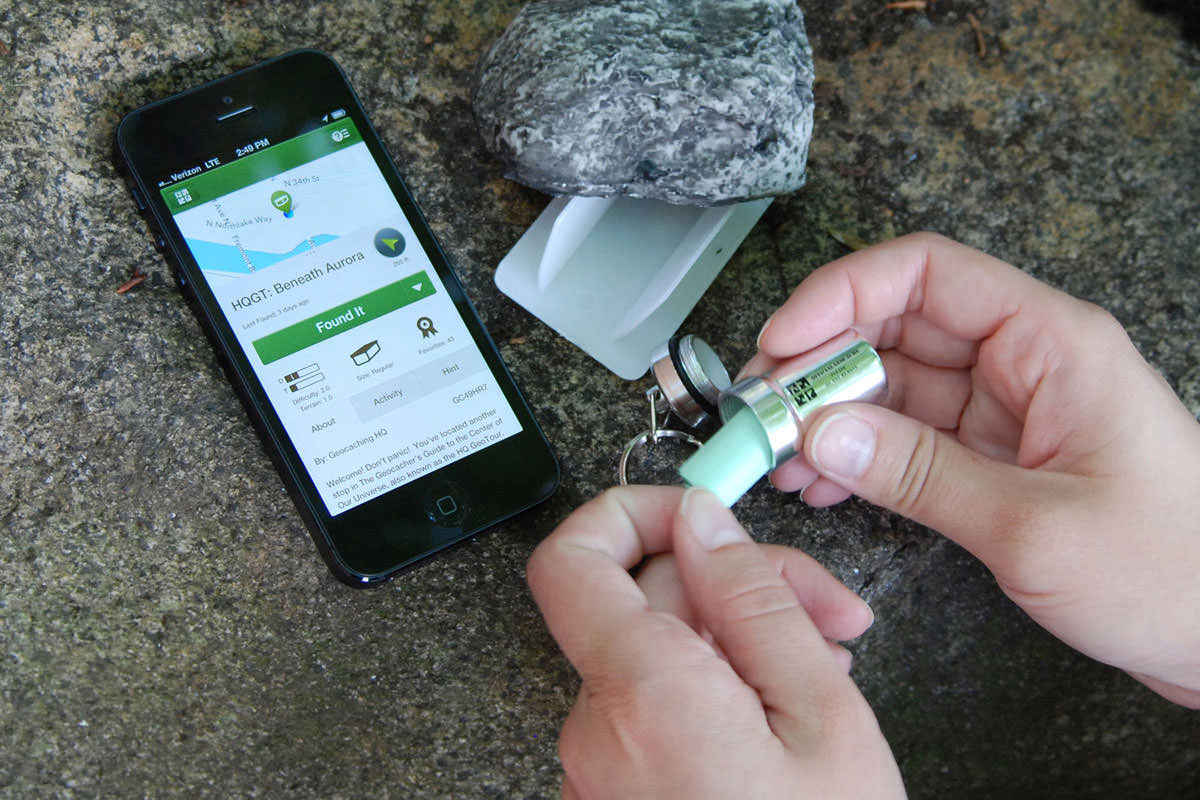
The digital life of a trackable primarily resides on geocaching.com and its associated mobile applications, along with various third-party apps that interface with the platform’s API. These platforms serve as the central repository for all trackable data. Each trackable has its own unique web page, which displays its current known location, its owner, its mission, its complete travel history (including maps and statistics on distance traveled), and messages from previous handlers. The mobile apps are particularly critical, providing a user-friendly interface for logging trackable interactions in the field. Users can instantly “grab,” “discover,” or “drop” a trackable directly from their phone, ensuring near real-time updates to its digital profile and allowing for dynamic tracking of its whereabouts. These platforms are engineered for scalability, handling millions of trackables and countless daily interactions from a global user base.
Unique Tracking Codes (UIDs)
The lynchpin of the entire trackable system is the unique tracking code. Each geocoin or Travel Bug is manufactured with a distinct alphanumeric code, similar to a serial number. This code is permanently associated with the trackable’s digital profile on the geocaching platform. When a geocacher finds a trackable, they use this code to log their interaction. Entering the correct code verifies that they have encountered the specific item, preventing fraudulent logging and ensuring the integrity of the trackable’s journey data. This system acts as a sophisticated digital token, authenticating each interaction and preventing any ambiguity regarding the identity of the traveling item.
Database Management
Behind the user-facing apps and websites lies a robust database management system. This backend infrastructure stores every piece of information related to millions of trackables: their initial activation, their specific missions, every “grab,” “drop,” and “discover” log, the usernames of cachers who have handled them, and the timestamps of these interactions. The database is designed for high availability and rapid querying, allowing users to instantly view a trackable’s history or map its entire journey across the globe. This powerful data management capability is what transforms a simple metal tag into a compelling narrative of global exploration, making it possible to trace an item’s path from a suburban park in California to a remote mountain cache in the Himalayas.
Engaging with Trackables: A Tech-Enabled Interaction
The interaction with geocache hitchhikers is a multi-layered tech experience, designed to be both intuitive for the casual participant and deeply engaging for dedicated enthusiasts. It transforms a simple physical exchange into a rich, digitally documented contribution to a global network.
Discovery and Logging
The moment of discovery for a trackable begins with locating a geocache using a GPS device or smartphone app. Once a geocacher opens a cache and finds a trackable inside, the next step is to engage with its digital identity. This typically involves using the official Geocaching app or logging onto geocaching.com. Users navigate to the “trackables” section and enter the unique tracking code found on the item. This action brings up the trackable’s profile page. From there, the user has several options:
- “Grab It” (or “Retrieve”): If they intend to take the trackable and move it to another cache, they select this option. This action registers that the trackable is now in their possession and will appear on their personal inventory list.
- “Discover It”: If they simply want to acknowledge seeing the trackable but intend to leave it in the current cache, they choose this. It adds their username to the trackable’s log without changing its physical location status.
- “Drop It”: Once a trackable has been “grabbed” and is ready to be placed into a new cache, the user selects “drop it” and specifies the new geocache. This updates the trackable’s location to the newly chosen cache.
This logging process is critical, as it is the sole mechanism for updating the trackable’s digital journey. Each log contributes to its comprehensive travel history, mapping its progress across the world.
Mission-Driven Movement
Many trackables are launched with a specific mission by their owner. These missions are detailed on the trackable’s profile page and can range from traveling to a particular country, visiting specific types of landmarks (e.g., lighthouses, historical sites), or simply traversing the greatest possible distance. This mission provides a gamified layer to the interaction. Geocachers are encouraged to review a trackable’s mission before deciding where to drop it, aiming to help it achieve its goal. The apps often highlight these missions, making it easy for users to align their actions with the trackable’s purpose. This adds a strategic element, transforming a simple drop-off into a conscious decision about contributing to a digital objective. This mission orientation fosters a sense of collective purpose among the geocaching community, all working together through technological means to guide these digital proxies.
The Community Aspect
The technological platforms supporting trackables also cultivate a vibrant global community. Trackable owners can receive notifications when their item is logged, allowing them to follow its journey in real-time. This sense of connection to a traveling item, often initiated with a personal story or dedication, fosters a unique form of digital engagement. Users frequently leave comments, share photos, and recount their experiences with specific trackables on their respective profile pages. This creates a rich tapestry of stories and interactions, turning the mere movement of an object into a shared narrative. The platform essentially acts as a social network for trackables, where owners and movers can connect, share, and celebrate the collective effort of moving these digital travelers across the planet.
Evolution and Future of Trackables in Tech
The concept of a geocache hitchhiker, while already technologically advanced, continues to hold potential for further innovation within the tech landscape. As digital capabilities expand, so too do the possibilities for enhancing the trackable experience, moving towards even more immersive and data-rich interactions.
Enhancements in Tracking Tech
While current trackables rely on manual logging via unique codes, future iterations could explore more autonomous or assisted tracking methods. Imagine trackables embedded with miniaturized, low-power IoT sensors that could periodically ping their location, or QR codes that link directly to advanced logging interfaces. NFC (Near Field Communication) technology could also streamline the logging process, allowing a simple tap of a smartphone to a trackable to register its movement. These advancements would reduce the potential for human error in logging and provide more precise, real-time data on a trackable’s location and journey, enriching its digital narrative with finer granularity.
Augmented Reality and Gamification
Augmented Reality (AR) offers a compelling avenue for enhancing the discovery and interaction with trackables. Picture an AR overlay through a smartphone camera that, when pointed at a trackable, instantly displays its entire travel history, mission details, and even holographic representations of places it has visited. This could make the digital story of the trackable immediately accessible and visually engaging in the physical world. Further gamification could integrate trackables into more complex challenges—e.g., AR-guided treasure hunts for specific trackables, or leaderboards tracking cachers who have moved the most mission-critical trackables, adding a competitive and immersive layer to the experience.
Data Insights and Visualization
The sheer volume of data generated by millions of trackables moving globally presents a rich opportunity for advanced data analytics and visualization. Imagine interactive dashboards that could map global trackable migration patterns, identify popular travel corridors, analyze the average lifespan of a trackable’s active journey, or even predict future travel trends based on historical data. These insights could be valuable not only to the geocaching community but also for studying human mobility patterns or the diffusion of physical objects across geographic regions, leveraging the collective action of geocachers as a massive, distributed data collection network. Such visualizations could offer compelling, dynamic representations of these global journeys, bringing the digital story of each trackable to life in new ways.
Accessibility and User Experience
Continued refinement of mobile applications and web platforms will also play a crucial role. This includes improving multilingual support, enhancing accessibility features for diverse user groups, and optimizing the user interface for even more intuitive logging and mission management. Streamlined workflows for managing personal trackable inventories, advanced search and filter options for finding trackables with specific missions, and more personalized notification systems could all contribute to a richer and more engaging user experience, ensuring that geocaching hitchhikers remain a vibrant and accessible facet of the tech-enabled outdoor adventure.
aViewFromTheCave is a participant in the Amazon Services LLC Associates Program, an affiliate advertising program designed to provide a means for sites to earn advertising fees by advertising and linking to Amazon.com. Amazon, the Amazon logo, AmazonSupply, and the AmazonSupply logo are trademarks of Amazon.com, Inc. or its affiliates. As an Amazon Associate we earn affiliate commissions from qualifying purchases.