
Superdelegates: A Unique Element of Political Brand Architecture
The term “super delegate” often surfaces during the Democratic Party’s presidential primary season, frequently sparking debate and confusion. To truly understand what a super delegate is, we must first contextualize the political party itself as a formidable brand – a complex organization with a distinct identity, strategic objectives, and a target market of voters and activists. Within this framework, superdelegates can be seen as an intricate component of the Democratic Party’s internal brand architecture, designed to fulfill specific roles in maintaining brand consistency and strategic direction.

Defining the “Brand Stewards”
At its core, a super delegate is an unpledged delegate to the Democratic Party’s presidential nominating convention. Unlike pledged delegates, who are allocated based on primary and caucus results and are typically bound to vote for a specific candidate on the first ballot, superdelegates are free to support any candidate they choose. They are not beholden to the popular vote in a state or congressional district. This distinct status elevates them to a unique position of influence, often framed as “brand stewards” within the party’s organizational structure.
Who exactly are these brand stewards? They typically fall into several categories:
- Elected Officials: Current and former Democratic presidents, vice presidents, members of Congress, and governors. These individuals represent the public face and established leadership of the Democratic “brand.”
- Party Leaders: Members of the Democratic National Committee (DNC), often comprising state party chairs, vice chairs, and other influential figures who help shape the party’s strategic direction and maintain its organizational integrity.
- Distinguished Party Members: Other influential figures within the party, designated for their long-standing contributions or specific expertise, acting as institutional memory and guiding principles for the brand.
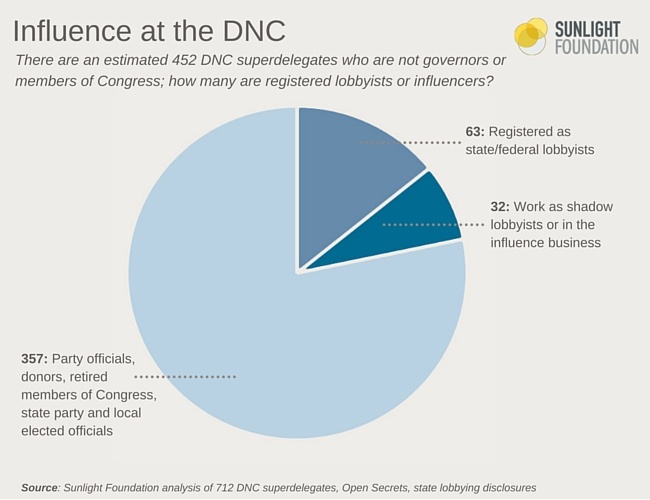
These individuals are not selected through the primary or caucus process; their status as superdelegates is conferred by virtue of their position or past service. Their very existence speaks to a conscious design within the party’s brand strategy – to integrate experienced leadership directly into the critical process of selecting its ultimate standard-bearer.
Historical Roots and Brand Evolution
The concept of superdelegates emerged from a period of significant brand instability for the Democratic Party. Following the tumultuous 1968 Democratic National Convention and subsequent electoral losses, the party undertook a series of reforms to democratize its nomination process, notably the McGovern-Fraser Commission. These reforms shifted power from party bosses to primary voters, aiming to make the party’s brand more inclusive and responsive to its base.
However, the pendulum swung, and by the late 1970s and early 1980s, many party leaders felt that the nomination process had become too unwieldy and prone to selecting candidates who lacked broad electability or experience. The perception was that the party’s “product” – its presidential nominee – was sometimes failing to resonate with the broader electorate, leading to consecutive defeats and a weakening of the party’s overall brand equity.
In response, the Democratic Party established superdelegates in 1982, beginning with the 1984 election cycle. The primary rationale was to inject a measure of peer review and institutional wisdom back into the process. The idea was to provide a “safety net” or a “brand control mechanism” that could, if necessary, prevent the nomination of a candidate perceived as unelectable or too extreme, thereby safeguarding the party’s long-term brand viability and competitive standing. This move was a strategic adaptation, an attempt to refine the party’s internal brand governance after experiencing the consequences of an overly decentralized system. It represented a reassertion of experienced leadership to protect the party’s core identity and electoral success.
The Impact of Superdelegates on Party Brand Identity and Perception
The role of superdelegates has consistently placed a spotlight on the Democratic Party’s brand identity, especially regarding its commitment to democratic principles versus its desire for strategic control. Their existence inevitably shapes how the party brand is perceived by its members, the media, and the wider electorate.
Brand Stability vs. Brand Authenticity
Superdelegates are often seen by party strategists as a force for brand stability. Their unpledged status theoretically allows them to act as a moderating influence, steering the party away from potential electoral missteps. In theory, they provide an informed, experienced judgment on a candidate’s electability, fundraising prowess, and ability to unite disparate factions under the Democratic “umbrella brand.” This function aims to protect the party’s brand from being co-opted by a candidate who might appeal strongly to a narrow segment but alienate the broader coalition needed for victory. From this perspective, superdelegates are crucial for maintaining the “quality control” of the party’s ultimate “product.”
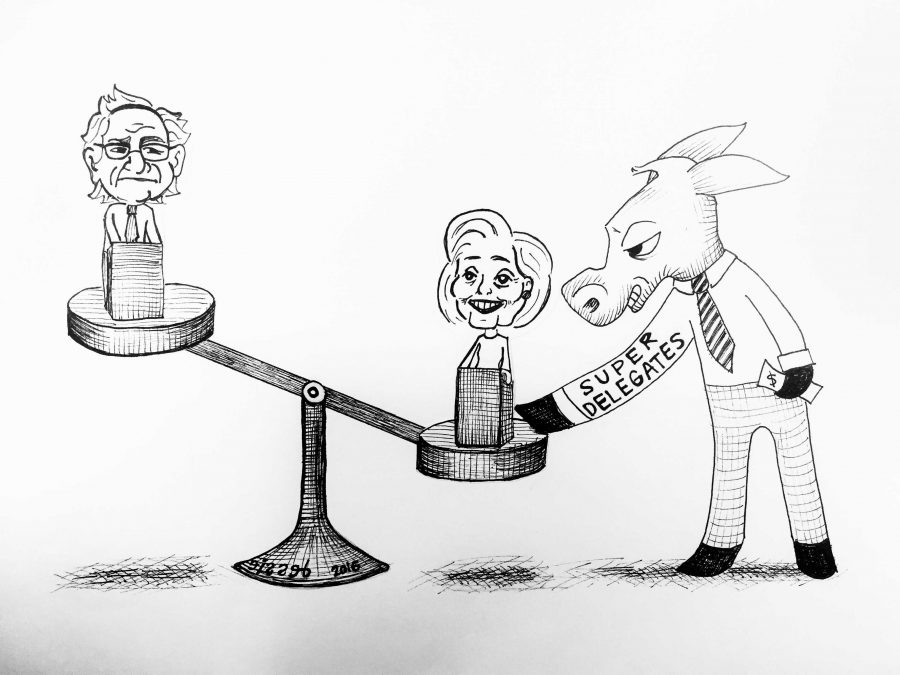
However, this perceived stability often comes at the cost of brand authenticity in the eyes of many grassroots supporters. When superdelegates lean heavily towards a particular candidate, especially early in the primary process or in defiance of popular vote trends, it can lead to accusations that the system is rigged against the will of the voters. This narrative directly conflicts with the Democratic Party’s stated brand values of democracy, fairness, and grassroots empowerment. The perception that an unelected elite can override the preferences of millions of primary voters can significantly damage the party’s “trust equity” and alienate a crucial part of its customer base. It creates a tension between the party’s desire for an orderly, strategic nomination process and its public-facing image as the party of the people.
Crisis Communication and Brand Management
The potential for superdelegates to influence the nomination process has, at times, led to significant “brand crises” for the Democratic Party. The 2008 and particularly the 2016 primary contests saw heightened scrutiny and criticism of the superdelegate system. In 2016, the perception that superdelegates were overwhelmingly aligned with Hillary Clinton even before many states had voted fueled a strong narrative among Bernie Sanders supporters that the system was undemocratic and designed to favor establishment candidates.
This scenario forced the Democratic Party into extensive “crisis communication” and “brand management” efforts. Party officials had to explain the historical context and intended purpose of superdelegates, often emphasizing that their role was largely symbolic until a candidate secured a majority of pledged delegates. However, the damage to the party’s brand perception, particularly among younger and more progressive voters, was palpable. It highlighted the critical challenge of aligning internal operational structures with external brand messaging and ensuring that the party’s actions consistently reflect its professed values.
Superdelegates in Brand Strategy: Shaping the Narrative
The inclusion of superdelegates in the Democratic Party’s nomination process is a powerful example of an organizational brand strategy designed to exert influence and shape public narrative, even if subtly. Their role extends beyond mere voting and touches upon the broader strategic goals of candidate selection and party positioning.
Protecting the Brand’s “Core Product”
Superdelegates are strategically positioned to act as guardians of the party’s “core product” – the presidential nominee. Their collective experience and understanding of national politics, fundraising demands, and general election dynamics equip them, theoretically, to assess a candidate’s broader “marketability.” The intent is for them to ensure that the chosen candidate is not only capable of winning but also effectively represents the Democratic brand’s values and platform on the national stage. In this sense, they are akin to a brand’s executive steering committee, ensuring that the final “product” aligns with the company’s long-term vision and market strategy.
This protective function is especially critical in preventing the nomination of candidates who might be too niche or polarizing to attract the diverse coalition required for a general election victory. By having a segment of delegates unencumbered by primary results, the party aims to maintain a strategic backstop, ensuring that its ultimate brand ambassador is one with mass appeal and the ability to compete against rival political brands.
Adapting the Brand: Reforms and Future Directions
Recognizing the brand damage and internal friction caused by the perception of superdelegate undue influence, the Democratic Party undertook significant reforms following the 2016 election cycle. For the 2020 and subsequent cycles, superdelegates are no longer permitted to vote on the first ballot at the national convention if the outcome would decide the nomination. Their votes only become relevant if no candidate secures a majority of pledged delegates on the first ballot, forcing a second ballot.
These reforms represent a deliberate act of “rebranding” and “product modification” by the Democratic Party. By reducing the immediate influence of superdelegates, the party aimed to address widespread “customer feedback” (voter complaints) and restore trust in the fairness and democratic nature of its nomination process. It was a strategic move to align the party’s internal mechanisms more closely with its external brand messaging of grassroots democracy, thereby improving its appeal and mitigating future brand crises. This adaptation demonstrates the agility required for any major organization to evolve its operational guidelines to maintain relevance and positive public perception in a dynamic environment.
Lessons from Political Branding: The Superdelegate Case Study
The saga of superdelegates offers a compelling case study in the complexities of managing a large, decentralized organizational brand within a highly scrutinized public sphere. It underscores fundamental challenges common to corporate identity and marketing.
Balancing Internal and External Brand Messaging
The superdelegate system perfectly illustrates the ongoing challenge of balancing internal operational needs with external brand messaging. Internally, superdelegates were conceived as a mechanism for stability, experience, and strategic foresight – qualities valuable for any enduring brand. Externally, however, their role often clashed with the party’s public commitment to democratic ideals and grassroots empowerment. This disconnect led to a perception gap, where the party’s actions appeared to contradict its stated values, eroding brand trust. Effective brand management requires not only a coherent internal strategy but also a consistent external narrative that resonates authentically with stakeholders. The superdelegate experience highlights how organizational structures, even if well-intended, can inadvertently undermine a brand’s public image if not carefully communicated and aligned with its core identity.
Agility in Brand Evolution
Finally, the evolution of the superdelegate rules provides a critical lesson in brand agility. Faced with significant internal dissent and external criticism, the Democratic Party chose to modify a long-standing component of its nomination process. This willingness to adapt and reform, even if slowly, demonstrates an understanding that even established “brands” must be flexible and responsive to maintain their relevance and positive perception among their target audience. In a rapidly changing political and social landscape, rigid adherence to outdated systems can lead to brand stagnation or even decline. The reforms to the superdelegate system reflect a strategic decision to re-evaluate internal “brand guidelines” and adjust operational “product features” to better align with contemporary expectations and reinforce the party’s desired brand image as a progressive and democratic force. The superdelegate journey, therefore, is not just about political mechanics, but about the enduring challenge of brand management in a perpetually evolving marketplace of ideas and influence.
aViewFromTheCave is a participant in the Amazon Services LLC Associates Program, an affiliate advertising program designed to provide a means for sites to earn advertising fees by advertising and linking to Amazon.com. Amazon, the Amazon logo, AmazonSupply, and the AmazonSupply logo are trademarks of Amazon.com, Inc. or its affiliates. As an Amazon Associate we earn affiliate commissions from qualifying purchases.