
The question “When is the stock market going to crash?” is a perennial concern, echoing through boardrooms, financial news channels, and dinner table conversations. It’s a question loaded with anxiety, fueled by historical precedents and the innate human fear of loss. Yet, it’s also a question that, while impossible to answer with precision, holds within its premise the very lessons required for sound financial management and investment success. Market crashes are not anomalies; they are an inherent, albeit challenging, component of the broader economic cycle. Understanding this inevitability, rather than fearing it, is the first step towards building a resilient financial future. This article aims to demystify market downturns, equip investors with strategies to navigate volatility, and foster a mindset of preparedness that transcends the panic of the moment.
The Inevitability of Market Cycles: Boom, Bust, and Recovery
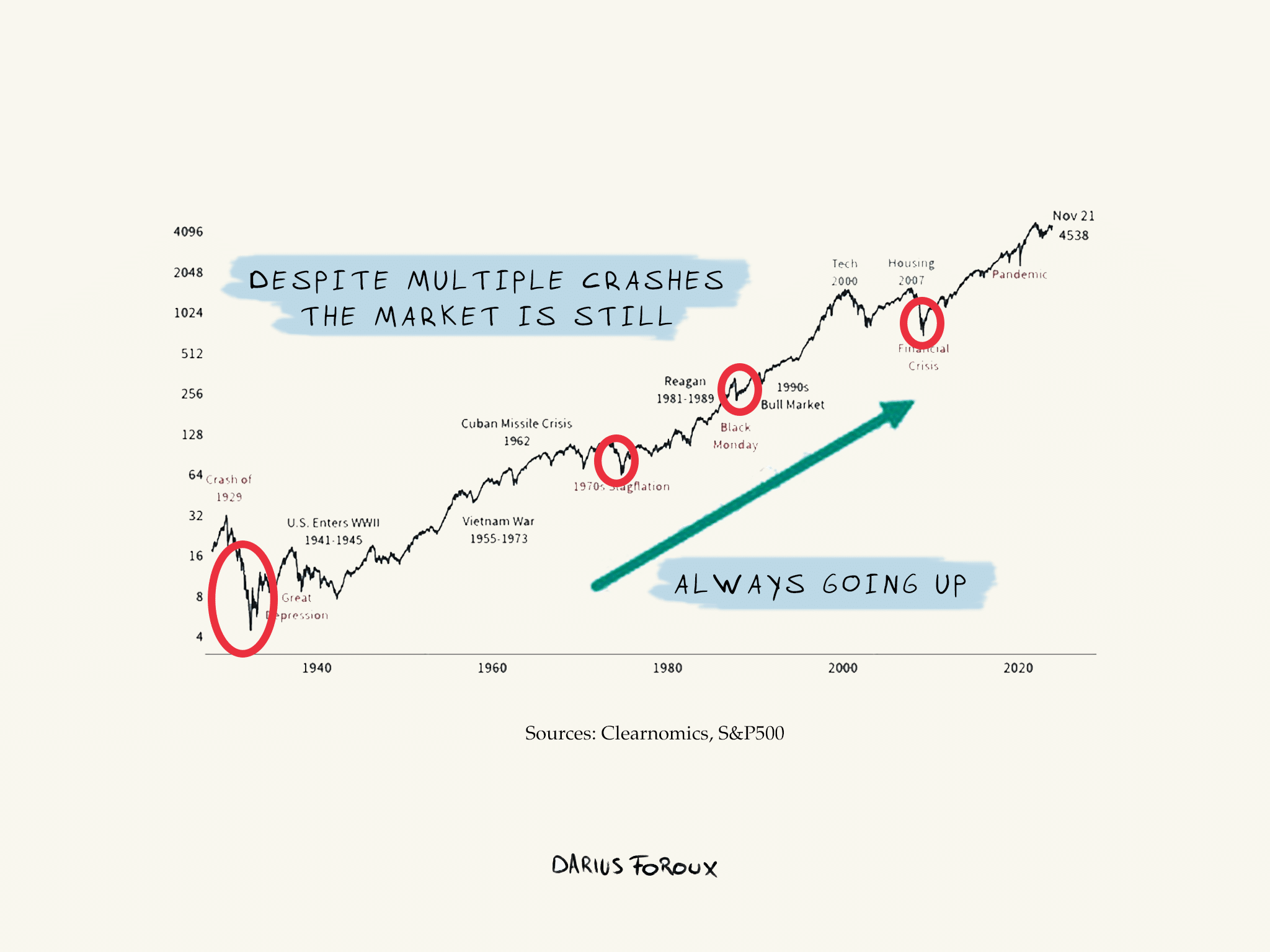
The global stock market has always moved in cycles, characterized by periods of robust growth (bull markets) followed by contractions (bear markets or crashes). This ebb and flow is a natural consequence of economic expansion, technological innovation, geopolitical events, and shifts in investor sentiment. Dismissing downturns as mere misfortunes rather than predictable phenomena is a critical error in financial planning.
A Historical Perspective on Market Crashes
History provides a stark reminder of the market’s cyclical nature. From the infamous Wall Street Crash of 1929, which ushered in the Great Depression, to the dot-com bubble burst of 2000, the 2008 global financial crisis, and the sharp, but swift, COVID-19 induced dip of 2020 – each event, unique in its triggers and characteristics, shared a common aftermath: panic, followed by eventual recovery and new highs. The key takeaway from these historical events is not the devastating impact of the crash itself, but the market’s consistent ability to rebound and surpass previous peaks over the long term. Investors who held firm, or even bought into the dips, often emerged stronger than those who panicked and sold.
Understanding Market Correction vs. Bear Market vs. Crash
It’s crucial to differentiate between various types of market downturns, as they imply different levels of severity and duration.
- Market Correction: This is typically defined as a decline of 10% or more from a recent peak in a broad market index (like the S&P 500). Corrections are common and often healthy, helping to reset valuations and prevent overheating. They usually resolve relatively quickly.
- Bear Market: A more severe downturn, characterized by a decline of 20% or more from recent highs. Bear markets tend to last longer than corrections, often for several months or even a year or two, and are frequently accompanied by broader economic slowdowns or recessions.
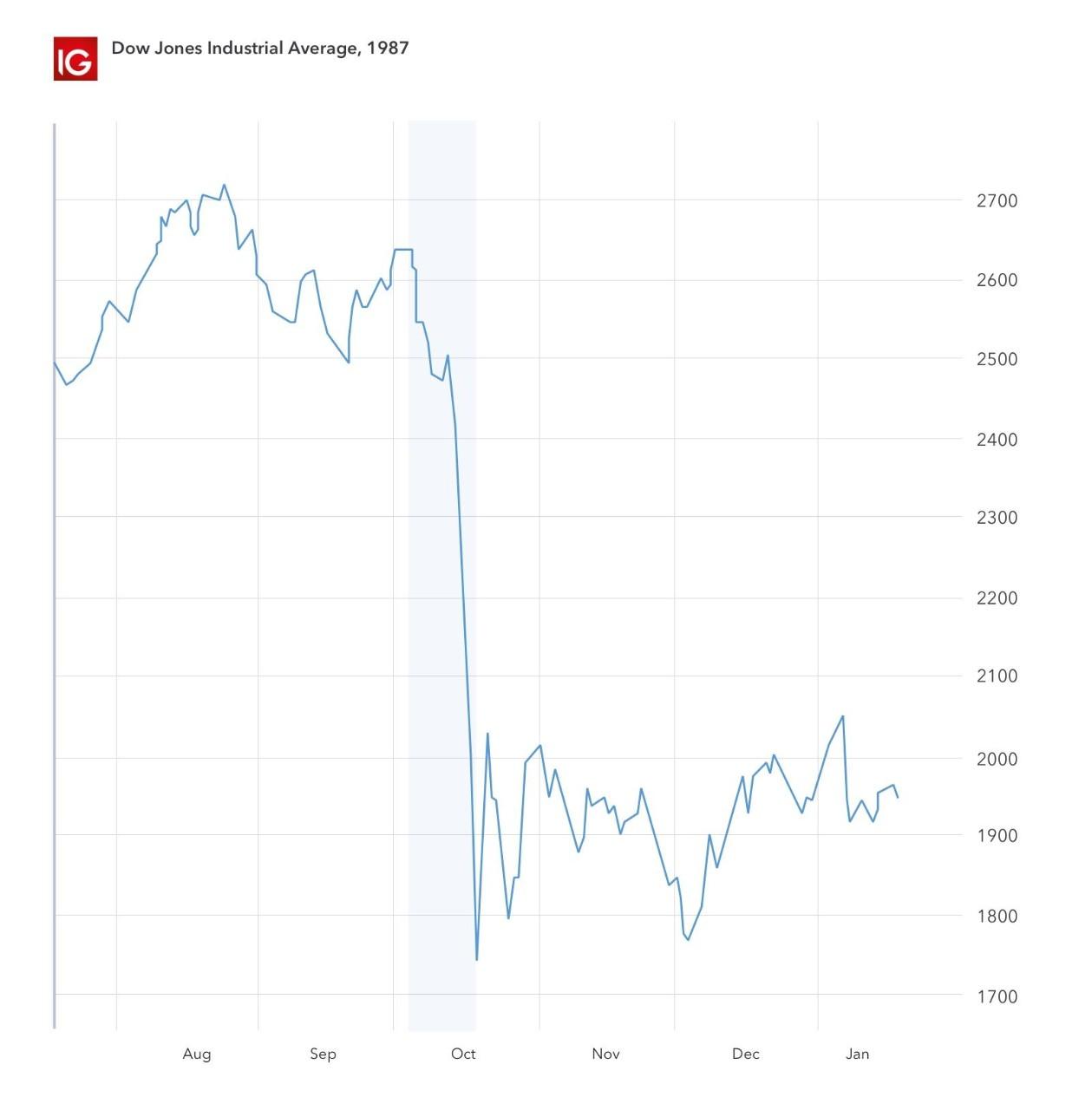
- Market Crash: While there’s no precise definition, a crash typically refers to a sudden, significant, and often dramatic drop in stock prices over a very short period (e.g., a single day or week). Crashes are often triggered by specific, unexpected events or extreme market euphoria followed by a sudden loss of confidence. They can initiate a bear market.
Understanding these distinctions helps investors temper their reactions and frame expectations appropriately when market volatility arises.
Economic Indicators and Warning Signs
While no single indicator can perfectly predict a market crash, a confluence of certain economic signals often precedes periods of significant market stress. These include:
- Inverted Yield Curve: When short-term Treasury bond yields exceed long-term yields, it’s often seen as a reliable predictor of an impending recession, which can then lead to a bear market or crash.
- High Valuations: When stock prices rise significantly faster than corporate earnings, resulting in elevated price-to-earnings (P/E) ratios, the market may be overvalued and susceptible to a correction.
- Interest Rate Hikes: Rapid or aggressive increases in interest rates by central banks (like the Federal Reserve) can slow down economic activity by making borrowing more expensive, impacting corporate profits and consumer spending.
- Inflationary Pressures: Persistent high inflation erodes purchasing power and can force central banks to hike rates, further impacting economic growth.
- Geopolitical Instability: Wars, trade disputes, or other international conflicts can create uncertainty, disrupt supply chains, and dampen investor confidence.
- Credit Market Stress: A tightening of credit conditions, where it becomes harder for businesses and consumers to borrow money, can signal an impending economic slowdown.
It’s important to note that these are merely indicators, not infallible crystal balls. The market’s reaction to such signals can vary, and false positives are common. Relying solely on predicting a crash based on these factors can lead to missed opportunities in a continuously growing market.
Navigating Volatility: Strategies for Investors
Given the unpredictable nature of market crashes, the most effective approach for investors is not prediction, but preparation. By implementing disciplined investment strategies, individuals can build a portfolio resilient enough to weather downturns and capitalize on subsequent recoveries.
Diversification Across Asset Classes
Diversification is the bedrock of risk management. By spreading investments across various asset classes – stocks, bonds, real estate, commodities, and potentially alternative investments – an investor reduces reliance on any single market segment. When one asset class performs poorly, others may hold steady or even gain, cushioning the overall portfolio’s decline. For instance, bonds often act as a counter-cyclical asset to stocks during downturns, providing stability. International diversification can also mitigate country-specific economic risks. A well-diversified portfolio is like a ship with multiple compartments; even if one leaks, the others can keep it afloat.
The Power of Dollar-Cost Averaging
Dollar-cost averaging (DCA) is a simple yet powerful strategy where an investor invests a fixed amount of money at regular intervals, regardless of market fluctuations. When prices are high, the fixed sum buys fewer shares; when prices are low, it buys more. Over time, this averages out the purchase price, reducing the risk of making a large investment at an inopportune market peak. During a bear market, DCA allows investors to acquire more shares at lower prices, setting them up for greater gains when the market inevitably recovers. It removes emotion from the investment process and enforces a disciplined savings habit.
Maintaining a Long-Term Investment Horizon

One of the greatest mistakes investors make during a downturn is abandoning their long-term strategy in favor of short-term panic. Market timing – the act of trying to buy low and sell high – is notoriously difficult, even for professional investors. For most individuals, a long-term investment horizon (e.g., 10, 20, 30+ years) is the most effective approach. Over extended periods, the stock market has historically delivered positive returns, overcoming numerous crises. Staying invested through market cycles allows compounding to work its magic and ensures participation in the recovery phase, which often sees the strongest gains.
Rebalancing Your Portfolio
Periodic portfolio rebalancing is a critical risk management technique. Over time, market movements can cause your asset allocation to drift from your target percentages (e.g., your stock allocation might grow disproportionately due to strong market performance). Rebalancing involves selling off some of the assets that have grown (and are therefore “overweight”) and using the proceeds to buy assets that have underperformed (and are now “underweight”). This process systematically forces you to “sell high” and “buy low,” bringing your portfolio back to your desired risk profile and ensuring continued diversification. Rebalancing can be done annually or semiannually, depending on your preference and market volatility.
Personal Financial Preparedness Beyond the Portfolio
While investment strategies are crucial, a holistic approach to financial resilience extends beyond the investment portfolio to personal financial stability. A strong personal financial foundation acts as a buffer against both market downturns and the broader economic recessions that often accompany them.
Building a Robust Emergency Fund
An emergency fund is your first line of defense against unexpected financial shocks, whether market-related or personal (e.g., job loss, medical emergency). This fund should consist of easily accessible cash (e.g., in a high-yield savings account) covering 3 to 6 months’ worth of essential living expenses, or even more for those with less stable income or higher financial dependents. A substantial emergency fund prevents you from being forced to sell investments at a loss during a market downturn simply to cover immediate needs, thus allowing your long-term strategy to remain intact.
Managing Debt Wisely
High-interest debt, particularly credit card debt, can become an immense burden during an economic recession or job loss. Prioritizing the reduction and elimination of such debt should be a key component of financial preparedness. Lowering your debt obligations reduces your fixed monthly expenses, freeing up cash flow and significantly enhancing your financial flexibility during challenging times. Mortgage debt, while often considered “good debt,” should also be managed prudently, ensuring payments are affordable even under adverse income scenarios.
Income Stability and Skill Development
Beyond investments, personal income stability is a vital hedge against economic downturns. Cultivating in-demand skills, pursuing continuous education, and potentially exploring multiple income streams (side hustles) can provide a layer of security. During recessions, job markets can tighten, making it harder to find or retain employment. A strong professional network and adaptable skill set can improve your employability and earning potential, protecting your overall financial health even if your investments face headwinds.
The Psychology of Investing During a Downturn
Perhaps the most challenging aspect of a market crash is the psychological toll it takes. Fear, panic, and regret can lead investors to make irrational decisions that undermine their long-term financial goals. Mastering the emotional side of investing is as important as understanding the technical aspects.
Avoiding Panic Selling
The primal urge to sell when prices are plummeting is strong. However, panic selling during a downturn locks in losses and ensures you miss out on the subsequent recovery. Historical data unequivocally shows that the most significant bounce-backs often occur immediately after the steepest drops. Investors who sell at the bottom not only realize their paper losses but also eliminate their chance to participate in the rebound. A disciplined, pre-defined investment plan serves as an antidote to this emotional impulse.
Recognizing Opportunity in Crisis
While daunting, market crashes also present unparalleled opportunities for long-term investors. High-quality assets become available at discounted prices, essentially going “on sale.” For those with stable employment and an emergency fund, a downturn can be an opportune time to increase contributions to their investment portfolio, leveraging dollar-cost averaging to acquire more shares at lower valuations. This ability to view a crisis as an opportunity for strategic accumulation is a hallmark of successful long-term investors.
Separating Emotion from Investment Decisions
A robust investment plan, carefully constructed during calm market conditions, should serve as your guiding star during turbulent times. This plan should define your asset allocation, risk tolerance, and rebalancing schedule. By adhering to this plan, you can minimize emotional decision-making. Consider having an accountability partner or financial advisor who can help you stick to your strategy when emotions threaten to derail it. Remembering your long-term goals and the historical resilience of markets can help temper the fear of the present.
Conclusion
The question “When is the stock market going to crash?” is ultimately unanswerable, and obsessing over it is unproductive. What is predictable, however, is that market downturns are an intrinsic part of the investment landscape. Rather than attempting to time the market – a strategy fraught with peril – the most prudent approach is to focus on building an impenetrable financial fortress. This involves diversifying your investments, practicing dollar-cost averaging, maintaining a long-term perspective, and periodically rebalancing your portfolio. Equally important is fortifying your personal finances with a robust emergency fund, wise debt management, and a focus on income stability.
By embracing the cyclical nature of markets and adopting a disciplined, resilient mindset, investors can transform the fear of a crash into an opportunity for growth and long-term wealth creation. The goal isn’t to avoid the storms, but to build a ship strong enough to sail through them and reach calmer waters. Continuous education, adherence to a well-defined financial plan, and professional guidance can provide the confidence needed to navigate the inevitable waves of market volatility, ensuring your financial journey remains on course regardless of what the future holds.
aViewFromTheCave is a participant in the Amazon Services LLC Associates Program, an affiliate advertising program designed to provide a means for sites to earn advertising fees by advertising and linking to Amazon.com. Amazon, the Amazon logo, AmazonSupply, and the AmazonSupply logo are trademarks of Amazon.com, Inc. or its affiliates. As an Amazon Associate we earn affiliate commissions from qualifying purchases.