
The world of stock market investing can often seem daunting, a complex labyrinth reserved for financial wizards and seasoned professionals. However, with the right knowledge and a disciplined approach, anyone can begin their journey into stock investing and build wealth over time. This guide is designed to demystify the process, providing a clear, actionable roadmap for absolute beginners looking to understand and enter the stock market. Investing in stocks is not just about making money; it’s about understanding businesses, economic trends, and ultimately, securing your financial future.
1. Understanding the Fundamentals of Stock Market Investing
Before you even think about buying your first share, it’s crucial to grasp the basic concepts that underpin the stock market. A solid foundation will help you make informed decisions and navigate the inevitable ups and downs with greater confidence.
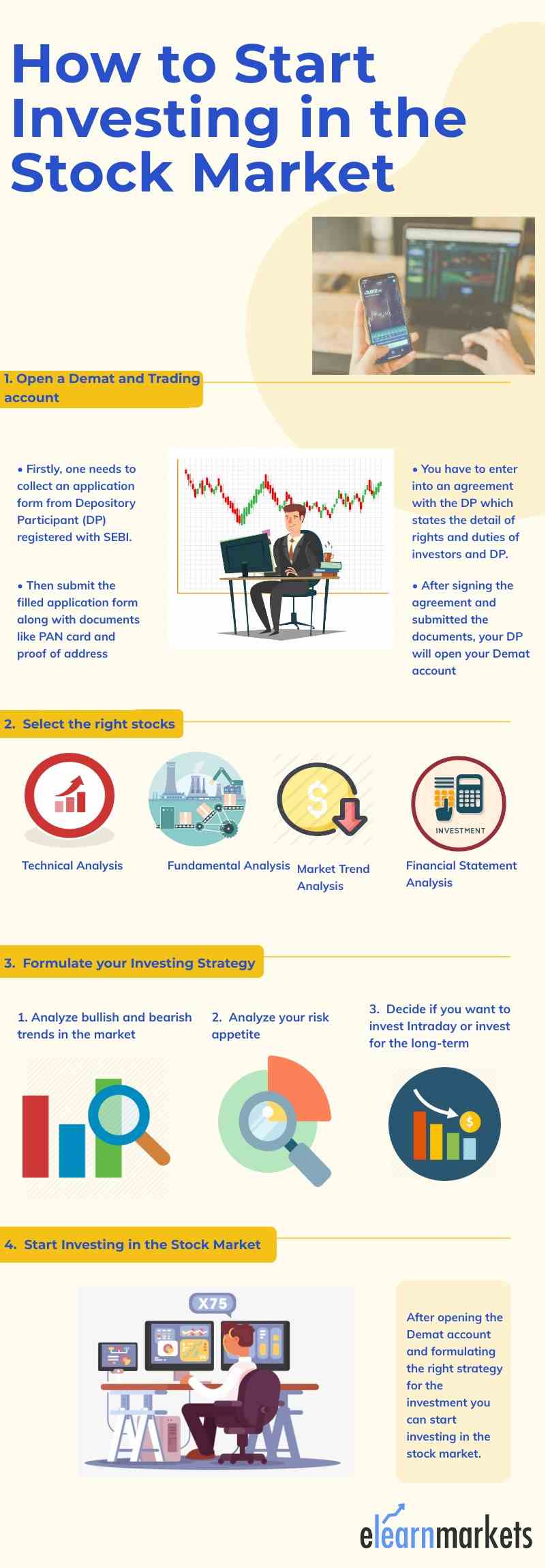
What is a Stock?
At its core, a stock (also known as equity) represents a small ownership stake in a company. When you buy a company’s stock, you become a shareholder, meaning you own a tiny piece of that business. This ownership stake grants you certain rights, such as voting on corporate matters (for common stock) and potentially receiving a portion of the company’s profits (dividends). The value of your stock can increase if the company performs well, leading to capital gains if you sell it at a higher price than you bought it for. Conversely, if the company struggles, the stock value can decrease.
Why Invest in Stocks?
People primarily invest in stocks for two main reasons: capital appreciation and dividends.
- Capital Appreciation: This is the most common motivation. As a company grows, becomes more profitable, or develops innovative products, its stock price tends to rise. Investors aim to buy low and sell high, profiting from the increase in value. Over the long term, historically, stocks have outperformed most other asset classes, making them a powerful tool for wealth creation and combating inflation.
- Dividends: Some companies, especially mature and profitable ones, choose to share a portion of their earnings with shareholders in the form of regular payments called dividends. These can be a valuable source of passive income, and when reinvested, they can significantly accelerate portfolio growth through compounding.
Key Terminology
Navigating the stock market requires familiarity with some essential terms:
- Bull Market: A period characterized by rising stock prices, investor optimism, and economic growth.
- Bear Market: A period characterized by falling stock prices, investor pessimism, and economic contraction.
- Volatility: The degree of variation of a trading price series over time. High volatility means prices fluctuate rapidly and dramatically, while low volatility means prices are relatively stable.
- Diversification: The strategy of spreading investments across various assets (different companies, industries, geographies) to minimize risk. This is a cornerstone of prudent investing.
- Market Capitalization (Market Cap): The total value of a company’s outstanding shares, calculated by multiplying the share price by the number of shares outstanding. Companies are often categorized by market cap (e.g., small-cap, mid-cap, large-cap).
2. Preparing for Your Investment Journey
Before you jump into picking stocks, it’s critical to ensure your personal finances are in order and you have a clear understanding of your investment objectives and risk tolerance. This preparatory phase is just as important as the investment itself.
Assess Your Financial Readiness
Investing should never come at the expense of your immediate financial security. Before allocating funds to stocks, ensure you have:
- An Emergency Fund: Ideally, 3-6 months’ worth of living expenses saved in an easily accessible account (like a high-yield savings account). This fund acts as a financial safety net, preventing you from having to sell investments at an inopportune time to cover unexpected costs.
- Managed High-Interest Debt: Prioritize paying off high-interest debts like credit card balances or personal loans. The interest rates on these debts often outweigh the potential returns you might earn from stock market investing, making debt repayment a more financially sensible first step.
Define Your Investment Goals and Risk Tolerance
What do you hope to achieve with your investments? Are you saving for retirement, a down payment on a house, or simply looking to grow your wealth? Your goals will dictate your investment horizon (how long you plan to invest) and, consequently, the level of risk you might comfortably take.
- Investment Goals: Clearly define what you’re investing for and by when. Long-term goals (e.g., retirement in 30 years) generally allow for more aggressive, growth-oriented investments, as there’s ample time to recover from market downturns. Short-term goals (e.g., a car in 3 years) typically warrant more conservative approaches.
- Risk Tolerance: This is your psychological comfort level with potential losses. Some people are comfortable with significant fluctuations for the possibility of higher returns, while others prefer stability, even if it means lower growth. Be honest with yourself about how much risk you can truly stomach without losing sleep. This will guide your asset allocation decisions.
Set a Budget for Investing
Determine how much you can realistically afford to invest regularly. It doesn’t have to be a large sum to start. Many brokerage accounts have low or no minimums, and even small, consistent contributions can grow substantially over time due to the power of compounding. Think of it as another essential expense in your monthly budget, similar to rent or utilities. Automation can be incredibly helpful here, setting up recurring transfers from your checking account to your investment account.
3. Choosing the Right Investment Approach and Platform
Once your financial house is in order and your goals are clear, the next step is to decide on your investment strategy and where you’ll actually buy and sell stocks.
Active vs. Passive Investing
- Active Investing: This involves actively researching individual stocks, attempting to “beat the market” by picking winners and timing trades. While potentially rewarding, it requires significant time, research, and a deep understanding of market dynamics. It’s often more suitable for experienced investors.
- Passive Investing: This strategy involves investing in broad market indexes, typically through Exchange Traded Funds (ETFs) or mutual funds, and holding them for the long term. The goal is not to beat the market, but to match its overall performance. This approach is highly recommended for beginners due to its simplicity, diversification, and generally lower fees. Index funds, for example, hold a basket of stocks designed to mirror a particular market index like the S&P 500.
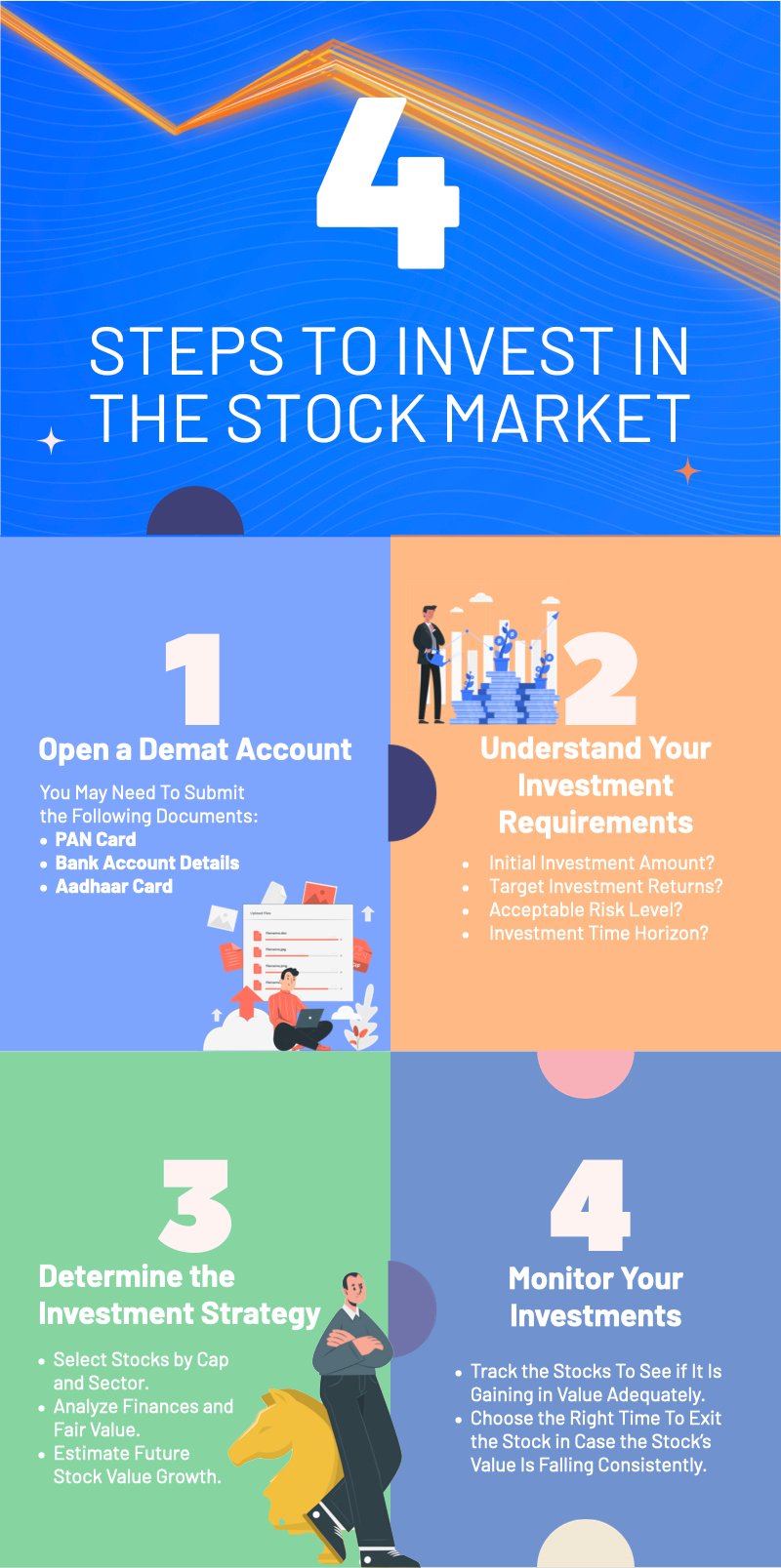
Types of Investment Accounts
Your choice of account depends on your goals and tax situation:
- Brokerage Account (Taxable Account): A standard investment account where you can buy and sell stocks, ETFs, mutual funds, and other securities. There are no contribution limits, but capital gains and dividends are typically taxed in the year they are realized or received.
- Retirement Accounts (Tax-Advantaged):
- Roth IRA: Contributions are made with after-tax dollars, but qualified withdrawals in retirement are tax-free. Excellent for those who expect to be in a higher tax bracket in retirement.
- Traditional IRA: Contributions might be tax-deductible (reducing your taxable income now), and investments grow tax-deferred. You pay taxes on withdrawals in retirement.
- 401(k) / 403(b): Employer-sponsored retirement plans. Many offer matching contributions, which is essentially free money and should be taken advantage of if available. Like Traditional IRAs, contributions are often pre-tax, and withdrawals are taxed in retirement.
Selecting a Brokerage Platform
A brokerage platform is the service you’ll use to open an investment account and execute trades. For beginners, consider these factors:
- Fees: Look for platforms with low or no trading commissions (many now offer commission-free stock and ETF trades), low account maintenance fees, and transparent pricing.
- User Interface: A user-friendly interface is crucial for beginners. Look for intuitive mobile apps and web platforms that make it easy to research, buy, and sell.
- Educational Resources: Many reputable brokers offer extensive educational materials, tutorials, and research tools, which can be invaluable for new investors.
- Customer Support: Accessible and responsive customer support can be a lifesaver when you have questions or encounter issues.
- Robo-Advisors: If you prefer a hands-off approach, robo-advisors (e.g., Betterment, Wealthfront) use algorithms to build and manage diversified portfolios based on your goals and risk tolerance. They are often low-cost and ideal for those who want automated investing.
4. Making Your First Investment and Managing Your Portfolio
With your account set up, it’s time for the exciting part: making your first investment. But remember, investing is an ongoing process, not a one-time event.
Researching and Selecting Your First Stocks/ETFs
For beginners, especially those opting for passive investing, starting with broad-market ETFs or index funds is highly recommended. These funds offer immediate diversification across hundreds or thousands of companies, reducing your risk compared to picking individual stocks. Examples include ETFs tracking the S&P 500 (like SPY, VOO, IVV) or the total U.S. stock market (like VTI).
If you are determined to pick individual stocks, start with companies you understand and believe in. Look for businesses with:
- Strong fundamentals: Healthy balance sheets, consistent revenue and profit growth.
- Competitive advantages (moats): Unique products, strong brands, high barriers to entry.
- Experienced management teams.
- A clear understanding of their industry and market position.
Avoid “hot tips” or chasing volatile penny stocks. Stick to well-established companies with a proven track record.
Placing Your First Trade
Once you’ve decided what to buy, navigate to the trading section of your brokerage platform. You’ll typically search for the stock or ETF using its ticker symbol (e.g., AAPL for Apple, SPY for an S&P 500 ETF). You’ll then specify:
- Action: Buy
- Quantity: How many shares or units you want to purchase.
- Order Type:
- Market Order: Executes immediately at the best available price. Simple but prices can fluctuate rapidly.
- Limit Order: Specifies the maximum price you’re willing to pay per share. Your order will only execute if the stock reaches that price or lower. Recommended for more control.
Review all details carefully before confirming your trade.
The Importance of Diversification
Diversification is your primary defense against unforeseen market events. By spreading your investments across different companies, industries, and asset classes, you reduce the impact if one particular investment performs poorly. Don’t put all your eggs in one basket. Even if you start with an S&P 500 ETF, consider adding international stocks or bonds to further diversify as your portfolio grows.
Monitoring and Rebalancing Your Portfolio
Investing isn’t a “set it and forget it” activity, though passive investors require less frequent intervention.
- Monitor (Don’t Obsess): Check your portfolio periodically (e.g., quarterly or annually) to ensure it aligns with your goals. Avoid daily checking, which can lead to emotional decisions.
- Rebalance: Over time, some investments will grow faster than others, causing your portfolio’s asset allocation to drift from your target. Rebalancing involves selling a portion of your overperforming assets and buying more of your underperforming ones to bring your portfolio back to its desired allocation. This helps maintain your desired risk level and can be done annually.
5. Long-Term Strategies and Common Pitfalls
Successful investing is a marathon, not a sprint. Adopting a long-term mindset and avoiding common mistakes are critical for sustained growth.
Embracing a Long-Term Perspective
The stock market has historically delivered strong returns over the long term, but it experiences short-term fluctuations and downturns. Resisting the urge to panic sell during corrections and remaining invested through market cycles is key. Time in the market, not timing the market, is what truly matters. Compounding—the process where your earnings generate their own earnings—works wonders over decades.
Avoiding Emotional Investing
Fear and greed are powerful emotions that can derail even the best-laid investment plans.
- Don’t Panic Sell: When the market drops, the instinct to sell and “stop the bleeding” is strong. However, selling during a downturn often locks in losses and prevents you from participating in the eventual recovery.
- Don’t Chase Hype: Avoid buying into “hot stocks” or fads without thorough research. These often lead to speculation, not sound investing, and can result in significant losses.
Stick to your well-researched investment plan and trust the process.
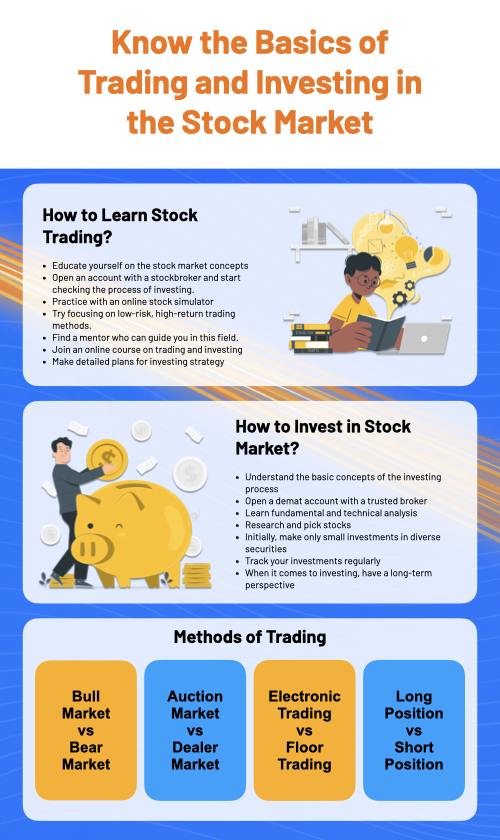
Continuous Learning and Adaptation
The financial world is dynamic. Continue educating yourself about investing principles, economic trends, and new investment vehicles. Read reputable financial news, books, and articles. As your financial situation changes (e.g., salary increase, new dependents, retirement approaching), be prepared to adapt your investment strategy and asset allocation accordingly. Review your goals and risk tolerance periodically to ensure your investments remain aligned.
Beginning your journey into stock investing is a powerful step towards building financial independence. While the initial steps may seem overwhelming, remember that consistency, discipline, and a focus on long-term goals are your greatest assets. Start small, stay diversified, and commit to continuous learning. The stock market is a powerful engine for wealth creation, and with the right approach, you can harness its potential to achieve your financial aspirations.
aViewFromTheCave is a participant in the Amazon Services LLC Associates Program, an affiliate advertising program designed to provide a means for sites to earn advertising fees by advertising and linking to Amazon.com. Amazon, the Amazon logo, AmazonSupply, and the AmazonSupply logo are trademarks of Amazon.com, Inc. or its affiliates. As an Amazon Associate we earn affiliate commissions from qualifying purchases.