
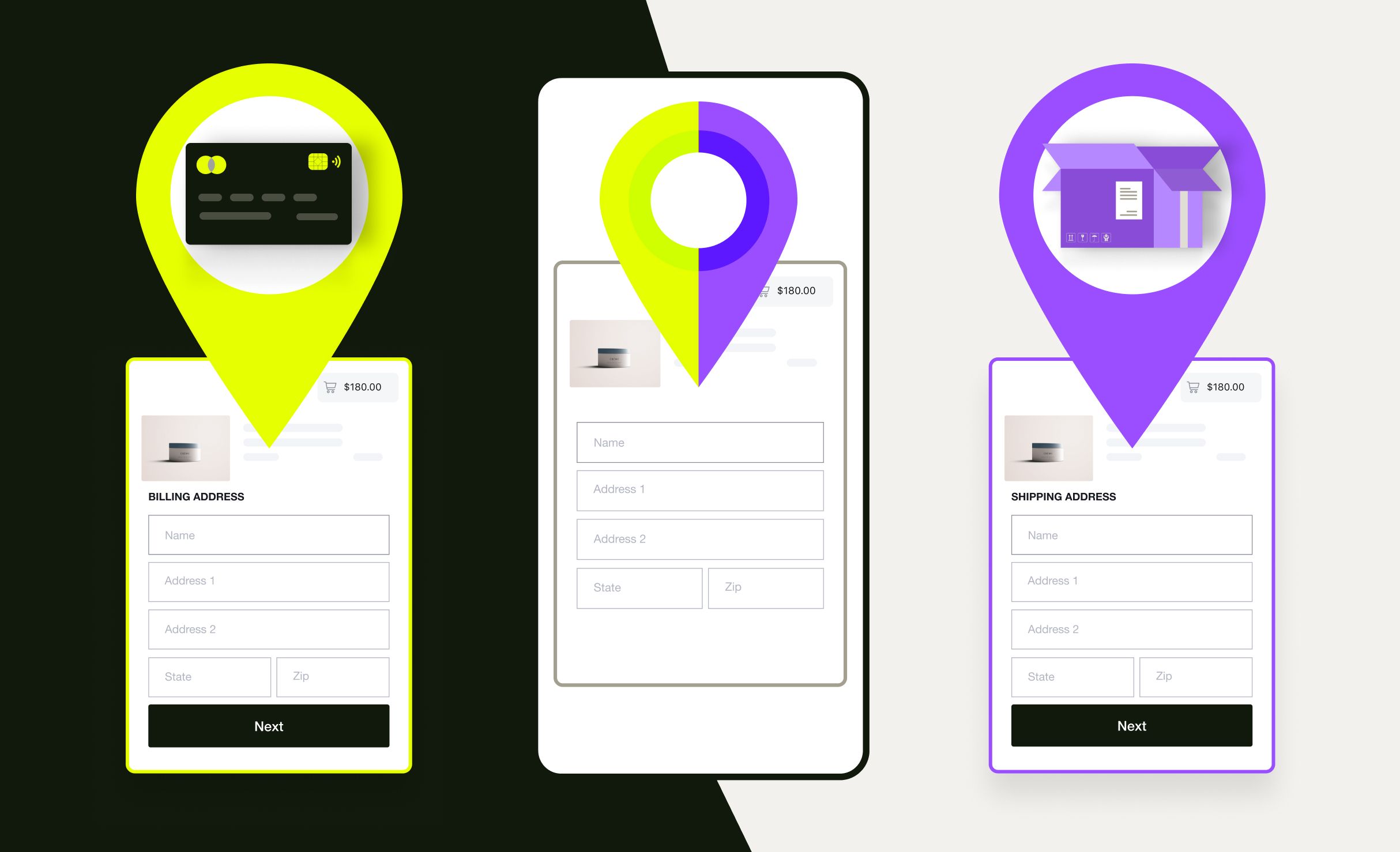
When you navigate the digital checkout process, you are frequently asked for two distinct pieces of location data: your shipping address and your billing address. While the shipping address serves a straightforward logistical purpose—telling the courier where to drop off your package—the billing address functions as a critical component of financial security and transaction authorization. Understanding why this data is required is essential for anyone participating in the modern digital economy.
The Role of the Address Verification System (AVS)
At the heart of the billing address requirement is a sophisticated security protocol known as the Address Verification System (AVS). Developed by credit card networks, AVS is a fraud-prevention tool that compares the numerical information provided by the customer during an online checkout against the address information on file with the card-issuing bank.
How AVS Processing Works
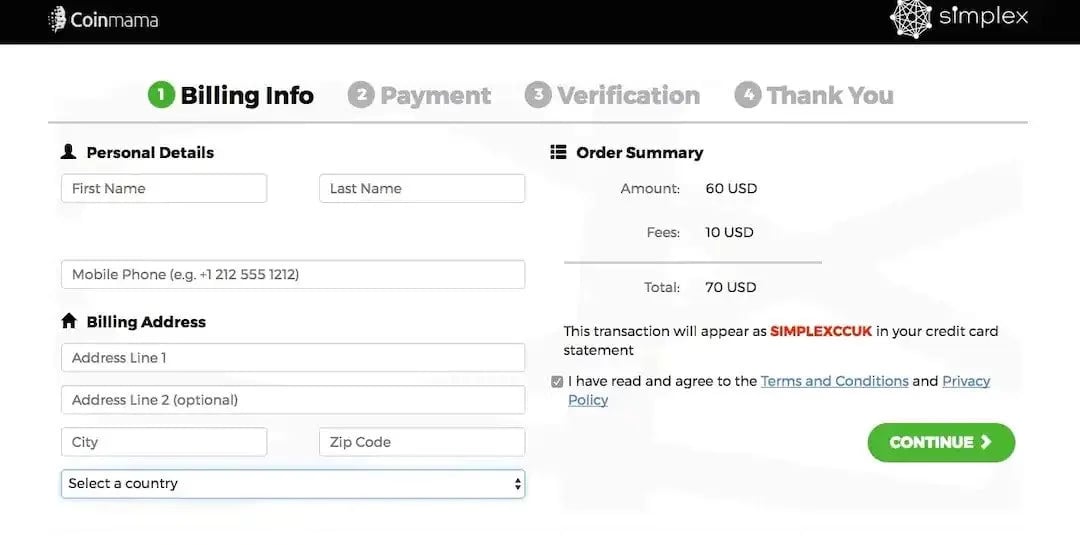
When you enter your credit card number, expiration date, and CVV code, the transaction request is sent to the payment processor. Simultaneously, the billing address you provide is cross-referenced. The system looks specifically at the numeric components of your address—typically the house number and the digits in your zip code. If these numbers match the data held by your financial institution, the transaction is marked as a “full match.” If they do not match, the transaction may be flagged, held for review, or automatically declined.
Why Merchants Use AVS
For online merchants, the billing address is a primary line of defense against “card-not-present” fraud. In the physical world, a merchant can inspect a card and request identification. In the digital world, a bad actor only needs a stolen card number to attempt a purchase. By requiring a billing address, the merchant adds a layer of authentication that requires the user to possess information (the billing zip code) that is typically only known to the authorized account holder.
Financial Security and Fraud Mitigation
The primary function of the billing address is to confirm the legitimacy of the cardholder. While hackers often gain access to credit card numbers through data breaches, they rarely have access to the full account profile associated with that card, including the registered billing zip code.
Preventing Unauthorized Transactions
If a cybercriminal attempts to use a stolen credit card on an e-commerce platform, the billing address check acts as an immediate roadblock. If the thief enters their own shipping address, but the merchant’s system identifies that the billing zip code does not correspond to the zip code on record at the bank, the transaction will likely be declined. This creates a significant hurdle for those trying to use stolen credentials for illicit gain.
Protecting the Merchant from Chargebacks
A chargeback occurs when a customer disputes a transaction, forcing the bank to reverse the payment. If a merchant cannot prove that the person who made the purchase was the legitimate cardholder, they are often held liable for the loss. By strictly enforcing billing address verification, merchants can prove that the transaction passed security checks at the time of purchase, providing them with stronger evidence to dispute fraudulent chargeback claims.
Billing Addresses in Subscription and Recurring Services
Beyond simple one-time retail purchases, the billing address plays a nuanced role in the management of recurring payments and subscription services. This is particularly relevant for digital platforms like SaaS (Software as a Service) providers, streaming services, and utility accounts.
Maintaining Payment Continuity
When you sign up for a monthly service, your payment information is stored in a “vault” or a tokenized environment. If you move to a new residence, your bank eventually updates the mailing address associated with your credit card. If your billing address in the merchant’s system becomes outdated, subsequent automated recurring payments may fail. This is why services often send reminders to update your payment profile; keeping your billing address current is a prerequisite for uninterrupted service.
Tax Compliance and Jurisdictional Requirements
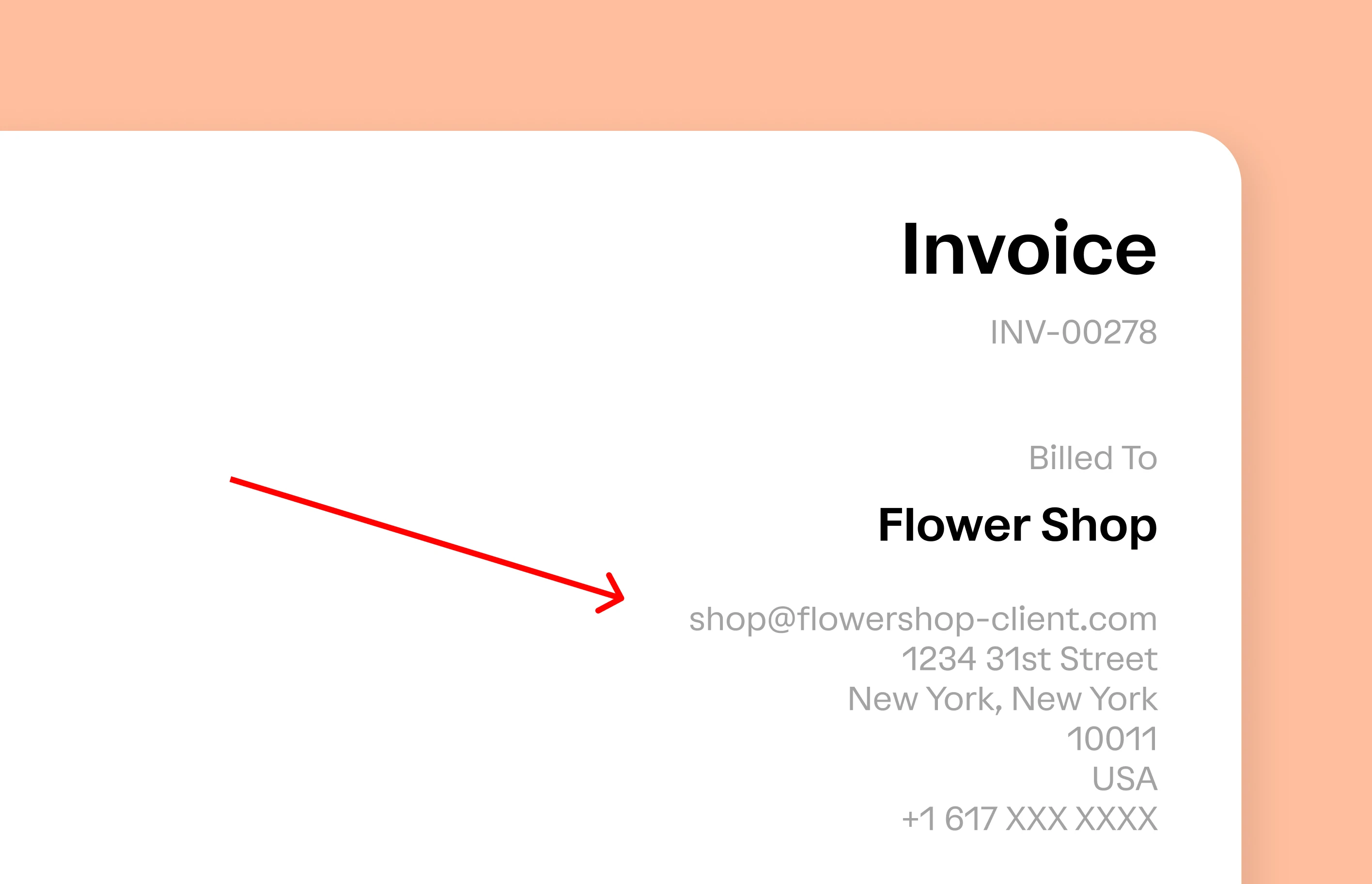
In the world of business finance and global commerce, the billing address is not just about security—it is a legal requirement for tax compliance. Digital goods and services are often subject to different tax rates based on the consumer’s location. For businesses, the billing address serves as an official record of the “place of supply,” which helps the merchant calculate the correct sales tax, VAT, or GST to apply to the transaction. Without an accurate billing address, the business cannot fulfill its tax obligations, leading to potential audits and regulatory penalties.
Best Practices for Consumers and Businesses
Because the billing address is a pillar of digital financial security, both consumers and businesses must treat this data with precision. A misunderstanding of how this system works can lead to unnecessary payment failures and security risks.
Tips for Consumers
- Keep Your Information Updated: Always update your billing address with your bank as soon as you move. A mismatch is the most common reason for legitimate online transactions being declined.
- Use the Exact Address on File: When shopping online, ensure you are using the address exactly as it appears on your monthly credit card statement. If your statement uses “Apt 4B” instead of “Unit 4B,” use the exact notation favored by your bank to ensure the AVS check passes.
- Virtual Cards and Privacy: Many modern fintech services now offer “virtual credit cards” that allow you to set specific merchant billing zip codes. These are excellent for privacy, but remember to update your billing address in your fintech dashboard if you change your physical residency.
Best Practices for Businesses
- Balance Security with Conversion: While strict AVS settings can block fraud, they can also block legitimate customers who make simple typos. Businesses should use a “soft” AVS policy where minor mismatches are flagged for review rather than automatically rejected, ensuring that high-value customers aren’t turned away due to a misspelled street name.
- Data Minimization: From a data privacy standpoint, businesses should collect only the address information necessary for AVS and tax compliance. This reduces the risk in the event of a data breach, as holding excessive personal information creates a larger liability for the firm.
- Transparency: Always inform the customer why you are asking for their billing address. Clearly labeling fields as “Billing Address” versus “Shipping Address” prevents confusion and reduces the likelihood of the customer entering the wrong data, which in turn reduces customer support tickets and cart abandonment rates.
Conclusion
The billing address is a fundamental component of the invisible architecture of digital finance. It acts as a bridge between your identity and your credit card issuer, ensuring that only the authorized party can utilize the funds in the account. Whether it is preventing a fraudulent purchase, ensuring accurate tax calculation for global businesses, or simply allowing a recurring subscription to process smoothly, the humble billing address does significant heavy lifting. As digital commerce continues to evolve, the billing address remains an essential link in the chain of trust that keeps the global online economy moving safely and securely. By maintaining accurate records and understanding the mechanisms of verification, consumers and businesses alike contribute to a more robust and fraud-resistant financial ecosystem.
aViewFromTheCave is a participant in the Amazon Services LLC Associates Program, an affiliate advertising program designed to provide a means for sites to earn advertising fees by advertising and linking to Amazon.com. Amazon, the Amazon logo, AmazonSupply, and the AmazonSupply logo are trademarks of Amazon.com, Inc. or its affiliates. As an Amazon Associate we earn affiliate commissions from qualifying purchases.