
Understanding your financial obligations, whether for a new acquisition, an existing debt, or simply managing your monthly budget, is a cornerstone of sound personal finance. The question “what will my payment be” resonates across various financial scenarios, from applying for a mortgage or an auto loan to calculating credit card interest or planning for student loan repayment. Accurate estimation and comprehension of these payments are critical for effective budgeting, debt management, and achieving long-term financial stability. This guide delves into the various facets of payment calculation, offering insights into the factors that influence your financial commitments and how to strategically manage them.

Decoding Your Loan Payments: The Fundamentals
Loans, by their very nature, are agreements to borrow money with a promise to repay it, usually with interest, over a specified period. The calculation of your regular payment is influenced by several key variables, making it essential to understand how each component contributes to the final figure. This section primarily addresses common amortizing loans such as mortgages, car loans, and personal loans, where each payment contributes to both the principal balance and the interest accrued.
Principal, Interest, and Amortization
Every loan payment you make is typically split into two main components: the principal and the interest. The principal is the actual amount of money you borrowed. Interest is the cost of borrowing that money, usually expressed as a percentage of the principal balance. Early in an amortizing loan’s life, a larger portion of your payment goes towards interest. As the loan matures, and the principal balance decreases, a greater share of your payment begins to reduce the principal itself. This systematic reduction of debt through regular payments is known as amortization. An amortization schedule provides a detailed breakdown of how much of each payment goes towards principal and interest over the loan’s lifetime. Understanding this schedule can illuminate how rapidly you are building equity (in the case of a home) or reducing your outstanding debt.
Fixed vs. Variable Rates
The interest rate applied to your loan significantly impacts your monthly payment. A fixed-rate loan maintains the same interest rate throughout the entire loan term. This provides predictable, consistent monthly payments, making budgeting straightforward and offering protection against rising interest rates. Conversely, a variable-rate loan (also known as an adjustable-rate loan) has an interest rate that can fluctuate based on a specified index. While variable rates might start lower than fixed rates, they introduce an element of uncertainty, as your monthly payments could increase or decrease over time. The choice between fixed and variable rates often depends on your risk tolerance, market outlook, and the expected duration of your loan.
The Impact of Loan Term and Down Payment
Two other crucial factors in determining your payment are the loan term and the down payment. The loan term refers to the length of time you have to repay the loan. Generally, a longer loan term results in lower monthly payments, but you’ll pay more in total interest over the life of the loan. A shorter loan term means higher monthly payments but less overall interest paid. For instance, a 15-year mortgage will have significantly higher monthly payments than a 30-year mortgage for the same principal amount, but the total interest paid will be substantially less. The down payment is the initial sum of money you pay upfront when purchasing an asset, such as a home or a car. A larger down payment reduces the amount you need to borrow, directly translating to lower monthly loan payments and less interest accumulated over the loan term. It also demonstrates financial stability to lenders, potentially securing better interest rates.
Credit Card Payments: Beyond the Minimum Due
Credit cards offer unparalleled convenience and flexibility, but understanding their payment structure is vital to avoid accumulating high-interest debt. Unlike amortizing loans with a set payment schedule, credit card payments are more dynamic, hinging on your spending habits, the interest rate, and how quickly you pay down your balance.
Calculating Interest Charges
Credit card interest is typically calculated using an Annual Percentage Rate (APR). However, this APR is usually applied daily or monthly to your average daily balance. If you carry a balance from month to month, the issuer calculates the finance charge by multiplying your average daily balance by your daily interest rate. This can quickly compound, especially with high APRs, leading to a substantial portion of your minimum payment going towards interest rather than reducing the principal. Most credit cards offer an interest-free “grace period” on new purchases if you pay your entire statement balance by the due date. Missing this grace period, or carrying a balance, means interest starts accruing immediately on new purchases, as well as on any existing balance.
The Cost of Minimum Payments
While paying only the minimum due on your credit card statement might seem manageable in the short term, it can be an incredibly expensive strategy over time. Minimum payments are often designed to be a small percentage of your outstanding balance (e.g., 1-3%) plus accrued interest. At these rates, it can take many years, sometimes decades, to pay off a significant balance, with the vast majority of your payments going towards interest. This not only traps you in a cycle of debt but also significantly increases the total cost of your purchases. It’s a critical error to view the minimum payment as a target rather than a floor.
Strategies for Faster Debt Reduction
To minimize credit card interest and accelerate debt repayment, consider several strategies. The most impactful is to always pay more than the minimum due, ideally the full statement balance each month. If paying in full isn’t feasible, prioritize cards with the highest APRs (the “debt avalanche” method) or focus on the smallest balance first for psychological momentum (the “debt snowball” method). Transferring high-interest balances to a card with a 0% introductory APR can provide a temporary reprieve, allowing you to pay down principal without accruing interest for a specific period. However, be mindful of balance transfer fees and ensure you can pay off the balance before the promotional rate expires. Consolidating credit card debt into a lower-interest personal loan can also streamline payments and reduce overall interest costs.
The Art of Estimating Income and Expenses for Budgeting
Understanding “what will my payment be” extends beyond just debt obligations; it encompasses all your financial inflows and outflows. Effective budgeting is about precisely estimating your income and expenses to ensure your financial commitments align with your capacity to pay. This proactive approach to managing your money empowers you to take control, identify areas for savings, and plan for future goals.

Tracking Income Streams
The first step in any budget is to accurately identify and track all your income sources. This includes your primary salary or wages, any bonuses, freelance income, rental income, investment dividends, or other regular inflows. For salaried employees, calculating net income (after taxes, deductions, and contributions) is crucial, as this is the actual money available for spending and saving. For those with variable income, it’s prudent to take a conservative approach, perhaps using an average of the last few months or years, or budgeting based on your lowest expected monthly income to avoid shortfalls. Clearly understanding your total available funds forms the foundation upon which all payment calculations and budgeting decisions are built.
Categorizing Fixed vs. Variable Expenses
Once income is established, the next critical step is to categorize your expenses. Fixed expenses are those that generally remain the same each month, offering predictability. Examples include rent or mortgage payments, car payments, insurance premiums, and loan repayments. These are often non-negotiable within a given month. Variable expenses, on the other hand, fluctuate month-to-month and offer more flexibility for adjustment. These include groceries, utilities (which can vary), entertainment, dining out, and clothing. Differentiating between these two types of expenses is vital. Fixed expenses dictate the minimum you need to earn each month, while variable expenses are where you can find opportunities to save or adjust spending if needed.
Tools and Techniques for Budgeting Accuracy
Leveraging modern financial tools can significantly enhance your budgeting accuracy. Spreadsheet software (like Excel or Google Sheets) allows for custom budget templates. Dedicated budgeting apps (such as Mint, YNAB, or Personal Capital) can link directly to your bank accounts and credit cards, automatically categorizing transactions and providing real-time insights into your spending habits. These tools help visualize where your money goes, making it easier to identify overspending in certain categories and adjust future payments. Techniques like the 50/30/20 rule (50% for needs, 30% for wants, 20% for savings and debt repayment) or zero-based budgeting (assigning every dollar a job) can provide frameworks for allocating your income and ensuring all your payments are covered. Regular review of your budget (weekly or monthly) is paramount to ensure it remains relevant to your current financial situation and spending patterns.
Special Considerations: Student Loans and Business Finance
While many payment principles apply broadly, certain financial instruments and contexts present unique considerations. Student loans, due to their specific repayment structures, and business finance, with its focus on cash flow and profitability, warrant their own examination when addressing payment calculations.
Student Loan Repayment Plans
Student loan repayment can be complex due to the variety of plans available. Federal student loans, for instance, offer multiple options beyond the standard 10-year plan, including Income-Driven Repayment (IDR) plans (e.g., PAYE, REPAYE, IBR, ICR) that adjust your monthly payment based on your income and family size. These plans can significantly lower your monthly payment, though they often extend the repayment period and can lead to more interest paid over time. Other options include graduated repayment (payments start low and increase over time) and extended repayment. Understanding the eligibility criteria and implications of each plan is crucial for managing your student loan burden effectively. Private student loans typically have fewer flexible repayment options, often adhering to fixed terms and payments.
Understanding Business Loan Structures
For business owners, “what will my payment be” can encompass a wider array of financing types beyond traditional term loans. Small business loans often involve principal and interest payments similar to personal loans, but specific details can vary greatly by lender and loan type (e.g., SBA loans, lines of credit, equipment financing, invoice factoring). Lines of credit, for example, involve variable payments based on the amount drawn, while equipment loans might have a fixed payment but with the equipment itself serving as collateral. Understanding the specific covenants, collateral requirements, and repayment schedules of each business financing instrument is vital for maintaining healthy cash flow and ensuring the business can meet its obligations without jeopardizing operations.
Projecting Cash Flow for Business Payments
In a business context, projecting cash flow is paramount to determine payment capacity. Unlike personal finance where income might be relatively stable, business income can fluctuate significantly based on sales cycles, seasonal demand, and market conditions. Accurate cash flow projections help businesses anticipate periods of surplus and deficit, ensuring funds are available to cover operational expenses, loan payments, payroll, and supplier invoices. This involves forecasting revenue, accounts receivable, accounts payable, and inventory turnover. Effective cash flow management means not just knowing what your payments will be but ensuring you have the liquidity to make those payments consistently.
Leveraging Financial Tools and Professional Advice
Calculating and managing payments accurately doesn’t have to be a solo endeavor. A wealth of resources exists to assist you, from readily available online tools to expert guidance. Leveraging these can demystify complex financial equations and provide clarity on your financial commitments.
Online Loan Calculators: Their Strengths and Limitations
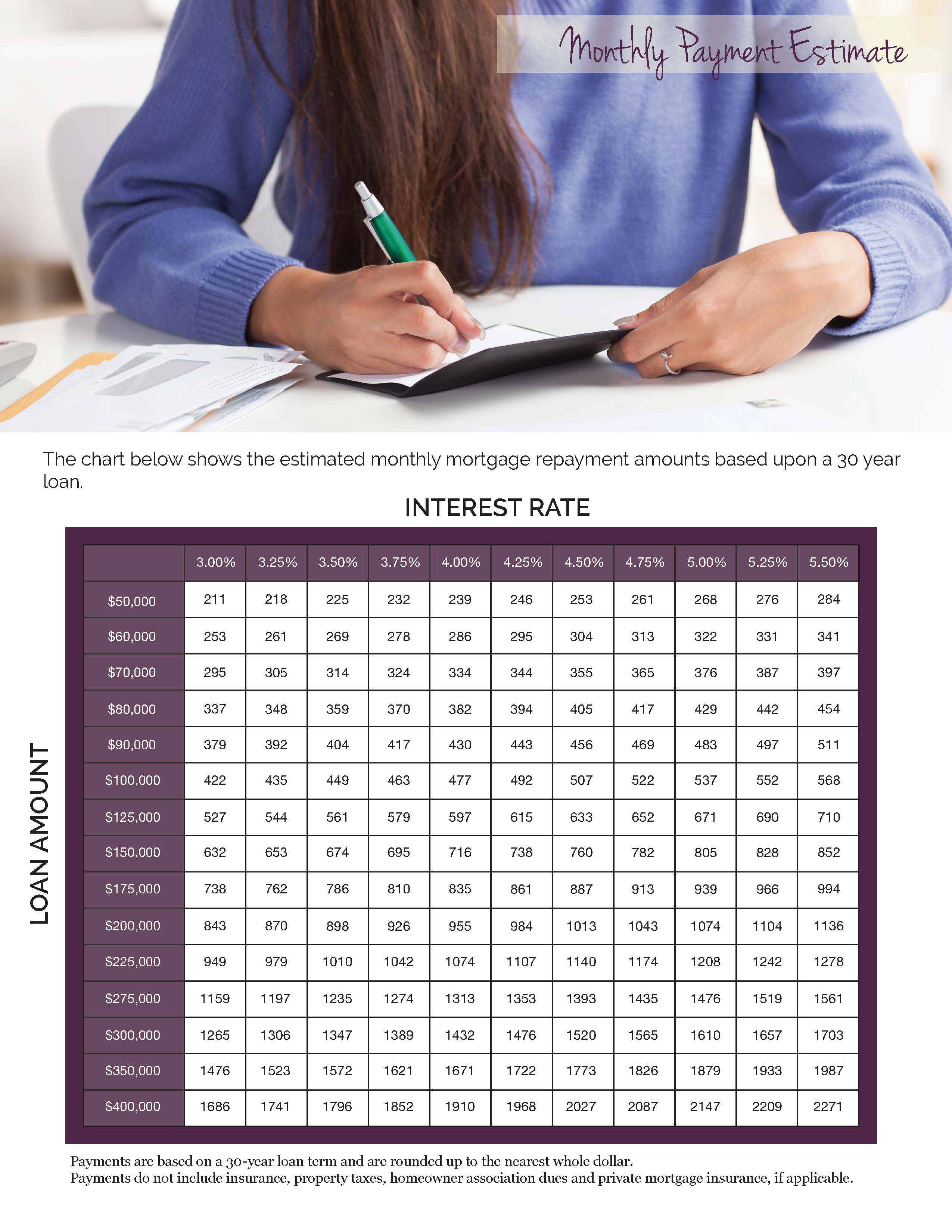
Online loan calculators are invaluable tools for quickly estimating payments for mortgages, auto loans, and personal loans. By inputting the principal amount, interest rate, and loan term, they instantly provide an estimated monthly payment and often a basic amortization schedule. Many also allow you to see the impact of extra payments or different loan terms. Their primary strength lies in their accessibility and speed, offering a good initial estimate. However, their limitations include often not accounting for additional fees (e.g., closing costs, origination fees, property taxes, insurance for mortgages), which can significantly affect the true cost and overall monthly outlay. They are best used for preliminary planning and comparison, not as a definitive statement of your final payment. Always confirm exact figures with your lender.
When to Consult a Financial Advisor
While online tools are useful, complex financial situations or significant financial decisions often warrant the expertise of a professional. A certified financial planner or advisor can offer personalized guidance on a wide range of payment-related scenarios. They can help you:
- Optimize Debt Repayment: Develop a strategic plan for paying down multiple debts, considering interest rates, terms, and personal financial goals.
- Evaluate Loan Options: Compare complex loan products, helping you understand the nuances of different interest rates, fees, and repayment structures to choose the best fit for your needs.
- Budgeting and Cash Flow Management: Assist in creating a robust budget that aligns with your income, expenses, and savings goals, ensuring all payments are manageable.
- Retirement and Investment Planning: Integrate your payment obligations into a broader financial plan that accounts for long-term wealth building and income generation.
- Navigating Life Events: Provide advice on how major life changes (e.g., marriage, parenthood, job loss, retirement) will impact your payments and overall financial health.
Seeking professional advice ensures that your payment strategies are not just focused on the immediate figures but are also aligned with your overarching financial objectives and risk tolerance.
aViewFromTheCave is a participant in the Amazon Services LLC Associates Program, an affiliate advertising program designed to provide a means for sites to earn advertising fees by advertising and linking to Amazon.com. Amazon, the Amazon logo, AmazonSupply, and the AmazonSupply logo are trademarks of Amazon.com, Inc. or its affiliates. As an Amazon Associate we earn affiliate commissions from qualifying purchases.