
Embarking on the journey of homeownership can feel like navigating a complex financial landscape, particularly when it comes to understanding the myriad loan options available. Among the most popular and accessible choices for many homebuyers, especially first-timers, are FHA loans. These government-backed mortgages offer a pathway to homeownership with more lenient qualification criteria than conventional loans. However, the question “what are FHA loan rates?” is far from straightforward. FHA loan rates are dynamic, influenced by a confluence of economic factors, individual borrower profiles, and lender policies. Grasping these nuances is crucial for any prospective homeowner looking to make an informed decision and secure the most favorable terms. This comprehensive guide will demystify FHA loan rates, exploring the factors that shape them, the additional costs involved, and strategies to ensure you obtain the best possible deal.
Understanding FHA Loans and Their Unique Appeal
To fully appreciate FHA loan rates, it’s essential to first understand what an FHA loan is and why it stands out in the mortgage market. Administered by the Federal Housing Administration (FHA), a division of the U.S. Department of Housing and Urban Development (HUD), these loans are designed to make homeownership more accessible, particularly for individuals who might not qualify for conventional mortgages.
The Role of the Federal Housing Administration (FHA)
It’s a common misconception that the FHA lends money directly to homebuyers. In reality, the FHA insures mortgages that are originated by FHA-approved private lenders, such as banks, credit unions, and mortgage companies. This insurance protects lenders against potential losses if a borrower defaults on their loan. Because lenders are protected, they are willing to take on borrowers with higher perceived risk, offering more flexible underwriting standards than they would for conventional loans. This crucial distinction is what underpins the accessibility and unique characteristics of FHA loans. The FHA sets guidelines for these loans, but individual lenders still compete on rates and terms, which is where the variation in “FHA loan rates” comes into play.
Key Benefits of FHA Loans for Borrowers
The FHA loan program comes with several compelling advantages that make it an attractive option for a broad spectrum of buyers:
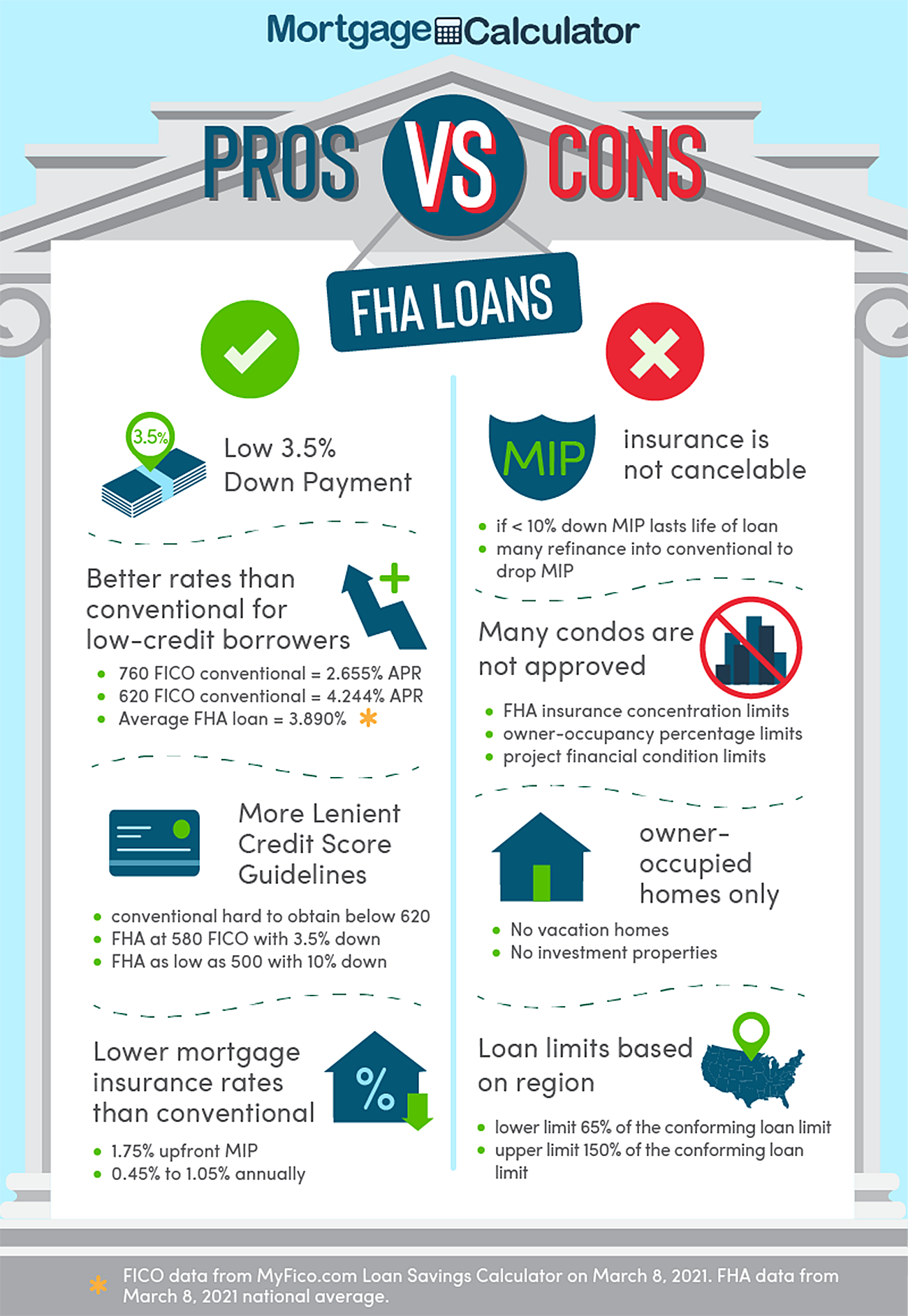
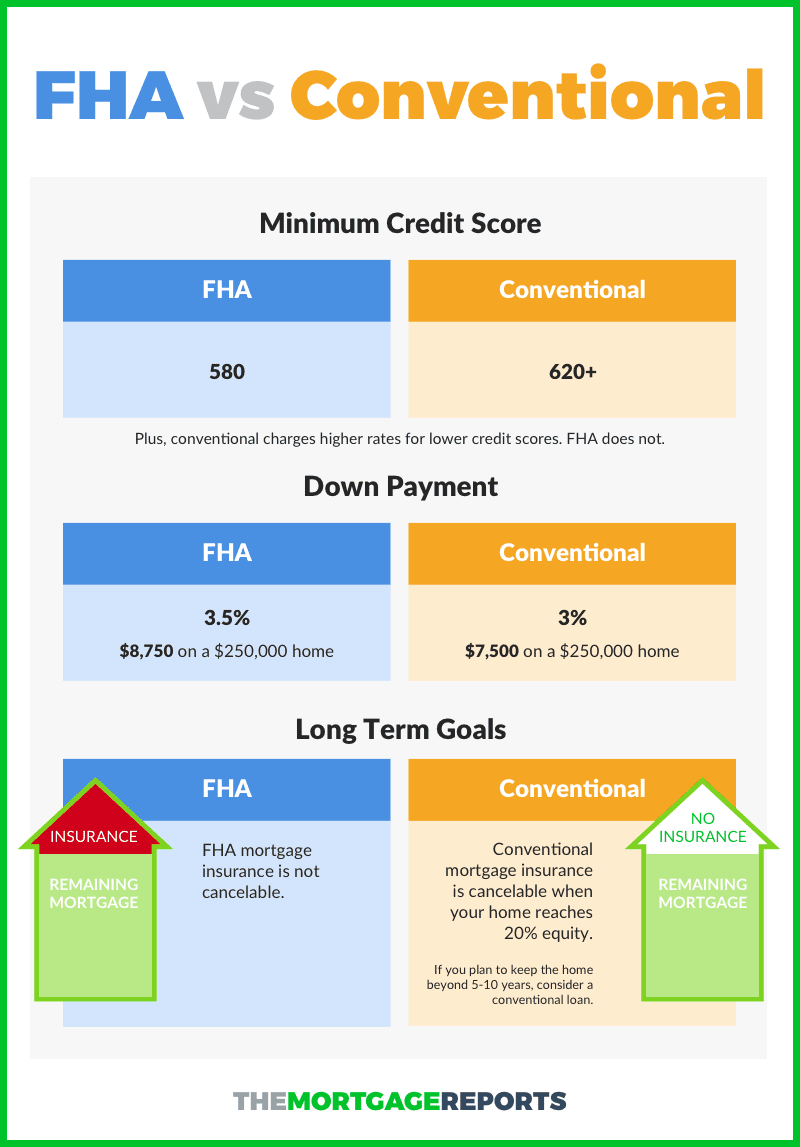
- Lower Down Payment Requirements: One of the most significant benefits is the low minimum down payment, often as little as 3.5% of the home’s purchase price. This is considerably lower than the 5% to 20% typically required for conventional loans, making homeownership attainable sooner for many.
- More Lenient Credit Score Requirements: FHA loans are known for their flexibility regarding credit scores. While specific requirements can vary by lender, borrowers with credit scores as low as 580 may qualify for the 3.5% down payment. Those with scores between 500 and 579 might still qualify with a larger down payment (typically 10%). This is a stark contrast to conventional loans, which often demand scores in the mid-600s or higher for the best rates.
- Competitive Interest Rates: Although sometimes perceived as having higher rates due to their flexibility, FHA loan interest rates are often competitive with, and in some cases even lower than, conventional loan rates for borrowers with less-than-perfect credit. The FHA insurance mitigates lender risk, allowing them to offer favorable rates to a wider pool of applicants.
- Assumability: FHA loans are assumable, meaning a buyer can take over the seller’s existing FHA mortgage, including its interest rate. This can be a significant advantage in a rising interest rate environment, though it requires the new buyer to qualify under FHA guidelines and the lender’s approval.
Factors Influencing FHA Loan Rates
The rate you’ll ultimately pay on an FHA loan is not static; it’s a moving target influenced by both macro-economic forces and your personal financial standing. Understanding these factors is key to predicting and potentially influencing your rate.
The Current Economic Climate and Market Trends
Mortgage rates, including those for FHA loans, are inextricably linked to the broader economy. Several key indicators can drive rates up or down:
- Federal Reserve Policy: The Federal Reserve’s decisions on the federal funds rate, while not directly controlling mortgage rates, significantly influence the cost of borrowing for banks. When the Fed raises rates, it generally translates to higher borrowing costs across the board, including for mortgages.
- Inflation: High inflation can erode the purchasing power of money, leading lenders to demand higher interest rates to compensate for the decreased value of future repayments.
- Bond Market Performance: Mortgage rates often track the yield on U.S. Treasury bonds, particularly the 10-year Treasury note. When bond yields rise, mortgage rates tend to follow suit.
- Housing Market Demand: A robust housing market with high demand can put upward pressure on rates, while a slowdown might encourage lenders to offer more attractive rates to stimulate borrowing.
- Global Events: Geopolitical events, international conflicts, and global economic shifts can create uncertainty, often causing investors to seek the stability of U.S. bonds, which can indirectly impact mortgage rates.
Individual Borrower Profile and Financial Health
While market conditions set the baseline, your personal financial health plays a critical role in determining the specific FHA loan rate you’re offered:
- Credit Score: Although FHA loans are more forgiving of lower credit scores, a higher score will almost always translate to a better interest rate. Lenders view borrowers with excellent credit as lower risk, rewarding them with more favorable terms.
- Debt-to-Income (DTI) Ratio: Your DTI ratio, which compares your monthly debt payments to your gross monthly income, is a crucial indicator of your ability to manage additional debt. While FHA guidelines allow for higher DTIs than conventional loans (sometimes up to 50% in certain circumstances), a lower DTI signals greater financial stability to lenders and can help secure a better rate.
- Loan Term: The length of your loan significantly impacts your interest rate. Typically, a 15-year FHA loan will have a lower interest rate than a 30-year FHA loan. While the monthly payments are higher on a 15-year loan, you pay less interest over the life of the loan.
- Loan-to-Value (LTV) Ratio: Your LTV ratio is the loan amount divided by the home’s appraised value. A lower LTV (meaning a larger down payment) can sometimes result in a slightly lower interest rate, as it reduces the lender’s risk.
Lender-Specific Considerations and Fees
Not all FHA-approved lenders are created equal. They each have their own operational costs, profit margins, and risk assessment models, which can lead to variations in the rates they offer.
- Lender Overheads: Smaller lenders or credit unions might have lower overheads than large national banks, potentially allowing them to offer slightly better rates or lower fees.
- Profit Margins: Lenders need to make a profit, and their desired margin will factor into the rates they quote.
- Discount Points: Lenders may offer the option to “buy down” your interest rate by paying discount points at closing. Each point typically costs 1% of the loan amount and can reduce your interest rate by a certain fraction. This can be a worthwhile investment if you plan to stay in the home for a long time.
- Origination Fees: These are fees charged by the lender for processing your loan application. While not directly part of the interest rate, they are part of the overall cost of borrowing and can vary between lenders.
Beyond the Interest Rate: The True Cost of an FHA Loan
While the interest rate is a primary concern, it’s crucial to understand that it’s only one component of the total cost of an FHA loan. Additional charges, particularly mortgage insurance, significantly impact your monthly payments and overall financial outlay.
Mortgage Insurance Premiums (MIP)
Unlike conventional loans, which might require private mortgage insurance (PMI) if your down payment is less than 20%, FHA loans always require two types of Mortgage Insurance Premiums (MIP), regardless of your down payment size. This is the cost of the FHA’s insurance policy that protects the lender.
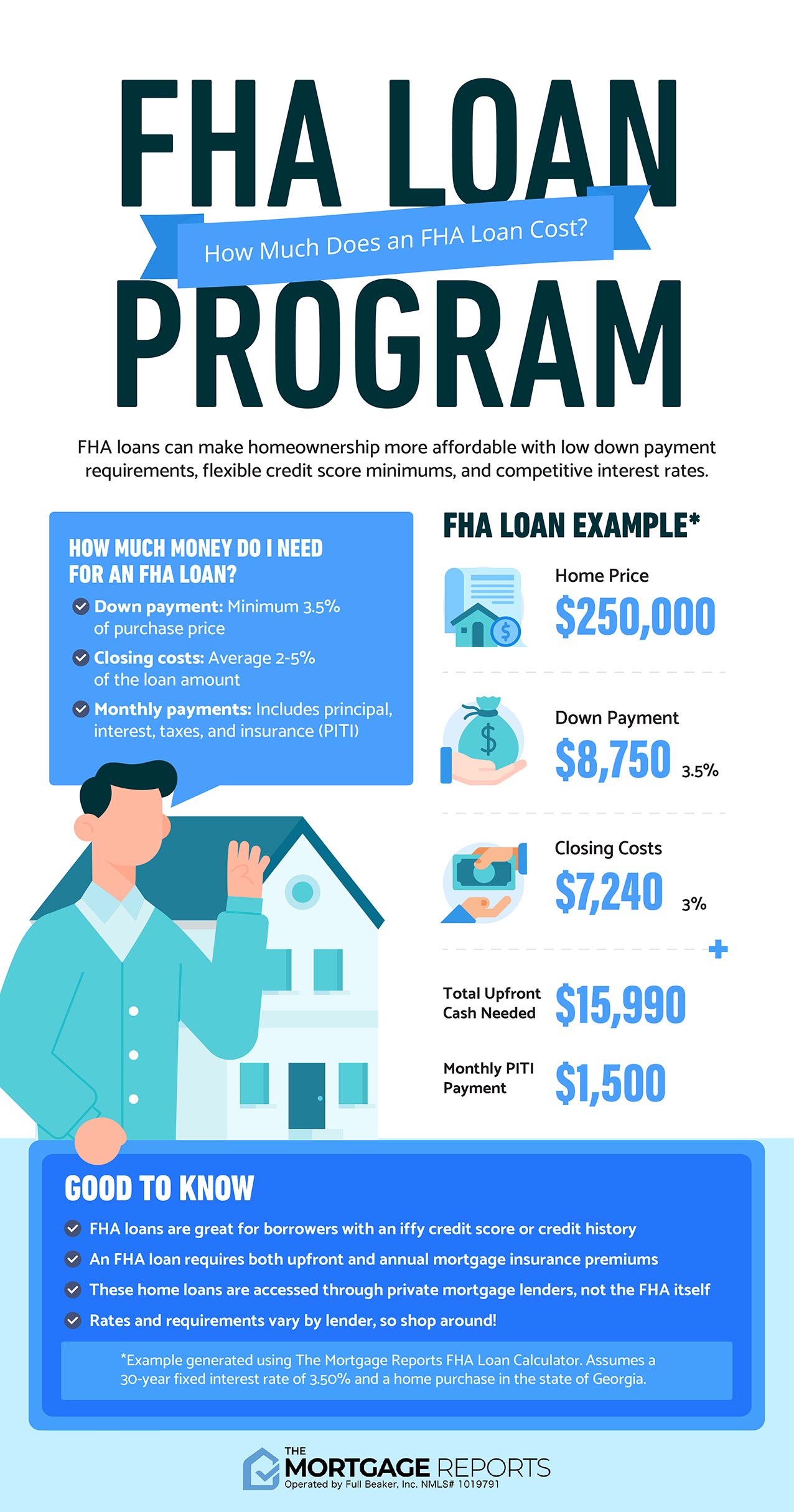
- Upfront Mortgage Insurance Premium (UFMIP): This is a one-time charge equal to 1.75% of the loan amount. It’s typically financed into the loan, meaning it’s added to your principal balance, rather than paid out of pocket at closing. For example, on a $300,000 loan, the UFMIP would be $5,250.
- Annual Mortgage Insurance Premium (Annual MIP): This premium is paid monthly and is calculated based on your loan amount, loan term, and loan-to-value (LTV) ratio. For most FHA loans with a down payment of less than 10%, the Annual MIP will remain for the entire life of the loan. If your down payment is 10% or more, the Annual MIP will terminate after 11 years. The annual rate typically ranges from 0.45% to 1.05% of the average outstanding loan balance for that year. This is divided by 12 and added to your monthly mortgage payment.
The presence of MIP makes FHA loans more expensive on a monthly basis than a conventional loan with similar interest rates and no PMI. This is a critical factor to weigh when comparing loan options.
Closing Costs and Other Fees
In addition to the UFMIP, borrowers will incur various closing costs, which are expenses paid at the time of closing the loan. These can range from 2% to 5% of the loan amount and include:
- Appraisal Fee: Cost for an FHA-approved appraiser to assess the home’s value and ensure it meets FHA minimum property standards.
- Title Insurance: Protects both the lender and the buyer from disputes over property ownership.
- Origination Fees: Charged by the lender for processing the loan.
- Recording Fees: Paid to the local government to record the property transfer and mortgage.
- Escrow Fees: Fees for setting up and managing an escrow account for property taxes and homeowner’s insurance.
- Attorney Fees: If applicable in your state.
- Credit Report Fees: Cost to pull your credit report.
While some of these fees can sometimes be negotiated with the seller (known as seller concessions, which FHA allows up to 6% of the sales price), or covered by lender credits, they are an essential part of the overall cost to consider when budgeting for an FHA loan.
Strategies for Securing the Best FHA Loan Rates
Knowing what influences FHA loan rates empowers you to take proactive steps toward securing the most favorable terms possible. A combination of financial discipline and smart shopping can make a significant difference in your monthly payments and the total cost of your home.
Improve Your Credit Score
Even if your credit score is within the FHA’s acceptable range, improving it can lead to a better interest rate. Lenders often offer tiered pricing based on credit score bands. Focus on:
- Paying Bills on Time: Payment history is the most critical factor in your credit score.
- Reducing Credit Card Debt: Lowering your credit utilization ratio (the amount of credit you’re using compared to your available credit) can quickly boost your score.
- Checking Your Credit Report for Errors: Dispute any inaccuracies that could be dragging down your score.
- Avoid Opening New Credit Accounts: This can temporarily lower your score.
Shop Around and Compare Offers
This is perhaps the most impactful strategy. Don’t simply go with the first lender you speak to. Contact at least three to five FHA-approved lenders—including national banks, local credit unions, and mortgage brokers—and request detailed Loan Estimates.
- Focus on the APR (Annual Percentage Rate): While the interest rate is important, the APR provides a more comprehensive measure of the total cost of the loan, including most fees and mortgage insurance.
- Compare Closing Costs: Different lenders may have varying origination fees and other charges.
- Read the Fine Print: Understand all terms and conditions, including any prepayment penalties (rare for FHA) or specific requirements.
Consider a Larger Down Payment
While FHA loans are known for low down payments, if you can afford to put down more than the minimum 3.5%, it can offer several advantages:
- Reduces Loan Amount: A larger down payment means you’re borrowing less, which reduces your monthly payments.
- Potentially Lower MIP: If you put down 10% or more, your annual MIP will terminate after 11 years, saving you a substantial amount of money over the long term.
- Slightly Better Rates: In some cases, a higher down payment might slightly improve your interest rate, as it demonstrates lower risk to the lender.
Understand Discount Points
Discount points are a way to “buy down” your interest rate. Each point typically costs 1% of the loan amount and can reduce your interest rate.
- Calculate the Breakeven Point: Determine how long it will take for the savings from a lower interest rate to offset the cost of the points. If you plan to stay in the home longer than the breakeven point, buying points can be a smart financial move.
- Factor into Closing Costs: Remember that points are paid upfront at closing.
Lock In Your Rate Strategically
Once you’ve found a favorable rate and are moving forward with a lender, you’ll want to “lock in” your interest rate. This ensures your rate won’t change between the time you apply and the time you close.
- Understand Rate Lock Periods: Locks are typically for 30, 45, or 60 days. Choose a period that gives you ample time to close without risking the lock expiring.
- When to Lock: It’s generally advisable to lock your rate after you’ve received your pre-approval and are reasonably sure you’ll close on a home within the lock period. Locking too early can mean the lock expires, and you might have to pay to extend it or accept a higher rate if rates have risen.
The Application Process: What to Expect
Navigating the FHA loan application process requires preparation and understanding of the key stages involved.
Pre-Qualification vs. Pre-Approval
These terms are often used interchangeably but have distinct meanings:
- Pre-Qualification: A preliminary assessment based on self-reported financial information. It gives you a rough idea of how much you might be able to borrow.
- Pre-Approval: A more thorough evaluation where a lender verifies your income, assets, and credit. You’ll receive a pre-approval letter stating the maximum loan amount you qualify for, which is a powerful tool when making offers on homes. Always aim for pre-approval.
Required Documentation
Be prepared to provide extensive documentation to your lender, typically including:
- Income Verification: Pay stubs (past 30 days), W-2s (past two years), and federal tax returns (past two years).
- Asset Statements: Bank statements (past two months) to show funds for the down payment and closing costs.
- Proof of Identity: Driver’s license, Social Security card.
- Credit Consent: Authorization for the lender to pull your credit report.
- Rental History: In some cases, particularly if you have limited credit history.
Appraisal and Underwriting
Once you’ve made an offer and it’s accepted, the loan moves into the appraisal and underwriting phase:
- FHA Appraisal: An FHA-approved appraiser will not only determine the home’s market value but also ensure it meets FHA minimum property standards for safety, security, and structural soundness. This can sometimes lead to requests for repairs before closing.
- Underwriting: The underwriter thoroughly reviews all your financial documentation, credit report, and the appraisal to ensure you meet all FHA and lender guidelines. They will confirm your ability to repay the loan and that the property qualifies. This stage can involve requests for additional documentation or clarification.
Conclusion
Understanding “what are FHA loan rates” is about more than just a single number; it’s about appreciating the interplay of economic forces, individual financial health, and lender specifics. FHA loans remain a cornerstone of accessible homeownership, offering a vital pathway for many who might otherwise be priced out of the market. While their benefits—like low down payments and flexible credit requirements—are significant, it’s equally important to factor in the mandatory mortgage insurance premiums and other closing costs to gauge the true expense.
By diligently working to improve your credit, meticulously shopping around for the best lender, and fully grasping all the components of your loan, you can position yourself to secure the most advantageous FHA loan rates and terms. Homeownership is a significant financial commitment, and an informed decision, backed by thorough research and strategic planning, is your best tool for success.
aViewFromTheCave is a participant in the Amazon Services LLC Associates Program, an affiliate advertising program designed to provide a means for sites to earn advertising fees by advertising and linking to Amazon.com. Amazon, the Amazon logo, AmazonSupply, and the AmazonSupply logo are trademarks of Amazon.com, Inc. or its affiliates. As an Amazon Associate we earn affiliate commissions from qualifying purchases.