
Bitcoin, once a fringe digital experiment, has matured into a formidable financial asset and, increasingly, a viable payment method. For years, the common question among crypto newcomers and skeptics alike was not just “what is Bitcoin?” but “where can I actually use it?”. This inquiry delves into the core utility of any currency: its acceptance in daily commerce. Today, the answer to “who takes Bitcoin?” is far more extensive and diverse than ever before, reflecting a significant shift in how businesses and consumers perceive digital assets. This article will explore the evolving landscape of Bitcoin acceptance, highlight key sectors embracing it, guide you on how to find merchants, and discuss the implications for both consumers and businesses in this burgeoning digital economy.
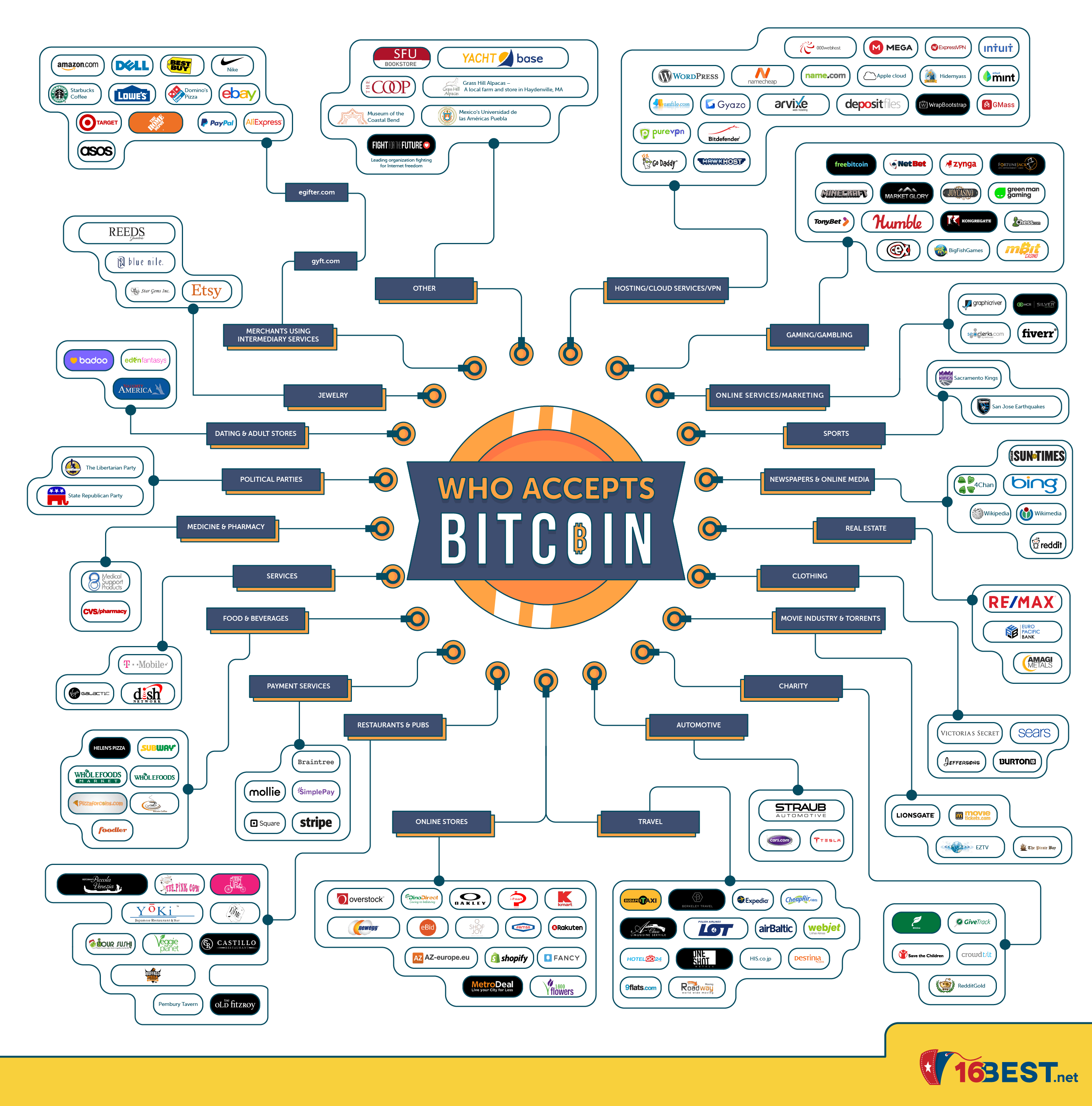
The Evolution of Bitcoin Acceptance: From Niche to Mainstream Commerce
The journey of Bitcoin from a playground for tech enthusiasts to a legitimate payment option has been a fascinating and often turbulent one. Its early days were marked by a cautious, almost experimental adoption, primarily by those deeply entrenched in the technology or with a strong libertarian bent. Fast forward to today, and Bitcoin is not just a speculative asset but a transactional currency gaining real-world utility.
The Early Days: Tech Enthusiasts and Niche Marketplaces
In its infancy, Bitcoin’s primary users were developers, early adopters, and individuals operating within the nascent internet subcultures. Acceptance was scarce, limited mostly to online forums, specific tech service providers, and niche marketplaces like the infamous Silk Road. Transactions were often peer-to-peer, requiring a degree of technical savvy. The early narrative was less about spending and more about holding, mining, or trading this revolutionary digital asset. The sheer novelty and the technical hurdles made it inaccessible for the average consumer, and most businesses saw little reason to accept such a volatile and poorly understood form of payment.
Institutional Interest and Payment Processors Drive Adoption
A pivotal turning point arrived with the entry of institutional players and the development of dedicated cryptocurrency payment processors. Companies like BitPay, Coinbase Commerce, and CoinPayments emerged as crucial intermediaries, simplifying the acceptance process for merchants. These platforms handle the complexities of converting Bitcoin to fiat currency, mitigating volatility risks, and providing familiar accounting tools. This innovation dramatically lowered the barrier to entry for businesses, allowing them to accept Bitcoin without needing deep technical expertise or directly managing the digital asset. Simultaneously, major financial institutions and even publicly traded companies began exploring Bitcoin, lending it legitimacy and signaling its potential as a long-term fixture in the financial world. This institutional backing, combined with user-friendly payment solutions, paved the way for broader merchant adoption.
Regulatory Clarity and Growing Merchant Confidence
While still evolving, the increasing regulatory clarity in many jurisdictions has also played a significant role. Governments are slowly but surely creating frameworks for digital assets, which, despite sometimes being restrictive, provide a level of certainty that encourages businesses to participate. As more businesses, from small startups to multinational corporations, began to accept Bitcoin, a virtuous cycle was created. Increased acceptance led to greater public awareness and trust, which in turn encouraged more businesses to consider it, driven by a desire to attract a new demographic of crypto-savvy customers and appear innovative. This growing confidence has been instrumental in Bitcoin’s shift from a speculative curiosity to a more practical payment instrument.
Key Industries Embracing Bitcoin Payments
The types of businesses and industries that accept Bitcoin have diversified significantly. While some sectors were natural fits due to their digital nature or forward-thinking ethos, others have been surprising adopters, highlighting Bitcoin’s growing versatility.
E-commerce and Online Retailers
Perhaps the most natural fit for Bitcoin has been the e-commerce sector. The entirely digital nature of online shopping aligns perfectly with a digital currency. Major online retailers and countless smaller e-stores now integrate Bitcoin payment options through processors. This allows consumers to purchase everything from electronics and apparel to subscription services and digital content. For these businesses, accepting Bitcoin opens them up to a global customer base, potentially reduces transaction fees compared to traditional credit card processors, and offers a degree of finality to transactions, reducing the risk of chargebacks.
Travel and Hospitality
The travel industry, with its global reach and often high-value transactions, has also shown significant interest. Airlines, hotel chains, and online travel agencies are increasingly offering Bitcoin as a payment option. This caters to international travelers who might face difficulties with traditional banking systems or prefer to avoid foreign exchange fees. Companies like Expedia (though with varying availability over time), CheapAir, and various boutique hotels around the world have experimented with or fully integrated Bitcoin payments, recognizing the opportunity to attract a tech-savvy and often affluent customer segment.
Real Estate and Luxury Goods
At the higher end of the transactional spectrum, Bitcoin has found a niche in real estate and luxury goods. The ability to transfer large sums of value across borders quickly and with relatively lower fees (compared to traditional wire transfers for multi-million-dollar properties) makes it attractive for high-value purchases. Properties, yachts, luxury cars, and even fine art have been bought and sold using Bitcoin. This sector appreciates the speed, discretion, and global accessibility that Bitcoin transactions can offer, appealing to a clientele looking for innovative and efficient ways to manage their wealth and acquisitions.
Tech Services and Digital Goods
Unsurprisingly, companies operating within the technology sector, particularly those dealing with digital goods and services, have been early and consistent adopters. Web hosting providers, VPN services, software licenses, game developers, and freelance platforms often accept Bitcoin. For these businesses, the customer base is inherently comfortable with digital technologies, and the operational benefits—such as reaching customers worldwide without traditional banking limitations—are clear. It also helps them project an image of innovation and forward-thinking.
Entertainment and Gaming
The entertainment and gaming industries, driven by a young, digitally native audience, have also embraced Bitcoin. Online casinos, esports platforms, and even some streaming services allow users to pay with cryptocurrency. For gamers, Bitcoin offers a fast and secure way to purchase in-game items, subscriptions, or participate in online tournaments, often with reduced friction compared to traditional payment methods. The innovative nature of blockchain technology also aligns well with the cutting-edge aspects of the gaming world.
How to Identify Businesses Accepting Bitcoin
For consumers eager to spend their Bitcoin, knowing where to look is key. Fortunately, as adoption grows, so do the resources available to locate crypto-friendly merchants.
Online Directories and Crypto Maps
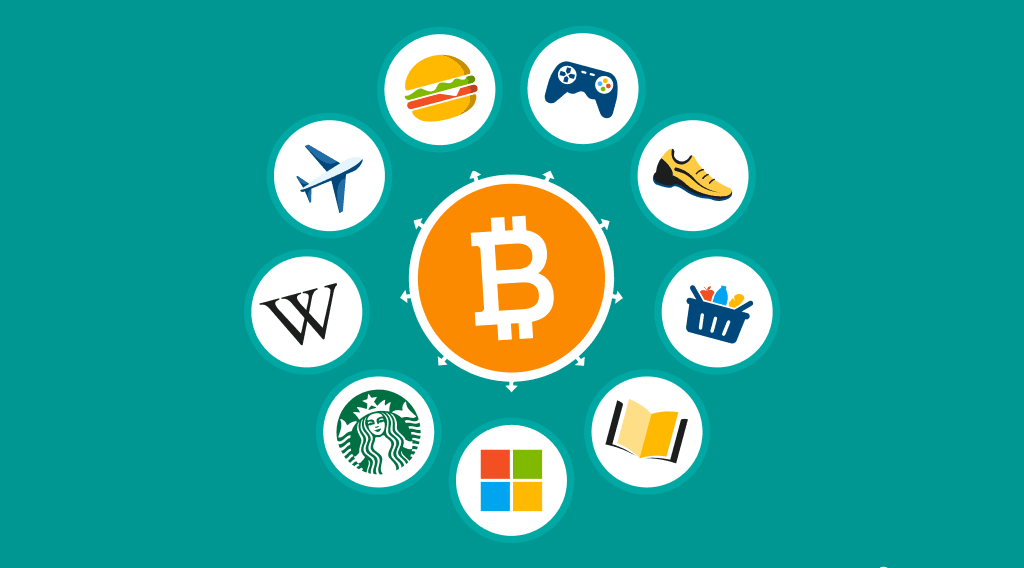
One of the most straightforward ways to find businesses accepting Bitcoin is through specialized online directories and crypto maps. Websites like Coinmap.org, Cryptwerk.com, and Spendabit.co list thousands of businesses worldwide, often allowing users to filter by location, industry, or specific cryptocurrency. These platforms are community-driven and regularly updated, providing a comprehensive overview of the crypto-acceptance landscape, from local cafes to international online stores.
Payment Processor Logos and Integrations
When shopping online, look for the logos of major crypto payment processors at checkout. If you see icons for BitPay, Coinbase Commerce, or similar services, it’s a strong indicator that the merchant accepts Bitcoin (and often other cryptocurrencies). Many e-commerce platforms also integrate directly with these processors, making the checkout experience as seamless as paying with a credit card. On physical storefronts, businesses might display stickers or signs indicating “Bitcoin Accepted Here.”
Direct Inquiries and Website Checkouts
If you’re unsure whether a particular business accepts Bitcoin, don’t hesitate to check their website’s FAQ, payment options page, or contact their customer service directly. Many businesses that accept Bitcoin proudly promote it as an innovative payment method. Furthermore, during the checkout process on an e-commerce site, before finalizing your payment, you’ll typically be presented with various payment options, and Bitcoin (or “cryptocurrency”) might be listed among them.
Benefits and Considerations for Adopting Bitcoin as a Payment Method
The decision to accept or spend Bitcoin comes with a unique set of advantages and challenges for both consumers and merchants. Understanding these can help individuals and businesses navigate the digital asset landscape more effectively.
Advantages for Consumers: Privacy, Speed, and Global Access
For consumers, paying with Bitcoin offers several compelling benefits. Transactions can often be faster than traditional bank transfers, especially for international payments, and can be executed 24/7. While not entirely anonymous, Bitcoin transactions offer a degree of pseudonymity, as they don’t necessarily link directly to personal bank accounts. Furthermore, for individuals in regions with unstable local currencies or limited access to traditional banking services, Bitcoin provides a decentralized, censorship-resistant alternative for transactions and wealth storage, offering global accessibility without intermediaries. In some cases, transaction fees can also be lower than those associated with international wire transfers or credit card processing.
Advantages for Merchants: Wider Customer Base, Reduced Chargebacks, Innovation
Businesses that accept Bitcoin stand to gain significantly. They tap into a new, often tech-savvy and loyal customer base. The finality of Bitcoin transactions—once confirmed, they are irreversible—means a drastic reduction in chargeback fraud, a persistent headache for many online retailers. Bitcoin payments can also offer lower processing fees compared to traditional credit card networks, leading to higher profit margins. Moreover, accepting Bitcoin positions a business as innovative and forward-thinking, which can be a valuable brand differentiator in a competitive market. It demonstrates a willingness to embrace new technologies and cater to evolving consumer preferences.
Challenges and Volatility
Despite the advantages, Bitcoin’s notorious price volatility remains a significant consideration for both parties. Merchants typically use payment processors that instantly convert Bitcoin to fiat currency, mitigating their exposure to price swings. However, consumers who hold Bitcoin and intend to spend it must be aware that the value of their holdings can fluctuate significantly between the time they acquire it and the time they spend it. Additionally, while transaction fees can be low, they are not always predictable and can spike during periods of high network congestion. Transaction confirmation times, while generally improving with network upgrades, can sometimes be longer than instant credit card authorizations.
Understanding Transaction Fees and Confirmation Times
Bitcoin transactions incur a network fee paid to miners, which varies based on network demand and the size of the transaction. Users can typically choose a higher fee to expedite confirmation or a lower fee for less urgent transactions. While the Lightning Network is addressing scalability and speed, basic on-chain Bitcoin transactions still require a certain number of block confirmations for finality, which can range from minutes to an hour or more, depending on the network’s activity and the chosen fee. It’s crucial for users and merchants to understand these dynamics to manage expectations around transaction speed and cost.
The Future of Bitcoin in Commerce
The trajectory of Bitcoin acceptance points towards an increasingly integrated role in the global economy. While challenges remain, ongoing technological developments and a maturing regulatory landscape are setting the stage for even broader adoption.
The Role of Lightning Network and Scalability Solutions
One of the most promising developments for Bitcoin’s transactional future is the Lightning Network. This second-layer scaling solution enables near-instant, low-cost Bitcoin transactions off the main blockchain, significantly enhancing its utility for everyday purchases. As the Lightning Network matures and gains wider adoption, it has the potential to transform Bitcoin into a truly viable micro-payment system, making it suitable for even small retail transactions like buying a coffee. Further scalability solutions and ongoing protocol improvements will continue to make Bitcoin more efficient and user-friendly.
Expanding Merchant Integration and User-Friendly Wallets
The trend of expanding merchant integration is expected to continue, driven by competitive pressures and the increasing ease of acceptance via payment processors. Simultaneously, cryptocurrency wallets are becoming more intuitive and feature-rich, bridging the gap between complex blockchain technology and everyday user experience. Mobile apps, hardware wallets, and browser extensions are making it simpler for individuals to store, send, and receive Bitcoin, further lowering the barrier to entry for mainstream consumers. This combination of easier merchant integration and more user-friendly consumer tools will fuel further growth.
Global Adoption and Cross-Border Transactions
Bitcoin’s inherent borderlessness makes it an ideal candidate for facilitating global trade and remittances. As more countries and international businesses embrace digital currencies, Bitcoin’s role in cross-border transactions is expected to expand dramatically. It offers a faster, potentially cheaper, and more transparent alternative to traditional international banking systems, particularly beneficial for developing economies or regions with limited access to conventional financial services. This global reach underpins much of Bitcoin’s long-term promise as a universal medium of exchange.
Regulatory Landscape and Mainstream Acceptance
The evolving regulatory landscape will continue to shape Bitcoin’s future in commerce. As governments establish clearer rules around digital assets, it will provide greater certainty for businesses and consumers, fostering trust and encouraging wider adoption. While some regulations might be restrictive, a well-defined framework can also legitimize Bitcoin in the eyes of the broader public and traditional financial institutions, paving the way for full mainstream acceptance. The eventual integration of Bitcoin with traditional financial products and services will solidify its position as a significant component of the global financial ecosystem.
The question “who takes Bitcoin?” no longer elicits a blank stare but rather an increasingly diverse and impressive list of merchants and service providers. From tech giants to local businesses, the willingness to embrace this digital currency reflects a broader shift in financial paradigms. As technological innovations like the Lightning Network mature and regulatory environments become clearer, Bitcoin’s role as a transactional currency is set to grow even further, cementing its place not just as a store of value, but as a practical and powerful tool in the global economy.
aViewFromTheCave is a participant in the Amazon Services LLC Associates Program, an affiliate advertising program designed to provide a means for sites to earn advertising fees by advertising and linking to Amazon.com. Amazon, the Amazon logo, AmazonSupply, and the AmazonSupply logo are trademarks of Amazon.com, Inc. or its affiliates. As an Amazon Associate we earn affiliate commissions from qualifying purchases.