
Securing a car loan is a significant financial step, enabling millions to purchase the vehicles they need for work, family, and personal life. However, the question isn’t just “Can I get a loan?” but rather, “How much of a loan will I qualify for, and on what terms?” Understanding the intricate factors that lenders consider is paramount, not only for approval but for securing the most favorable interest rates and manageable monthly payments. This article delves into the critical elements influencing your car loan qualification, offering insights and strategies to help you navigate the process successfully and responsibly.
The Core Pillars of Car Loan Qualification
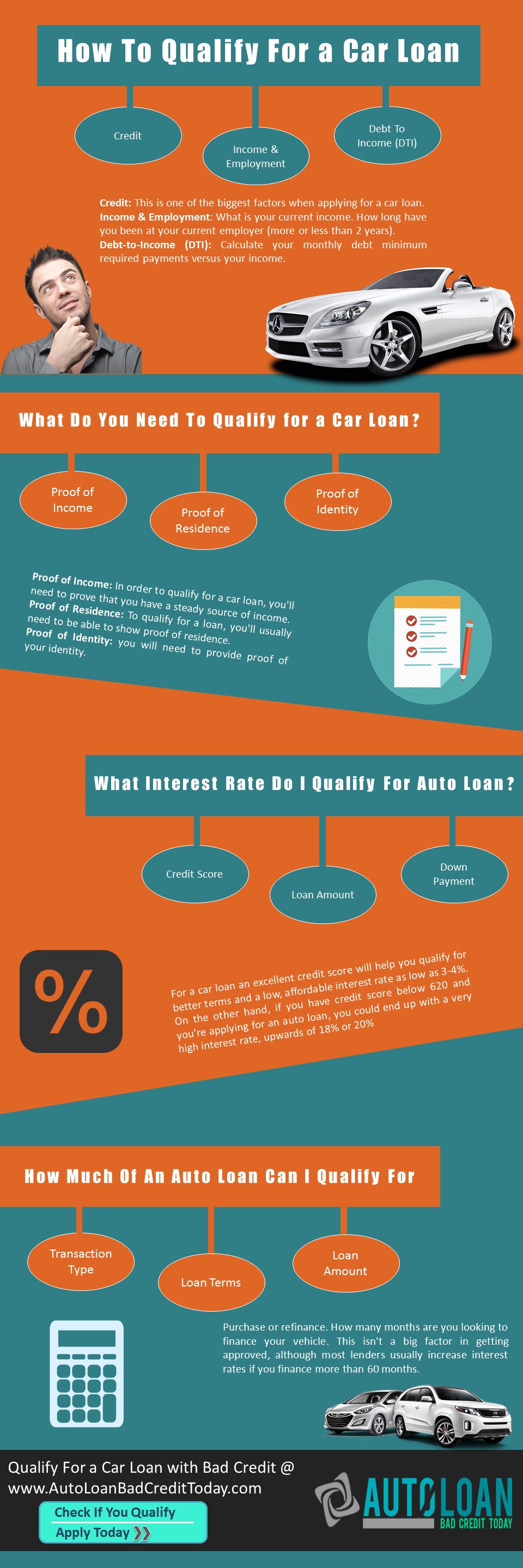
Lenders assess a multifaceted financial profile when evaluating a car loan application. Their primary goal is to gauge your ability and willingness to repay the debt. This assessment revolves around several key financial indicators.
Your Credit Score: The Ultimate Financial Report Card
Your credit score is arguably the most influential factor in determining car loan qualification and the interest rate you’ll receive. It’s a three-digit number, typically ranging from 300 to 850 (FICO and VantageScore being the most common models), that summarizes your creditworthiness.
- What it measures: Your credit score reflects your payment history, the amount of debt you owe, the length of your credit history, the types of credit you use, and new credit applications.
- Impact on qualification: A higher credit score (generally 670 and above) indicates a lower risk to lenders, making you eligible for better interest rates and more substantial loan amounts. Conversely, a lower score might lead to higher interest rates, smaller loan offers, or even denial.
- Credit tiers: While there are no universal cut-offs, scores typically fall into categories like excellent (780-850), very good (740-779), good (670-739), fair (580-669), and poor (300-579). Lenders often have different tiers for their best rates.
Income and Employment Stability: Proving Your Repayment Capacity
Lenders need assurance that you have a consistent and sufficient income stream to comfortably make your monthly car loan payments.
- Steady income: They’ll look for stable employment, often preferring applicants who have been at their current job for at least six months to a year, though longer is better.
- Income verification: You’ll typically need to provide proof of income, such as recent pay stubs, W-2 forms, or tax returns (especially for self-employed individuals).
- Minimum income requirements: Some lenders have minimum monthly or annual income thresholds that applicants must meet, varying by the loan amount and the lender’s policies.
Debt-to-Income (DTI) Ratio: A Snapshot of Your Financial Obligations
Your Debt-to-Income (DTI) ratio is a critical metric that lenders use to assess your ability to manage monthly payments and take on additional debt. It’s calculated by dividing your total monthly debt payments (including rent/mortgage, credit card minimums, student loans, etc.) by your gross monthly income.
- Calculation: (Total Monthly Debt Payments) / (Gross Monthly Income) = DTI Ratio
- Lender preference: Lenders generally prefer a DTI ratio of 36% or lower, though some might go up to 43% or even 50% for certain loans, especially if you have a strong credit score and a significant down payment. A lower DTI indicates that you have more disposable income available to cover new loan payments.
- Why it matters: A high DTI suggests that a significant portion of your income is already allocated to existing debts, raising concerns about your capacity to handle another car payment.
Loan-to-Value (LTV) Ratio and Down Payment: Skin in the Game
The Loan-to-Value (LTV) ratio compares the amount you’re borrowing to the car’s appraised value. It’s a key risk indicator for lenders.
- LTV explained: If a car is valued at $20,000 and you borrow $18,000, your LTV is 90%.
- The role of a down payment: A down payment directly reduces the loan amount, thereby lowering the LTV. A larger down payment signals greater financial stability and commitment, reducing the lender’s risk. If you default, the lender is less likely to lose money if the car’s resale value declines.
- Benefits of a larger down payment:
- Better terms: Often leads to better interest rates.
- Lower monthly payments: You borrow less, so your monthly payments are lower.
- Less interest paid: Over the life of the loan, you’ll pay less in total interest.
- Avoid negative equity: Helps prevent owing more than the car is worth, especially in the early years of ownership.
Proactive Steps to Enhance Your Qualification Potential
Before you even start car shopping, taking strategic steps to improve your financial standing can significantly boost your loan qualification and secure more favorable terms.
Reviewing and Repairing Your Credit Profile
Your credit report is the foundation of your credit score.
- Check your reports: Obtain a free copy of your credit report from each of the three major bureaus (Experian, Equifax, and TransUnion) at AnnualCreditReport.com. Review them thoroughly for any errors or inaccuracies.
- Dispute errors: If you find mistakes, dispute them immediately with the credit bureau and the creditor. Correcting errors can sometimes significantly improve your score.
- Improve your score:
- Pay bills on time, every time: Payment history is the most important factor.
- Reduce credit utilization: Keep your credit card balances low, ideally below 30% of your credit limit.
- Avoid new debt: Don’t open new credit accounts or take on additional loans just before applying for a car loan.
- Keep old accounts open: Longer credit history is generally better.
Optimizing Your Debt-to-Income Ratio
Lowering your DTI ratio makes you a more attractive borrower.
- Pay down existing debts: Prioritize paying down high-interest credit card debt or personal loans.
- Avoid new debt: Refrain from taking on new loans or increasing credit card balances.
- Increase income (if possible): While not always feasible in the short term, boosting your income naturally lowers your DTI.
Saving for a Significant Down Payment
A substantial down payment is one of the most impactful ways to improve your loan terms.
- Target amount: Aim for at least 10-20% of the car’s purchase price. For used cars, some experts recommend even higher to account for faster depreciation.
- Saving strategies: Create a dedicated savings plan, set up automatic transfers, and consider selling unused items to build your down payment fund.
Gathering Essential Financial Documentation
Being prepared with all necessary documents streamlines the application process and demonstrates your readiness.
- Personal identification: Driver’s license, Social Security card.
- Proof of income: Recent pay stubs (last 2-3 months), W-2s (last 2 years), tax returns (last 2 years, especially for self-employed), bank statements.
- Proof of residency: Utility bill, lease agreement, or mortgage statement.
- Existing debt information: Statements for other loans or credit cards.
- Trade-in details: If applicable, title and registration for your current vehicle.
Beyond Qualification: What You Can Actually Afford
Qualifying for a certain loan amount doesn’t automatically mean you should borrow that much. Distinguishing between what lenders will offer and what genuinely fits your budget is crucial for long-term financial health.
Distinguishing Between Qualification and Affordability
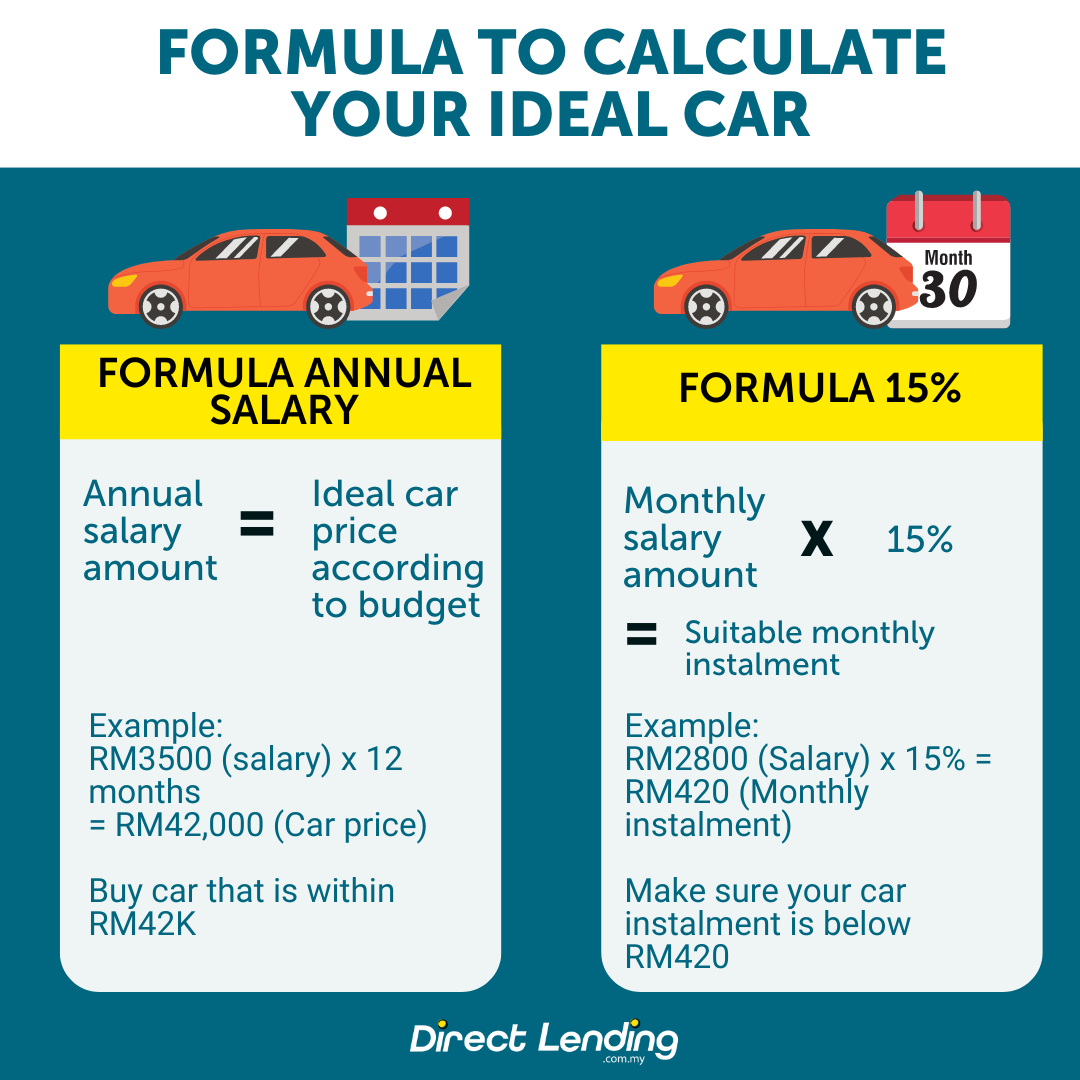
Lenders assess your capacity to repay based on their risk models, which might be more generous than your personal comfort level. A lender might qualify you for a $40,000 loan, but if your budget realistically allows only for a $25,000 car, pursuing the higher amount could lead to financial strain.
- Budget, not just limits: Your focus should be on creating a comprehensive budget that considers all your monthly expenses and financial goals, then determining what car payment you can comfortably afford without sacrificing other priorities.
- Future financial goals: Don’t let a car payment derail savings for a down payment on a home, retirement, or your children’s education.
The 20/4/10 Rule: A Practical Guideline
A popular guideline for car affordability is the “20/4/10” rule:
- 20% Down Payment: Aim for at least 20% of the car’s purchase price as a down payment. This helps reduce your loan amount, monthly payments, and the risk of negative equity.
- 4-Year Loan Term: Opt for a loan term no longer than four years (48 months). While longer terms reduce monthly payments, they significantly increase the total interest paid and keep you in debt longer.
- 10% of Gross Income: Your total monthly car expenses (loan payment, insurance, fuel, maintenance, and registration) should ideally not exceed 10% of your gross monthly income. This ensures your car doesn’t become a disproportionate drain on your finances.
Hidden Costs of Car Ownership
The sticker price and monthly payment are only part of the equation. A responsible car budget must account for all associated ownership costs:
- Car insurance: This can vary wildly based on your driving history, location, age, and the type of vehicle. Get insurance quotes before you buy.
- Fuel: Estimate your monthly fuel costs based on your commute and driving habits.
- Maintenance: Cars require regular oil changes, tire rotations, brake checks, and other upkeep. Budget for these routine expenses.
- Repairs: Even new cars can need unexpected repairs. For used cars, this is an even greater consideration.
- Registration and taxes: Annual registration fees and potentially sales tax (which can be rolled into the loan or paid upfront) are mandatory costs.
Navigating the Application Process and Loan Options
Once you’ve done your homework and understand your financial standing, it’s time to approach the lending market strategically.
Pre-Approval: Your Strategic Advantage
Getting pre-approved for a car loan before you even step into a dealership is one of the smartest moves you can make.
- What it is: A pre-approval is an offer from a lender stating how much they are willing to lend you, at what interest rate, based on a preliminary review of your credit and income. It’s usually valid for a specific period (e.g., 30-60 days).
- Benefits:
- Know your budget: You’ll know exactly how much you can spend, empowering you to shop confidently.
- Negotiating power: You become a cash buyer in the eyes of the dealership, allowing you to focus on negotiating the car’s price, not the financing.
- Compare rates: You can use a pre-approval offer to compare against any financing offered by the dealership, ensuring you get the best deal.
- Soft vs. Hard Inquiries: Getting pre-approved usually involves a “soft inquiry” on your credit report, which doesn’t affect your score. Once you formally apply, it becomes a “hard inquiry,” which may temporarily dip your score by a few points. However, multiple hard inquiries for car loans within a short window (typically 14-45 days) are often treated as a single inquiry by credit scoring models, acknowledging that you’re rate shopping.
Exploring Different Lender Types
The car loan market is diverse, with various institutions eager to lend.
- Banks: Traditional banks offer a wide range of loan products, often competitive rates for well-qualified buyers, and may have existing relationships with you.
- Credit Unions: Member-owned and non-profit, credit unions are known for offering some of the lowest interest rates and more flexible terms, especially for members.
- Captive Finance Companies: These are financing arms of car manufacturers (e.g., Ford Credit, Toyota Financial Services). They often provide special promotional rates or incentives (like 0% APR deals) for new vehicles, particularly for buyers with excellent credit.
- Online Lenders: Companies like LightStream, Capital One Auto Finance, and others offer convenient online applications and competitive rates. They can be a great option for comparing offers quickly.
Understanding Loan Terms and Conditions
Always read the fine print before signing any loan agreement.
- APR (Annual Percentage Rate): This is the true cost of your loan, including the interest rate and any associated fees. Compare APRs, not just interest rates.
- Loan Term Length: While a longer term reduces monthly payments, it drastically increases the total interest you’ll pay over the life of the loan. Aim for the shortest term you can comfortably afford.
- Fees: Watch out for origination fees, application fees, or prepayment penalties (though less common with car loans).
- Prepayment Penalties: Confirm there are no penalties for paying off your loan early, which gives you flexibility.
The Final Countdown: Making Your Car Purchase a Reality
With your qualification established and budget clear, the final steps involve smart negotiation and safeguarding your investment.
Comparing Offers and Negotiating Wisely
Don’t settle for the first offer, whether it’s for the car or the loan.
- Shop for the car price first: Negotiate the vehicle’s purchase price independently of the financing. Having your pre-approval in hand prevents the dealership from bundling the two and obscuring the true cost.
- Compare loan offers: Present your pre-approval to the dealership and see if they can beat it. Always compare the full APR and total cost, not just the monthly payment.

Protecting Your Investment: Insurance and Extended Warranties
These add-ons can significantly impact your overall cost.
- Car Insurance: Lenders will require full coverage insurance (collision and comprehensive) for the duration of your loan. Get quotes before you buy to understand this substantial recurring cost.
- Extended Warranties: While some provide peace of mind, many extended warranties are overpriced or duplicate coverage you already have. Research thoroughly and only consider reputable options if you feel you genuinely need one, but often saving the money yourself for potential repairs is a better strategy.
Ultimately, qualifying for a car loan is a blend of financial preparation, strategic planning, and informed decision-making. By understanding the factors lenders prioritize, taking proactive steps to improve your credit and financial health, and distinguishing between qualification and true affordability, you can secure a loan that serves your needs without jeopardizing your financial future. Remember, the goal is not just to get a loan, but to get the right loan for you.
aViewFromTheCave is a participant in the Amazon Services LLC Associates Program, an affiliate advertising program designed to provide a means for sites to earn advertising fees by advertising and linking to Amazon.com. Amazon, the Amazon logo, AmazonSupply, and the AmazonSupply logo are trademarks of Amazon.com, Inc. or its affiliates. As an Amazon Associate we earn affiliate commissions from qualifying purchases.