
When embarking on a kitchen renovation, a commercial interior design project, or simply selecting the perfect furniture for a home entertainment space, the terminology surrounding seating and surfaces can become surprisingly complex. Among the most common points of confusion is the distinction between standard heights. Understanding precisely what height is considered “bar height” is not merely a matter of academic preference; it is a fundamental aspect of ergonomic design and spatial planning.
Defining the Standard: The Math Behind Bar Height
In the world of interior design and furniture manufacturing, dimensions are rarely arbitrary. They are calculated based on the average human seated position and the clearance required for legs beneath a surface.
The Standard Bar Surface
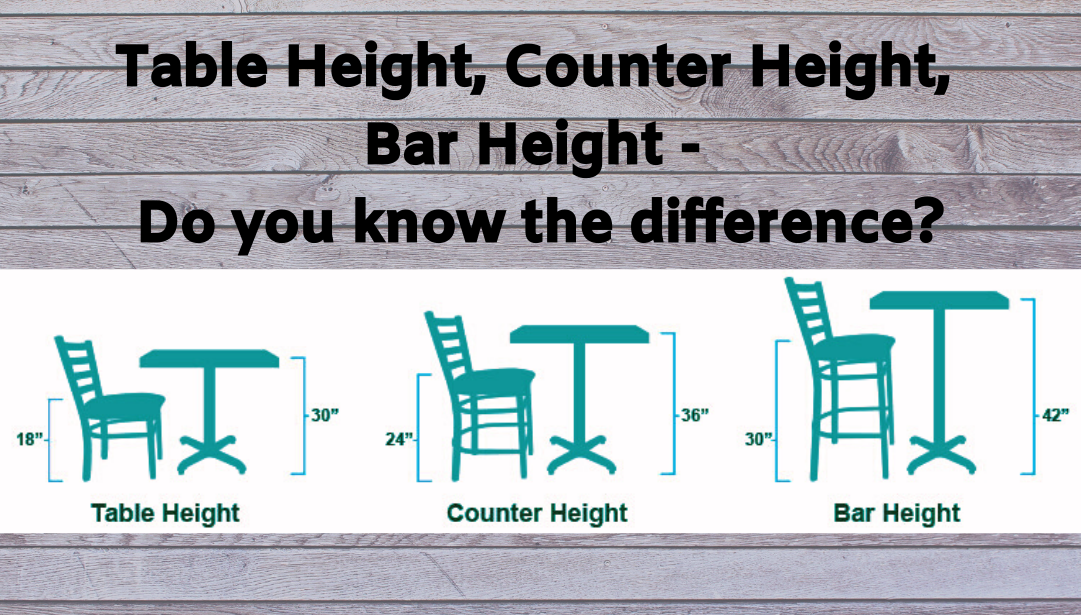
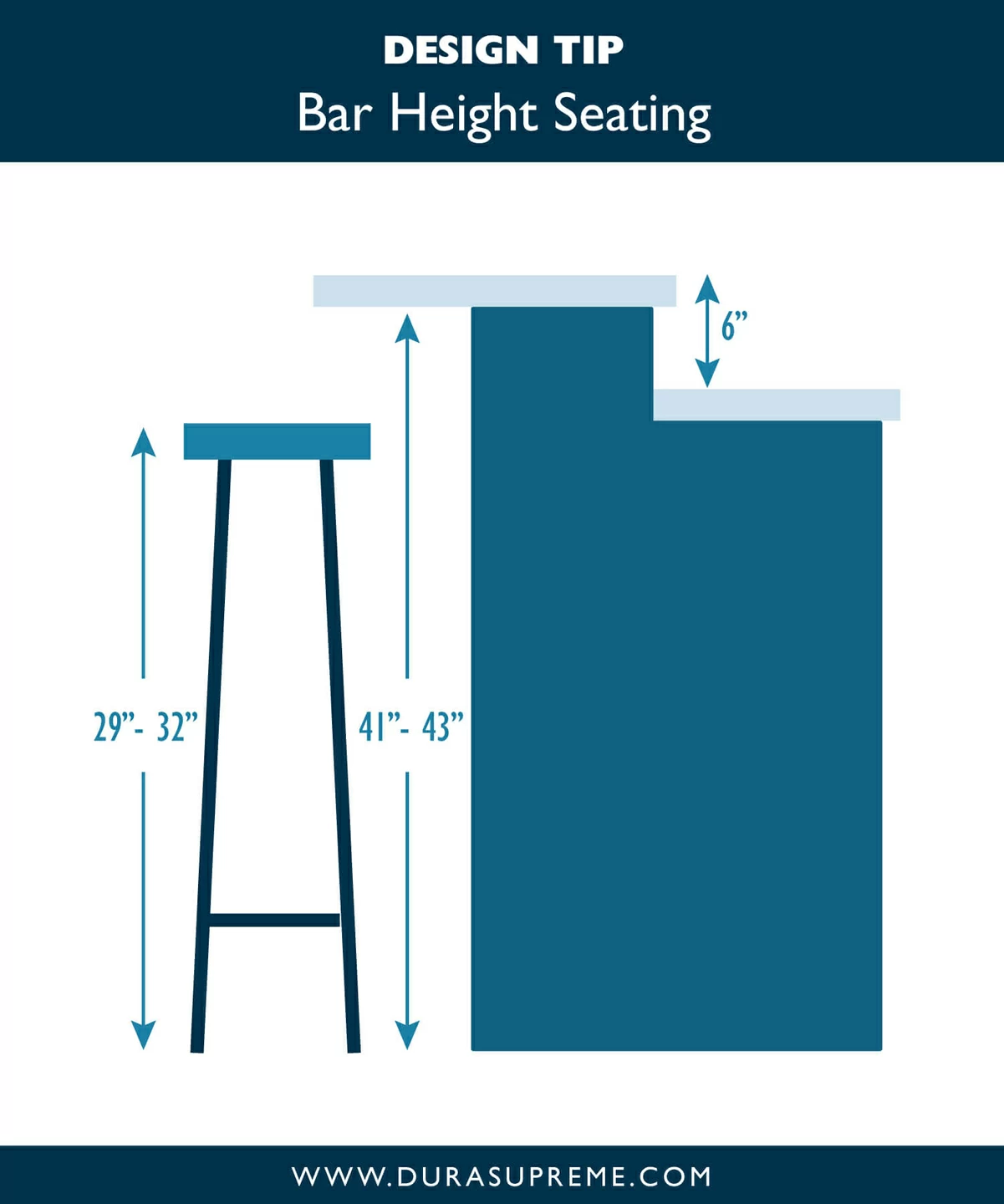
A standard bar height surface is universally recognized as being 40 to 42 inches from the floor to the top of the countertop or table surface. This elevation is designed to accommodate individuals who are either standing or sitting on high stools. In residential settings, a 42-inch countertop is a popular choice for kitchen islands, as it provides a distinct division between the workspace and the dining or seating area.
The Bar Stool Differential
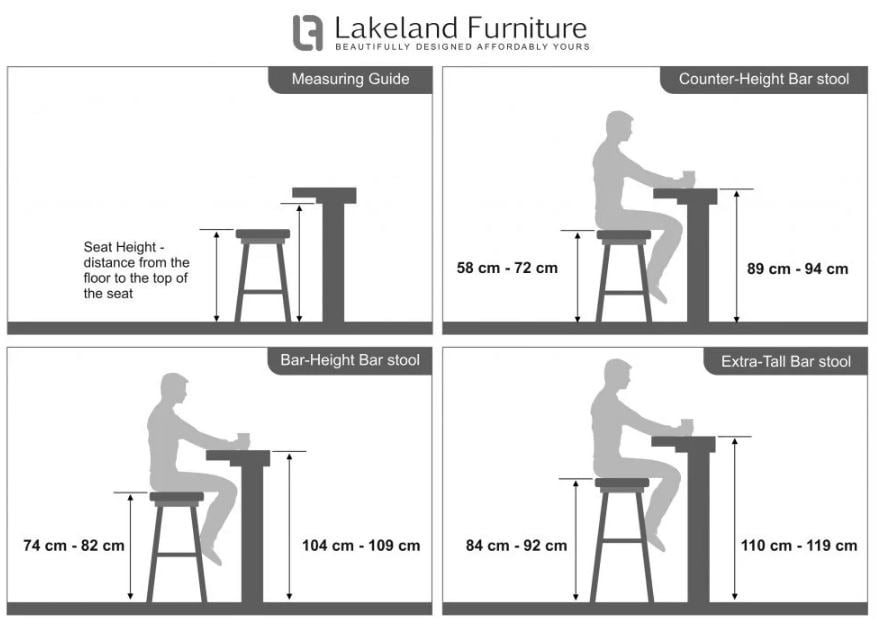
The relationship between a table and a chair is defined by “seat height”—the distance from the floor to the top of the stool’s seat. For a 42-inch bar top, the ideal bar stool features a seat height of approximately 28 to 30 inches. This 10-to-12-inch gap between the seat and the underside of the counter is the “sweet spot” for ergonomic comfort. It provides enough space for the user’s legs to fit comfortably without making the table feel too high or the chair feel like a precarious perch.
Bar Height vs. Counter Height: Avoiding the Costly Mix-Up
One of the most frequent errors in furniture purchasing is conflating “bar height” with “counter height.” Because these terms are often used interchangeably by casual consumers, retailers sometimes categorize them confusingly. However, from a professional design perspective, the distinction is rigid.
Counter Height Essentials
Counter height surfaces are almost exclusively designed to match the height of standard kitchen cabinetry, which is 36 inches. This height is optimized for food preparation—allowing a person of average height to chop, mix, and clean without straining their shoulders. If you pair a 30-inch bar stool with a 36-inch counter, you will find your knees jammed against the underside of the cabinet, rendering the seating unusable.
The Practical Implications of Misalignment
When you choose furniture that does not match the surface height, you sacrifice utility. A bar stool that is too low relative to the counter forces the user to hunch over, leading to poor posture and neck strain. Conversely, a stool that is too high relative to the surface forces the user to sit at a strange angle, often resulting in their legs constantly bumping into the counter edge. Before investing in high-end stools, always measure the distance from the floor to the underside of the surface, not just the top, to ensure adequate legroom.
Architectural and Interior Design Considerations
Integrating bar-height surfaces into a space requires more than just picking out a stool; it requires a holistic approach to the room’s flow and visual weight.
Creating Zones in Open-Concept Spaces
In modern residential architecture, the kitchen island is the heart of the home. A 42-inch bar top serves as a visual barrier, shielding the clutter of the kitchen—such as sink basins or cooking prep areas—from the view of those relaxing in the living room. By utilizing bar height, you create a tiered effect that adds architectural interest to an otherwise flat floor plan.
Sightlines and Visual Flow
Because bar-height surfaces are taller, they draw the eye upward. In smaller rooms, a 42-inch bar might feel imposing or restrictive if placed in the wrong location. Designers often use waterfall edges—where the countertop material continues down the sides of the island—at bar height to ground the piece and provide a more cohesive, luxury aesthetic. When selecting bar stools for these surfaces, consider the visual “weight” of the chair. Backless stools or stools with transparent acrylic or thin metal frames can maintain the airy feel of an open-concept space, whereas heavy, upholstered high-back stools might dominate the room.
Commercial Application: The Hospitality Standard
In bars, pubs, and restaurants, the 42-inch standard is more than just a recommendation—it is a functional requirement. Bar height surfaces in hospitality settings are often equipped with footrests, which are essential for long-term comfort. When a patron’s feet are dangling, the pressure on the backs of their thighs increases, leading to discomfort. Professional bar designs always incorporate a foot rail, usually positioned 10 to 12 inches off the floor, which acts as a stabilizer and significantly improves the guest experience.
Ergonomics and Long-Term Comfort
The primary reason to adhere to the standard 42-inch bar height is the health and comfort of the occupant. Ergonomics in furniture design is the study of how people interact with their environment to maximize efficiency and minimize discomfort.
The Importance of Legroom
Legroom is the most overlooked factor in seating design. When sitting at a 42-inch bar, the average person requires about 9 to 12 inches of clearance between their thighs and the bottom of the counter. If your bar top is thicker than the standard 1.5 inches—perhaps due to a heavy butcher block or a thick slab of stone—you must account for that thickness by either raising the counter slightly or lowering the stool height.
Posture and Support
While bar stools are often viewed as temporary or “casual” seating, people frequently spend hours socializing at these locations. A well-designed bar-height setup should encourage an upright, supported posture. If the stools feature backs, the angle of the backrest should encourage a slight recline. If the stools are backless, the seat should be contoured or padded to distribute weight evenly. When the height of the stool is perfectly calibrated to the 42-inch surface, the user’s elbows should rest naturally on the counter, further reducing shoulder tension.
Best Practices for Selecting Bar Furniture
Once you have confirmed that your surface is indeed 42 inches, the process of selecting stools becomes a tactical exercise.
Measuring for Traffic and Flow
Don’t just measure the height; measure the width. A standard rule of thumb is to allow 24 to 30 inches of space for each person sitting at the bar. This prevents elbows from colliding and allows enough room for guests to pull their stools in and out comfortably. If you cram too many stools into a linear space, the functionality of the area drops significantly.
Material Choice and Durability
Because bar-height seating is often used in high-traffic kitchens or entertainment areas, the durability of the material is paramount. Look for commercial-grade fabrics or treated leathers that can withstand spills and frequent friction. In terms of construction, verify the weight capacity of the stools, especially if they feature a swivel mechanism, which is a common point of failure in cheaper models.
Final Verification
Before finalizing any purchase, test the physical relationship between the seating and the surface. If you are ordering custom furniture, ask for a mock-up or visit a showroom to sit at a surface of the same height. The difference of even one inch can transform a stool from “perfect” to “unusable.”
Understanding the specific dimensions of bar height is the key to creating a space that looks curated and functions flawlessly. By respecting the 42-inch standard and properly pairing it with the correct 30-inch seat height, you ensure that your design choices contribute to a comfortable, stylish, and highly usable living or working environment.
aViewFromTheCave is a participant in the Amazon Services LLC Associates Program, an affiliate advertising program designed to provide a means for sites to earn advertising fees by advertising and linking to Amazon.com. Amazon, the Amazon logo, AmazonSupply, and the AmazonSupply logo are trademarks of Amazon.com, Inc. or its affiliates. As an Amazon Associate we earn affiliate commissions from qualifying purchases.