
In the burgeoning world of digital finance, few assets capture the imagination and investment interest quite like Bitcoin. Created in 2009 by the pseudonymous Satoshi Nakamoto, Bitcoin introduced a revolutionary concept: a decentralized digital currency with a strictly limited supply. For anyone seeking to understand Bitcoin’s economic value, its potential as a store of value, or its long-term investment prospects, comprehending its circulating supply is paramount. It’s not merely a numerical fact; it’s a cornerstone of Bitcoin’s design, influencing everything from its price volatility to its narrative as “digital gold.” This article delves into the intricacies of Bitcoin’s supply, exploring the mechanisms that govern its issuance, the factors that affect its availability, and the profound economic implications for investors and the global financial landscape.
The Fundamental Principle of Bitcoin Scarcity
The most defining characteristic that sets Bitcoin apart from traditional fiat currencies and even many other cryptocurrencies is its pre-programmed, finite supply. This deliberate scarcity is central to its value proposition and underpins its appeal as an inflation-resistant asset.
The 21 Million Cap: Bitcoin’s Defining Feature
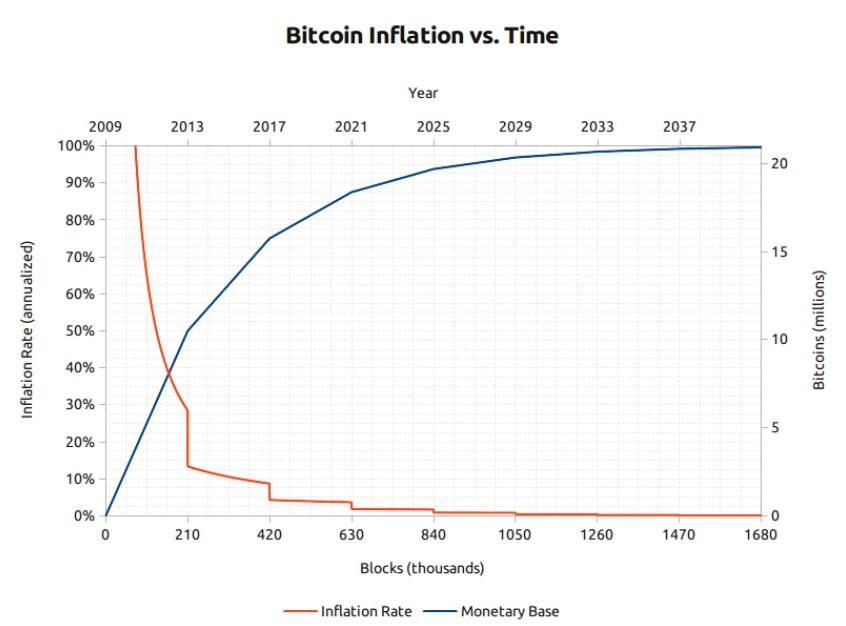
From its inception, Bitcoin was designed with a hard cap: a maximum of 21 million bitcoins will ever be created. This figure isn’t arbitrary; it’s embedded directly into Bitcoin’s source code, a testament to its predictable and unalterable monetary policy. Unlike central banks that can print more money at will, influencing inflation and purchasing power, Bitcoin’s supply schedule is transparent, fixed, and auditable by anyone. This absolute scarcity is a radical departure from traditional economic models and is often cited as a key reason for its comparison to precious metals like gold, which also possess inherent scarcity. For investors, this hard cap provides a long-term certainty about supply, removing the risk of unexpected inflation that can erode wealth over time. This predictability is a powerful psychological factor, fostering a belief in Bitcoin’s ability to maintain or increase its purchasing power over extended periods.
How New Bitcoins Enter Circulation: The Mining Process
New bitcoins are introduced into the circulating supply through a process known as “mining.” Bitcoin mining is a competitive process where participants use powerful computers to solve complex cryptographic puzzles. When a miner successfully solves a puzzle, they get the right to add a new “block” of verified transactions to the blockchain. As a reward for their computational effort and for securing the network, the successful miner receives a predetermined amount of newly minted bitcoins, known as the “block reward,” along with transaction fees. This process is essentially how Bitcoin’s supply is gradually released into the economy. The computational difficulty of these puzzles adjusts approximately every two weeks, ensuring that, on average, a new block is found every ten minutes. This consistent block discovery rate, combined with the block reward mechanism, dictates the predictable rate at which new bitcoins are added to the circulating supply.
The Halving Mechanism: A Pre-Programmed Supply Shock
A critical component of Bitcoin’s supply schedule is the “halving” event. Approximately every four years, or more precisely, every 210,000 blocks, the block reward for miners is automatically cut in half. For instance, in 2009, the initial block reward was 50 BTC. In 2012, it halved to 25 BTC; in 2016, to 12.5 BTC; and most recently, in May 2020, to 6.25 BTC. The next halving is anticipated around 2024, reducing the reward to 3.125 BTC. This pre-programmed reduction in the rate of new supply creation is designed to make Bitcoin increasingly scarce over time. Historically, halving events have often preceded significant bull markets, as the reduced supply pressure, coupled with stable or increasing demand, tends to put upward pressure on Bitcoin’s price. For investors, understanding the halving cycle is crucial for grasping Bitcoin’s long-term price dynamics and for strategic financial planning. It’s a built-in mechanism that reinforces Bitcoin’s scarcity narrative and distinguishes it from traditional monetary policies.
Differentiating Between Total, Circulating, and Lost Supply
While the 21 million cap represents the maximum possible bitcoins, the actual number available for trade and use at any given time, known as the circulating supply, is a more nuanced figure. Furthermore, the concept of “lost” bitcoins significantly impacts the effective supply.
What Constitutes Circulating Supply?
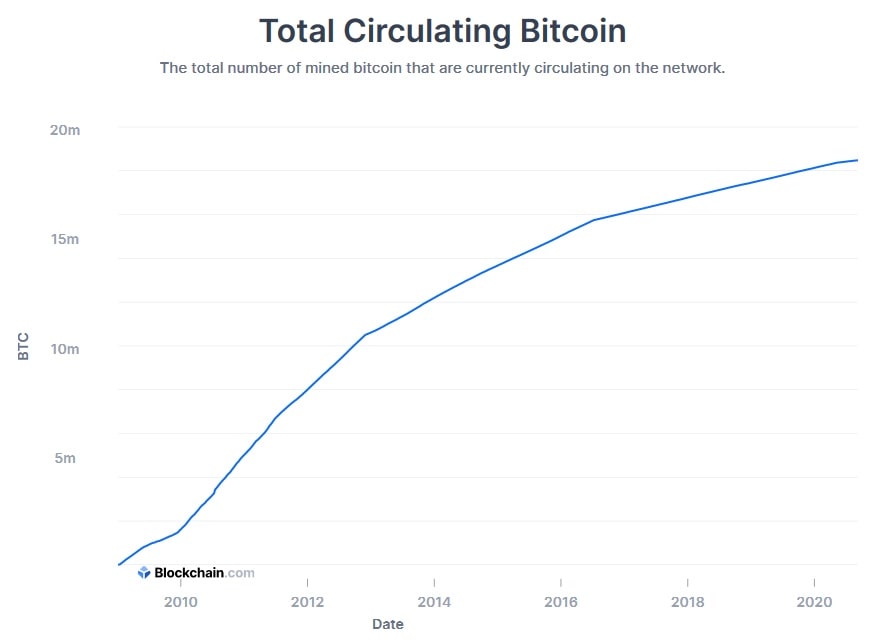
The “circulating supply” refers to the number of bitcoins that have already been mined and are publicly available and moving within the market. It includes bitcoins held by individuals, exchanges, institutions, and any other entity that has access to them. It does not include bitcoins that have yet to be mined, nor does it typically account for coins that are known to be permanently lost or inaccessible. When you see a cryptocurrency market data website list Bitcoin’s supply, they are usually referring to this circulating figure. It’s an important metric for investors because it helps in calculating market capitalization (circulating supply x current price) and provides insight into the liquidity of the asset. A higher circulating supply relative to demand can exert downward pressure on price, while a lower, more restricted circulating supply, particularly when demand is high, can lead to price appreciation.
Estimating the Lost Bitcoins
One of the most intriguing aspects of Bitcoin’s supply is the phenomenon of “lost” bitcoins. Due to the immutable nature of the blockchain and the responsibility placed on individuals to secure their private keys, a significant number of bitcoins have become permanently inaccessible. These losses can occur in several ways:
- Lost Private Keys: Holders forgetting or misplacing the alphanumeric string or seed phrase required to access their wallets.
- Accidental Transfers: Sending bitcoins to unspendable addresses (e.g., a wrong address or a “burn” address).
- Early Miner Dormancy: Bitcoins mined in the early days of the network, particularly by Satoshi Nakamoto, that have never moved and are widely presumed to be lost or intentionally held dormant for perpetuity.
- Hardware Failures: Physical loss or damage to storage devices (like old hard drives or USB sticks) containing wallet data.
Estimates vary widely, but it’s believed that anywhere from 2 million to 4 million bitcoins, and potentially even more, are permanently lost. This means the effective circulating supply, the amount truly available for economic activity, is significantly lower than the total bitcoins mined. For investors, this further amplifies Bitcoin’s scarcity, as the already finite 21 million supply is further constrained by these inaccessible coins, making each remaining bitcoin even more valuable.
Locked-Up Bitcoins: Beyond Mere Circulation
Beyond simply circulating or lost, a substantial portion of Bitcoin’s supply can be considered “locked up” or illiquid, further tightening the effective supply available for immediate trading. This category includes:
- Long-Term HODLers: Investors who buy and hold Bitcoin for extended periods, often years, with no intention of selling in the near future. This “HODL” mentality removes coins from active trading circulation, signaling strong conviction in Bitcoin’s long-term value.
- Institutional Holdings: Growing numbers of corporations, investment funds, and even public companies are adding Bitcoin to their balance sheets. These holdings are typically long-term strategic investments, reducing the immediately tradable supply.
- Wrapped Bitcoins (WBTC): Bitcoin locked on the Ethereum blockchain to be used in DeFi applications. While technically “circulating” on another network, these are not directly tradable as native BTC and require unwrapping, impacting their direct liquidity.
- Exchange Reserves: While technically available on exchanges, a significant portion is held by exchanges to facilitate trading, but not all of it is actively being traded.
- Staked or Locked in Lending Protocols: Although Bitcoin itself is not proof-of-stake, it can be locked up in various lending and DeFi protocols on other blockchains, temporarily removing it from its native chain’s liquid supply.
These locked-up bitcoins, while not lost, represent a significant portion of the supply that is not actively available for purchase, thereby increasing the scarcity pressure on the remaining liquid supply. Monitoring metrics like “Bitcoin supply last active 1+ years ago” or “exchange outflows” can provide investors with insights into these trends, signaling shifts in market sentiment and potential future price movements.
The Current State of Bitcoin’s Circulating Supply
Understanding the dynamic nature of Bitcoin’s supply requires access to real-time data and an appreciation for the ongoing journey towards the 21 million cap.
Real-Time Data Sources for Bitcoin Supply
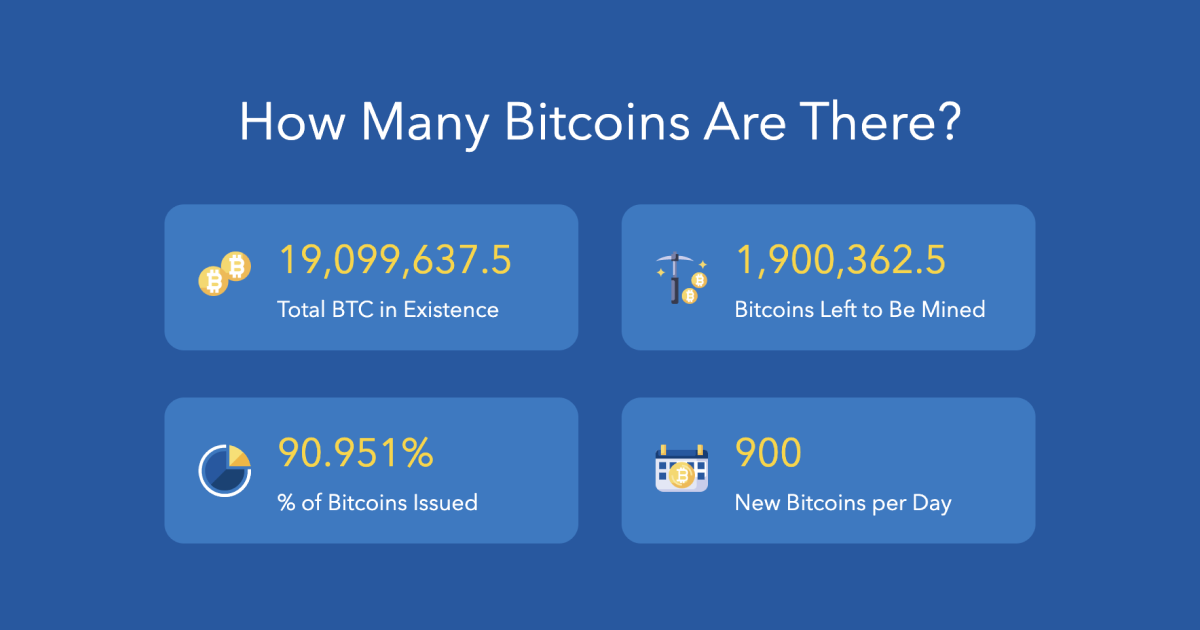
Several reputable platforms provide up-to-date information on Bitcoin’s circulating supply and other key metrics. Websites like CoinMarketCap, CoinGecko, and Glassnode offer comprehensive dashboards that display the current circulating supply, total supply, market capitalization, and various on-chain analytics. Blockchain explorers (e.g., Blockchain.com, mempool.space) allow anyone to directly inspect the Bitcoin blockchain, verifying transaction data, block rewards, and the current block height, which dictates the total number of bitcoins mined so far. For investors, consulting these sources regularly is vital for making informed decisions, as they provide an transparent and auditable record of Bitcoin’s monetary policy in action.
The Gradual Approach to the Supply Cap
As of late 2023/early 2024, approximately 19.5 million bitcoins have been mined out of the maximum 21 million. This means over 92% of all bitcoins that will ever exist are already in circulation. The remaining approximately 1.5 million bitcoins will be mined over the next ~116 years, with the final bitcoin estimated to be mined around the year 2140. This incredibly slow and diminishing rate of new supply entering the market underscores the profound scarcity Bitcoin will experience in the coming decades. Each subsequent halving event will further reduce the annual inflation rate of Bitcoin, eventually leading to a supply inflation rate of zero. This long tail of supply emission reinforces Bitcoin’s long-term deflationary characteristics, making it an increasingly attractive asset for those concerned about the depreciating value of fiat currencies.
Understanding the “Float” of Bitcoin
Beyond the raw circulating number, it’s useful to think about the “float” of Bitcoin, which refers to the amount of Bitcoin that is actively available and being traded on exchanges. A significant portion of the circulating supply might be held in cold storage, dormant wallets, or locked up in institutional funds, making them effectively removed from the immediate buying and selling pressure of the market. Observing exchange reserves – the amount of Bitcoin held on centralized exchanges – can offer clues about the immediate selling pressure. A decrease in exchange reserves often suggests that investors are moving their Bitcoin into personal wallets for long-term holding, reducing the available supply on the market and potentially signaling bullish sentiment. Conversely, an increase in exchange reserves might indicate an intent to sell, adding to market liquidity and potential selling pressure.
The Economic Implications of Bitcoin’s Fixed Supply
The finite nature of Bitcoin’s supply is not just a technical detail; it is a foundational economic principle that shapes its perceived value, market dynamics, and investment narrative.
Bitcoin as a Scarce Digital Asset: A Store of Value?
Bitcoin’s fixed supply directly positions it as a scarce digital asset, a characteristic fundamental to its proposition as a “store of value.” Similar to how the limited supply of gold contributes to its status as a hedge against inflation and economic uncertainty, Bitcoin’s predictable scarcity aims to offer a similar safeguard in the digital realm. In an era where central banks globally have expanded money supplies significantly, leading to concerns about currency debasement, Bitcoin offers an alternative with a predefined, unchangeable issuance schedule. This makes it appealing to investors seeking to preserve their wealth against inflationary pressures and economic instability, viewing it as a long-term asset akin to a digital form of real estate or precious metals. Its digital nature also makes it highly portable and divisible, adding practical advantages over physical commodities.
Supply-Demand Dynamics and Price Discovery
The interplay between Bitcoin’s limited and diminishing supply and ever-changing demand is the primary driver of its price discovery. When demand for Bitcoin increases – driven by factors like growing adoption, institutional interest, geopolitical uncertainty, or a shift in investor sentiment – its price tends to rise significantly due to the inelasticity of its supply. There isn’t an unlimited reserve to meet surging demand. Conversely, a reduction in demand, while supply remains constant or slightly increasing, can lead to price corrections. The halving events are particularly potent examples of supply-side shocks that, historically, have catalyzed price appreciation by reducing the influx of new bitcoins into the market, thus magnifying the impact of sustained demand. Investors closely monitor these supply-demand dynamics, understanding that Bitcoin’s finite nature means even small shifts in demand can have outsized effects on its market value.
The Impact on Investment Strategy
For investors, Bitcoin’s fixed supply fundamentally shapes appropriate investment strategies. The scarcity model encourages a long-term, “buy and hold” (HODL) approach, as the asset is designed to appreciate in value over time against an expanding fiat money supply. Dollar-cost averaging (DCA) — investing a fixed amount of money at regular intervals, regardless of price — is also a popular strategy. This approach smooths out the impact of volatility and allows investors to accumulate Bitcoin over time, benefiting from its long-term scarcity. Furthermore, understanding the halving cycle allows investors to anticipate potential market trends and adjust their portfolio allocations accordingly, though past performance is not indicative of future results. Bitcoin’s unique supply characteristics make it a distinct asset within a diversified portfolio, demanding a different perspective than traditional equities or bonds.
Looking Ahead: The Future of Bitcoin’s Supply and Value
As Bitcoin continues its journey towards the 21 million cap, its role in global finance is poised for further evolution, raising important questions about its long-term sustainability and ultimate value proposition.
Post-21 Million Cap: What Happens Then?
Around the year 2140, when the final bitcoin is mined, the block reward for miners will cease to exist. At this point, Bitcoin miners will rely solely on transaction fees to incentivize their work and secure the network. This transition is a critical long-term consideration. The expectation is that by then, Bitcoin’s transaction volume will be high enough, and transaction fees sufficiently robust, to sustain a thriving mining industry. A secure network, maintained by well-incentivized miners, is crucial for Bitcoin’s continued functionality and trustworthiness. For investors, this implies that the utility and adoption of Bitcoin as a transactional currency will become increasingly important, alongside its role as a store of value. The value of Bitcoin might then be even more directly tied to the economic activity it facilitates, with fees reflecting demand for block space rather than just block rewards.
The Continuing Evolution of Bitcoin’s Role in Global Finance
Bitcoin’s scarcity and decentralized nature position it uniquely within the evolving global financial landscape. Its adoption by institutional investors, its increasing presence on corporate balance sheets, and even its recognition as legal tender by sovereign nations (such as El Salvador and the Central African Republic) signal a growing acceptance of Bitcoin as a legitimate financial asset. As inflation concerns persist and geopolitical tensions highlight the fragility of traditional financial systems, Bitcoin’s appeal as a neutral, uncensorable, and globally accessible asset with a predictable supply is likely to grow. Investors will continue to evaluate Bitcoin’s potential as a hedge against currency devaluation, a portfolio diversifier, and a foundational layer for a new digital economy.
Addressing Misconceptions About Infinite Supply or Central Control
Despite its transparent design, misconceptions about Bitcoin persist. Some mistakenly believe its supply could be arbitrarily increased, similar to fiat currencies, or that a central authority could somehow manipulate its issuance. It’s crucial to reiterate that Bitcoin’s 21 million supply cap is immutable, governed by its decentralized network and cryptographic rules, not by a single entity. Any attempt to alter this fundamental rule would require a consensus of the vast majority of network participants, which is practically impossible given the network’s distributed nature and the economic incentives of its users. This inherent resistance to central control and its pre-programmed scarcity are precisely why Bitcoin is viewed as a robust, long-term asset by a growing number of investors worldwide, offering a predictable financial future in an unpredictable world.
aViewFromTheCave is a participant in the Amazon Services LLC Associates Program, an affiliate advertising program designed to provide a means for sites to earn advertising fees by advertising and linking to Amazon.com. Amazon, the Amazon logo, AmazonSupply, and the AmazonSupply logo are trademarks of Amazon.com, Inc. or its affiliates. As an Amazon Associate we earn affiliate commissions from qualifying purchases.