
In the intricate world of food and beverage branding, every ingredient choice carries significant strategic weight. From the sourcing of raw materials to the final label claim, each decision shapes consumer perception, influences market positioning, and ultimately defines brand identity. Among the myriad sweeteners available, “evaporated cane sugar” stands out as a particularly compelling case study, not just for its inherent properties but for the complex branding narratives it supports and the regulatory challenges it presents. Understanding what evaporated cane sugar is—and, crucially, what it represents—is fundamental for brands striving for authenticity, transparency, and a competitive edge in today’s discerning marketplace.
Defining Evaporated Cane Sugar: A Core Ingredient for Brand Identity
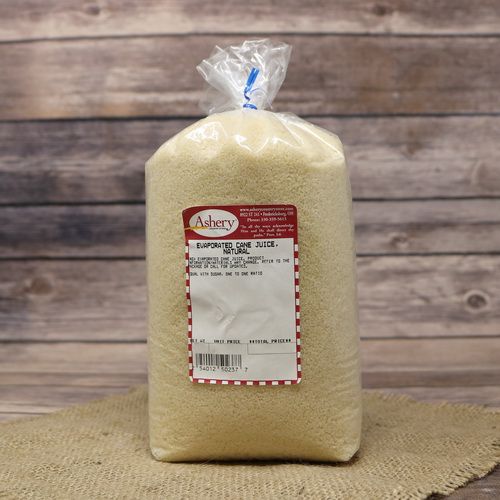
At its heart, evaporated cane sugar is a less-processed form of sugar derived from sugarcane. Its appeal to brands often stems from its perceived “natural” status, differentiating it from highly refined white sugars or artificial sweeteners. Yet, its scientific definition and consumer perception often diverge, creating both opportunities and pitfalls for brands.
The Production Process and Purity Claims
The production of evaporated cane sugar begins with sugarcane juice, much like traditional sugar. However, the key distinction lies in the subsequent processing. After the sugarcane stalks are crushed to extract their juice, this juice is then filtered, clarified, and heated to evaporate the water content, concentrating the natural sugars. The resulting syrup is often centrifuged to remove some molasses and impurities, but it undergoes fewer steps of refining, bleaching, and crystallization compared to conventional granulated white sugar. This minimal processing typically leaves behind a light golden color and a subtle molasses flavor, indicative of its origin.
For brands, this production narrative is powerful. It allows for claims of a “less processed,” “natural,” or “unrefined” sweetener, resonating with consumer trends favoring wholesome and transparent ingredients. The purity claim is often tied to the absence of extensive chemical processing, offering a perceived cleaner label ingredient. While chemically, its primary component remains sucrose, identical to that found in table sugar, the branding advantage lies in the process narrative.
Technical vs. Common Perception
The distinction between “evaporated cane sugar” and “sugar” is a persistent point of contention, particularly from a regulatory standpoint. Technically, chemically, it is sugar. However, its descriptive name aims to communicate its origin and processing method, aligning with consumer desires for clarity and simplicity. Consumers often associate “evaporated cane sugar” with a healthier, more natural alternative to “white sugar,” viewing it as a bridge between highly processed ingredients and truly raw, unadulterated foods.
This gap between scientific classification and consumer perception is where astute branding strategies come into play. Brands leverage the descriptive power of “evaporated cane sugar” to appeal to specific demographics—those who scrutinize ingredient lists, prioritize naturalness, and are willing to pay a premium for products that align with their health and wellness values. For a brand, this ingredient is not just a sweetener; it is a signal of quality, commitment to natural ingredients, and alignment with a lifestyle choice.
The Branding Imperative: Why Ingredient Choice Matters
In an increasingly competitive market, every element of a product, down to its smallest ingredient, contributes to its overall brand narrative and market appeal. The choice to use evaporated cane sugar over other sweeteners is a deliberate strategic decision with significant implications for brand positioning.
Crafting a “Natural” or “Clean Label” Narrative
One of the primary drivers for brands incorporating evaporated cane sugar is its ability to support a “natural” or “clean label” narrative. As consumers grow wary of artificial additives, high-fructose corn syrup, and heavily processed ingredients, brands are under pressure to simplify their ingredient lists and use components that are easily recognizable and understood. Evaporated cane sugar fits this bill. By eschewing more chemically altered or obscure sweeteners, brands can present themselves as more transparent, trustworthy, and aligned with consumer desires for wholesome food.
This narrative extends beyond mere health claims; it taps into a broader lifestyle movement. Brands that successfully communicate a “natural” ethos through their ingredients often foster a deeper connection with consumers, building loyalty based on shared values. It’s not just about what’s in the product, but what the product stands for.
Target Audience Appeal and Demographic Specificity
The decision to use evaporated cane sugar often reflects a precise understanding of a brand’s target demographic. Consumers who actively seek out products with “natural” sweeteners tend to be more health-conscious, often affluent, and highly engaged with food trends and dietary information. These consumers are frequently willing to pay a premium for products that meet their specific criteria.
Brands targeting these segments use evaporated cane sugar as a badge of honor, a clear signal that their product is formulated with particular consumer preferences in mind. For example, a gourmet granola brand or an organic cookie company might prominently feature “evaporated cane sugar” on its packaging to immediately communicate its premium positioning and natural ingredient profile to its intended audience. This ingredient choice becomes a powerful tool for demographic segmentation and market penetration.
Differentiation in a Crowded Market
In categories saturated with competitors, subtle ingredient differences can become powerful differentiators. When multiple brands offer similar products, the ingredient list can be the deciding factor for a consumer at the point of purchase. Opting for evaporated cane sugar can set a brand apart from those using generic white sugar or artificial sweeteners, positioning it as a premium, more thoughtful, or health-conscious alternative.
This differentiation strategy is crucial for carving out a niche and building a loyal customer base. It allows brands to tell a unique story about their product’s quality and integrity, moving beyond basic price competition to compete on value, trust, and alignment with consumer ideals. In essence, evaporated cane sugar transforms from a mere ingredient into a key component of a brand’s unique selling proposition (USP).

Marketing, Labeling, and Regulatory Scrutiny
The strategic use of evaporated cane sugar is not without its complexities, particularly concerning marketing claims and regulatory compliance. Brands must navigate a landscape where consumer expectations, scientific definitions, and governmental guidelines often clash.
The FDA’s Stance and Labeling Controversies
In the United States, the Food and Drug Administration (FDA) has consistently maintained that “evaporated cane sugar” is a misleading term. The FDA views it as simply a sugar and recommends it be labeled as “sugar” or “dried cane syrup” or “cane sugar solids.” Their concern is that the term “evaporated cane sugar” falsely implies that the product is nutritionally superior or fundamentally different from other forms of sugar, potentially misleading consumers.
This regulatory stance creates a significant branding challenge. Brands that have built their identity around the “natural” appeal of evaporated cane sugar face the dilemma of complying with regulatory directives while maintaining their desired market positioning. Companies must carefully consider the wording on their packaging and marketing materials to avoid regulatory penalties and maintain consumer trust, even if it means adjusting long-standing product descriptions.
Consumer Education and Brand Transparency
In response to both regulatory pressures and growing consumer skepticism, brands utilizing evaporated cane sugar must prioritize transparency and consumer education. Rather than simply using the term, successful brands explain why they choose this ingredient. This might involve elaborating on its minimal processing, its origin, or its sensory qualities.
Transparent communication can take many forms: detailed website FAQs, blog posts, social media campaigns, or even on-pack explanations. By proactively educating consumers about what evaporated cane sugar is and why it’s included, brands can mitigate potential confusion or accusations of deceptive labeling. This approach not only demonstrates compliance but also reinforces a brand’s commitment to honesty and consumer empowerment, fostering deeper loyalty.
Mitigating Brand Risk Through Accurate Communication
The reputation economy demands meticulous attention to detail. Brands that fail to adequately address the nuances of “evaporated cane sugar” labeling face significant risks, including consumer backlash, regulatory fines, and damage to their credibility. A perception of deception, even if unintended, can be extremely difficult to overcome.
Mitigating this risk involves:
- Adhering to current regulatory guidance: Regularly reviewing FDA guidelines and adapting labels accordingly.
- Clear and honest messaging: Ensuring that marketing materials do not overstate or misrepresent the benefits of evaporated cane sugar.
- Consistent brand voice: Maintaining a unified message across all communication channels to avoid mixed signals.
- Proactive engagement: Addressing consumer questions or concerns about ingredients openly and promptly.
By approaching ingredient communication with integrity and precision, brands can transform a potential liability into an opportunity to reinforce trust and demonstrate their unwavering commitment to ethical practices.
The Strategic Implications for Brand Value
Ultimately, the careful selection and communication of ingredients like evaporated cane sugar contribute directly to a brand’s overall value proposition and long-term success.
Enhancing Perceived Quality and Value
For many consumers, “evaporated cane sugar” on an ingredient list signals a higher-quality product. This perception isn’t always tied to a chemical difference but rather to the implied care, naturalness, and premium sourcing associated with such an ingredient choice. Brands that use it can therefore command higher price points, reinforcing their position in the premium segment of the market. This perceived value extends beyond taste or texture; it encapsulates the entire experience of consuming a product aligned with a healthy, discerning lifestyle.
Aligning with Health and Wellness Trends
The global health and wellness market continues its explosive growth, driven by consumers seeking functional foods, natural ingredients, and less processed options. Brands that strategically incorporate ingredients like evaporated cane sugar are inherently aligning themselves with these powerful macro-trends. This alignment not only attracts a growing segment of the market but also positions the brand as forward-thinking and responsive to evolving consumer needs, securing its relevance for the future.

Innovating Product Lines with Thoughtful Ingredient Selection
The understanding of “what is evaporated cane sugar” also fuels product innovation. Brands can develop new product lines or reformulate existing ones to meet the demand for cleaner labels and natural sweeteners. This might involve creating a “natural” line of existing products or venturing into entirely new categories that inherently benefit from such ingredient choices. By consciously integrating evaporated cane sugar into their product development cycle, brands can demonstrate innovation, versatility, and a commitment to evolving with consumer preferences, further strengthening their market position and brand equity.
In conclusion, evaporated cane sugar is far more than just a sweetener; it is a powerful branding tool. Its definition, processing narrative, regulatory status, and consumer perception all play critical roles in shaping a brand’s identity, influencing marketing strategies, and determining market success. For brands committed to transparency, naturalness, and consumer connection, mastering the story of “what is evaporated cane sugar” is an indispensable element of their strategic playbook.
aViewFromTheCave is a participant in the Amazon Services LLC Associates Program, an affiliate advertising program designed to provide a means for sites to earn advertising fees by advertising and linking to Amazon.com. Amazon, the Amazon logo, AmazonSupply, and the AmazonSupply logo are trademarks of Amazon.com, Inc. or its affiliates. As an Amazon Associate we earn affiliate commissions from qualifying purchases.