
Charles Schwab Corporation stands as a titan in the financial services industry, a household name synonymous with investing, brokerage services, and wealth management. For millions of clients, it represents a trusted gateway to financial markets and a suite of tools designed to empower their monetary goals. While its presence is largely felt through digital platforms and a vast network of branches, the question of “where is Charles Schwab headquarters?” delves beyond a mere postal address. It uncovers a strategic decision, a reflection of market dynamics, and a symbol of the company’s evolving operational philosophy in the ever-shifting landscape of modern finance.

Understanding the headquarters of a financial giant like Charles Schwab offers insights into its corporate identity, its strategic operational choices, and its economic impact. It’s not just a location; it’s a central nervous system from which critical decisions emanate, influencing everything from investment strategies and technological advancements to client service and regulatory compliance.
The Evolving Landscape of Charles Schwab’s Corporate Home
The journey of Charles Schwab’s headquarters reflects a broader narrative of corporate growth, strategic adaptation, and the changing geography of American business. From its humble beginnings in San Francisco to its ambitious relocation, the company’s physical base has always been a testament to its operational philosophy.
A Legacy Rooted in San Francisco
For decades, Charles Schwab was inextricably linked with San Francisco, California. Founded in 1971 by Charles R. Schwab, the company grew from a small discount brokerage firm in the heart of the financial district to a pioneering force that democratized investing. Its headquarters in the bustling Bay Area became a symbol of its innovative spirit and its connection to a region renowned for technological advancement and forward-thinking businesses. San Francisco provided a vibrant backdrop for Schwab’s early growth, fostering a culture of disruption that challenged traditional Wall Street models. The proximity to talent, capital, and a dynamic urban environment undoubtedly played a significant role in shaping Schwab’s early identity and success. For a long time, 211 Main Street in San Francisco was the definitive answer to the headquarters question, embodying the company’s rich history and its origins as a challenger brand in the financial world.
The Strategic Move to Westlake, Texas
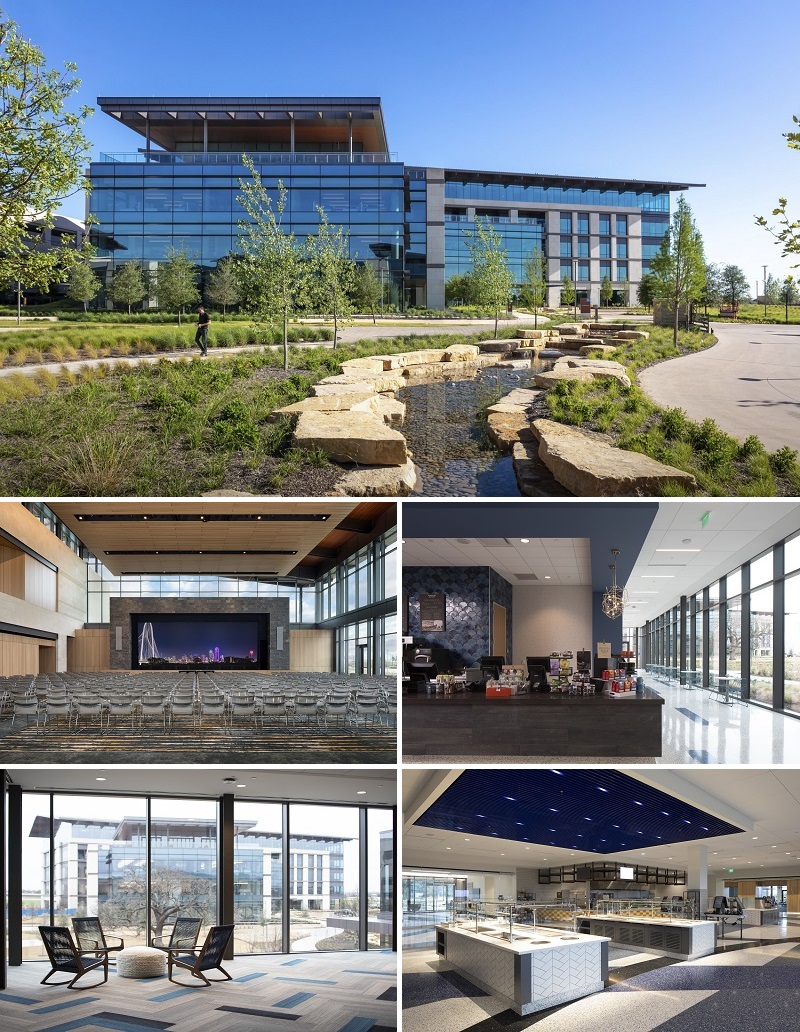
In a significant strategic move that reverberated throughout the financial industry, Charles Schwab announced in 2019 its intention to consolidate its corporate headquarters in Westlake, Texas. This decision, finalized after its acquisition of TD Ameritrade in 2020, marked a pivotal moment, signaling a new chapter in the company’s operational strategy. Westlake, a burgeoning suburb nestled within the Dallas-Fort Worth metroplex, offered a compelling combination of advantages. The move was driven by several key factors: lower operational costs, a more favorable tax and regulatory environment compared to California, and access to a growing and diverse talent pool. The high cost of living and doing business in the Bay Area had become a considerable challenge, making a shift to a more business-friendly state like Texas an economically sound decision. This consolidation was designed to enhance operational efficiency, foster collaboration across various divisions, and ultimately reduce long-term expenses, allowing for greater investment in client services and technology—crucial aspects for a financial firm focused on value and accessibility.
Beyond a Single Address: A Distributed Operational Hub
While Westlake, Texas, now serves as the official corporate headquarters, it is crucial to understand that Charles Schwab operates with a far more distributed footprint. The concept of a single “headquarters” in today’s globalized and digitalized financial landscape is often more symbolic than strictly operational. Schwab maintains significant operational centers and satellite offices across the United States, including key locations in Denver, Orlando, Phoenix, and Omaha (inherited from the TD Ameritrade acquisition). This multi-hub strategy reflects the company’s vast scale and its commitment to serving a diverse national client base. It also acknowledges the practicalities of a large enterprise, leveraging regional strengths for talent acquisition, disaster recovery, and specialized functions. Thus, while Westlake is the formal administrative and strategic center, Charles Schwab’s operational heartbeat resonates across multiple locations, showcasing a modern approach to managing a national financial institution.
Charles Schwab’s Headquarters as a Symbol of Financial Strength and Strategy
The physical location of Charles Schwab’s headquarters in Westlake, Texas, is more than just an administrative detail; it’s a tangible representation of the company’s strategic vision and its commitment to long-term financial stability and growth.
Strategic Location for Growth and Talent
The choice of Westlake was a highly strategic one, positioned to bolster Schwab’s long-term growth trajectory. The Dallas-Fort Worth area is a rapidly expanding economic hub, attracting businesses and individuals seeking a dynamic yet affordable environment. This offers Schwab a robust and expanding talent pool, particularly in financial services, technology, and operations, without the intense competition and prohibitive costs often associated with traditional financial centers. The ability to attract and retain top talent is paramount for a financial institution, and the appeal of Texas’s quality of life and business climate supports this objective. Furthermore, its central U.S. location provides logistical advantages for managing a national network of branches and operational centers, enhancing efficiency in communication and service delivery.
Economic Impact on the Local and Regional Economy
Charles Schwab’s presence in Westlake has had a profound economic impact on the local and regional economy. The construction of its state-of-the-art campus represented a significant investment in infrastructure and job creation. Thousands of employees have relocated or been hired in the region, bringing with them substantial economic activity through housing, retail, and local services. This influx of high-paying financial jobs stimulates further economic development, attracting ancillary businesses and contributing to the overall prosperity of the Dallas-Fort Worth metroplex. This ripple effect underscores the significant role large corporate headquarters play in regional economic development, making Westlake a rising star in the national financial landscape.
Navigating a Hybrid Work Future from the Headquarters
In the post-pandemic era, the concept of work has evolved dramatically, with hybrid models becoming the norm for many corporations. Charles Schwab’s Westlake campus is designed to support this flexible future. It serves as a central hub where critical teams can collaborate, strategize, and maintain the corporate culture, while simultaneously accommodating a workforce that may operate remotely part of the time. This adaptability is crucial for a financial institution, ensuring business continuity, enhancing employee satisfaction, and leveraging technology to bridge geographical divides. The headquarters functions as a technological and cultural anchor, fostering innovation and maintaining the company’s core values while embracing the efficiencies and flexibility of modern work paradigms.
The Operational Heartbeat: What Happens at Charles Schwab’s Headquarters?
While Charles Schwab’s services reach millions globally, the headquarters at Westlake serves as the operational and strategic nucleus, orchestrating the myriad activities that define the financial giant.
Centralized Leadership and Strategic Decision-Making
At its core, the Westlake headquarters is the seat of Charles Schwab’s executive leadership. This is where the CEO, CFO, and other top-tier executives convene to formulate long-term corporate strategy, make critical financial decisions, and guide the company’s overall direction. Key functions such as corporate governance, risk management, and regulatory oversight are centralized here, ensuring compliance and maintaining the company’s integrity in a heavily regulated industry. From market expansions and product development to major acquisitions and divestitures, the strategic blueprints that shape Schwab’s future are laid out and executed from this central command.
Core Business Functions and Support Services
Beyond executive leadership, the headquarters houses a vast array of core business functions and essential support services. Departments such as Information Technology (IT), Human Resources (HR), Legal, Compliance, Marketing, and Operations are typically concentrated at the main campus. These teams are vital for the day-to-day functioning of the company, ensuring that technology platforms run smoothly, employees are supported, legal requirements are met, and the Schwab brand is effectively communicated. The integration of these functions under one roof (or at least in close proximity within the larger campus) facilitates seamless communication and coordination, which is critical for a financial services provider dealing with sensitive data and complex transactions.
Client Experience and Innovation Hub
Although direct client interactions often occur through local branches, online platforms, or call centers, the headquarters plays a crucial role as an innovation hub for enhancing the client experience. Research and development teams focused on financial technology (fintech), user experience (UX) design for Schwab’s platforms, and the development of new investment products or advisory services are often based at or heavily linked to the headquarters. This central location fosters an environment where innovation can be strategized, tested, and rolled out, ultimately improving the tools and services available to individual investors and institutional clients. The goal is to continuously refine Schwab’s offerings, ensuring they remain competitive and responsive to the evolving needs of the financial market.
Charles Schwab’s Broader Financial Footprint and Reach
Despite the importance of its Westlake headquarters, Charles Schwab’s true financial footprint extends far beyond any single location, encompassing a vast network of physical, digital, and advisory presences that define its extensive reach in the money landscape.
A Network of Branches and Financial Advisors
Charles Schwab operates a comprehensive network of physical branches across the United States. These local offices serve as critical touchpoints for clients, offering personalized financial advice, wealth management services, and direct access to Schwab representatives. The headquarters provides strategic oversight, training, and operational support for these branches, ensuring a consistent and high-quality client experience nationwide. Furthermore, Schwab supports a robust ecosystem of independent financial advisors who custody their clients’ assets with the firm, further extending its reach and influence in the advisory space. This dual approach—direct branches and support for independent advisors—amplifies Schwab’s presence in communities and caters to diverse client preferences for financial guidance.
Digital Dominance and Online Financial Tools
Perhaps the most significant aspect of Charles Schwab’s broader footprint is its formidable digital presence. Long a pioneer in online investing, Schwab has invested heavily in developing sophisticated online platforms, mobile apps, and a suite of digital financial tools. These platforms allow clients to manage investments, access research, trade securities, and conduct banking transactions from anywhere in the world, at any time. The strategic development and maintenance of these digital assets are heavily influenced by decisions made at the headquarters, which drives the technological innovation and user experience design that characterize Schwab’s industry-leading online offerings. This digital dominance democratizes access to financial services, making investing more accessible and affordable for a broader demographic.
Global Presence and International Operations
While primarily focused on the U.S. market, Charles Schwab also maintains a global reach, serving clients in various international markets. These operations, often managed through specialized international divisions, allow non-U.S. residents to access Schwab’s brokerage and wealth management services. The strategies for international expansion, regulatory compliance in foreign jurisdictions, and the development of tailored global financial products are all part of the overarching corporate strategy orchestrated from the headquarters. This international dimension underscores Schwab’s status as a major global financial player, extending its influence and impact beyond domestic borders.

Conclusion
The question “where is Charles Schwab headquarters?” reveals more than just an address; it uncovers the strategic pulse of a financial giant. While its official corporate home is now in Westlake, Texas, this location symbolizes a forward-thinking approach to operational efficiency, talent acquisition, and long-term growth in the competitive financial services sector. The move from its historical San Francisco roots reflects an adaptive strategy to optimize its business model for future challenges and opportunities.
Yet, Charles Schwab’s true power and pervasive influence in the money landscape stem from its distributed operational hubs, vast network of branches, powerful digital platforms, and support for independent advisors. The Westlake headquarters acts as the central command, orchestrating the myriad elements that enable Schwab to offer comprehensive financial tools and services to millions. It is the core from which innovation, strategic direction, and corporate governance emanate, ensuring Charles Schwab remains at the forefront of personal finance and investing, continually shaping how individuals and institutions manage their money in an ever-evolving global economy.
aViewFromTheCave is a participant in the Amazon Services LLC Associates Program, an affiliate advertising program designed to provide a means for sites to earn advertising fees by advertising and linking to Amazon.com. Amazon, the Amazon logo, AmazonSupply, and the AmazonSupply logo are trademarks of Amazon.com, Inc. or its affiliates. As an Amazon Associate we earn affiliate commissions from qualifying purchases.