
Laying the Foundation: Why and How to Prepare for Investing
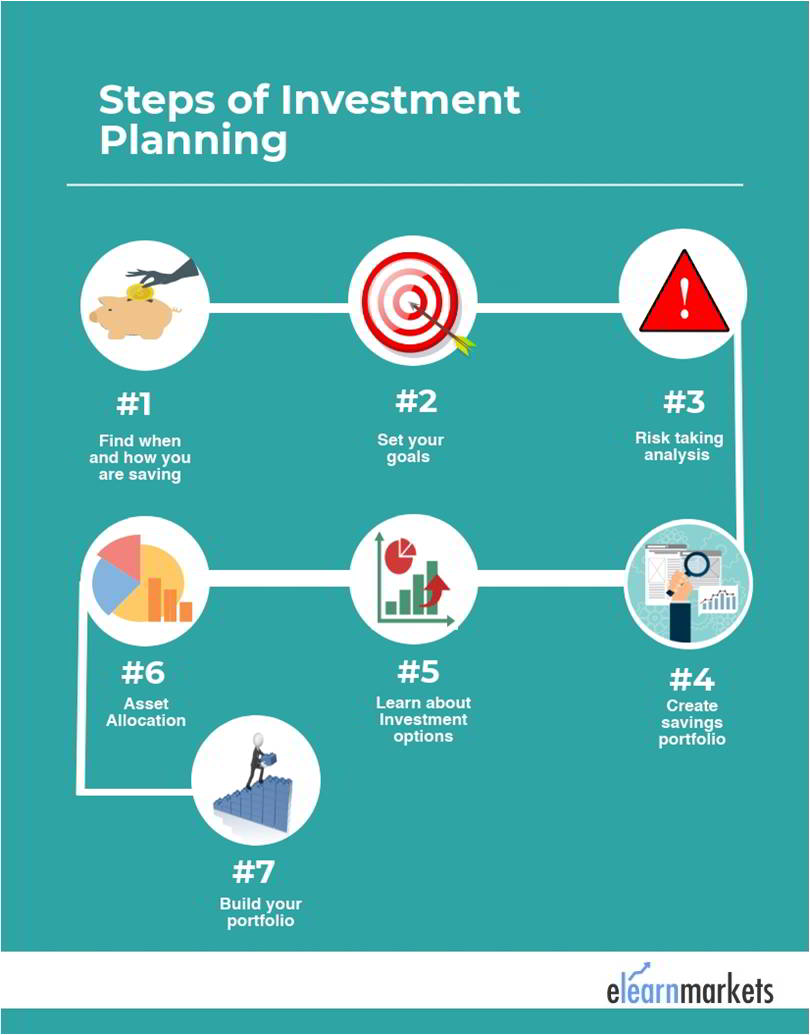
Embarking on the investment journey is a pivotal step towards financial independence and wealth creation. For many, the concept seems daunting, shrouded in complex jargon and perceived high risks. However, at its core, investing is simply the act of allocating capital with the expectation of generating future income or profit. It’s a fundamental mechanism for your money to work for you, potentially outpacing inflation and growing your net worth over time. Unlike saving, which merely stores money, investing actively seeks to increase its value. Understanding this fundamental difference is the first crucial step. The imperative to invest stems from the eroding power of inflation on static savings; what a dollar buys today, it will buy less of tomorrow. Strategic investment aims not just to preserve purchasing power, but to significantly enhance it.
The Imperative of Investing: Growth Beyond Savings
While a robust savings account provides a crucial safety net for emergencies, it typically offers minimal returns, often failing to keep pace with the rising cost of living. Investing, on the other hand, provides the opportunity for substantial capital growth through various financial instruments. Whether it’s the appreciation of stocks, the income generated from bonds, or the rental yield from real estate, investments offer pathways to build wealth beyond what regular employment income or basic savings can provide. This growth is essential for funding future aspirations, such as retirement, a child’s education, or significant purchases, transforming dreams into tangible financial realities. Ignoring the potential of investing means leaving significant wealth-building opportunities on the table, making financial goals harder to achieve in the long run.
Defining Your Financial Goals and Time Horizon
Before committing any capital, it is paramount to clearly define your financial goals. Are you saving for retirement 30 years from now, a down payment on a house in five years, or a new car in two? Each goal carries a distinct time horizon, which profoundly influences the type of investments suitable for your portfolio. Long-term goals, such as retirement, often allow for a greater allocation to higher-growth, higher-volatility assets like stocks, as there is ample time to recover from market fluctuations. Shorter-term goals, conversely, typically necessitate a more conservative approach, prioritizing capital preservation over aggressive growth, often leaning towards lower-volatility assets like bonds or high-yield savings accounts. Clear goals provide direction and help measure progress, acting as a compass for your investment strategy.
Assessing Your Risk Tolerance: A Crucial First Step
Risk tolerance is a deeply personal metric, reflecting your psychological comfort level with potential fluctuations in your investment’s value. It’s the degree of uncertainty or potential loss you are willing to accept in exchange for higher potential returns. Understanding your risk tolerance is critical to avoid making impulsive, fear-driven decisions during market downturns, which can derail long-term financial plans. Factors influencing risk tolerance include your age, income stability, existing savings, and personality. A young investor with a stable income and a long time horizon might comfortably tolerate higher risk for greater growth potential, while someone nearing retirement might prioritize capital preservation. Online questionnaires and discussions with financial advisors can help objectively assess your risk profile, ensuring your investment choices align with your personal comfort zone and financial capacity.
Demystifying Investment Vehicles: A Landscape of Opportunities
The world of investments offers a diverse array of vehicles, each with its unique characteristics, risk profiles, and return potentials. Understanding these options is key to building a well-rounded and effective portfolio. From the direct ownership of companies through stocks to the stability of bonds and the collective power of pooled investments, a suitable option exists for nearly every financial goal and risk appetite.
Equities: Ownership and Growth Potential
Equities, commonly known as stocks, represent fractional ownership in a company. When you buy a stock, you become a shareholder, entitling you to a portion of the company’s assets and earnings. The primary ways investors profit from stocks are through capital appreciation (when the stock’s price increases) and dividends (a portion of the company’s profits distributed to shareholders). Stocks are generally considered growth-oriented investments, offering the potential for significant returns over the long term, but they also come with higher volatility and risk compared to other asset classes. A company’s performance, industry trends, and broader economic conditions can all influence stock prices. Investing in stocks requires a willingness to withstand market fluctuations and a belief in the long-term prospects of the underlying companies.
Fixed Income: Stability and Income Generation
Fixed-income investments, predominantly bonds, represent a loan made by an investor to a borrower (typically a corporation or government). In return for the loan, the borrower agrees to pay the investor regular interest payments over a specified period, and to repay the principal amount on a maturity date. Bonds are generally considered less volatile than stocks and are often sought after by investors prioritizing capital preservation and steady income streams. They play a crucial role in diversifying a portfolio, providing a counterbalance to the higher risks associated with equities. While their growth potential is typically lower than stocks, their predictable income and relative stability make them an essential component for many investors, particularly those with a lower risk tolerance or nearing retirement.
Pooled Investments: Diversification Made Accessible
For many investors, especially beginners, individually picking stocks or bonds can be overwhelming and risky. Pooled investment vehicles offer a solution by combining money from many investors to buy a diversified portfolio of assets managed by professionals.
- Mutual Funds: These are professionally managed portfolios that invest in various securities like stocks, bonds, and other assets. They offer immediate diversification and professional management, making them popular for those who lack the time or expertise to manage their own portfolios. However, they often come with various fees, including management fees and expense ratios.
- Exchange-Traded Funds (ETFs): Similar to mutual funds, ETFs hold a basket of assets. However, they trade on stock exchanges throughout the day, just like individual stocks. This provides liquidity and flexibility. Many ETFs are passively managed, designed to track specific market indexes (e.g., S&P 500), offering broad market exposure at lower costs than actively managed mutual funds. ETFs are highly versatile and have become a cornerstone for many diversified portfolios.
Real Estate: Tangible Assets and Income Streams
Investing in real estate involves acquiring physical properties or indirect ownership through real estate investment trusts (REITs). Direct property ownership can generate rental income and potential capital appreciation. It offers tangible asset ownership and can be a hedge against inflation, but it also demands significant capital, involves ongoing management, and can be illiquid. REITs, on the other hand, are companies that own, operate, or finance income-producing real estate. They trade on stock exchanges like stocks, offering a liquid way to invest in real estate without the direct responsibilities of property ownership. REITs provide portfolio diversification, potential for high dividend yields, and exposure to various property sectors (e.g., residential, commercial, industrial).
Crafting Your Investment Strategy and Building a Portfolio

Building an investment portfolio is more than just selecting a few assets; it’s about developing a strategic framework that aligns with your financial goals, risk tolerance, and time horizon. A well-constructed strategy ensures that your investments work cohesively to achieve your objectives while mitigating unnecessary risks.
Asset Allocation: The Cornerstone of Portfolio Construction
Asset allocation is the process of dividing your investment portfolio among different asset categories, such as stocks, bonds, and cash equivalents. This is arguably the most critical decision in portfolio management, as studies consistently show that asset allocation accounts for a significant portion of a portfolio’s long-term returns and risk. The optimal asset allocation depends heavily on your individual risk tolerance and time horizon. A common guideline suggests a higher proportion of stocks for younger investors with longer timeframes, gradually shifting towards more conservative assets like bonds as retirement approaches. For example, a 60/40 split (60% stocks, 40% bonds) is a widely adopted moderate allocation, but this can be adjusted significantly based on personal circumstances. The key is to find a balance that offers the potential for growth while providing enough stability to help you weather market downturns without panic.
The Power of Diversification: Spreading Risk
Diversification is the strategy of spreading your investments across various assets, industries, and geographies to reduce overall risk. The principle is simple: don’t put all your eggs in one basket. By holding a variety of investments that react differently to market conditions, the poor performance of one asset may be offset by the stronger performance of another. Diversification can be achieved in several ways:
- Across Asset Classes: Investing in a mix of stocks, bonds, real estate, and potentially commodities.
- Within Asset Classes: For stocks, this means investing across different industries (e.g., technology, healthcare, consumer goods), company sizes (large-cap, mid-cap, small-cap), and geographical regions (domestic, international).
- Through Investment Vehicles: Utilizing diversified instruments like mutual funds and ETFs that inherently hold a basket of securities.
Effective diversification aims to reduce unsystematic risk (risk specific to an individual company or industry) and smooth out portfolio returns over time, making your investment journey less volatile.
Passive vs. Active Investing: Choosing Your Approach
Investors generally adopt one of two primary approaches:
- Passive Investing: This strategy involves building a diversified portfolio, typically using low-cost index funds or ETFs that track broad market indexes (like the S&P 500), and holding these investments for the long term with minimal trading. The goal is to match market returns rather than trying to beat them. Passive investing is often favored for its simplicity, lower fees, and historical evidence suggesting that most active managers struggle to consistently outperform their benchmarks after fees. It relies on the efficiency of markets and the power of compounding.
- Active Investing: This approach involves frequent buying and selling of securities in an attempt to outperform the market. Active managers conduct extensive research, market analysis, and economic forecasting to identify undervalued assets or predict market movements. While potentially offering higher returns if successful, active investing typically involves higher fees, requires significant time and expertise, and carries the risk of underperforming the market. For most individual investors, particularly those just starting, a passive approach or a combination with a small allocation to active strategies is often recommended.
The Role of Compounding: Letting Time Work for You
Compounding is often referred to as the eighth wonder of the world. It is the process where the returns you earn on your investments are reinvested, generating additional returns on both the original principal and the accumulated interest or gains. Over time, this snowball effect can dramatically accelerate wealth accumulation. The longer your money is invested, the more powerful compounding becomes. Even small, regular contributions can grow into substantial sums over decades due to this exponential growth. Starting early, even with modest amounts, gives your investments more time to compound, making it one of the most effective strategies for long-term wealth building.
Getting Started and Maintaining Your Investment Journey
Once you have established your goals, assessed your risk tolerance, and understood the various investment vehicles and strategies, the next step is to put your plan into action and consistently manage your investments. This involves opening the right accounts, committing to regular contributions, and periodically reviewing your portfolio.
Opening an Investment Account: Brokerages and Robo-Advisors
To begin investing, you’ll need an investment account. There are two primary avenues for individual investors:
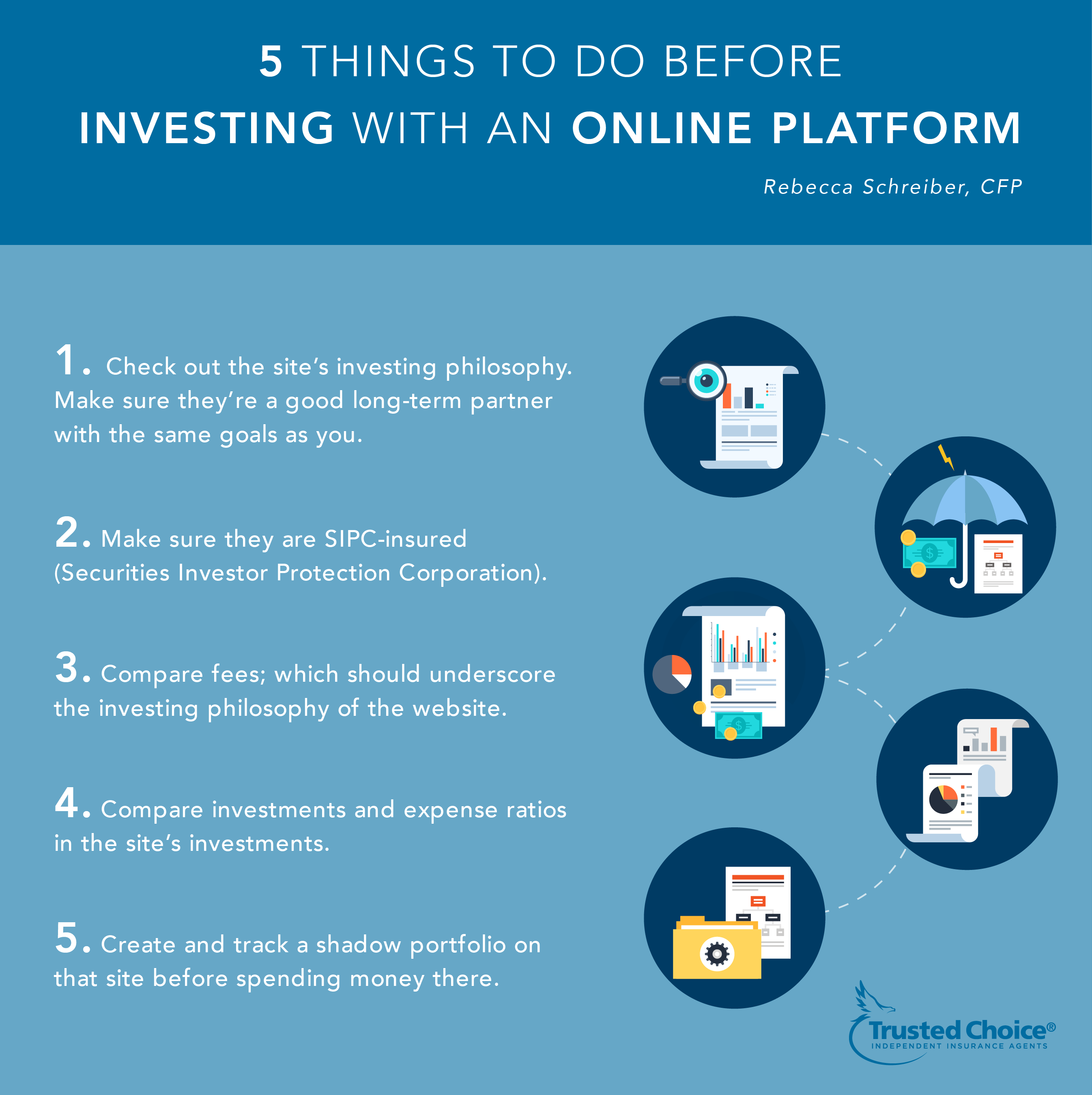
- Traditional Brokerage Accounts: These platforms (e.g., Charles Schwab, Fidelity, Vanguard) offer a wide range of investment products, from individual stocks and bonds to mutual funds and ETFs. They provide tools, research, and often access to human financial advisors. Brokerages are suitable for investors who want to actively manage their portfolios, conduct their own research, or have specific investment preferences. Many now offer commission-free trading for stocks and ETFs, making them accessible.
- Robo-Advisors: These are automated, algorithm-driven platforms (e.g., Betterment, Wealthfront) that build and manage diversified portfolios based on your financial goals and risk tolerance. You typically answer a series of questions, and the robo-advisor creates a personalized portfolio of low-cost ETFs, automatically rebalances it, and even handles tax-loss harvesting. Robo-advisors are an excellent option for beginners or those who prefer a hands-off approach, offering professional-grade portfolio management at a lower cost than traditional human advisors.
Choosing between a brokerage and a robo-advisor depends on your comfort level with self-management, your desire for human advice, and the complexity of your investment needs.
Regular Contributions: The Discipline of Dollar-Cost Averaging
One of the most effective disciplines for long-term investing is making regular contributions to your investment accounts, regardless of market conditions. This strategy is known as dollar-cost averaging. Instead of trying to time the market by investing a large lump sum at what you hope is the lowest point, dollar-cost averaging involves investing a fixed amount of money at regular intervals (e.g., weekly, monthly). When prices are high, your fixed amount buys fewer shares; when prices are low, it buys more shares. Over time, this averages out your purchase price and reduces the risk associated with investing a large sum at an unfortunate market peak. It instills discipline, removes emotional decision-making, and has proven to be a highly effective strategy for accumulating wealth consistently over the long run. Automating these contributions directly from your bank account can further simplify the process.
Monitoring and Rebalancing Your Portfolio
Investing is not a set-it-and-forget-it endeavor. Your portfolio requires periodic monitoring and occasional adjustments to ensure it remains aligned with your financial goals and risk tolerance.
- Monitoring: Regularly review your portfolio’s performance, typically on a quarterly or semi-annual basis. While daily fluctuations should be ignored, significant changes in your asset allocation or the performance of individual holdings warrant attention. Stay informed about major economic trends and changes in your personal financial situation (e.g., a new job, marriage, birth of a child), as these may impact your investment strategy.
- Rebalancing: Over time, the performance of different asset classes will cause your portfolio’s original asset allocation to drift. For example, a strong bull market might cause your stock allocation to exceed its target percentage. Rebalancing is the process of adjusting your portfolio back to your desired asset allocation by selling off some of the overperforming assets and buying more of the underperforming ones. This can be done by selling assets, buying new assets with new contributions, or a combination. Rebalancing helps maintain your target risk level and ensures you are not inadvertently taking on more risk than intended.
The Importance of Continuous Learning and Patience
The world of finance is dynamic, with new investment products and market trends emerging constantly. Continuous learning is vital for long-term success. Read reputable financial news, books, and articles; consider educational courses; and stay informed about economic developments. However, equally important is patience. Investing is a marathon, not a sprint. Market downturns are inevitable, and it’s during these times that many investors make emotional decisions to sell, locking in losses. Successful investors understand that market volatility is a normal part of the process and that staying invested through ups and downs, adhering to a well-thought-out strategy, and allowing the power of compounding to work its magic are the keys to achieving significant long-term financial goals. Avoid chasing fads or trying to time the market; instead, focus on your long-term plan and let time be your greatest ally.
aViewFromTheCave is a participant in the Amazon Services LLC Associates Program, an affiliate advertising program designed to provide a means for sites to earn advertising fees by advertising and linking to Amazon.com. Amazon, the Amazon logo, AmazonSupply, and the AmazonSupply logo are trademarks of Amazon.com, Inc. or its affiliates. As an Amazon Associate we earn affiliate commissions from qualifying purchases.