
The arrival of tax season often brings with it a familiar twinge of anxiety for millions of individuals and businesses. Beyond the mere act of filing, the central question that looms large in most taxpayers’ minds is, “How much do I owe on taxes?” This isn’t just a simple calculation; it’s the culmination of an entire year’s financial activity, influenced by income streams, deductions, credits, and a myriad of regulations. Understanding your tax liability is crucial not only for compliance but also for effective personal financial planning. It prevents unpleasant surprises, avoids penalties, and ensures you’re leveraging every legal opportunity to optimize your financial standing. This comprehensive guide will demystify the process, breaking down the factors that determine your tax bill and offering practical steps to accurately assess and manage your tax obligations.
Understanding the Fundamentals of Tax Liability
Before you can even begin to estimate what you owe, it’s essential to grasp the basic concepts that underpin tax liability. The U.S. tax system, while complex, operates on a few core principles that, once understood, make the entire process much more manageable.
What Constitutes Taxable Income?
Your tax liability begins with your income. Not all money you receive is taxable, but a significant portion generally is. Taxable income broadly includes:
- Wages, Salaries, and Tips: This is the most common form of taxable income, reported on your W-2 form from an employer.
- Self-Employment Income: If you work for yourself, through a freelance gig, a small business, or contract work, your net earnings (gross income minus allowable business expenses) are subject to income tax and self-employment taxes (Social Security and Medicare). This is typically reported on Schedule C.
- Investment Income: This includes interest earned from bank accounts and bonds (1099-INT), dividends from stocks and mutual funds (1099-DIV), and capital gains from selling assets like stocks, real estate, or cryptocurrency for a profit (1099-B).
- Rental Income: Money earned from renting out property.
- Retirement Account Distributions: Withdrawals from traditional IRAs, 401(k)s, and other pre-tax retirement accounts are generally taxable.
- Other Income: This can include lottery winnings, gambling income, alimony received (for divorces finalized before 2019), unemployment benefits, and certain taxable refunds.
Understanding what counts as income is the first step in calculating your Gross Income, the starting point for your tax return.
Key Tax Forms and Documents
The IRS and various state tax agencies rely on a system of forms to report your income and financial activities. Knowing which forms apply to you is vital for accurate tax preparation:
- Form W-2, Wage and Tax Statement: Issued by employers, this form reports your annual wages, tips, and other compensation, as well as the amount of federal, state, and local taxes withheld from your pay.
- Form 1099 Series: There are numerous 1099 forms, each for different types of non-wage income:
- 1099-MISC: For miscellaneous income, often used for payments to independent contractors before 2020.
- 1099-NEC: For Nonemployee Compensation, now the primary form for reporting payments to independent contractors.
- 1099-INT: For interest income from banks, brokerages, etc.
- 1099-DIV: For dividend income from stocks and mutual funds.
- 1099-B: For proceeds from broker and barter exchange transactions (e.g., stock sales).
- 1099-R: For distributions from pensions, annuities, retirement plans, IRAs, etc.
- 1099-K: For payment card and third-party network transactions (e.g., PayPal, Venmo, Square, if thresholds are met).
- Schedule K-1: Reports income, losses, and dividends for partners in a partnership, shareholders in an S corporation, or beneficiaries of an estate or trust.
- Form 1098 Series: Reports on deductions or credits, such as:
- 1098: Mortgage interest statement.
- 1098-E: Student loan interest statement.
- 1098-T: Tuition statement.
Gathering all these relevant documents before starting your tax return is a non-negotiable step to ensure you don’t miss any income or potential deductions.
Progressive Tax System Explained
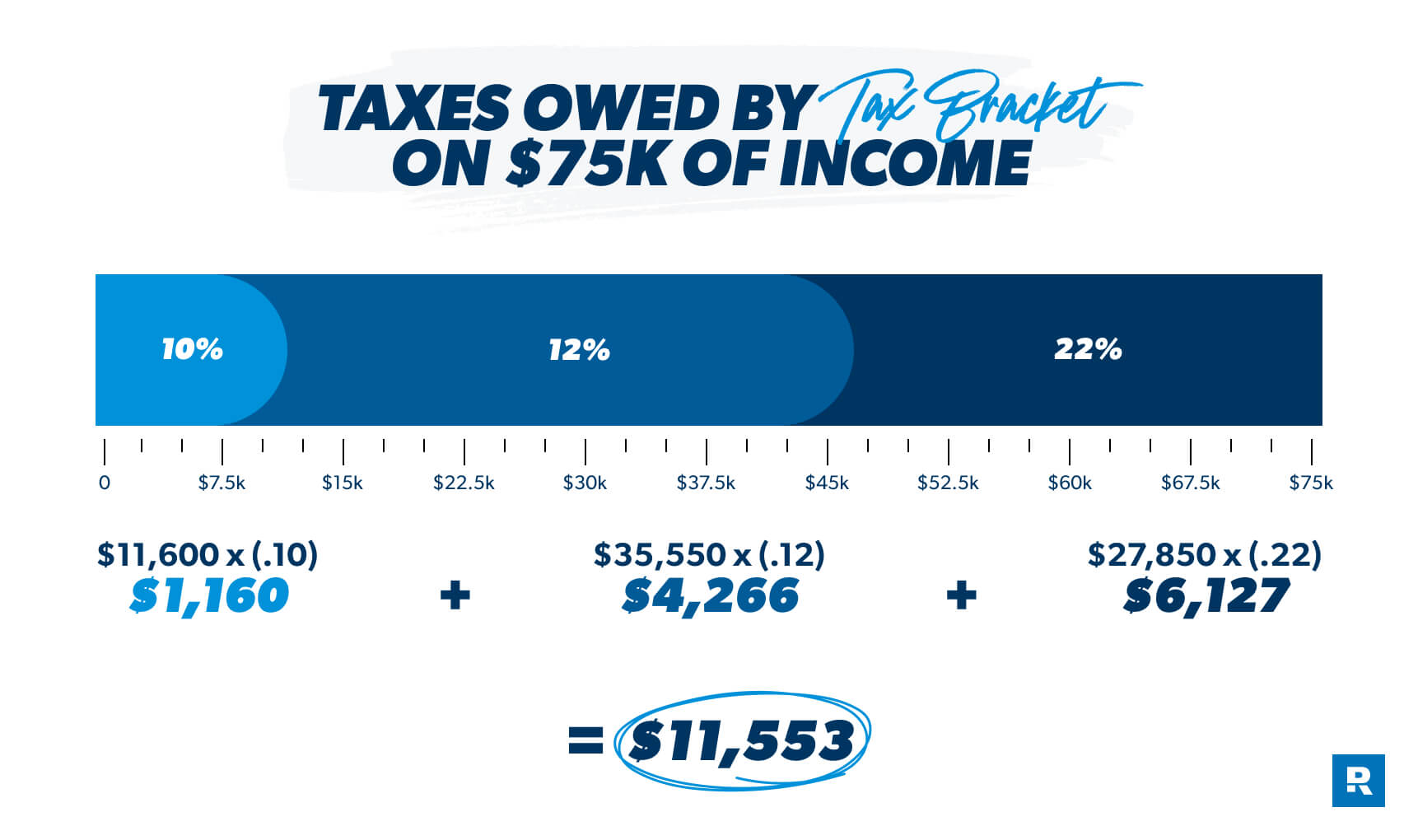
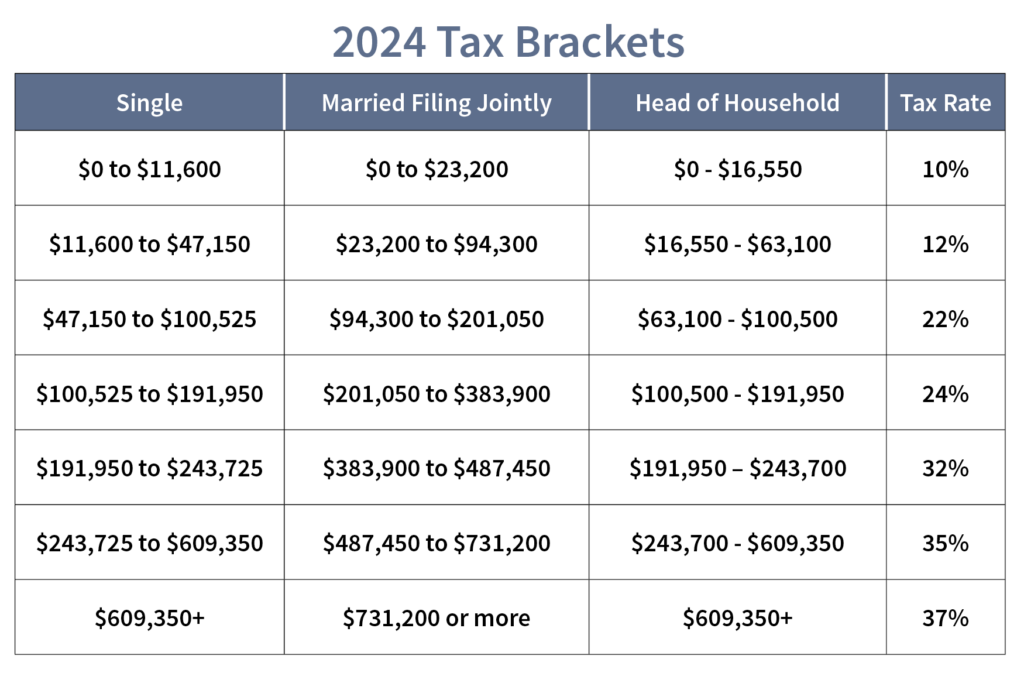
The U.S. federal income tax system is progressive, meaning higher earners pay a larger percentage of their income in taxes. This is achieved through a system of tax brackets and marginal rates.
- Tax Brackets: These are ranges of taxable income that are taxed at specific rates. For example, in a given year, the first $11,000 of taxable income for a single filer might be taxed at 10%, while income between $11,001 and $44,725 is taxed at 12%, and so on.
- Marginal Rates: This is the rate at which your last dollar of income is taxed. It’s important to understand that not all your income is taxed at your highest bracket’s rate. Instead, each portion of your income falls into a different bracket and is taxed at that bracket’s corresponding marginal rate. This is why a person in the 22% tax bracket doesn’t pay 22% of all their income in taxes; only the portion of their income that falls into the 22% bracket is taxed at that rate, while lower portions are taxed at 10% and 12%.
Understanding how marginal rates work helps dispel the myth that earning more money could push you into a higher bracket where you “lose” money overall.
Factors That Influence Your Tax Bill
Once you’ve identified your gross income, the next crucial step is to understand how various financial activities and personal circumstances can reduce your taxable income or even your final tax liability directly. This is where deductions and credits come into play, significantly impacting the “how much do I owe” equation.
Deductions: Reducing Your Taxable Income
Deductions are expenses that can be subtracted from your gross income, effectively lowering your Adjusted Gross Income (AGI), and consequently, the amount of income subject to tax. There are two main types:
- Standard Deduction: A fixed dollar amount that taxpayers can subtract from their AGI. The amount varies based on your filing status (e.g., single, married filing jointly) and is indexed for inflation annually. Most taxpayers opt for the standard deduction as it simplifies tax preparation and often results in a larger deduction than itemizing.
- Itemized Deductions: If your total eligible deductions exceed the standard deduction amount, you can choose to itemize. Common itemized deductions include:
- State and local taxes (SALT) – capped at $10,000 per household.
- Mortgage interest.
- Medical and dental expenses exceeding 7.5% of your AGI.
- Charitable contributions.
- Certain casualty and theft losses in federally declared disaster areas.
- Student loan interest (an above-the-line deduction, meaning you can take it even if you take the standard deduction).
- IRA contributions (for traditional IRAs, if eligible).
Carefully considering whether to take the standard deduction or itemize is a key decision that can significantly impact your tax bill.
Tax Credits: Dollar-for-Dollar Savings
Tax credits are arguably more powerful than deductions because they directly reduce the amount of tax you owe, dollar for dollar. A $1,000 deduction, at a 22% marginal tax rate, saves you $220 in taxes. A $1,000 tax credit, however, saves you a full $1,000. Credits can be non-refundable (can reduce your tax liability to zero, but no more) or refundable (can reduce your tax liability below zero, resulting in a refund).
Key tax credits include:
- Child Tax Credit (CTC): A significant credit for parents with qualifying children.
- Earned Income Tax Credit (EITC): A refundable credit for low-to moderate-income working individuals and families.
- Education Credits: Such as the American Opportunity Tax Credit and the Lifetime Learning Credit, which help offset the costs of higher education.
- Child and Dependent Care Credit: For expenses paid for the care of a qualifying individual to allow you to work or look for work.
- Premium Tax Credit: Helps eligible individuals and families afford health insurance coverage purchased through the Health Insurance Marketplace.
- Clean Energy Credits: Various credits for energy-efficient home improvements or purchasing electric vehicles.
Ensuring you claim all eligible credits is paramount to minimizing your tax burden.
Filing Status Matters
Your filing status is one of the first pieces of information required on your tax return, and it has a profound impact on your standard deduction amount, tax bracket thresholds, and eligibility for certain credits and deductions. The five main filing statuses are:
- Single: For unmarried individuals.
- Married Filing Jointly: For married couples who choose to combine their incomes and deductions on one return.
- Married Filing Separately: For married couples who choose to file individual returns. This can sometimes be advantageous in specific situations but often results in a higher overall tax liability.
- Head of Household: For unmarried individuals who pay more than half the cost of keeping up a home for themselves and a qualifying person (e.g., a dependent child). This status offers a larger standard deduction and more favorable tax brackets than Single.
- Qualifying Widow(er) with Dependent Child: For individuals whose spouse died in one of the two previous years and who have a dependent child. This status allows for joint return rates and the highest standard deduction.
Choosing the correct filing status is critical; in some cases (e.g., married couples), you might have more than one option, and running calculations for each can reveal the most tax-advantageous choice.
Estimated Taxes: When and Why They Apply
For many employees, taxes are automatically withheld from each paycheck, simplifying the annual tax calculation. However, if you have significant income not subject to withholding, such as from self-employment, investments, or rental properties, you may be required to pay estimated taxes throughout the year.
- Who Needs to Pay? Generally, if you expect to owe at least $1,000 in tax for the year and your withholding and credits won’t cover at least 90% of your current year’s tax liability or 100% of your prior year’s tax liability (110% for higher earners), you likely need to pay estimated taxes.
- How to Pay? Estimated taxes are typically paid in four equal installments throughout the year (April 15, June 15, September 15, and January 15 of the following year). You use Form 1040-ES to calculate and pay these amounts.
- Consequences of Not Paying: Failure to pay enough estimated tax throughout the year can result in penalties, even if you pay your full balance due by the tax deadline.
Accurately estimating and paying your quarterly taxes is crucial for self-employed individuals and those with diverse income streams to avoid penalties.
Practical Steps to Calculate and Verify Your Tax Due
Calculating your exact tax liability can feel daunting, but a methodical approach, coupled with the right tools, makes the process efficient and accurate. The goal is to move from your raw financial data to a confirmed tax obligation or refund.
Gathering Your Financial Records
The foundational step for any tax calculation is comprehensive record-keeping. Before you even open a tax form or software, collect all necessary documents:
- Income Statements: W-2s, 1099s (NEC, INT, DIV, B, K), Schedule K-1s.
- Deduction and Credit Documentation:
- Mortgage interest statements (1098).
- Student loan interest statements (1098-E).
- Tuition statements (1098-T).
- Records of charitable contributions (receipts, acknowledgments).
- Medical expense receipts.
- Business expense receipts and logs (for self-employed).
- Documentation for dependent care costs.
- Prior Year’s Tax Return: This provides a useful reference for what you typically claim and allows you to compare current year data.
- Personal Information: Social Security numbers for yourself, your spouse, and all dependents.
Organizing these documents systematically will save you time and reduce the risk of omissions or errors.
Utilizing Tax Software and Professional Help
The days of manually filling out paper forms are largely behind us, thanks to powerful tools and expert assistance:
- Tax Software: Programs like TurboTax, H&R Block Tax Software, TaxAct, and FreeTaxUSA offer guided interviews that walk you through the entire process. They ask relevant questions, identify potential deductions and credits, and perform all the complex calculations. Many offer free versions for simple returns, with paid tiers for more complex situations (e.g., self-employment, investments). These platforms are excellent for individuals who are comfortable with technology and whose tax situations aren’t overly complicated.
- Professional Tax Preparers: For those with complex financial situations (e.g., owning a business, significant investment activity, multiple properties, international income), or simply those who prefer peace of mind, hiring a Certified Public Accountant (CPA), Enrolled Agent (EA), or other qualified tax professional is often the best choice. They can provide personalized advice, identify obscure deductions, represent you in case of an audit, and ensure compliance. While there’s a fee, the savings and reduced stress can often justify the cost.
Choosing between software and a professional depends on your comfort level, the complexity of your taxes, and your budget.
Reviewing Your Tax Return for Accuracy
No matter how you prepare your taxes, a thorough review before filing is critical. Even the most sophisticated software can’t catch every human error or oversight.
- Double-Check All Entries: Verify that all numbers from your W-2s, 1099s, and other documents have been entered correctly. A transposed digit can lead to significant discrepancies.
- Confirm Personal Information: Ensure your name, Social Security number, filing status, and dependent information are accurate.
- Review Deduction and Credit Claims: Make sure you meet the eligibility requirements for all deductions and credits you’ve taken.
- Look for Red Flags: Does your refund or amount due seem unusually high or low compared to previous years? This might indicate an error.
- Consider Estimated Taxes Paid: Verify that any estimated tax payments you made throughout the year are correctly credited to your account.
- Read Through Your Return: Even if you used software, a quick skim of the summary pages can sometimes reveal obvious mistakes.
Taking the time for this review can prevent costly errors, delays in refunds, or even audits.
Understanding Your Tax Account Statement
After you file, you’ll eventually receive confirmation from the IRS or your state tax agency. It’s important to understand these communications:
- IRS Tax Transcripts: You can request these from the IRS, providing a detailed breakdown of your tax return, wage and income data, and account balance.
- Notices: If there’s an issue with your return, an adjustment, or an outstanding balance, you’ll receive a notice (e.g., CP2000, CP14, CP10). Don’t ignore these; respond promptly with the requested information or payment.
- State Tax Portals: Most states offer online portals where you can check the status of your state refund or amount due.
Understanding these statements helps you confirm that your tax obligations have been met and address any discrepancies efficiently.
What to Do If You Can’t Pay Your Taxes
Discovering you owe more than you expected can be a stressful experience, especially if you don’t have the funds immediately available. However, ignoring the problem is the worst possible approach. The IRS offers various options for taxpayers who genuinely cannot pay their tax bill on time.
Payment Plans and Extensions
The IRS is generally willing to work with taxpayers who make an effort to resolve their debt.
- Payment Extension for Filing: If you need more time to file your tax return, you can request an extension using Form 4868, which typically grants an additional six months. This, however, is an extension to file, not an extension to pay. Your tax payment is still due by the original deadline (typically April 15th), and interest and penalties may accrue on unpaid amounts.
- Short-Term Payment Plan: You can request an additional 180 days to pay your tax liability in full, though interest and penalties will still apply.
- Installment Agreement: If you need more than 180 days, you can request a monthly installment agreement with the IRS, which allows you to pay off your tax debt over up to 72 months. You must meet certain criteria, and interest and penalties continue to accrue, though penalty rates may be reduced. You can often set this up online if you owe less than a certain amount.
- Offer in Compromise (OIC): This allows certain taxpayers to resolve their tax liability with the IRS for a lower amount than what they originally owe. An OIC is typically granted when taxpayers are experiencing significant financial difficulty and paying the full amount would create an economic hardship. The IRS considers your ability to pay, income, expenses, and asset equity. It’s a complex process and not everyone qualifies.
Exploring these options promptly can prevent further financial strain and escalating penalties.
Consequences of Non-Payment
Failing to pay your taxes or make arrangements to do so can lead to serious consequences:
- Penalties: The IRS assesses penalties for various reasons, including failure to file on time, failure to pay on time, and inaccurate returns. The penalty for failure to pay is 0.5% of the unpaid taxes for each month or part of a month that taxes remain unpaid, up to a maximum of 25% of your unpaid tax.
- Interest: Interest is charged on underpayments and unpaid tax from the due date of the return until the date of payment. The interest rate is adjusted quarterly and can compound daily.
- Liens and Levies: If you continue to ignore your tax debt, the IRS can place a federal tax lien on your property, which is a legal claim against your assets (like your house or car) and can affect your credit score. They can also issue a levy, which allows them to seize your property, garnish your wages, or take money from your bank accounts.
These consequences underscore the importance of addressing tax debts proactively.
Seeking Professional Tax Relief
If you find yourself in a deep tax debt situation, especially one involving multiple years or significant amounts, seeking professional help is highly advisable.
- Enrolled Agents (EAs): EAs are federally authorized tax practitioners who are empowered by the U.S. Department of the Treasury to represent taxpayers before the IRS for tax issues.
- Tax Attorneys: Lawyers specializing in tax law can provide legal advice, represent you in tax court, and negotiate with the IRS on complex cases or audits.
- CPAs: While many CPAs offer tax preparation, some also specialize in tax resolution and can assist with payment plans, OICs, and other relief options.
These professionals can help navigate the complexities of IRS procedures, ensure you pursue the most beneficial resolution, and protect your rights as a taxpayer.
Proactive Strategies for Managing Future Tax Liabilities
The best defense against a burdensome tax bill is a good offense: proactive tax planning. By taking steps throughout the year, you can gain greater control over your financial future and minimize future tax surprises.
Tax Planning Throughout the Year
Tax season shouldn’t be a once-a-year scramble. Integrate tax considerations into your financial routine:
- Adjust Withholding (W-4): Review your Form W-4 annually, especially after major life changes (marriage, birth of a child, new job). Adjusting your withholding ensures that enough tax is taken from each paycheck, preventing a large bill at year-end or an excessive refund (which means you’ve given the government an interest-free loan). Use the IRS Tax Withholding Estimator tool for guidance.
- Make Estimated Tax Payments: If you have income not subject to withholding, make sure you’re consistently making your quarterly estimated tax payments. Don’t wait until the last minute.
- Project Income and Expenses: Periodically (e.g., mid-year, before year-end), estimate your annual income, deductions, and credits. This allows you to identify potential shortfalls or surpluses in advance.
- Tax Loss Harvesting: For investors, strategically selling investments at a loss can offset capital gains and even a limited amount of ordinary income.
- Charitable Giving: Plan your charitable contributions, especially if you itemize deductions, to maximize their tax benefit.
Consistent attention to these details can make a significant difference.
Leveraging Tax-Advantaged Accounts
Many financial accounts offer tax benefits that can reduce your current or future tax liability:
- 401(k)s and Traditional IRAs: Contributions to these accounts are often tax-deductible, reducing your taxable income in the year of contribution. Taxes are deferred until withdrawal in retirement.
- Health Savings Accounts (HSAs): If you have a high-deductible health plan, an HSA offers a triple tax advantage: tax-deductible contributions, tax-free growth, and tax-free withdrawals for qualified medical expenses. It’s often referred to as the most tax-advantaged account available.
- 529 Plans: Designed for education savings, these plans allow earnings to grow tax-free, and withdrawals for qualified education expenses are also tax-free. Many states also offer a tax deduction or credit for contributions.
- Roth IRAs and Roth 401(k)s: While contributions are not tax-deductible, qualified withdrawals in retirement are entirely tax-free. This is particularly appealing if you expect to be in a higher tax bracket in retirement.
Maximizing contributions to these accounts not only helps you save for important life goals but also strategically reduces your tax burden.
Keeping Meticulous Records
Good record-keeping is the backbone of effective tax management and can simplify your life immensely during tax season.
- Digital Organization: Use cloud storage (Google Drive, Dropbox, OneDrive) or dedicated financial software (Quicken, QuickBooks) to store digital copies of all tax-related documents.
- Categorize Expenses: For self-employed individuals, meticulously categorize business expenses throughout the year. Use accounting software or a simple spreadsheet.
- Save Receipts: Keep receipts for all deductible expenses, especially for cash transactions or smaller purchases that might otherwise be overlooked.
- Retain Records: Keep tax returns and supporting documents for at least three years (the statute of limitations for the IRS to audit most returns), and ideally longer (up to seven years for certain situations, like reporting worthless securities).
A well-organized system of records makes tax preparation faster, more accurate, and can be invaluable in the event of an audit.
The question “How much do I owe on taxes?” is never simple, but it doesn’t have to be intimidating. By understanding the core components of taxable income, leveraging deductions and credits, choosing the right filing status, and being proactive with tax planning, you can navigate your annual tax obligations with confidence. Whether you opt for tax software or professional assistance, the key is to stay informed, keep meticulous records, and address any potential issues promptly. Taking control of your tax situation is a fundamental pillar of sound personal finance, empowering you to optimize your wealth and secure your financial future.
aViewFromTheCave is a participant in the Amazon Services LLC Associates Program, an affiliate advertising program designed to provide a means for sites to earn advertising fees by advertising and linking to Amazon.com. Amazon, the Amazon logo, AmazonSupply, and the AmazonSupply logo are trademarks of Amazon.com, Inc. or its affiliates. As an Amazon Associate we earn affiliate commissions from qualifying purchases.