
Car insurance is more than just a legal requirement; it’s a critical financial safeguard, protecting you from potentially devastating costs associated with accidents, theft, or other unforeseen events. Yet, for many, the process of shopping for car insurance feels like navigating a dense financial jungle, fraught with complex jargon, endless options, and the nagging fear of paying too much or getting too little. In the realm of personal finance, optimizing your insurance spend is as crucial as managing investments or budgeting. This comprehensive guide aims to demystify the car insurance shopping process, equipping you with the insights and strategies needed to secure the best coverage at the most favorable price.

Understanding how to effectively shop for car insurance is not just about saving a few dollars; it’s about making an informed financial decision that aligns with your risk tolerance, budget, and specific needs. It’s an active exercise in financial prudence, ensuring that your assets are protected without unnecessary expenditure. By breaking down the components of a policy, analyzing the factors that influence premiums, and outlining a strategic shopping methodology, we empower you to take control of this vital aspect of your financial well-being.
Understanding the Fundamentals of Car Insurance
Before you can effectively shop, you must first understand the product you are buying. Car insurance is a contract between you and an insurer, where you pay a premium, and the insurer agrees to pay for specific financial losses as outlined in the policy. Not all policies are created equal, and the financial implications of your choices can be substantial.
The Mandatory Minimums: What You Need by Law
Every state mandates a minimum level of car insurance coverage, primarily focused on liability. This is the bedrock of your financial responsibility on the road.
- Bodily Injury Liability: This covers medical expenses, lost wages, and pain and suffering for others if you are at fault in an accident. State minimums vary widely, but these typically offer the bare minimum protection, which might be insufficient in a serious accident, potentially leaving your personal assets vulnerable.
- Property Damage Liability: This pays for damages you cause to another person’s property (e.g., their car, fence, or building) in an accident where you are at fault. Again, state minimums can be very low, and exceeding these limits could result in out-of-pocket expenses.
- Uninsured/Underinsured Motorist (UM/UIM): Required in some states, this protects you if you’re hit by a driver who has no insurance or not enough insurance to cover your damages and medical bills. This is a crucial financial safety net given the number of uninsured drivers on the road.
- Personal Injury Protection (PIP) / Medical Payments (MedPay): Required in “no-fault” states, PIP covers medical expenses and sometimes lost wages for you and your passengers, regardless of who caused the accident. MedPay is similar but typically only covers medical expenses.
Relying solely on state minimums is often a false economy. While it offers the lowest premium, the financial risk if you’re involved in a significant accident is substantial, potentially leading to personal bankruptcy.
Beyond the Basics: Comprehensive Coverage Options
To truly protect your financial stability, you often need to go beyond the mandatory minimums. These additional coverages provide a more robust financial shield.
- Collision Coverage: This pays for damages to your own vehicle resulting from a collision with another car or object, regardless of fault. It’s invaluable if you have a newer car or a car you can’t afford to repair or replace out-of-pocket.
- Comprehensive Coverage: This covers non-collision events, such as theft, vandalism, fire, natural disasters (hail, floods), or hitting an animal. It’s essential for protecting the financial investment in your vehicle from a wide array of unforeseen circumstances.
- Gap Insurance: If you lease or finance your car, gap insurance covers the “gap” between what you owe on your loan/lease and your car’s actual cash value (ACV) if it’s totaled or stolen. Without it, you could owe thousands on a car you no longer possess.
- Roadside Assistance and Rental Car Reimbursement: While not mandatory, these can be financially prudent additions, saving you significant hassle and unexpected costs during breakdowns or after an accident.
Deciphering Your Policy: Key Terms and Components
Understanding the jargon is critical for making informed financial choices.
- Premium: The amount you pay for your insurance policy, typically monthly, semi-annually, or annually. This is your direct financial outlay.
- Deductible: The out-of-pocket amount you must pay toward a covered loss before your insurance company starts paying. A higher deductible generally means a lower premium, but it increases your immediate financial burden in case of a claim.
- Coverage Limits: The maximum amount your insurance company will pay for a covered loss. For liability, it’s often expressed as three numbers (e.g., 100/300/50), representing bodily injury per person, bodily injury per accident, and property damage.
- Actual Cash Value (ACV) vs. Replacement Cost: ACV pays out the value of your car minus depreciation, while replacement cost would pay to replace your car with a brand-new one of similar make and model. Most car insurance policies pay ACV for total losses.
Navigating the Factors that Drive Your Premiums
Car insurance premiums are not arbitrary; they are meticulously calculated based on a complex algorithm of risk assessment. Understanding these factors allows you to anticipate costs and potentially mitigate them, thus exerting more control over your personal finance.
Personal Demographics and Driving History: Your Risk Profile
Insurers meticulously assess your personal data to determine your likelihood of filing a claim.
- Age and Gender: Younger, less experienced drivers, particularly males, often face higher premiums due to statistical data indicating a greater propensity for accidents. As drivers mature and gain experience, premiums tend to decrease, assuming a clean driving record.
- Driving Record: This is arguably the most significant factor. Tickets, at-fault accidents, and serious violations (like DUIs) signal higher risk to insurers, leading to substantially higher premiums. A clean driving record is your best financial asset in this regard.
- Credit Score (in most states): Many insurers use an “insurance score,” which is heavily influenced by your credit history. Statistically, individuals with lower credit scores are more likely to file claims, resulting in higher premiums. Maintaining good credit can directly translate to lower insurance costs.
- Marital Status: Married individuals often receive lower rates, as statistics suggest they are less likely to be involved in accidents.
Vehicle Type and Usage: Impact on Insurability
The car you drive and how you use it directly impacts its insurability and cost.
- Make, Model, and Year: Sporty cars, luxury vehicles, and those with high repair costs or a high theft rate generally command higher premiums. Safest cars, and those with advanced safety features (e.g., automatic emergency braking), might qualify for discounts.
- Safety Features: Vehicles equipped with anti-lock brakes, airbags, anti-theft devices, and other safety technologies are often cheaper to insure because they reduce the risk of injury or theft.
- Annual Mileage: The more you drive, the higher the perceived risk of an accident. Commuters typically pay more than those who only drive for leisure.
- Parking Location: Vehicles parked in secure garages are at lower risk of theft or vandalism than those parked on the street, which can influence rates.
Geographical Location: A Hidden Cost Driver
Where you live has a significant, often overlooked, impact on your premiums.
- Zip Code: Urban areas with higher traffic density, greater rates of accidents, theft, and vandalism typically have higher insurance costs than rural areas.
- Local Claims Rates: Insurers analyze historical claims data for specific areas. If your zip code has a high incidence of accidents, natural disasters, or car theft, your premiums will reflect that increased risk.
- Cost of Repairs and Medical Care: Areas with higher labor costs for auto repairs or elevated medical expenses can translate to higher insurance payouts, which are then reflected in premiums for residents.
The Strategic Approach to Shopping for Coverage
Effective car insurance shopping is a multi-step process that requires preparation, diligence, and a keen eye for financial detail. It’s not just about getting one quote; it’s about a strategic comparison to ensure optimal value.
Preparation is Key: Gathering Necessary Information
Before you even start getting quotes, gather all relevant data. This saves time and ensures accurate comparisons.
- Driver Information: Names, dates of birth, driver’s license numbers, occupation, marital status, and driving history (tickets, accidents, claims) for all drivers on the policy.
- Vehicle Information: Make, model, year, VIN (Vehicle Identification Number), current odometer reading, anti-theft devices, and safety features for all vehicles.
- Current Policy Information: Your existing policy details (coverage types, limits, deductibles, current premium) if you’re switching insurers. This helps you compare “apples to apples.”
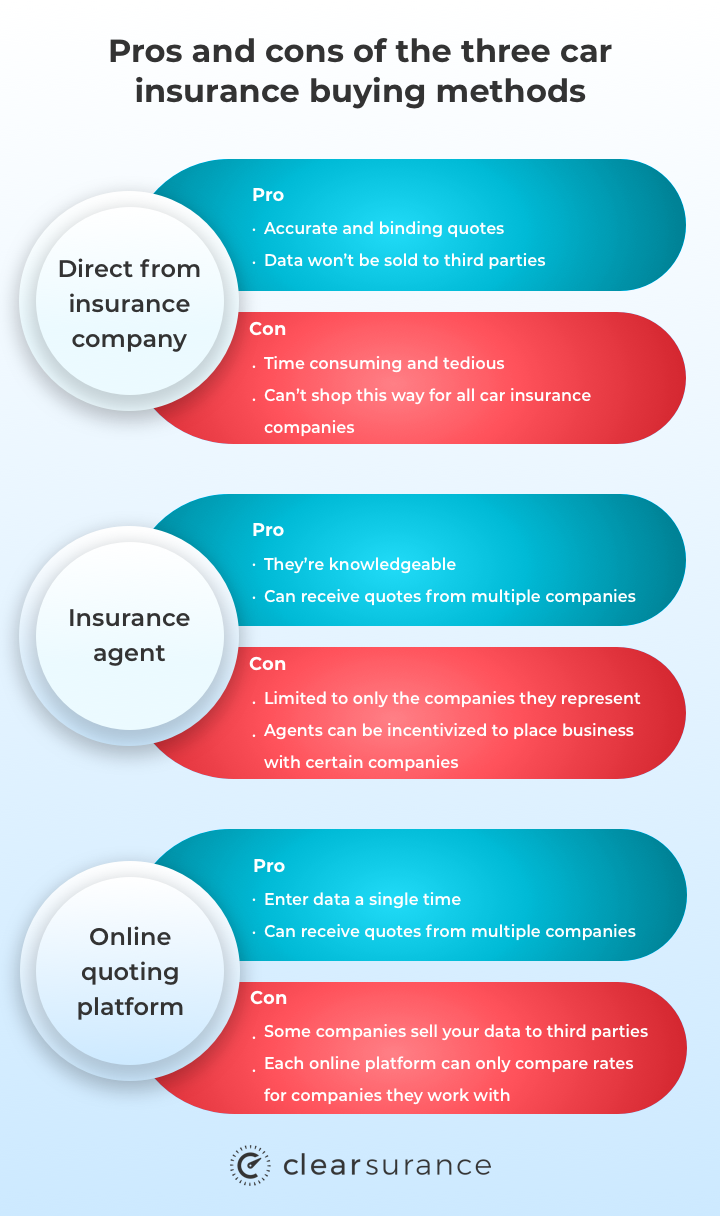
Leveraging Comparison Tools and Independent Agents
The digital age has revolutionized how we shop for insurance, offering powerful financial tools.
- Online Comparison Websites: Platforms like Policygenius, The Zebra, or Bankrate allow you to input your information once and receive multiple quotes from various insurers. This is an excellent starting point for broad market comparison.
- Direct Quotes from Insurers: Don’t rely solely on comparison sites, as not all insurers participate. Visit the websites of major insurers (e.g., Geico, Progressive, State Farm, Allstate) and get direct quotes.
- Independent Insurance Agents: These agents work with multiple insurance companies and can shop around for you. They can offer personalized advice, help you understand complex financial products, and often find unique solutions, serving as a valuable financial advisor in this specific niche. They are compensated by commission from insurers, so their services are typically free to you.
Direct Quotes vs. Bundling: Weighing Your Options
How you buy insurance can significantly impact your financial outlay.
- Individual Policies: Buying car insurance as a standalone policy. This might be beneficial if you find a specialist insurer with competitive rates for your specific profile.
- Bundling Policies: Many insurers offer significant discounts (often 5-25%) if you combine your car insurance with other policies, such as homeowners, renters, or life insurance. This “multi-policy discount” can be a substantial financial incentive and should always be explored. However, ensure the bundled price is genuinely cheaper than two separate, competitively priced policies.
The Art of Negotiation and Customization
Don’t just accept the first quote. Insurance is a highly competitive market.
- Review and Adjust Coverage: Consider if you genuinely need the highest limits or lowest deductibles. Adjusting these can significantly alter your premium. For older cars, collision and comprehensive might not be financially sensible if the car’s value is less than the annual premium plus deductible.
- Ask for Explanations: If a quote seems high, ask the agent to explain the factors contributing to the cost. Understanding this can help you identify areas for potential adjustment.
- Highlight Your Strengths: Emphasize your clean driving record, safety features, good credit, or any other factors that position you as a low-risk client.
Maximizing Savings: Discounts and Financial Prudence
Beyond the initial shopping process, ongoing financial diligence can lead to significant savings on your car insurance premiums. It’s about proactive management of your financial obligations.
Unlocking Available Discounts: Don’t Leave Money on the Table
Insurers offer a wide array of discounts, many of which are often overlooked.
- Good Driver Discount: For maintaining a clean driving record over several years.
- Good Student Discount: For high school or college students who maintain a certain GPA.
- Multi-Car Discount: For insuring multiple vehicles with the same company.
- Safety Features Discount: For vehicles equipped with anti-lock brakes, airbags, anti-theft devices, etc.
- Defensive Driving Course Discount: For completing an approved defensive driving course.
- Low Mileage Discount: For those who drive below a certain annual mileage threshold.
- Professional/Affinity Group Discounts: Some professional organizations or alumni groups partner with insurers to offer exclusive rates.
- Payment Discounts: For paying your premium in full, signing up for automatic payments, or receiving paperless statements.
Always ask your agent or review the insurer’s website for a comprehensive list of available discounts. Every percentage point saved adds up.
Adjusting Deductibles and Coverage Limits: A Balancing Act
This is a critical financial decision requiring a careful assessment of your personal risk tolerance and emergency fund.
- Increase Your Deductible: If you have a robust emergency fund and can comfortably afford a higher out-of-pocket expense in case of a claim (e.g., $1,000 instead of $500), increasing your deductible can significantly lower your premium. This is a direct trade-off between immediate cash outflow (premium) and potential future cash outflow (deductible).
- Review Coverage Limits: While state minimums are often too low, there’s a point of diminishing returns. Assess your assets and risk exposure to determine appropriate liability limits. If you have significant assets, higher liability coverage protects them from lawsuits. For an older vehicle with low market value, collision and comprehensive coverage might be costing you more than the car is worth, making it a financially unsound investment.
Reviewing Your Policy Annually: Staying Ahead of the Curve
Your life changes, and so should your insurance policy.
- Life Events: Marriage, moving to a new address, adding a teenage driver, or buying a new car all warrant a policy review. These events can drastically alter your risk profile and lead to new discounts or increased costs.
- Shopping Around Regularly: Don’t become complacent. Your loyalty to one insurer doesn’t always guarantee the best rates. Shop around at least once a year, or whenever your policy is up for renewal, to ensure you’re still getting competitive pricing. The insurance market is dynamic, and new offers or pricing models constantly emerge.
Avoiding Common Pitfalls and Embracing Future Trends
Even the savviest shopper can fall prey to common mistakes. Being aware of these and understanding the evolving landscape of car insurance can further refine your financial strategy.
The Dangers of Underinsuring or Overinsuring
Both extremes represent poor financial planning.
- Underinsuring: Opting for minimum coverage to save a few dollars can leave you financially devastated if you’re involved in a serious accident. The cost of medical bills and property damage far exceeds the small savings on premiums. It’s a gamble with your entire financial future.
- Overinsuring: Conversely, paying for coverage you don’t need (e.g., full comprehensive and collision on a ten-year-old car worth $2,000) is a waste of money. Regularly reassess the value of your vehicle and your personal financial exposure.
Understanding Claims Impact and Policy Changes
Filing a claim, especially an at-fault one, will almost certainly increase your premiums, sometimes substantially, for several years. This is a critical financial consideration when deciding whether to file a small claim that you could pay out-of-pocket versus involving your insurer. Also, be aware that insurers can change their underwriting criteria, leading to premium increases even without a claim on your part. Proactive shopping helps mitigate these shifts.
The Evolving Landscape: Telematics and Usage-Based Insurance
The future of car insurance is increasingly tied to technology, offering new avenues for savings.
- Telematics (Usage-Based Insurance): Programs like Progressive’s Snapshot or Geico’s DriveEasy use devices or smartphone apps to monitor your driving habits (e.g., mileage, speed, braking, time of day). Safe drivers can earn significant discounts, sometimes up to 30%. This is a direct application of data-driven insights into personal finance, allowing your good habits to translate into tangible savings. While it involves sharing personal data, the financial benefits can be compelling for careful drivers.
Shopping for car insurance doesn’t have to be a dreaded chore. By approaching it with a strategic mindset, understanding the underlying financial principles, and leveraging available tools and discounts, you can transform it into an empowering exercise in personal financial management. Regularly reviewing your policy, staying informed about market changes, and being proactive in your choices ensures that you always have adequate protection without overpaying. Your financial security on the road depends on it.
aViewFromTheCave is a participant in the Amazon Services LLC Associates Program, an affiliate advertising program designed to provide a means for sites to earn advertising fees by advertising and linking to Amazon.com. Amazon, the Amazon logo, AmazonSupply, and the AmazonSupply logo are trademarks of Amazon.com, Inc. or its affiliates. As an Amazon Associate we earn affiliate commissions from qualifying purchases.