
Bluegrass, scientifically classified under the genus Poa, represents one of the most recognizable and widely utilized turfgrass species in temperate climates across the globe. For homeowners, landscape architects, and turf management professionals, understanding the biological nature, cultivation requirements, and economic value of bluegrass is essential for maintaining high-quality turf. While many assume that a lawn is simply “grass,” the specific characteristics of Poa—particularly Kentucky Bluegrass (Poa pratensis)—set it apart as a premium selection in the green industry.
The Botanical Profile and Characteristics of Bluegrass
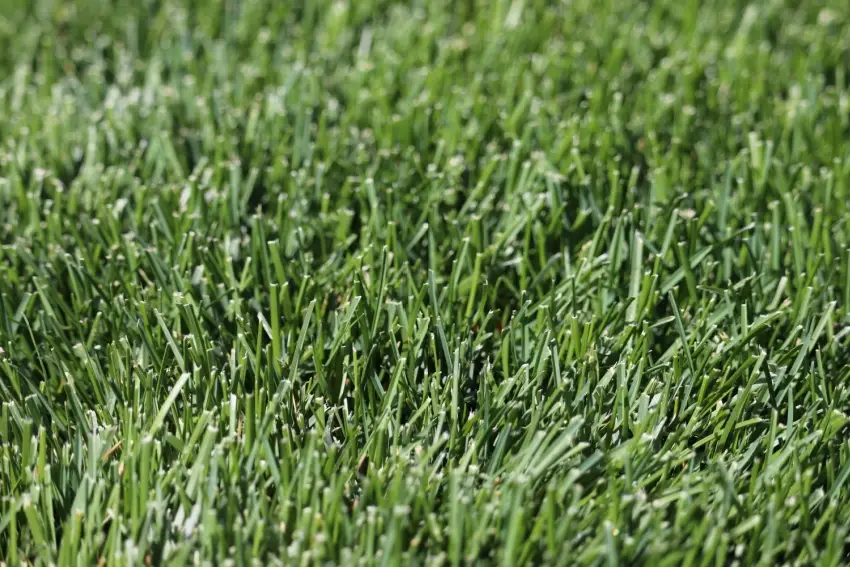
Bluegrass derives its name from the distinctive, deep bluish-green hue of its blades, a color that stands out sharply against the more yellow-tinted fescues or the coarse textures of warm-season grasses. Beyond its aesthetic appeal, Poa is a cool-season perennial, meaning it thrives in the spring and fall when soil temperatures are moderate, and it possesses the biological capacity to enter dormancy during extreme heat or cold.
Morphological Distinctions
The most reliable way to identify Kentucky Bluegrass is by examining the leaf tip. When viewed closely, the tip of the blade is shaped like the prow of a canoe, a feature that distinguishes it from other lawn grasses. The blades typically feature two clear lines on either side of the midrib, often referred to as “tramlines,” which are translucent veins that run the length of the blade. This structural nuance is a primary identifier for botanists and groundskeepers when assessing the purity of a sod installation or a seed blend.
Growth Habit and Rhizomatic Spread
Unlike bunch-type grasses that grow in isolated clumps, bluegrass spreads through a vigorous network of underground stems known as rhizomes. This is a critical factor for lawn health. Because of this spreading habit, bluegrass has the ability to “self-repair.” If a patch of turf is damaged by foot traffic, pests, or localized drought, the rhizomes will push outward, colonizing the bare soil and knitting the lawn back together. This makes it an ideal candidate for residential lawns that experience moderate activity, as well as athletic fields where the ability to recover from wear is paramount.
Environmental Requirements and Cultivation Strategies
Cultivating a healthy bluegrass lawn requires an understanding of its specific physiological needs. Because it is a cool-season species, it operates on a cycle that demands consistent management, particularly regarding water and nutrient intake. Neglecting these requirements often leads to the invasion of opportunistic weeds or the development of fungal pathogens.
Soil Composition and pH Optimization
Bluegrass thrives in well-drained, fertile soil with a pH ranging between 6.0 and 7.0. Soils that are too acidic or overly alkaline will inhibit the grass’s ability to uptake vital macronutrients, specifically nitrogen, which is the engine behind its deep color and density. Soil testing is the first step in a successful bluegrass strategy. Amending the soil with lime (to raise pH) or sulfur (to lower it) creates the chemical environment necessary for deep, robust root development.
Irrigation and Temperature Sensitivity
The greatest challenge in managing bluegrass is its sensitivity to heat. During the height of summer, if temperatures exceed 85 degrees Fahrenheit for extended periods, the grass will prioritize survival over growth. Effective management involves deep, infrequent watering. By saturating the soil to a depth of six inches once or twice a week, rather than performing frequent light sprinkles, the roots are encouraged to grow deeper into the soil profile. This deeper root system acts as a thermal buffer, allowing the grass to remain vibrant for longer during the inevitable heat stress of July and August.

Mowing Standards for Optimal Health
The “Rule of Thirds” is the gold standard for mowing bluegrass. This rule dictates that no more than one-third of the leaf blade should be removed in a single mowing session. For bluegrass, maintaining a height of 2.5 to 3.5 inches is generally recommended. Taller grass provides shade for the soil, reducing moisture evaporation, and encourages a deeper, stronger root system. Furthermore, keeping the blades longer allows for greater photosynthetic capacity, which is essential for the plant to store carbohydrates for the winter months.
Maintenance Cycles: Fertilization and Pest Management
A lush, uniform bluegrass lawn does not happen by accident; it is the result of a disciplined maintenance schedule. In the industry, the “Fall Fertilization” strategy is considered the most critical component of the annual calendar.
The Importance of Autumn Feeding
While many homeowners focus on spring fertilization, the autumn application is far more important for the longevity of the lawn. As temperatures drop in late September and October, bluegrass plants shift their focus from blade growth to root development and tiller production. Providing a high-nitrogen application during this window helps the plant recover from summer stress, thicken the turf canopy, and store the nutrients necessary to “green up” early the following spring.
Integrated Pest Management (IPM)
Bluegrass is susceptible to various pests, most notably the white grub and the chinch bug. An effective IPM program focuses on prevention through turf density. A thick, healthy stand of bluegrass will naturally outcompete most weeds, such as crabgrass or dandelions, by denying them the sunlight and soil space required to germinate. However, if pests do appear, targeting them early—specifically during their larval stages—is essential. Using organic or low-toxicity solutions, when applied at the correct lifecycle phase, keeps the turf ecosystem balanced while maintaining safe conditions for pets and children.
The Economic Value and Future of Turf Management
The cultivation of bluegrass has significant economic implications for real estate and municipal infrastructure. Property values are statistically higher for homes with well-maintained, lush lawns, and the “curb appeal” associated with a uniform bluegrass carpet is a primary driver in the residential housing market.
Professional Standards and Certification
For those in the landscaping business, bluegrass serves as a primary commodity. The industry has moved toward professional-grade seed blends that prioritize drought tolerance and disease resistance. Modern plant breeding has yielded “dwarf” varieties of bluegrass that require less frequent mowing and offer improved performance in shaded environments. Investing in certified seed—which guarantees low weed seed content and high germination rates—is a hallmark of professional landscape management.

Sustainable Turf Practices
As water resources become more regulated, the future of bluegrass lies in sustainability. Turf researchers are currently working on developing “smart” lawns that balance the classic aesthetic of Poa with a lower water footprint. This includes the integration of mycorrhizal fungi into the soil profile to improve moisture absorption and the use of precision irrigation technology that monitors real-time evapotranspiration rates.
Ultimately, bluegrass remains the “gold standard” of turfgrass for a reason. Its unique combination of self-repairing rhizomes, unmatched color, and density makes it the top choice for anyone looking to cultivate a high-performance lawn. By understanding the biology of Poa, adhering to a rigorous seasonal maintenance schedule, and utilizing evidence-based cultural practices, anyone can successfully leverage the strengths of this remarkable grass species to transform a patch of soil into a landscape asset that provides beauty and environmental value for years to come. Whether the goal is to increase property equity or simply to provide a functional space for recreation, the science of bluegrass is the key to enduring success in the field of turf management.
aViewFromTheCave is a participant in the Amazon Services LLC Associates Program, an affiliate advertising program designed to provide a means for sites to earn advertising fees by advertising and linking to Amazon.com. Amazon, the Amazon logo, AmazonSupply, and the AmazonSupply logo are trademarks of Amazon.com, Inc. or its affiliates. As an Amazon Associate we earn affiliate commissions from qualifying purchases.