
In the intricate landscape of personal finance, insurance stands as a fundamental pillar, offering crucial protection against unforeseen circumstances. Whether it’s safeguarding your home, car, health, or even your life, having adequate insurance coverage is not just a luxury but a necessity. However, the cost of this vital protection can vary dramatically between providers and policies, making the process of comparing insurance rates an essential skill for any financially savvy individual. An effective comparison doesn’t just save you money; it ensures you get the right coverage for your specific needs, preventing costly gaps or unnecessary expenses.
Many consumers approach insurance comparison with trepidation, daunted by the perceived complexity of policies, the myriad of providers, and the endless stream of quotes. Yet, with a structured approach and a clear understanding of the underlying principles, navigating this market can be both straightforward and highly rewarding. This guide will walk you through the process, empowering you to make informed decisions that optimize your financial security without overpaying. By understanding what drives rates, how to effectively gather and analyze quotes, and what to look for beyond the headline premium, you can transform a potentially overwhelming task into a powerful tool for financial optimization.
Understanding the Fundamentals of Insurance Premiums
Before diving into the mechanics of comparison, it’s crucial to grasp the fundamental factors that insurance companies use to calculate your premiums. This insight will help you understand why rates differ and how your personal profile influences the cost of coverage.
Key Factors Influencing Your Rates
Insurance premiums are not arbitrary figures; they are meticulously calculated based on a complex algorithm designed to assess risk. The higher the perceived risk you present to an insurer, the higher your premium will likely be. Several common factors weigh heavily in this assessment:
- Demographic Data: Your age, gender, marital status, and even your residential location play a significant role. Younger drivers often pay more for auto insurance due to statistical risk, while urban residents might face higher home insurance rates due to crime or natural disaster risks.
- Driving Record/Claims History: For auto insurance, a clean driving record free of accidents or traffic violations is paramount. Similarly, for home or health insurance, a history of frequent claims can lead to higher premiums. Insurers view past behavior as an indicator of future risk.
- Credit Score: In many states, your credit-based insurance score (which is related to, but distinct from, your traditional credit score) can significantly impact your rates across various policy types. A strong credit history often correlates with responsible financial behavior, which insurers interpret as a lower risk.
- Type and Amount of Coverage: Naturally, the more extensive your coverage and the higher your policy limits, the more you will pay. Opting for a higher deductible, which is the amount you pay out-of-pocket before your insurance kicks in, typically lowers your premium.
- Insured Item/Asset Details: For auto insurance, the make, model, age, and safety features of your vehicle affect rates. For homeowners insurance, factors like the age and construction of your home, its security features, and proximity to fire hydrants or fire stations are considered.
- Health and Lifestyle (Life/Health Insurance): For life and health insurance, your current health status, medical history, lifestyle choices (e.g., smoking, high-risk hobbies), and family medical history are critical in determining premiums.
Different Types of Insurance to Compare
While the article title broadly addresses “insurance rates,” it’s important to recognize that the comparison strategies, while similar in principle, will have specific nuances depending on the type of insurance. The most common types include:
- Auto Insurance: Covers damages to your vehicle, other vehicles, property damage, and injuries to yourself or others in an accident.
- Homeowners/Renters Insurance: Protects your dwelling and personal belongings from specified perils, and provides liability coverage.
- Health Insurance: Covers medical expenses, prescription drugs, and sometimes dental and vision care.
- Life Insurance: Provides a financial payout to your beneficiaries upon your death, offering financial security to your loved ones.
- Disability Insurance: Replaces a portion of your income if you become unable to work due to illness or injury.
- Umbrella Insurance: Provides additional liability coverage beyond the limits of your primary auto and home policies.
Regardless of the type, the goal remains the same: to find comprehensive coverage at the most competitive price without compromising on protection.
The Step-by-Step Process for Effective Comparison
Comparing insurance rates is more than just getting a few quotes and picking the cheapest one. It’s a systematic process that requires preparation, diligence, and a keen eye for detail.
Define Your Coverage Needs
Before you even begin collecting quotes, you must clearly define what you need. This is the most critical first step because comparing vastly different policies is like comparing apples to oranges. Ask yourself:
- What risks am I trying to mitigate? For auto, is it just liability, or do I need comprehensive and collision? For home, what perils am I most concerned about (e.g., floods, earthquakes – which often require separate policies)?
- What are my state’s minimum requirements? Always meet or exceed these.
- What deductibles am I comfortable with? A higher deductible lowers your premium but means more out-of-pocket in a claim.
- What policy limits are appropriate for my assets and risk exposure? If you have significant assets, you’ll need higher liability limits.
- Do I need any special endorsements or riders? For example, personal property riders for valuable items not fully covered by standard home insurance, or roadside assistance for auto.
Documenting these needs will create a standardized benchmark against which all quotes can be measured.
Gather Necessary Information
Once you know what you need, assemble all the pertinent information required by insurers to provide an accurate quote. Having this readily available will streamline the quoting process and ensure consistency across different providers.
- For Auto Insurance: Driver’s license numbers for all drivers, vehicle identification numbers (VINs) for all cars, current odometer readings, details of any past accidents or violations, and current policy information.
- For Homeowners Insurance: Home’s address, year built, square footage, construction type (brick, wood frame), roofing material, details of any recent renovations, security features (alarms, smoke detectors), distance to nearest fire hydrant/station, and claims history.
- For Health Insurance: Personal information for all family members, medical history, current medications, income details for subsidy eligibility.
- For Life Insurance: Personal details, medical history, family medical history, lifestyle habits, financial information (for determining coverage amount).
Obtain Multiple Quotes
With your needs defined and information organized, it’s time to gather quotes. You should aim for at least 3-5 quotes to get a comprehensive view of the market. There are several effective ways to do this:
- Directly from Insurers: Visit the websites of major insurance companies (e.g., State Farm, GEICO, Progressive, Allstate, Liberty Mutual) and get online quotes. This allows for self-service and direct interaction with the company.
- Independent Insurance Agents: These agents work with multiple insurance carriers and can shop around on your behalf. They offer personalized advice and can often find tailored policies, though their selection is limited to the carriers they represent. They can be invaluable for complex needs.
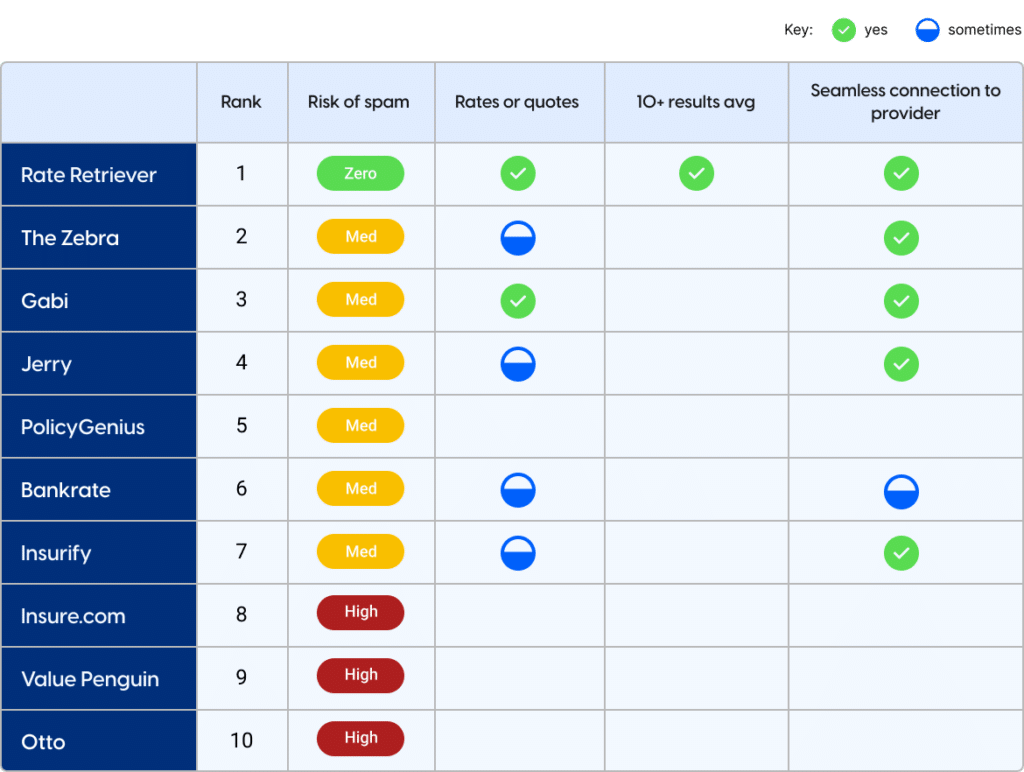
- Online Aggregators/Comparison Websites: Websites like Policygenius, Insurify, or The Zebra allow you to enter your information once and receive multiple quotes from various carriers simultaneously. This is efficient but always double-check the details as sometimes the coverage options presented might be simplified.
- Exclusive Agents: These agents represent only one insurance company (e.g., a captive agent for Farmers or American Family). While they can’t shop around, they are deeply knowledgeable about their company’s products and can often provide excellent service.

Be consistent: Ensure that every quote you receive is based on the exact same coverage parameters (deductibles, limits, endorsements) you defined in the first step.
Analyzing and Interpreting Your Quotes
Receiving a stack of quotes can still be overwhelming if you don’t know how to properly interpret them. The lowest premium isn’t always the best value. A thorough analysis goes beyond the immediate cost.
Beyond the Bottom Line: What to Look For
While the monthly or annual premium is undeniably important, it’s only one piece of the puzzle. You need to scrutinize the full policy details:
- Deductibles: A higher deductible means a lower premium, but ensure you can comfortably afford to pay that amount out-of-pocket if you need to file a claim.
- Coverage Limits: Are the liability limits sufficient? Are your personal property limits adequate for your possessions? Don’t skimp here; under-insuring could lead to devastating financial losses.
- Exclusions and Limitations: Every policy has things it doesn’t cover. For example, standard homeowners policies typically exclude flood and earthquake damage. Understand these limitations to identify potential gaps.
- Add-ons and Endorsements: Are certain features included by default with one insurer that are extra with another? Examples include rental car reimbursement for auto or water backup coverage for home.
- Claims Process and Customer Service: A low premium is meaningless if the insurer has a reputation for difficult claims processing or poor customer support. Online reviews and ratings can provide insights.
Understanding Policy Specifics
Familiarize yourself with common insurance terminology. This will empower you to compare policies more effectively and ask informed questions.
- Auto Insurance:
- Bodily Injury Liability: Covers costs for injuries to others if you’re at fault.
- Property Damage Liability: Covers damage to property of others if you’re at fault.
- Collision Coverage: Covers damage to your own car from an accident, regardless of fault.
- Comprehensive Coverage: Covers damage to your car from non-collision events (theft, fire, hail).
- Uninsured/Underinsured Motorist: Protects you if you’re hit by a driver with no or insufficient insurance.
- Homeowners Insurance:
- Dwelling Coverage: Covers the structure of your home.
- Personal Property Coverage: Covers your belongings.
- Loss of Use: Covers living expenses if your home becomes uninhabitable.
- Personal Liability: Protects you if someone is injured on your property.
- Actual Cash Value (ACV) vs. Replacement Cost Value (RCV): ACV pays out the depreciated value of an item, while RCV pays to replace it with a new one. RCV is generally preferred, though it costs more.
Discounts and Bundling Opportunities
Many insurers offer a wide array of discounts that can significantly reduce your premium. Always inquire about these, as they can sometimes make a seemingly higher quote more competitive.
- Bundling/Multi-Policy Discount: Often the biggest saver. Insurers give discounts for purchasing multiple policies (e.g., auto and home) from the same company.
- Safe Driver/Good Student Discount: For auto insurance, a clean record or good grades can yield savings.
- Vehicle Safety Features: Discounts for anti-theft devices, airbags, ABS brakes.
- Home Security Features: Discounts for alarm systems, smoke detectors, deadbolts.
- Loyalty Discount: For long-term customers.
- Payment Discounts: For paying annually, setting up autopay, or going paperless.
- Affiliation Discounts: Some employers, professional organizations, or alumni associations partner with insurers for group rates.
Don’t assume discounts are automatically applied; always ask your agent or review the online quote details carefully.
Making the Final Decision and Ongoing Management
Once you’ve diligently compared quotes and understood the nuances of each policy, it’s time to make your final decision. But the process doesn’t end there; insurance needs are dynamic and require periodic review.
Read Reviews and Check Financial Strength
Before committing to an insurer, do your homework on their reputation and financial stability. A cheap policy from a company that struggles to pay claims or might go out of business is no bargain.
- Consumer Reviews: Check independent review sites (e.g., Trustpilot, BBB, Google Reviews) to see what current and former customers say about their claims experience, customer service, and overall satisfaction.
- Industry Ratings: Organizations like A.M. Best, Standard & Poor’s, and Moody’s rate the financial strength of insurance companies. Look for companies with high ratings (e.g., A+ from A.M. Best) to ensure they have the financial capacity to meet their obligations.
- J.D. Power Rankings: These provide customer satisfaction ratings for various insurance lines, offering insights into service quality.
Ask Questions and Clarify Doubts
Never sign a policy until all your questions are answered and you fully understand the terms. An informed consumer is an empowered consumer. Don’t hesitate to contact the insurer or agent and ask for clarification on any aspect of the policy, especially concerning exclusions, limits, and the claims process. It’s better to spend extra time upfront than to face a costly surprise later.
Re-evaluate Periodically
Your insurance needs are not static. Life events can significantly alter your risk profile and coverage requirements, making it essential to re-evaluate your policies regularly.
- Annual Reviews: At least once a year, preferably before your policy renews, review your coverage to ensure it still meets your needs and to check if there are better rates available.
- Major Life Changes:
- New Car/Home: Immediately update your auto or home insurance.
- Marriage/Divorce: Can impact rates, beneficiaries, and coverage needs.
- New Baby: Essential for updating life and health insurance.
- Home Renovation: Increases the value of your home, requiring more dwelling coverage.
- Changes in Health: Affects life and health insurance.
- Children Leaving Home: May reduce auto insurance needs.
- Retirement: Can change income, assets, and lifestyle, prompting a re-evaluation of all policies.
Shopping around annually or every two years, even if you’re satisfied with your current insurer, is a smart financial habit. The market is constantly changing, and new discounts or policy options may emerge that could save you money without sacrificing protection.
Comparing insurance rates effectively is a powerful financial tool that empowers you to secure adequate protection at the best possible price. It requires a proactive approach, a clear understanding of your needs, and a willingness to look beyond the surface-level premium. By systematically defining your needs, gathering comprehensive information, obtaining multiple quotes, and meticulously analyzing policy details, you can navigate the complex world of insurance with confidence. Remember to consider the insurer’s reputation and financial stability, ask clarifying questions, and commit to periodically reviewing your coverage. This diligent process ensures that your insurance policies truly serve as a robust safety net, safeguarding your financial future against life’s inevitable uncertainties.
aViewFromTheCave is a participant in the Amazon Services LLC Associates Program, an affiliate advertising program designed to provide a means for sites to earn advertising fees by advertising and linking to Amazon.com. Amazon, the Amazon logo, AmazonSupply, and the AmazonSupply logo are trademarks of Amazon.com, Inc. or its affiliates. As an Amazon Associate we earn affiliate commissions from qualifying purchases.