
Interest rates are the lifeblood of any economy, acting as a critical barometer of financial health and influencing nearly every aspect of our monetary lives. From the cost of borrowing for a home or a car to the returns on savings accounts and investment portfolios, these rates dictate the flow of capital and shape economic behavior. They are not static figures but dynamic indicators, constantly shifting in response to a complex interplay of economic forces, central bank policies, and global events. Understanding “what are the current interest rates” is not merely about checking a number; it’s about comprehending the underlying mechanisms that drive them and, more importantly, recognizing their profound impact on your personal finances and business decisions. This article aims to demystify current interest rates, exploring their anatomy, the forces that shape them, and strategies to navigate the ever-evolving financial landscape they define.
The Anatomy of Interest Rates: Understanding the Basics
At its core, an interest rate represents the cost of borrowing money or the return on lending it. It’s the price paid by a borrower for the use of an asset, typically expressed as a percentage of the principal amount over a specific period. For savers, it’s the compensation received for depositing funds. These rates are not monolithic; they vary significantly depending on the type of loan or deposit, the borrower’s creditworthiness, the term length, and prevailing economic conditions.
What Exactly Is an Interest Rate?
Conceptually, an interest rate is best understood as the “rent” on money. When you borrow, you pay this rent; when you lend (by saving or investing), you earn it. This fundamental concept underpins the entire financial system. For instance, if you take out a mortgage, the interest rate determines your monthly payments beyond the principal. If you deposit money into a savings account, the interest rate dictates how much your money will grow over time. The nominal interest rate is the stated rate, while the real interest rate adjusts for inflation, providing a clearer picture of the actual purchasing power gain or loss.
Why Do Interest Rates Fluctuate?
Interest rates are inherently dynamic, influenced by a delicate balance of supply and demand for capital. Several key factors contribute to their constant fluctuation:
- Central Bank Policy: Monetary policy, set by central banks like the U.S. Federal Reserve or the European Central Bank, is the most dominant factor. By adjusting their benchmark policy rates, central banks can encourage or discourage borrowing and lending, thereby influencing inflation and economic growth.
- Inflation Expectations: If investors and lenders anticipate higher inflation, they will demand higher interest rates to compensate for the eroded purchasing power of future repayments. Conversely, low inflation often leads to lower rates.
- Economic Growth: A strong, growing economy typically sees higher demand for credit from businesses expanding and consumers spending, which can push rates up. A stagnant or contracting economy, with lower demand, may see rates fall.
- Government Debt: Countries with high levels of government debt or perceived fiscal instability might need to offer higher interest rates on their bonds to attract investors, which can then ripple through the broader economy.
- Global Capital Flows: In an interconnected world, international investors’ demand for a country’s debt and currency can significantly influence domestic interest rates.
Key Economic Drivers Shaping Interest Rates
While supply and demand are fundamental, specific economic actors and forces exert immense influence over the direction and magnitude of interest rate movements. Understanding these drivers is crucial for anyone attempting to gauge current rates or predict future trends.
The Role of Central Banks
Central banks are the primary architects of interest rate policy. Their main tools include:
- Policy Rates: For example, the Federal Funds Rate in the U.S. or the Main Refinancing Operations Rate in the Eurozone. These are the rates at which commercial banks borrow from each other or from the central bank, setting a baseline for all other rates in the economy.
- Quantitative Easing/Tightening: Buying or selling government bonds and other securities to inject or withdraw liquidity from the financial system, directly impacting long-term interest rates.
- Forward Guidance: Communicating their future policy intentions to manage market expectations.
When inflation is high or the economy is overheating, central banks typically raise policy rates to cool demand. Conversely, during economic downturns or periods of low inflation, they lower rates to stimulate borrowing, investment, and spending.
Inflationary Pressures
Inflation, the rate at which the general level of prices for goods and services is rising, is a critical determinant of interest rates. Lenders need to earn a return that at least outpaces inflation to maintain the real value of their money.
- High Inflation: Leads central banks to raise rates to curb spending and bring inflation back to target levels. It also prompts investors to demand higher yields on bonds to protect their purchasing power.
- Low Inflation/Deflation: May lead central banks to lower rates to stimulate economic activity and prevent a deflationary spiral.
Current inflation data (e.g., Consumer Price Index – CPI, Personal Consumption Expenditures – PCE) are therefore closely watched by markets and policymakers.
Economic Growth and Stability
The overall health and trajectory of the economy play a significant role.
- Robust Growth: Often accompanied by increased business investment and consumer spending, leading to higher demand for credit and potentially upward pressure on rates. A strong economy also gives central banks more room to raise rates without fear of triggering a recession.
- Slow Growth/Recession: Characterized by reduced demand for credit, prompting central banks to lower rates to stimulate activity. Economic uncertainty can also lead investors to seek safe haven assets like government bonds, which can depress their yields (and thus interest rates).
Global Economic Environment
No economy exists in isolation. Global factors can significantly impact domestic interest rates:
- International Capital Flows: Investors seeking higher returns may move capital across borders, influencing the supply and demand for funds in various countries.
- Geopolitical Events: Wars, trade disputes, and political instability can trigger flight-to-safety events, where investors pour money into perceived safe assets (like U.S. Treasuries), temporarily depressing their yields.
- Commodity Prices: Fluctuations in oil or other commodity prices can affect inflation globally, which then feeds into central bank decisions.
A Snapshot of Current Interest Rates Across Financial Products
Understanding the economic drivers is one thing; seeing how they translate into actual rates across various financial products is another. Current interest rates are not uniform; they vary widely depending on the type of financial instrument and the specific market.
Mortgage Rates
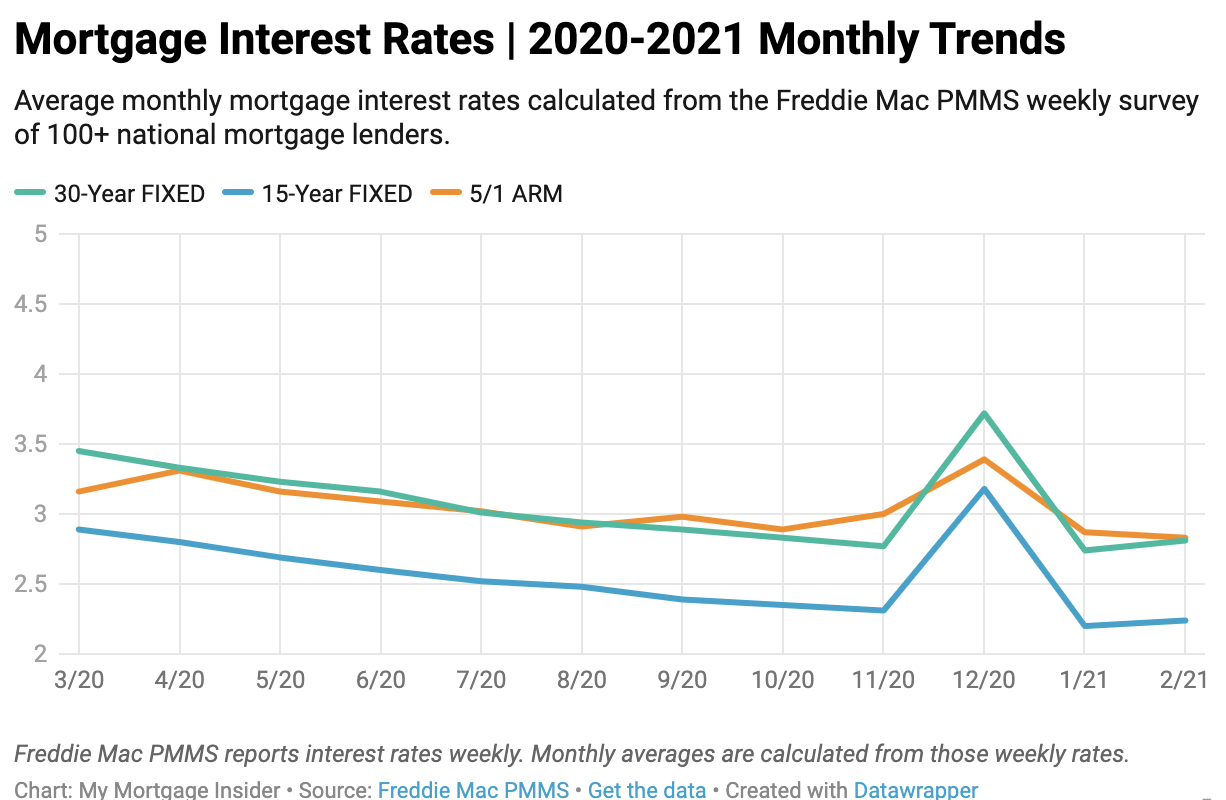
Mortgage rates are perhaps the most impactful for many households, determining the affordability of housing. They are closely tied to long-term government bond yields (like the 10-year Treasury yield in the U.S.).
- Fixed-Rate Mortgages: Offer a consistent interest rate for the life of the loan, providing stability in monthly payments. These rates tend to be higher than initial adjustable rates but protect against future rate increases.
- Adjustable-Rate Mortgages (ARMs): Start with a lower initial rate for a set period, then adjust periodically based on a chosen index. ARMs can be riskier if rates rise significantly.
Current mortgage rates are influenced by the central bank’s stance, inflation expectations, and the overall housing market demand. When central banks raise policy rates, mortgage rates tend to follow, albeit with a slight lag, making housing less affordable.
Savings Account and CD Rates
For savers, these rates determine the return on their deposits.
- Savings Accounts: Generally offer lower interest rates due to their high liquidity. High-yield savings accounts, typically offered by online banks, usually provide more competitive rates.
- Certificates of Deposit (CDs): Offer higher fixed rates than standard savings accounts in exchange for locking up funds for a specified term (e.g., 6 months, 1 year, 5 years). The longer the term, generally the higher the rate, reflecting the reduced liquidity for the saver.

When central banks raise rates, savings and CD rates tend to rise, making it more attractive to save. However, the increase in deposit rates often lags behind the increase in lending rates.
Credit Card and Personal Loan Rates
These represent the cost of consumer borrowing and are typically among the highest interest rates due to the unsecured nature of the debt and the inherent risk for lenders.
- Credit Card APRs (Annual Percentage Rates): Are often variable and directly tied to a benchmark rate (like the prime rate), which itself is influenced by the central bank’s policy rate. They tend to be very responsive to central bank rate hikes.
- Personal Loan Rates: Can be fixed or variable and depend heavily on the borrower’s credit score, loan amount, and term. Generally lower than credit card rates but still higher than secured loans like mortgages.
Rising central bank rates directly translate to higher costs for consumers carrying credit card balances or taking out personal loans, potentially dampening consumer spending.
Business Loan Rates
Businesses, from small enterprises to large corporations, rely on loans for operations, expansion, and investment.
- SME Loans: Rates for small and medium-sized enterprises vary widely based on the business’s financial health, collateral, and the type of loan (e.g., term loan, line of credit).
- Corporate Bonds: Larger corporations often issue bonds, which are essentially loans from investors. The interest rate (coupon rate) on these bonds is determined by the company’s credit rating, market demand, and the prevailing interest rate environment.
Higher interest rates increase the cost of capital for businesses, potentially slowing down investment and growth, while lower rates can stimulate expansion.
Government Bond Yields
Government bond yields (e.g., U.S. Treasury yields, German Bund yields) are often considered risk-free benchmarks for a country’s currency. They influence all other interest rates in an economy.
- Short-Term Yields: More directly influenced by central bank policy rates.
- Long-Term Yields: Reflect market expectations for future inflation and economic growth, as well as the central bank’s long-term policy stance.
An inverted yield curve, where short-term yields are higher than long-term yields, is often seen as a predictor of a looming recession.
Navigating the Current Rate Environment: Strategies for Individuals and Businesses
Understanding current interest rates is only half the battle; the other half is knowing how to act on that knowledge. The prevailing rate environment dictates different strategic approaches for borrowers, savers, investors, and businesses.
For Borrowers: Refinancing, Debt Consolidation, Rate Shopping
In a rising rate environment, borrowers face higher costs. Conversely, falling rates offer opportunities.
- Rising Rates: Prioritize paying down high-interest, variable-rate debt (like credit cards). Consider locking in fixed rates for new loans or refinancing existing variable-rate loans before rates climb further. Accelerating mortgage payments can save significantly over the loan term.
- Falling Rates: Explore refinancing opportunities for existing mortgages or high-interest personal loans to secure a lower rate, reducing monthly payments and total interest paid. Consider consolidating high-interest debts into a single, lower-rate loan. Always shop around for the best rates from multiple lenders.
For Savers and Investors: High-Yield Accounts, Fixed-Income Strategies, Diversification
The impact of interest rates on savings and investments is nuanced.
- Rising Rates: Favorable for savers. Seek out high-yield savings accounts, money market accounts, and CDs, which offer better returns. For bond investors, new bonds issued will offer higher yields. However, existing bonds with lower fixed rates will decrease in market value.
- Falling Rates: Less favorable for savers as returns diminish. Consider locking in CD rates if you anticipate further declines. For investors, existing bonds with higher yields become more attractive, increasing their market value. However, finding new investments with attractive fixed income returns becomes challenging.
- Diversification: Regardless of the rate environment, a diversified investment portfolio (stocks, bonds, real estate, commodities) is crucial to mitigate risks and capitalize on opportunities across different asset classes. Consider floating-rate bonds or inflation-protected securities (TIPS) in specific scenarios.
For Businesses: Capital Structure Optimization, Hedging Strategies
Businesses must manage their debt and investment strategies in response to interest rate movements.
- Rising Rates: Re-evaluate capital expenditure plans. Lock in fixed rates for new long-term debt to avoid future payment shocks. Consider reducing reliance on variable-rate debt. Explore interest rate hedging strategies (e.g., interest rate swaps) to mitigate risk.
- Falling Rates: Opportunities for businesses to refinance existing high-interest debt, reducing borrowing costs and freeing up capital for investment or operations. It’s also an opportune time for new capital projects as the cost of financing decreases.
The Future Outlook: What to Expect
Predicting the precise future trajectory of interest rates is challenging, even for seasoned economists. However, understanding the factors that guide central bank decisions and market sentiment can provide valuable insights.
Central Bank Forward Guidance
Policymakers often provide “forward guidance” – statements about the future path of monetary policy – to help markets anticipate their moves. These communications, along with meeting minutes and speeches from central bank officials, offer clues regarding potential rate hikes, cuts, or periods of holding steady. Market participants scrutinize these for any shifts in language or tone.
Economic Projections and Market Sentiment
Analysts and investors constantly update their economic projections for inflation, GDP growth, and employment. These projections, alongside market sentiment and investor confidence, play a significant role in shaping expectations for future interest rate movements. Bond market activity, particularly the yield curve, is a strong indicator of these collective expectations. A steepening yield curve (long-term rates rising faster than short-term) often signals expectations of stronger economic growth and inflation, while a flattening or inverting curve can signal the opposite.

Potential Scenarios
The future could see several scenarios:
- Continued Rate Hikes: If inflation remains stubbornly high and economic growth proves resilient, central banks might continue to raise rates to bring inflation back to target.
- Rate Cuts: If inflation cools significantly and economic growth slows or tips into recession, central banks might pivot to rate cuts to stimulate the economy.
- Holding Steady (Pause): If the economy and inflation are broadly aligned with central bank targets, policymakers might opt for a period of holding rates steady to assess the impact of previous actions.
Each scenario presents unique challenges and opportunities for individuals and businesses alike. Staying informed about economic data releases, central bank announcements, and expert analyses is paramount.
In conclusion, current interest rates are not just numbers; they are dynamic economic levers that profoundly impact our financial well-being. From the decisions we make about borrowing and saving to the strategies businesses employ for growth and stability, understanding these rates and their underlying drivers is fundamental to navigating the complex financial world. By staying informed, adapting strategies, and making prudent choices, individuals and businesses can better position themselves to thrive in any interest rate environment. The key is continuous learning and proactive financial management, ensuring that one is always prepared for the ebb and flow of economic cycles.
aViewFromTheCave is a participant in the Amazon Services LLC Associates Program, an affiliate advertising program designed to provide a means for sites to earn advertising fees by advertising and linking to Amazon.com. Amazon, the Amazon logo, AmazonSupply, and the AmazonSupply logo are trademarks of Amazon.com, Inc. or its affiliates. As an Amazon Associate we earn affiliate commissions from qualifying purchases.