
In the vast and ever-evolving landscape of communication, the seemingly small and often overlooked punctuation mark known as the inverted comma, or quotation mark, plays a surprisingly significant role. While its primary function might appear straightforward – to enclose direct speech – its applications extend far beyond simple quotation. In the realms of technology, branding, and finance, understanding the nuances of inverted commas can be the difference between crystal-clear messaging and subtle confusion, between a powerful brand statement and a lost opportunity, and between savvy financial communication and misleading information.
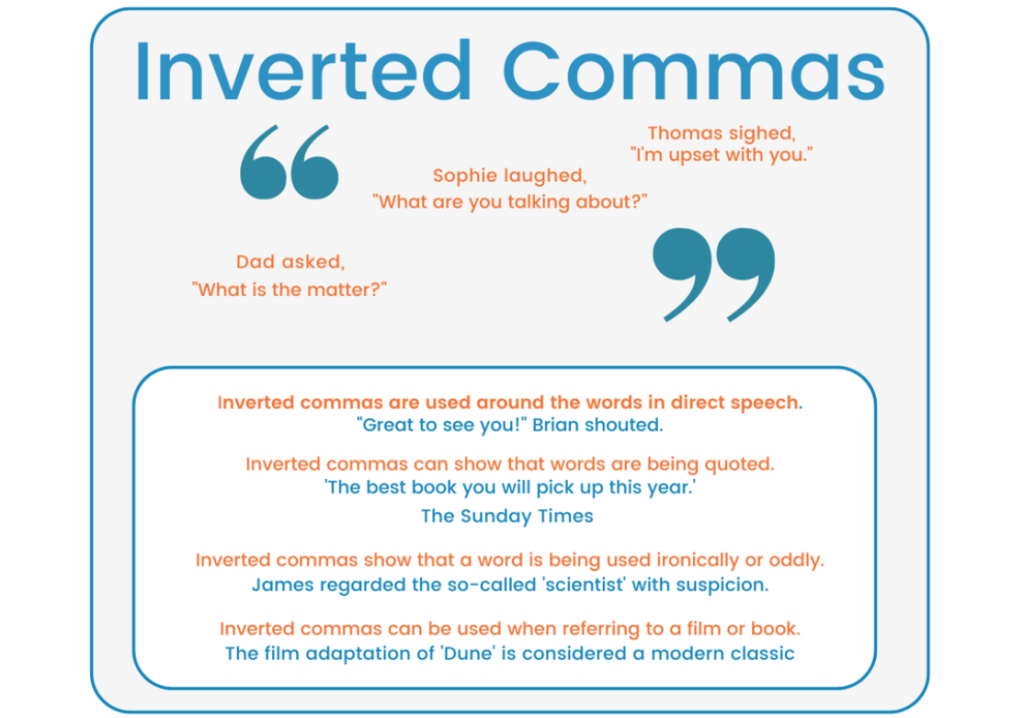
This exploration delves into the multifaceted world of inverted commas, examining their fundamental purpose and then unpacking their surprising relevance across the domains that shape our modern world. We’ll uncover how this humble punctuation mark can enhance clarity in technical discussions, bolster the impact of brand narratives, and ensure precision in financial discourse.
The Fundamental Role of Inverted Commas: Direct Speech and Beyond
At its core, the inverted comma is a signal. It alerts the reader that the words enclosed within it are not part of the main narrative but are either being directly quoted from another source or are being presented in a specific, often distinct, manner.
Quoting Directly: The Cornerstone Function
The most common and foundational use of inverted commas is to indicate direct speech. When reporting what someone has said verbatim, we enclose their exact words in quotation marks. This is crucial for accuracy and attribution. For instance, in a tech review, you might quote a user’s frustrated comment: “I can’t believe this app crashed for the third time this morning!” Without the inverted commas, this statement could be misinterpreted as the reviewer’s own observation.
This principle extends to quoting any source material. Whether it’s a snippet from a research paper, a line from a historical document, or a customer testimonial, inverted commas ensure that the origin of the text is clear. This is vital for academic integrity, legal accuracy, and building trust, especially when presenting evidence or feedback.
Beyond Direct Speech: Signifying Special Treatment
While direct quotation is their primary job, inverted commas also serve to highlight words or phrases that are being used in a special context. This can include:
- Irony or Sarcasm: When a word or phrase is used with the opposite of its literal meaning, inverted commas can signal this ironic intent. For example, describing a buggy software release as a “highly anticipated update” might be framed with inverted commas to convey sarcasm.
- Unusual or Coined Terms: If a word or phrase is new, technical jargon, or being used in a non-standard way, inverted commas can draw attention to it and indicate that it might require further explanation. In a tutorial on a new AI tool, a developer might introduce a unique function with a term like “hyper-parameter tuning,” and it could be presented as “we’ll be using the ‘neural forge’ to optimize our models.”
- Titles of Works: In some styles, inverted commas are used to denote the titles of shorter works like articles, poems, songs, or chapters within a book. For example, “Her latest blog post, ‘The Future of AI in Marketing,’ offers fascinating insights.”
- Terms Being Discussed: When the focus of the text is on the word itself, rather than its meaning, inverted commas can be used. For example, “The word ‘algorithm’ is central to understanding this new software.”
These secondary uses underscore the flexibility of inverted commas as a tool for guiding the reader’s interpretation and ensuring that nuances in meaning are not lost.
Inverted Commas in the Digital Age: Tech, Clarity, and User Experience
In the fast-paced world of technology, where innovation is constant and jargon abounds, clear and precise communication is paramount. Inverted commas become essential tools for developers, marketers, and end-users alike.
Enhancing Clarity in Technical Discussions and Tutorials
When explaining complex software, intricate AI models, or cutting-edge gadgets, the precise terminology matters. Developers often introduce new functions, commands, or specific parameters that need to be clearly distinguished from regular prose. Using inverted commas around these technical terms ensures that the reader understands they are referring to a specific element within the system.
For example, in a tutorial about a new programming language, you might read: “To execute the script, you will need to type python your_script.py in the terminal. Remember to use the --verbose flag for detailed output.” Here, the commands and flags are clearly demarcated. This prevents confusion between a general instruction and a specific command that the user must input.
Furthermore, when discussing user interface elements or specific settings, inverted commas help direct attention. A guide might instruct: “Navigate to the ‘Settings’ menu, then select the ‘Advanced’ tab. Ensure the ‘Enable machine learning’ option is checked.” This clarity is crucial for user experience, preventing frustration and ensuring that users can follow instructions accurately.
Highlighting User Feedback and Testimonials
In the realm of tech reviews and product development, user feedback is gold. Inverted commas are indispensable for showcasing authentic user voices. When presenting testimonials or quoting user reviews, using quotation marks ensures that the reader understands this is direct feedback from an actual user, adding credibility to the review.
For instance, a review for a new productivity app might include: “One user commented, ‘This app has completely revolutionized my workflow; I’m getting twice as much done!’ This kind of positive reinforcement is invaluable.” Conversely, negative feedback, presented directly, can also highlight areas for improvement: “However, another user reported, ‘The sync feature is incredibly unreliable, often losing my data.'” This direct reporting of user sentiment, clearly attributed through inverted commas, provides a more balanced and trustworthy assessment.
Navigating the Nuances of Digital Security and Privacy
In discussions about digital security, precise language is not just important; it can be critical. When referring to specific threats, malware names, or security protocols, inverted commas can help distinguish these terms from general language. For instance, a cybersecurity report might state: “We observed a significant increase in phishing attempts using the subject line ‘Urgent: Account Verification Required.’ Users should be wary of any emails containing such phrases.”
Moreover, when discussing privacy settings or specific data points, clarity is key. A tutorial on managing online privacy might say: “Under your profile settings, ensure that the option to ‘Share my location with third parties’ is unchecked.” This precise identification of a setting prevents misinterpretation and empowers users to protect their data effectively.
Branding with Precision: How Inverted Commas Shape Perception
In the competitive landscape of branding, every word counts. Inverted commas, while subtle, can be powerful tools for shaping brand perception, reinforcing identity, and communicating marketing messages with precision.
Crafting Brand Messaging and Taglines
When a brand introduces a new slogan or a specific phrase it wants to associate with its identity, using inverted commas can effectively elevate that phrase. For instance, a company launching a new initiative might announce: “Our new mission is to empower creators, truly living our motto: ‘Innovate. Inspire. Impact.'” The inverted commas here highlight the core tenets of their brand promise.
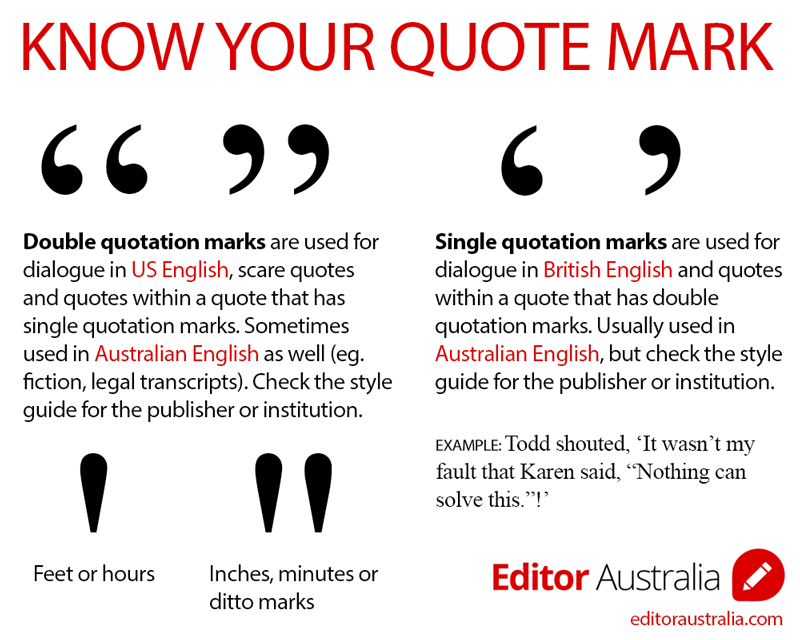
Similarly, in marketing campaigns, specific calls to action or unique selling propositions can be emphasized. A tech company advertising its revolutionary new product might use language like: “Experience the future of connectivity with our device, designed to deliver ‘uninterrupted performance, always.'” The inverted commas draw attention to the key benefit the brand is promising.
Quoting Expert Opinions and Endorsements
Building credibility is a cornerstone of effective branding. When a brand can leverage endorsements from industry experts or positive mentions in reputable publications, inverted commas are crucial for attributing these statements accurately. This lends authority and weight to the brand’s claims.
For example, a case study might read: “As leading tech analyst, Jane Doe, stated in her review, ‘This platform sets a new industry standard for scalability.’ This endorsement significantly bolsters our market position.” By directly quoting the expert, the brand transfers some of that credibility to itself.
Differentiating Between Brand Voice and External Voices
In content marketing and public relations, brands often need to distinguish between their own authoritative voice and the voices of external sources. Inverted commas are the standard way to do this, ensuring that the reader understands when they are hearing the brand’s perspective versus a quote from a customer, partner, or media outlet.
Consider a blog post on a company’s website discussing industry trends. The author might write: “While many believe the future lies solely in cloud computing, our research suggests a hybrid approach is more sustainable. As industry leader, John Smith, from Tech Insights, recently remarked, ‘The true innovation will be in seamless integration, not exclusive reliance.'” This clear demarcation of voices ensures that the brand’s editorial integrity remains intact.
Handling Sarcasm and Irony in Brand Communication
While less common in formal corporate branding, some brands leverage wit and a touch of irony in their communication. In these instances, inverted commas can be vital for signaling that a word or phrase is not meant to be taken literally. For example, a playful social media post for a gaming company might read: “After a ‘relaxing’ 48-hour gaming marathon, we finally defeated the final boss! #worthit.” The inverted commas around ‘relaxing’ clearly indicate that the experience was anything but. This can create a relatable and engaging brand persona, but it requires careful handling to avoid misinterpretation.
Financial Fluency: Precision in Numbers and Nuances
In the world of finance, where accuracy and clarity can have significant financial implications, the use of inverted commas is particularly important. Misunderstandings can lead to costly mistakes, and precise language is key to effective communication, from personal finance advice to corporate finance reports.
Quoting Financial Reports and Data
When discussing financial performance, investment strategies, or market trends, referencing official reports and data accurately is paramount. Inverted commas are used to directly quote figures, statements, and analyses from these authoritative sources.
For example, an investment analysis might state: “According to the Q3 earnings report, the company’s revenue increased by ‘15.7% year-over-year,’ exceeding analyst expectations.” This direct quotation ensures that the reader understands the source of this specific data point and its precise value.
Discussing Financial Jargon and Terms
The financial world is replete with specialized terminology. When introducing or explaining these terms, especially in educational content or introductory guides, inverted commas can help isolate the jargon and signal that it requires specific definition.
A personal finance article might explain: “When investing, it’s important to understand the concept of ‘diversification.’ This involves spreading your investments across different asset classes to reduce risk.” The inverted commas around ‘diversification’ highlight it as a key concept being introduced.
Communicating Investment Strategies and Recommendations
When providing investment advice or discussing specific financial instruments, precision is key. Inverted commas can be used to quote specific fund names, stock tickers, or recommended strategies, ensuring no ambiguity.
For example, a financial advisor might recommend: “For long-term growth, consider investing in index funds such as the ‘Vanguard S&P 500 ETF’ or the ‘iShares Core S&P 500 ETF.'” This clear identification prevents confusion between similar-sounding investment options.
Highlighting Cautionary Notes and Disclaimers
In financial communication, it is often necessary to include cautionary statements or disclaimers. Inverted commas can be used to quote these official warnings or to highlight specific phrases that require the reader’s attention.
A prospectus or investment disclaimer might read: “Past performance is no guarantee of future results. Investors should note that this investment carries ‘significant risk of capital loss.'” The inverted commas around ‘significant risk of capital loss’ emphasize the crucial warning.
Communicating Online Income Opportunities and Side Hustles
In the burgeoning world of online income and side hustles, clear descriptions of opportunities and earnings potential are vital. Inverted commas can help distinguish between general advice and specific programs or claims.
An article about side hustles might say: “Many people are finding success with ‘freelance writing platforms,’ earning extra income in their spare time.” When discussing specific earning claims, they might be presented with caution: “While some testimonials claim earnings of ‘$1000 per week’ through this method, it’s important to approach such figures with realistic expectations.” This highlights specific claims while also framing them appropriately.
Conclusion: The Enduring Power of a Small Punctuation Mark
From the technical blueprints of software to the carefully crafted narratives of brands and the precise calculations of finance, the inverted comma, in its humble form, proves to be an indispensable tool. It is more than just a mark on a page; it is a signal of distinction, a guardian of accuracy, and a subtle yet powerful amplifier of meaning.
In an era where information is abundant and clarity is a premium, mastering the various applications of inverted commas – from direct quotation and technical terminology to brand slogans and financial disclaimers – empowers communicators to connect with their audiences effectively. By understanding and judiciously employing this versatile punctuation, we can ensure our messages resonate with precision, build trust, and ultimately, achieve our desired impact across the diverse landscapes of technology, brand, and money.
aViewFromTheCave is a participant in the Amazon Services LLC Associates Program, an affiliate advertising program designed to provide a means for sites to earn advertising fees by advertising and linking to Amazon.com. Amazon, the Amazon logo, AmazonSupply, and the AmazonSupply logo are trademarks of Amazon.com, Inc. or its affiliates. As an Amazon Associate we earn affiliate commissions from qualifying purchases.