
Embarking on a cruise vacation is an enticing prospect for many, offering a unique blend of relaxation, adventure, and diverse experiences. However, one of the most frequently asked questions, and often the biggest hurdle for potential travelers, is “how much would a cruise cost?” The answer, as with many complex purchases, is far from straightforward. It’s not just a single price tag, but rather a dynamic sum influenced by myriad factors, from the cruise line and destination to the time of year and personal spending habits. Understanding these variables is key to budgeting effectively and ensuring your dream vacation doesn’t turn into a financial headache.
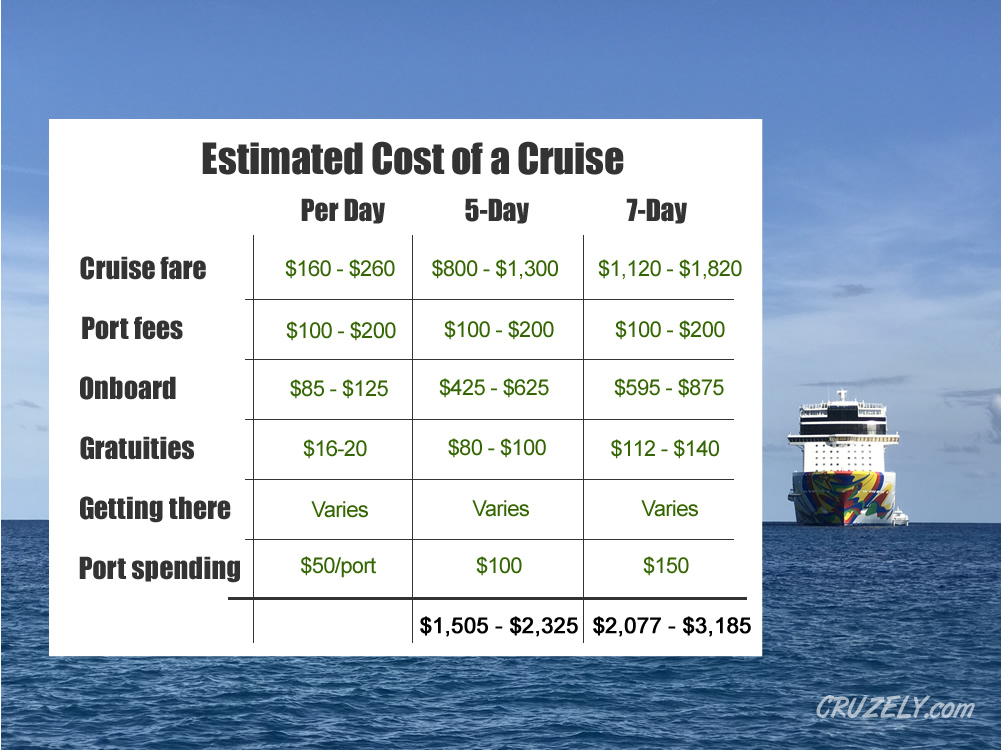
This comprehensive guide will demystify the various cost components associated with a cruise, providing a clear roadmap for what to expect financially. We’ll break down the base fare, explore common add-ons and hidden expenses, and offer insightful strategies for budgeting and optimizing your cruise investment, all from a personal finance perspective.
The Base Fare: Unpacking the Essentials
The advertised price for a cruise, often referred to as the “base fare,” is the foundation of your vacation cost. However, it’s crucial to understand what this initial figure typically includes and, more importantly, what it often omits. This understanding forms the bedrock of accurate financial planning for your journey.
What’s Included in Your Cruise Fare?
For many, the allure of a cruise lies in its perceived all-inclusiveness. While this isn’t entirely accurate, the base fare does cover a significant portion of your vacation experience. Typically, this includes:
- Accommodation: Your cabin (inside, oceanview, balcony, or suite) for the duration of the cruise.
- Most Meals: Access to the main dining rooms, buffets, and often casual eateries (like pizza or burger joints). Non-alcoholic beverages like water, basic coffee, tea, and juice are usually available in these areas.
- Onboard Entertainment: A vast array of activities, including Broadway-style shows, live music, comedy clubs, trivia, pools, fitness centers, and sometimes even ice skating rinks or surf simulators, are typically free.
- Transportation: The actual sailing from port to port, allowing you to visit multiple destinations without repacking.
- Basic Amenities: Access to common areas, lounges, libraries, and deck parties.
This core package represents substantial value, especially when compared to the cumulative cost of separate accommodation, dining, and entertainment on a land-based vacation.
Factors Influencing Base Fare
The price of a base fare isn’t static; it fluctuates widely based on several critical factors:
- Destination and Itinerary: Cruises to popular destinations like the Caribbean or Alaska during peak season will generally cost more than off-season sailings or less sought-after routes. Longer itineraries also naturally command higher prices.
- Cruise Line and Ship: Luxury cruise lines (e.g., Silversea, Regent Seven Seas) are significantly more expensive than premium (e.g., Celebrity, Holland America) or mainstream lines (e.g., Carnival, Royal Caribbean, Norwegian). Newer, larger ships with more amenities also tend to have higher fares than older, smaller vessels.
- Cabin Type: An inside cabin (no window) is the most budget-friendly option. Oceanview cabins offer a porthole or window, while balcony cabins provide private outdoor space. Suites, with separate living areas and often concierge services, are the most expensive. The difference between an inside cabin and a suite can be thousands of dollars for the same sailing.
- Time of Year: Peak travel seasons (summer, holidays, school breaks) drive prices up due to demand. Traveling during the “shoulder seasons” (spring and fall) or off-peak periods can yield substantial savings.
- Booking Timing: Booking far in advance (12-18 months out) can secure early-bird discounts and the best cabin selection. Conversely, last-minute deals might appear, but they come with limited choices and are a gamble.
Decoding Different Cruise Lines
Understanding the tiering of cruise lines is fundamental to managing your budget.
- Budget/Mainstream Lines (e.g., Carnival, MSC, Royal Caribbean, Norwegian, Princess): These lines offer a wide range of experiences at accessible price points. While their base fares are lower, many amenities and services (like specialty dining, premium drinks, or Wi-Fi) are additional costs, allowing for a highly customizable experience that can range from very economical to quite luxurious depending on your add-ons.
- Premium Lines (e.g., Celebrity, Holland America, Disney Cruise Line, Virgin Voyages): Positioned a step above mainstream, these lines often include more refined dining, enhanced service, and a slightly more sophisticated atmosphere. Some packages may include more perks, but many extras still come at an additional charge. Disney, while premium, also commands higher prices due to its unique brand appeal and family-focused offerings.
- Luxury Lines (e.g., Silversea, Regent Seven Seas, Seabourn, Azamara): These are the true “all-inclusive” experiences. While their base fares are significantly higher, they typically encompass nearly everything: fine dining, premium beverages (including alcohol), gratuities, Wi-Fi, shore excursions, and sometimes even flights and pre-cruise hotel stays. This upfront cost can often be comparable to or even less than a mainstream cruise once all potential add-ons are factored in.
Beyond the Base: Understanding Common Add-Ons
While the base fare covers the essentials, the true cost of a cruise rarely stops there. A significant portion of your budget will often be allocated to additional expenses, both onboard and related to your travel. Ignoring these can lead to unpleasant financial surprises.
Onboard Expenses
Cruise lines are masters at offering tempting upgrades and services once you’re on board. These optional expenditures can quickly inflate your total cost:
- Specialty Dining: While main dining rooms are included, most ships feature upscale, themed restaurants (e.g., steakhouses, Italian, sushi) that incur an additional per-person charge or a la carte pricing. These can range from $20 to $75+ per person per meal.
- Alcoholic Beverages & Premium Drinks: Standard base fares typically only include basic non-alcoholic drinks. Alcoholic beverages, specialty coffees, sodas, and bottled water often come with a significant price tag. Drink packages, while an upfront cost, can offer savings if you plan to consume multiple alcoholic drinks daily. These packages can range from $50 to $100+ per person per day.
- Spa Treatments & Salon Services: Massages, facials, hair styling, and other pampering services in the onboard spa and salon are always extra and priced similarly to high-end land-based spas.
- Shore Excursions: While you can explore ports independently, cruise lines offer organized excursions at an additional cost. These can range from $50 for a simple city tour to several hundred dollars for specialized adventures like helicopter tours or diving experiences.
- Internet Access (Wi-Fi): Internet connectivity at sea is notoriously expensive and often slower than on land. Packages are usually sold by the minute, day, or for the entire cruise, ranging from $10-$30 per day or more, depending on speed and usage.
- Gratuities: These are service charges for the crew (stateroom attendant, dining staff, etc.) and are almost always added to your bill, either daily or as a lump sum. They typically range from $14-$18 per person per day, depending on the cruise line and cabin type. Some luxury lines include them in the base fare.
- Casino & Shopping: Like any vacation, onboard casinos and duty-free shops offer opportunities for discretionary spending that can add up quickly.
- Laundry Service: While some suites may have complimentary laundry, most guests will pay for laundry and dry-cleaning services.
Pre- and Post-Cruise Costs
Your cruise vacation doesn’t begin and end at the gangway. There are significant expenses incurred before and after the sailing itself:
- Flights: Unless you live near a departure port, airfare to and from your embarkation/disembarkation city will be a major cost. Factor in baggage fees as well.
- Hotels: Many travelers opt to arrive a day or two before their cruise departs to mitigate flight delays and allow for some pre-cruise sightseeing. Similarly, a post-cruise hotel stay might be necessary depending on flight schedules.
- Transfers: Getting from the airport to the hotel, and then from the hotel to the cruise terminal, can involve taxis, ride-shares, or shuttle services, all of which add to the cost.
- Travel Insurance: Highly recommended for any significant trip, travel insurance protects against trip cancellations, medical emergencies, lost luggage, and more. This is an essential financial safeguard.
- Passports & Visas: Ensure your passport is up-to-date and valid for at least six months beyond your return date. Some itineraries may require specific visas, which can involve fees and application processes.
- Parking at the Port: If driving, parking your vehicle at the cruise terminal for the duration of your trip can incur daily fees.
Shore Excursions: To Book or Not to Book?
Deciding how to approach shore excursions is a key budgeting decision.
- Cruise Line Excursions: These offer convenience, guaranteed return to the ship (the ship won’t leave without you), and often experienced guides. However, they are generally more expensive and might involve larger groups and less flexibility.
- Independent Excursions: Booking with local operators or exploring on your own can save money and offer a more personalized experience. The trade-off is the responsibility for timing and ensuring you return to the ship before its scheduled departure. Researching local options and reading reviews extensively is crucial for this approach.
Strategies for Budgeting and Saving
Navigating the multitude of cruise costs requires a strategic approach to budgeting. With careful planning and smart choices, you can significantly reduce your overall expenditure without sacrificing the quality of your vacation.
Timing Your Booking
When you book can have a profound impact on the price:
- Early Bird Deals: Booking 12 to 18 months in advance often secures the best pricing, cabin selection, and sometimes includes extra perks (onboard credit, free specialty dining). This strategy is ideal for popular itineraries and specific cabin types.
- Last-Minute Deals: For the flexible traveler, snatching a last-minute deal (within 60-90 days of sailing) can offer significant discounts if a ship isn’t fully booked. However, cabin choices will be limited, and airfare might be more expensive. This is a gamble.
- Shoulder Seasons: Opting for cruises during the spring (excluding Easter/Spring Break) or fall (excluding Thanksgiving) can provide lower fares, fewer crowds, and often pleasant weather, offering a sweet spot for value.
Choosing the Right Itinerary and Ship
Your choice of itinerary and ship directly correlates with cost:
- Off-Peak Destinations: Consider destinations that are not in their prime season (e.g., Caribbean in early fall during hurricane season, though travel insurance becomes even more crucial).
- Older Ships: While newer ships boast the latest amenities, older, well-maintained ships often offer similar itineraries at a fraction of the cost. They can still provide a fantastic experience without the “new ship premium.”
- Repositioning Cruises: These one-way sailings occur when ships move between regions (e.g., from Alaska to the Caribbean). They are typically longer, have more sea days, and can be very affordable on a per-day basis, appealing to those who love being at sea.
Leveraging Packages and Promotions
Cruise lines frequently offer promotions that can bundle services or provide value-added benefits:
- Drink Packages: If you anticipate consuming multiple alcoholic or specialty non-alcoholic drinks daily, a drink package can be cost-effective. Do the math based on typical drink prices and your consumption habits.
- Wi-Fi Packages: Pre-purchasing Wi-Fi for the entire cruise is almost always cheaper than buying it daily or hourly onboard. Consider if you truly need constant connectivity or if you can disconnect and enjoy the vacation.
- Onboard Credit (OBC): Promotions often include OBC, which is essentially free money to spend onboard. Use it for specialty dining, spa treatments, shore excursions, or even gratuities. Always factor OBC into the total value of a deal.
- “Free At Sea” / “Sail Away” Promotions: Many lines offer bundles that include perks like free drink packages, specialty dining, Wi-Fi, or shore excursion credits. Compare the total package value against a base fare and individual add-on costs. Sometimes paying a slightly higher fare for an “inclusive” package can be better value.
Mindful Spending Onboard
Even with packages and promotions, smart choices onboard can keep your budget in check:
- Bring Your Own: Check your cruise line’s policy on bringing your own non-alcoholic beverages (soda, bottled water) or even a bottle or two of wine/champagne (corkage fees may apply). This can significantly cut down on drink costs.
- Utilize Included Dining: Enjoy the variety of included dining options. You don’t need to eat at a specialty restaurant every night to have a fantastic culinary experience.
- Limit Casino Play: Set a strict budget for gambling and stick to it.
- Skip Souvenirs: Decide beforehand if you truly need souvenirs or if memories and photos are enough.
- Independent Shore Excursions: As mentioned, organizing your own excursions can be a great money-saver. Plan thoroughly and be back on time!
- Take the Stairs: Not only good for health, but avoiding elevators can save time and contribute to overall energy for the trip! (Okay, this is less about money, more about efficiency, but every little bit helps the mindset!)
Is a Cruise Worth the Investment?
After meticulously breaking down the various costs, the ultimate question remains: is a cruise a worthwhile financial investment for your vacation dollars? The answer hinges on individual priorities, travel style, and expectations, but generally, cruises offer compelling value when viewed through a holistic lens.
Value Proposition Compared to Land Vacations
When comparing a cruise to a traditional land-based vacation, the value proposition becomes clearer. For a single upfront price (or multiple payments over time), a cruise often bundles accommodation, transportation between multiple destinations, most meals, and a vast array of entertainment.
- Cost Efficiency: Imagine the cost of booking separate flights, hotels in different cities, daily meals, and entertainment tickets for a multi-city tour. A cruise frequently undercuts this cumulative expense, especially for destinations like Alaska or the Mediterranean where land travel can be complex and expensive.
- Convenience: The logistical simplicity of unpacking once and waking up in a new destination almost daily is a major benefit that saves time and reduces stress, which itself has an intangible value.
- Diverse Experiences: Cruises offer a curated selection of activities from cultural immersion in port to onboard relaxation, appealing to a wide range of interests within one trip.
The All-Inclusive Perception vs. Reality
It’s crucial to manage expectations regarding the “all-inclusive” tag. As we’ve explored, few cruises are truly all-inclusive unless you opt for a luxury line. However, even mainstream cruises offer a highly inclusive base package that provides excellent value for money. The “reality” is that you have a high degree of control over your spending beyond the base fare. You can choose to indulge in every add-on, or you can enjoy a perfectly fulfilling vacation without spending a single dollar extra onboard.
The perception of “hidden costs” often arises from a lack of research or understanding of what’s included. By knowing what to expect, you empower yourself to make informed financial decisions.

Personalizing Your Cruise Experience to Your Budget
Perhaps the greatest financial strength of a cruise vacation is its adaptability to almost any budget.
- Budget Travelers: Can opt for interior cabins on older, mainstream ships, bring their own permitted beverages, stick to included dining and entertainment, and explore ports independently. This can provide an incredibly affordable way to see the world.
- Mid-Range Travelers: Can balance savings with a few indulgences – perhaps a balcony cabin, one or two specialty meals, and a drink package for part of the trip.
- Luxury Travelers: Can choose premium or luxury lines where most expenses are bundled, or opt for suites on mainstream ships with all the bells and whistles, ensuring a lavish, worry-free experience.
Ultimately, “how much would a cruise cost” is a question with a personalized answer. With careful planning, a thorough understanding of the cost components, and smart budgeting strategies, a cruise can be a highly rewarding and financially sensible vacation choice, offering an unparalleled blend of exploration and relaxation for a truly memorable experience.
aViewFromTheCave is a participant in the Amazon Services LLC Associates Program, an affiliate advertising program designed to provide a means for sites to earn advertising fees by advertising and linking to Amazon.com. Amazon, the Amazon logo, AmazonSupply, and the AmazonSupply logo are trademarks of Amazon.com, Inc. or its affiliates. As an Amazon Associate we earn affiliate commissions from qualifying purchases.