
The sight of a modern cruise ship is nothing short of breathtaking – a floating city designed for leisure, engineering marvel, and a beacon of human ingenuity. These colossal vessels, stretching hundreds of meters and towering multiple decks high, represent an immense undertaking in every conceivable dimension. Yet, beyond their awe-inspiring scale and the promise of exotic getaways, lies a financial universe equally vast and complex. The question “how much cruise ship” is not merely about its physical dimensions but delves deep into its staggering economic footprint, from initial investment to daily operational costs, and the intricate web of revenue streams that sustain these magnificent maritime enterprises. Understanding the financial mechanics of a cruise ship unveils a fascinating interplay of global markets, specialized industries, and consumer demand that few other assets can rival.
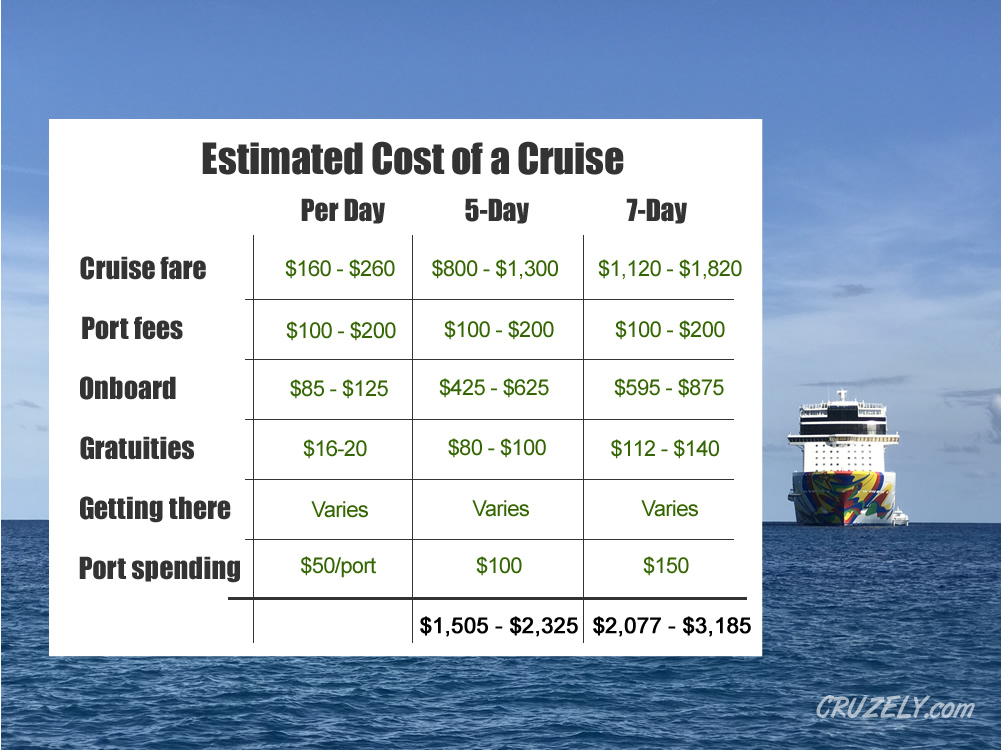
The Staggering Price Tag of Construction and Acquisition
Embarking on the journey of owning a cruise ship begins with a capital expenditure that dwarfs most other business ventures. These aren’t just large boats; they are highly sophisticated, self-contained ecosystems that demand an astronomical investment from their inception.
Billions to Build: A Symphony of Engineering and Capital
The construction cost of a modern mega-cruise ship is an eye-watering figure, routinely soaring into the billions of dollars. For instance, a state-of-the-art vessel like Royal Caribbean’s Oasis-class or Icon-class ships can command a price tag well over $1.5 billion, and newer, even more advanced vessels push past the $2 billion mark. This immense cost is a testament to the confluence of advanced engineering, luxurious amenities, and regulatory compliance required for these floating resorts.
Several factors contribute to this colossal expense:
- Size and Capacity: Larger ships naturally require more materials, more complex structural engineering, and more extensive internal infrastructure. Accommodating thousands of passengers and crew demands vast public spaces, numerous cabin types, and extensive service areas.
- Luxury Features and Technology: Modern cruise ships are packed with innovative attractions, from water parks and climbing walls to ice rinks, theatres, and specialty dining venues. Each adds layers of complexity and cost. Cutting-edge navigation systems, advanced propulsion technologies, sophisticated waste management, and intricate IT networks for passenger services (like high-speed internet) also significantly inflate the price.
- Environmental Technology: Increasing regulatory scrutiny and a growing emphasis on sustainability mean significant investment in cleaner burning fuels (like LNG), advanced wastewater treatment systems, exhaust gas scrubbers, and energy-efficient designs. These “green” technologies are vital for long-term operational viability but come with a hefty upfront cost.
- Specialized Shipyards: Only a handful of shipyards globally possess the expertise, infrastructure, and skilled workforce to construct such immense and complex vessels. These shipyards, primarily located in Europe (e.g., Fincantieri in Italy, Meyer Werft in Germany, Chantiers de l’Atlantique in France), operate at the pinnacle of naval architecture and marine engineering, commanding premium prices for their specialized services.
The construction process itself is a multi-year endeavor, often taking 3-5 years from contract signing to delivery. During this period, the cruise line typically makes progress payments, tying up significant capital long before the ship generates its first dollar of revenue.
Beyond the Build: Operational Start-up Costs
Even after the ship is physically completed and leaves the shipyard, the financial outlays continue. Bringing a new vessel into active service involves a myriad of start-up costs that are critical for its operational readiness.
- Initial Outfitting and Provisioning: Equipping a cruise ship is like furnishing a small city. This includes everything from linens, tableware, and kitchen equipment to entertainment props, retail inventory, and several months’ worth of food and beverage supplies. The sheer volume required for thousands of passengers and crew is staggering.
- Crew Recruitment and Training: Manning a cruise ship requires thousands of highly skilled individuals, from captains and engineers to chefs, entertainers, and hospitality staff. Recruiting, vetting, relocating, and extensively training this international workforce for a new vessel is a significant logistical and financial undertaking. Compliance with international maritime labor laws adds further complexity.
- Regulatory Compliance and Certifications: Before a ship can carry passengers, it must undergo rigorous inspections and obtain numerous international certifications (e.g., from classification societies, flag state authorities, and port state controls). These processes ensure safety, environmental compliance, and seaworthiness, often involving substantial fees and necessary modifications.
- Insurance: Given the immense value of the asset and the potential liabilities involving thousands of passengers, comprehensive insurance coverage (hull and machinery, protection and indemnity, etc.) is mandatory and incredibly expensive, calculated well before the ship’s maiden voyage.
These start-up costs can easily add tens to hundreds of millions of dollars to the overall investment, pushing the total capital outlay even higher before the ship sails its first revenue-generating cruise.
The Ongoing Financial Voyage: Operational Expenses
Once a cruise ship is built and launched, it doesn’t become a passive asset. It transforms into a dynamic, capital-intensive business requiring continuous and substantial financial investment to keep it running smoothly and profitably. These ongoing operational expenses are a testament to the “floating city” analogy, where every service, every amenity, and every mile travelled incurs significant costs.
Fueling the Behemoth: Energy Consumption and Efficiency
One of the most significant and volatile operational expenses for any cruise ship is fuel. These immense vessels consume vast quantities of marine fuel, often heavy fuel oil (HFO) or increasingly, liquified natural gas (LNG), to power their engines, generators, and auxiliary systems.
- Massive Fuel Bills: A large cruise ship can burn hundreds of tons of fuel per day, equating to millions of dollars in fuel costs over a single itinerary, depending on the route, speed, and prevailing fuel prices. The price of crude oil and its derivatives directly impacts the profitability of cruise lines.
- Volatility and Hedging: Cruise lines are highly exposed to fluctuations in global energy markets. To mitigate this risk, many engage in fuel hedging strategies, purchasing fuel futures contracts to lock in prices. However, these strategies are not foolproof and can sometimes lead to losses if market prices decline unexpectedly.
- Investment in Efficiency: To combat high fuel costs and meet environmental regulations, cruise lines continuously invest in energy-efficient technologies. This includes aerodynamic hull designs, advanced propeller systems, waste heat recovery systems, LED lighting, and the transition to cleaner fuels like LNG, which, while expensive to implement initially, can offer long-term savings and environmental benefits.
Crew, Provisions, and Port Fees: The Daily Burn Rate
Beyond fuel, the daily operational costs of a cruise ship encompass a broad spectrum of essentials that ensure a comfortable and entertaining experience for guests and a functional environment for the crew.
- Crew Costs: A mega-ship typically carries a crew of 1,500 to 2,500 individuals from dozens of nationalities. Their salaries, benefits, housing, food, training, and logistical arrangements (travel to and from the ship) constitute a massive ongoing expense. Unlike land-based hotels, the crew lives onboard for months at a time, making their welfare and logistics a continuous financial consideration.
- Food and Beverages: Feeding thousands of passengers and crew multiple times a day, every day, requires an industrial-scale provisioning operation. Fresh produce, meats, seafood, dairy, and beverages are sourced globally and loaded at various ports. The quality and variety of food offered are key elements of the cruise experience, making this a significant line item in the budget.
- Port Fees and Taxes: Every time a cruise ship docks at a port, it incurs a multitude of fees. These include docking fees (based on tonnage), pilotage fees (for local navigation experts), tugboat services, waste disposal charges, and various local taxes. For ships visiting multiple ports on a single itinerary, these charges quickly add up, often amounting to hundreds of thousands of dollars per voyage.
- Logistics and Supply Chain: The complex global supply chain required to provision and maintain a cruise ship – from spare parts to luxury goods for onboard shops – involves significant logistical costs, including freight, customs duties, and warehousing.
Maintenance, Repairs, and Dry-Docking: A Cyclical Investment
Maintaining a massive floating asset in harsh marine environments requires constant vigilance and substantial financial commitment.
- Routine Maintenance and Repairs: From engine overhauls and hull inspections to fixing leaky faucets and replacing worn-out carpeting, hundreds of maintenance tasks are performed daily. A dedicated maintenance crew is always onboard, but major repairs often require external contractors or specialized equipment.
- Scheduled Dry-Docking: Typically every 2-5 years, cruise ships must undergo a mandatory dry-dock period. During this time, the ship is taken out of the water, allowing for thorough inspection, cleaning, painting of the hull, engine overhauls, propeller maintenance, and extensive refurbishment of passenger areas. These multi-million dollar projects (often $50-$150 million or more for a major overhaul) can last for weeks or even months, during which the ship generates no revenue. Dry-docking is not just about repairs; it’s also an opportunity for upgrades, adding new features, and refreshing the ship’s interior to keep it competitive and appealing to passengers.
Revenue Streams: The Economic Engine of a Floating City
Despite the monumental costs associated with building and operating a cruise ship, these vessels are designed to be highly efficient revenue generators. The business model relies on attracting large numbers of passengers and maximizing their spending both pre-cruise and onboard.
Ticket Sales and Occupancy Rates: The Core Income
The primary revenue driver for any cruise line is the sale of cruise fares. This fundamental income stream dictates much of the financial viability of a ship and its itineraries.
- Cruise Fares: These vary widely based on several factors:
- Cabin Type: Interior, oceanview, balcony, and suite cabins command progressively higher prices.
- Itinerary and Duration: Longer cruises and those visiting premium destinations or during peak seasons are more expensive.
- Brand and Ship Class: Luxury brands and newer, larger ships often have higher base fares.
- Booking Time: Early bird discounts, last-minute deals, and dynamic pricing models are common.
- Importance of High Occupancy: Due to the high fixed costs of operating a ship, achieving high occupancy rates (often aiming for 100% or more, by utilizing third and fourth berths in cabins) is crucial for profitability. Every empty cabin represents lost potential revenue that cannot be recouped.
- Dynamic Pricing Strategies: Cruise lines employ sophisticated revenue management systems that adjust prices based on demand, booking trends, competitor pricing, and historical data, aiming to maximize yield per passenger berth.

Onboard Spending: The Ancillary Goldmine
While ticket sales cover the fundamental operational costs, it is often the ancillary revenue generated onboard that drives significant profitability for cruise lines. This “extra spending” is vigorously encouraged and represents a substantial portion of overall income.
- Food and Beverage Upsells: Specialty restaurants (often requiring an extra fee), premium alcoholic beverages, and elaborate coffee shops are major profit centers. Drink packages are a popular way to lock in revenue.
- Shore Excursions: Organised tours and activities at port destinations, sold directly by the cruise line, are high-margin offerings.
- Spa and Wellness Services: Massages, beauty treatments, and fitness classes command premium prices.
- Retail and Souvenirs: Onboard shops selling duty-free goods, luxury items, branded merchandise, and essentials contribute to revenue.
- Gambling: Casinos on international waters are major revenue generators, particularly on longer voyages.
- Internet Access: Wi-Fi packages, often essential for modern travelers, can be quite expensive, adding considerable income.
- Art Auctions and Photography: Sales of artwork and professional cruise photography packages also contribute.
- Gratuities: While often shared with staff, these automatic charges add to the overall passenger cost and the cruise line’s financial flow.
The strategic pricing and marketing of these onboard offerings are critical. Cruise lines invest heavily in creating appealing experiences that encourage passengers to open their wallets beyond the initial fare.
Brand Value and Market Share: Intangible Financial Assets
Beyond the tangible revenues, the perceived value and market position of a cruise line’s brand also represent significant financial assets.
- Premium Pricing Power: Strong, reputable brands (e.g., Disney Cruise Line, Celebrity Cruises, Seabourn) can command higher prices for their itineraries, attracting a loyal customer base willing to pay a premium for perceived quality and experience.
- Customer Loyalty and Repeat Business: A powerful brand fosters loyalty, leading to repeat bookings and positive word-of-mouth referrals, which reduces marketing costs and ensures consistent occupancy.
- Market Share and Competitive Advantage: Dominant players like Carnival Corporation (with multiple brands), Royal Caribbean Group, and Norwegian Cruise Line Holdings control a significant portion of the global cruise market. This market share provides economies of scale in purchasing, marketing, and operational efficiencies, reinforcing their financial strength.
- Asset Valuation: A well-established brand also contributes to the overall valuation of the company’s assets, including its fleet, which can influence credit ratings and financing terms for new ship builds.
Investment Perspectives: Stocks, Bonds, and Asset Valuation
For those looking beyond just booking a cruise, the “how much cruise ship” question takes on a different meaning, focusing on the financial instruments and investment opportunities within the cruise industry. It moves from consumer spending to business finance and capital markets.
Publicly Traded Cruise Lines: Investing in the Industry
Several major cruise line corporations are publicly traded on stock exchanges, offering investors a direct way to participate in the industry’s financial performance.
- Major Players: Companies like Carnival Corporation & plc (CCL), Royal Caribbean Group (RCL), and Norwegian Cruise Line Holdings Ltd. (NCLH) are globally recognized names with diverse fleets and multiple sub-brands.
- Factors Influencing Stock Performance:
- Global Economic Health: Consumer discretionary spending is highly sensitive to economic cycles. Booming economies generally mean more cruise bookings.
- Fuel Prices: As discussed, fuel costs are a major expense, and sustained high oil prices can depress profits and stock values.
- Global Events and Health Crises: The COVID-19 pandemic highlighted the extreme vulnerability of the cruise industry to global health crises and travel restrictions, leading to unprecedented financial challenges and stock volatility. Geopolitical tensions or natural disasters can also impact specific itineraries or broader sentiment.
- Consumer Sentiment and Trends: Changing traveler preferences, demand for specific destinations, or interest in new onboard experiences can influence a cruise line’s revenue outlook.
- New Ship Deliveries: The launch of new, innovative ships can generate excitement, attract bookings, and positively impact a company’s financial projections.
- Dividend Payouts vs. Growth Strategies: Investors consider whether a cruise line prioritizes returning capital to shareholders through dividends or reinvesting profits into fleet expansion and innovation. Historically, some cruise lines have been known for stable dividends, while others focus on growth through aggressive new builds.
Financing the Fleet: Debt and Equity Structures
Given the immense capital expenditure required for new ships, cruise lines employ sophisticated financing strategies involving both debt and equity.
- Loans from Export Credit Agencies (ECAs): A common method for financing new builds is through loans guaranteed by government-backed ECAs in the ship-building countries. These agencies support their domestic shipbuilding industries, making it easier and cheaper for cruise lines to secure long-term financing with favorable interest rates.
- Bonds and Corporate Debt: Cruise lines frequently issue corporate bonds to raise capital from institutional investors. These bonds represent debt that must be repaid with interest, and their attractiveness depends on the company’s credit rating and prevailing interest rates. The ability to service this debt is crucial for financial stability.
- Equity Raises: Companies may also issue new shares (equity) to raise capital from public markets, diluting existing shareholders but providing funds without incurring new debt obligations.
- High Capital Expenditure Industry: The cruise industry is inherently capital-intensive. Maintaining a modern fleet and funding new builds requires constant access to capital, making strong financial management and healthy balance sheets paramount.
The Cruise Ship as a Collateralized Asset: Valuation Dynamics
Each cruise ship itself is a massive, valuable asset on a cruise line’s balance sheet, and its valuation changes over time.
- Collateral: New ships are often used as collateral for the loans that finance their construction, highlighting their significant tangible value.
- Depreciation: Like any other large asset, cruise ships depreciate over time due. This accounting measure reflects the reduction in an asset’s value due to wear and tear, age, and obsolescence.
- Resale Value: While a niche market, older cruise ships can be sold to smaller operators or for conversion (e.g., into accommodation vessels), providing some recovery of investment. However, their value is highly dependent on age, condition, and market demand.
- Scrap Value: At the very end of their operational lives, ships are sold for scrap, with their steel and other recyclable materials having a residual value. This is typically the lowest point of their economic life cycle.
The Economic Ripple Effect: Beyond the Ship’s Balance Sheet
The financial impact of “how much cruise ship” extends far beyond the balance sheets of the cruise lines themselves. These floating giants generate a significant ripple effect across numerous industries and local economies worldwide.
Job Creation and Local Economies: A Global Impact
Cruise ships are powerful job creators, both directly and indirectly, contributing to economic well-being across diverse geographies.
- Direct Jobs: Thousands of individuals are employed directly by cruise lines, both onboard the ships (officers, crew, hospitality staff, entertainers) and in corporate offices (marketing, sales, IT, finance, logistics, HR). These jobs often offer competitive salaries and career progression opportunities.
- Indirect and Induced Jobs: The economic impact stretches further:
- Shipbuilding Industry: The construction of a single cruise ship supports tens of thousands of jobs for engineers, welders, electricians, interior designers, and many others in specialized shipyards and their extensive supply chains.
- Supply Chain: Global industries involved in provisioning, maintenance, and supplying cruise ships (food producers, textile manufacturers, technology providers, spare parts suppliers) benefit significantly.
- Tourism Infrastructure: Port cities see substantial economic benefits from cruise ship calls. This includes jobs in port operations, ground transportation, local tour operators, retail shops, restaurants, and attractions that cater to disembarking passengers. Each passenger disembarking spends money in local economies, generating taxes and supporting small businesses.
- Global Impact: Given the international nature of cruising, these benefits are distributed across numerous countries, from the shipbuilding nations of Europe to the Caribbean islands, Alaskan towns, and Mediterranean ports.
Future Investments: Innovation and Sustainability
The cruise industry is not static; it is constantly evolving, driven by innovation, technological advancements, and increasing pressures for environmental sustainability. These drivers necessitate ongoing and significant financial investment.
- Research and Development (R&D): Cruise lines, often in conjunction with shipbuilders and technology firms, invest heavily in R&D for new propulsion systems (e.g., hydrogen fuel cells, advanced batteries), improved energy efficiency, enhanced waste management, and next-generation passenger experiences (e.g., virtual reality attractions, AI-powered concierge services).
- Environmental Compliance: Strict and evolving international maritime regulations regarding emissions, wastewater discharge, and waste management necessitate continuous capital expenditure. Investing in scrubbers, LNG conversion, advanced water treatment plants, and shore power connectivity are all multimillion-dollar decisions driven by environmental mandates. These investments are critical not just for compliance but also for maintaining a positive brand image and attracting environmentally conscious travelers.
- Enhanced Passenger Experiences: To stay competitive, cruise lines continually invest in refreshing and upgrading their existing fleets with new amenities, cabin refurbishments, and technological enhancements that elevate the guest experience. This ensures older ships remain attractive and can command competitive pricing.
In essence, the future of the cruise industry relies on substantial financial commitments today to ensure long-term sustainability, innovation, and continued appeal to a global audience.

Conclusion
The question “how much cruise ship” unravels a truly gargantuan financial narrative. From the colossal billions required to conceive and construct these floating marvels to the hundreds of millions annually dedicated to their operation, maintenance, and constant renewal, the monetary scale is immense. Yet, this formidable financial output is met by equally impressive revenue streams, meticulously generated from every passenger fare and every onboard indulgence, creating a dynamic economic engine. Beyond the direct balance sheets of cruise lines, the industry fuels a global ecosystem of jobs, drives innovation, and injects billions into local economies. A cruise ship is not merely a vessel; it is a complex, high-stakes financial undertaking, a testament to intricate business finance, and a powerful contributor to the global economy. Understanding its monetary dimensions offers profound insights into the sheer scale and ingenuity behind one of the world’s most captivating travel sectors.
aViewFromTheCave is a participant in the Amazon Services LLC Associates Program, an affiliate advertising program designed to provide a means for sites to earn advertising fees by advertising and linking to Amazon.com. Amazon, the Amazon logo, AmazonSupply, and the AmazonSupply logo are trademarks of Amazon.com, Inc. or its affiliates. As an Amazon Associate we earn affiliate commissions from qualifying purchases.