
The stock market is a dynamic, ever-shifting entity, reflecting a complex interplay of economic indicators, corporate performance, investor sentiment, and global events. As we navigate the current financial landscape, understanding its immediate position and the forces shaping it is crucial for informed decision-making. Far from a static measure, “where the stock market is now” encompasses not just index values, but also underlying trends, sector-specific movements, and the prevailing mood among both institutional and retail investors.
Navigating Current Market Volatility and Performance
The present state of the stock market is characterized by a blend of persistent challenges and emerging opportunities, heavily influenced by recent economic shifts and corporate earnings. Investors are grappling with an environment that demands careful analysis and adaptive strategies.
The Landscape of Key Indices
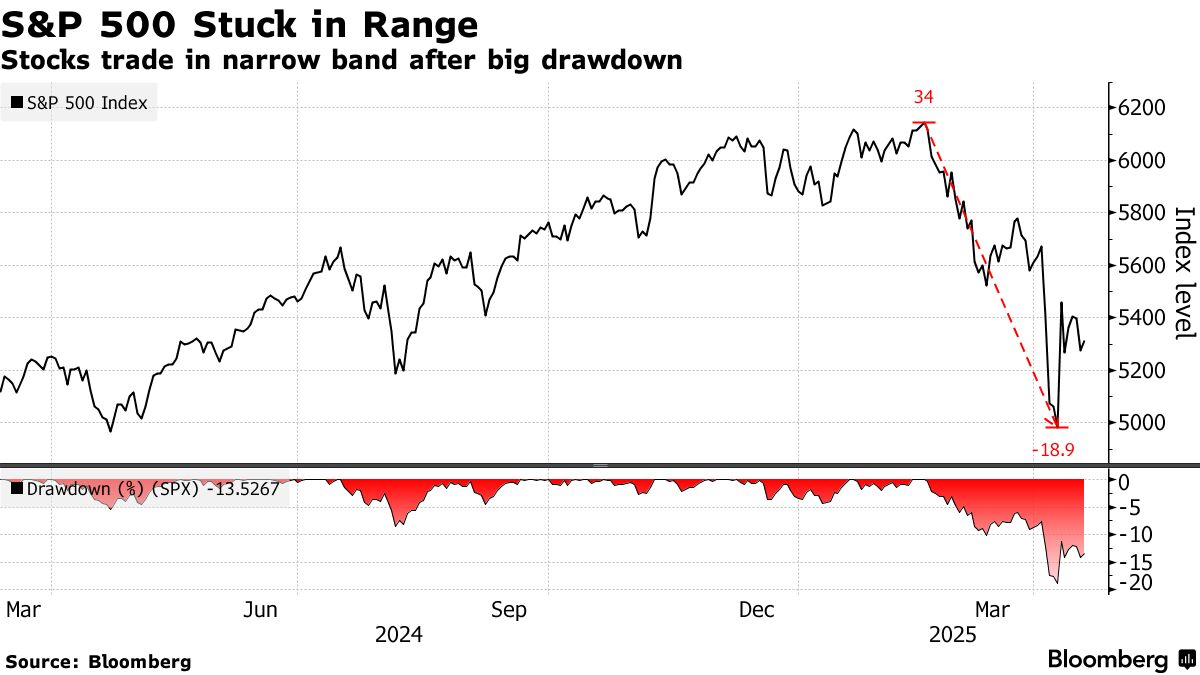
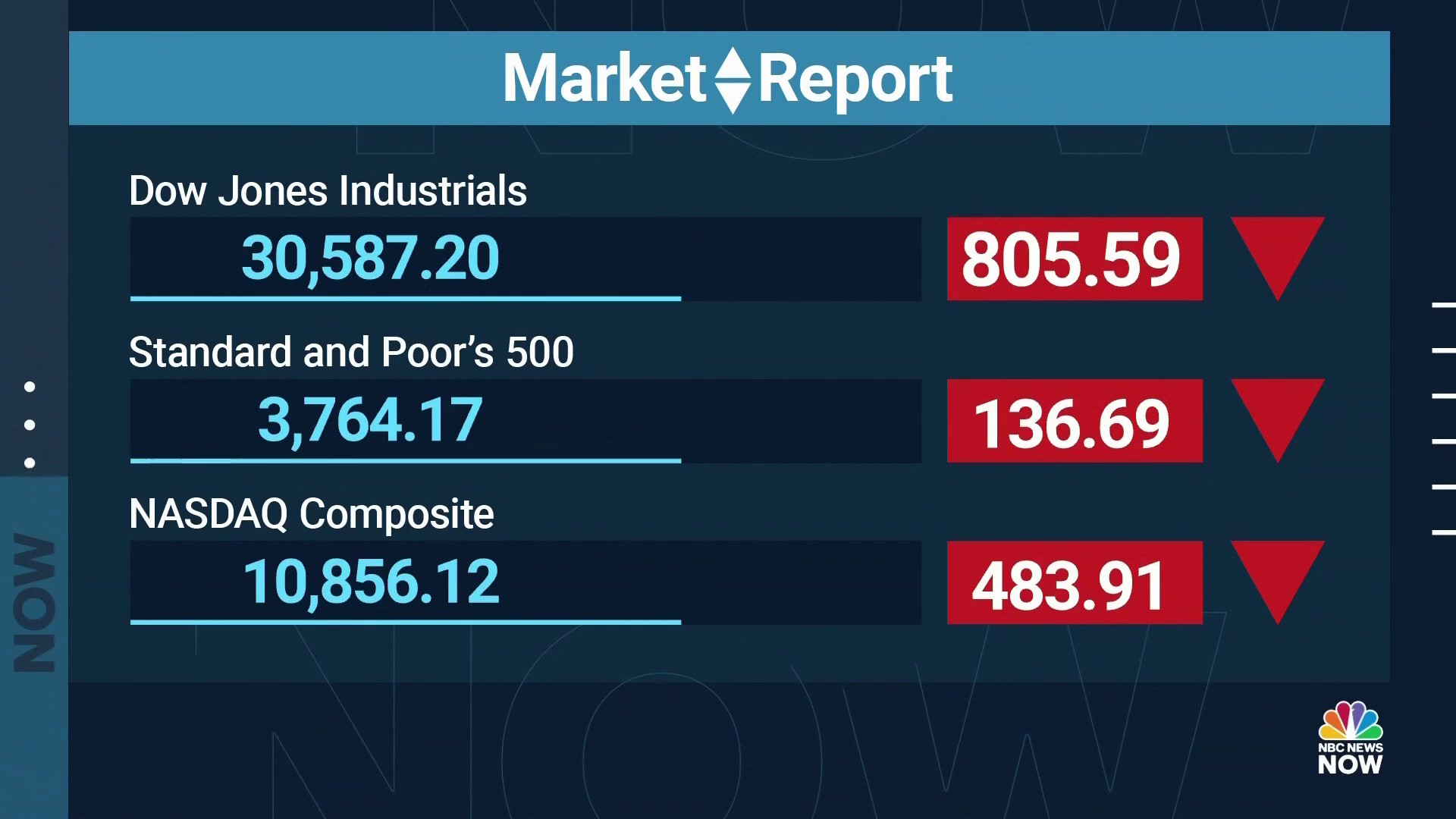
Major indices serve as vital barometers for the overall market health, each offering a distinct perspective. The S&P 500, widely regarded as the best gauge of large-cap U.S. equities, often reflects broad market sentiment. Its performance is a composite of the earnings and growth prospects of 500 leading companies across various sectors. The Dow Jones Industrial Average, comprising 30 significant U.S. companies, tends to represent established industrial strength and economic stability, though its smaller size makes it less comprehensive than the S&P 500. Meanwhile, the Nasdaq Composite, heavily weighted towards technology and growth stocks, often showcases the performance of innovation-driven sectors. Recent movements in these indices have been volatile, oscillating between periods of robust gains driven by strong corporate earnings and AI enthusiasm, and pullbacks triggered by inflation concerns or geopolitical uncertainties. Investors are closely monitoring these benchmarks for signs of sustained upward momentum or potential downturns, using them to gauge sector rotation and overall market direction.
Influential Economic Indicators
The market’s trajectory is inextricably linked to a host of macroeconomic indicators that provide critical insights into the health of the economy. Inflation rates remain a primary concern, as persistent price pressures can erode corporate profits and consumer purchasing power, prompting central banks to maintain restrictive monetary policies. Closely related are interest rates, with central bank decisions having a profound impact on borrowing costs for businesses and consumers, ultimately influencing investment, spending, and equity valuations. Higher rates can make bonds more attractive relative to stocks and increase the cost of capital for companies. Gross Domestic Product (GDP) growth figures offer a broad measure of economic activity; strong growth typically supports corporate earnings and investor confidence, while stagnation or contraction can signal impending challenges. Finally, unemployment data provides insight into labor market strength, which affects consumer spending and overall economic demand. A tight labor market often signals robust economic conditions but can also contribute to wage inflation, creating a complex scenario for policymakers and investors alike.
Sectoral Shifts and Opportunities
Beneath the surface of broad market indices, significant sectoral shifts are continuously occurring, presenting both risks and opportunities. In recent periods, sectors like technology have experienced a resurgence, particularly companies heavily involved in artificial intelligence, cloud computing, and advanced software, driven by strong innovation and perceived future growth. Conversely, traditional cyclical sectors, such as industrials or materials, might see performance tied more directly to global economic expansion and commodity prices. Healthcare often exhibits defensive characteristics, providing stability during uncertain times due to consistent demand for its services and products. Energy sector performance, meanwhile, remains highly sensitive to global oil and gas prices and geopolitical stability. Identifying these shifts—understanding which sectors are leading, lagging, or poised for a turnaround—is crucial for investors seeking to optimize their portfolios. These rotations reflect changing economic realities, consumer preferences, and technological advancements, requiring investors to maintain a nuanced view of the market’s composition.
Macroeconomic Forces Shaping Investor Sentiment
Beyond the immediate performance of indices and sectors, broader macroeconomic forces exert immense influence, often dictating the overall sentiment that drives market trends and investor behavior. These overarching factors can create sustained periods of growth or contraction, fundamentally altering the investment landscape.
The Fed’s Monetary Policy and Its Ripple Effects
The actions of the Federal Reserve (the “Fed”) and other global central banks are arguably the most potent macroeconomic force influencing the stock market. Their monetary policy decisions, primarily concerning interest rates and the money supply, cascade through the economy with profound implications for asset valuations. When the Fed raises its benchmark interest rate, borrowing becomes more expensive for businesses and consumers, which can slow economic growth, temper inflation, and potentially reduce corporate earnings. This often makes fixed-income investments, like bonds, more attractive relative to equities. Conversely, interest rate cuts aim to stimulate economic activity by making borrowing cheaper, encouraging investment and spending, which can boost stock prices. Furthermore, quantitative easing (QE), where central banks purchase government bonds and other securities to inject liquidity into the financial system, and quantitative tightening (QT), the reverse process, directly impact market liquidity and investor appetite for risk. These policies are carefully monitored by investors, as they can determine the cost of capital, future corporate profitability, and the overall economic growth trajectory.
Geopolitical Dynamics and Global Interconnectedness
The world’s interconnectedness means that geopolitical events, far from being isolated incidents, can have immediate and far-reaching effects on stock markets globally. Wars, trade policies, and diplomatic relations between major powers can disrupt supply chains, alter commodity prices, and create economic uncertainty, directly impacting corporate revenues and profitability. For example, conflicts in resource-rich regions can send shockwaves through energy markets, increasing costs for businesses and consumers worldwide. Similarly, shifts in trade tariffs or international agreements can favor certain industries while penalizing others, necessitating adjustments in investment strategies. The stability of international relations and the predictability of global economic cooperation play a significant role in fostering investor confidence. Uncertainty stemming from geopolitical tensions can lead to risk aversion, capital flight, and increased volatility, making it essential for investors to consider the broader global context when assessing market prospects.
Inflationary Pressures and Consumer Spending
The ongoing battle with inflationary pressures remains a central theme in economic discussions and a significant determinant of market sentiment. High and persistent inflation erodes the purchasing power of consumers, which can lead to reduced demand for goods and services, ultimately impacting corporate sales and profits. Companies also face increased costs for raw materials, labor, and transportation, which can squeeze profit margins if they cannot fully pass these costs on to consumers. Central banks often respond to high inflation with interest rate hikes, creating a challenging environment for growth stocks that rely on future earnings potential, as higher discount rates reduce their present value. Conversely, declining inflation can signal a more stable economic environment, potentially leading to lower interest rates and a boost to consumer confidence and spending. Understanding the drivers of inflation—whether demand-pull or cost-push—and its trajectory is critical for investors, as it directly influences the real returns on investments and the outlook for corporate earnings.
Investor Strategies Amidst Uncertainty
In a market defined by rapid shifts and persistent uncertainty, a well-defined and disciplined investment strategy is paramount. Rather than reacting impulsively to daily headlines, investors benefit from a long-term perspective coupled with adaptable tactics to safeguard and grow their capital.
The Imperative of Diversification
Diversification stands as a cornerstone of prudent investing, particularly in volatile markets. It involves spreading investments across various asset classes (e.g., equities, bonds, real estate, commodities), different industries or sectors, and even distinct geographical regions. The core principle is that not all investments will perform identically at the same time; when one segment of a portfolio is underperforming, another might be thriving, helping to mitigate overall risk. For instance, a diversified equity portfolio might include a mix of growth stocks and value stocks, large-cap and small-cap companies, and exposure to both domestic and international markets. Diversification helps to smooth out returns over time, reducing the impact of any single poor-performing asset or economic shock. While it does not guarantee profits or protect against losses, it is a critical tool for managing risk and achieving more consistent long-term returns.
Valuing Long-Term Growth Over Short-Term Noise
Amidst the daily fluctuations and market “noise,” maintaining a long-term perspective is crucial for success. Short-term market movements are often driven by sentiment, speculation, or temporary events that bear little relation to the fundamental value or long-term prospects of a company. Investors focused on long-term growth aim to identify high-quality companies with strong fundamentals, sustainable competitive advantages, and robust growth potential, regardless of transient market conditions. Strategies like dollar-cost averaging, where a fixed amount of money is invested at regular intervals, can be particularly effective. This approach smooths out the purchase price over time, as more shares are bought when prices are low and fewer when prices are high, reducing the risk of making a large investment at an unfavorable peak. By tuning out short-term volatility and focusing on compounding returns over years or decades, investors can build substantial wealth, leveraging the power of time and consistent investment.
Income Generation and Dividend Investing
In periods of market uncertainty or lower growth, strategies focused on income generation can provide a valuable source of returns and portfolio stability. Dividend investing, in particular, involves selecting stocks of companies that regularly distribute a portion of their earnings to shareholders. These companies are often mature, financially stable entities with predictable cash flows, making their dividends a reliable income stream even when stock prices are flat or declining. Dividends can serve as a cushion against market downturns, and reinvesting them can accelerate wealth accumulation through compounding. Beyond equities, other income-generating assets include bonds, real estate investment trusts (REITs), and certain exchange-traded funds (ETFs) that focus on high-dividend yields or other income streams. Such strategies appeal to investors seeking consistent cash flow, either to supplement their income or to reinvest for future growth, thereby enhancing portfolio resilience.
Rebalancing and Risk Management
Effective risk management is an ongoing process that involves more than just initial asset allocation; it requires periodic portfolio review and rebalancing. Over time, different assets in a portfolio will perform differently, causing the original allocation to drift. For example, if equities have outperformed, their proportion in the portfolio might grow larger than originally intended, increasing overall risk exposure. Rebalancing involves adjusting the portfolio back to its target asset allocation by selling some of the outperforming assets and buying more of the underperforming ones. This disciplined approach ensures that the portfolio’s risk level remains consistent with the investor’s tolerance and financial goals. Furthermore, understanding one’s personal risk tolerance is fundamental. Investors should regularly assess how much risk they are comfortable taking, considering their age, financial situation, and investment objectives, and adjust their portfolio accordingly to avoid making rash decisions during market extremes.
Emerging Trends and Future Outlook
The investment landscape is in perpetual evolution, shaped by technological breakthroughs, shifting societal priorities, and the lessons learned from past economic cycles. Looking ahead, several key trends are likely to redefine investment opportunities and strategies.
The Role of Technology in Market Transformation
While not an investment category itself, technology continues to be a pervasive force transforming virtually every aspect of the economy and, by extension, the financial markets. Innovations in Artificial Intelligence (AI), machine learning, and automation are not only creating new industries and market leaders but also revolutionizing existing business models across sectors like manufacturing, healthcare, and finance. Companies leveraging AI effectively are often seeing enhanced productivity, cost efficiencies, and new revenue streams, making them attractive investment prospects. Similarly, advancements in fintech (financial technology) are democratizing access to financial services, streamlining transactions, and introducing new investment platforms and tools. Investors need to understand how these technological shifts are altering competitive landscapes, identifying companies that are innovators and adopters versus those at risk of disruption. The ongoing digital transformation remains a powerful driver of long-term growth and a crucial factor in assessing future market performance.
Sustainable Investing (ESG) Momentum
Sustainable investing, encompassing Environmental, Social, and Governance (ESG) factors, has transcended niche status to become a mainstream consideration for a growing number of investors. This approach integrates ethical and sustainability considerations alongside traditional financial analysis, seeking to invest in companies that demonstrate strong performance in areas like climate change mitigation, fair labor practices, and transparent corporate governance. The momentum behind ESG investing is driven by several factors: increasing awareness of global challenges, growing demand from younger generations of investors, and a recognition that strong ESG performance can correlate with better financial outcomes and reduced long-term risks. Companies with robust ESG practices are often seen as more resilient, innovative, and better positioned for future regulatory changes and consumer preferences. As a result, the integration of ESG criteria is influencing capital allocation decisions, fund flows, and corporate behavior, representing a significant long-term trend in the financial markets.
Navigating Market Cycles and Economic Forecasts
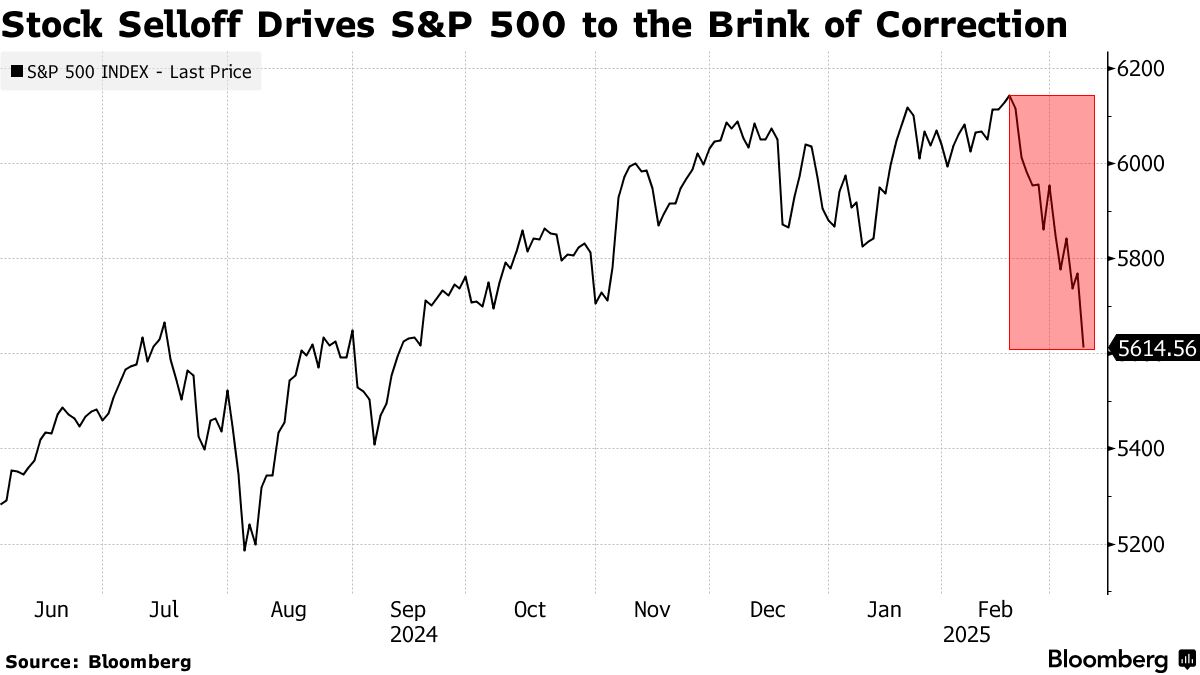
The stock market has historically moved in cycles, characterized by periods of expansion, peak, contraction, and trough. Understanding these market cycles is fundamental to developing a robust long-term investment strategy. While no one can perfectly time the market, recognizing the general phase of a cycle can help investors adjust their exposure to risk and allocate capital more effectively. For instance, during early expansion, cyclical stocks might perform well, while defensive stocks may be favored during contractions. Investors frequently refer to economic forecasts from various institutions and experts, which provide projections on GDP growth, inflation, interest rates, and corporate earnings. While these forecasts are inherently uncertain, they offer valuable perspectives on potential future scenarios and help investors anticipate changes in the economic environment. By combining historical market cycle knowledge with forward-looking economic analyses, investors can make more informed decisions, preparing their portfolios for potential shifts and positioning themselves for sustained growth over the long run.
aViewFromTheCave is a participant in the Amazon Services LLC Associates Program, an affiliate advertising program designed to provide a means for sites to earn advertising fees by advertising and linking to Amazon.com. Amazon, the Amazon logo, AmazonSupply, and the AmazonSupply logo are trademarks of Amazon.com, Inc. or its affiliates. As an Amazon Associate we earn affiliate commissions from qualifying purchases.