
For anyone navigating the complex world of finance, from seasoned day traders to emerging long-term investors, understanding the operational rhythm of the New York Stock Exchange (NYSE) is fundamental. The precise closing time of the NYSE isn’t just a trivial detail; it’s a critical piece of information that dictates trading strategies, risk management, and the overall flow of capital within the world’s largest economy. Today, and on most standard trading days, the New York Stock Exchange officially closes at 4:00 PM Eastern Time (ET). This end-of-day bell signifies the cessation of regular trading for the majority of listed securities, marking a daily pause in the relentless dance of bids and offers.
Understanding NYSE Trading Hours
The fixed schedule of the NYSE is a cornerstone of its operational integrity, providing a structured environment for market participants. Grasping these hours is paramount for anyone involved in financial markets.
Standard Operating Hours
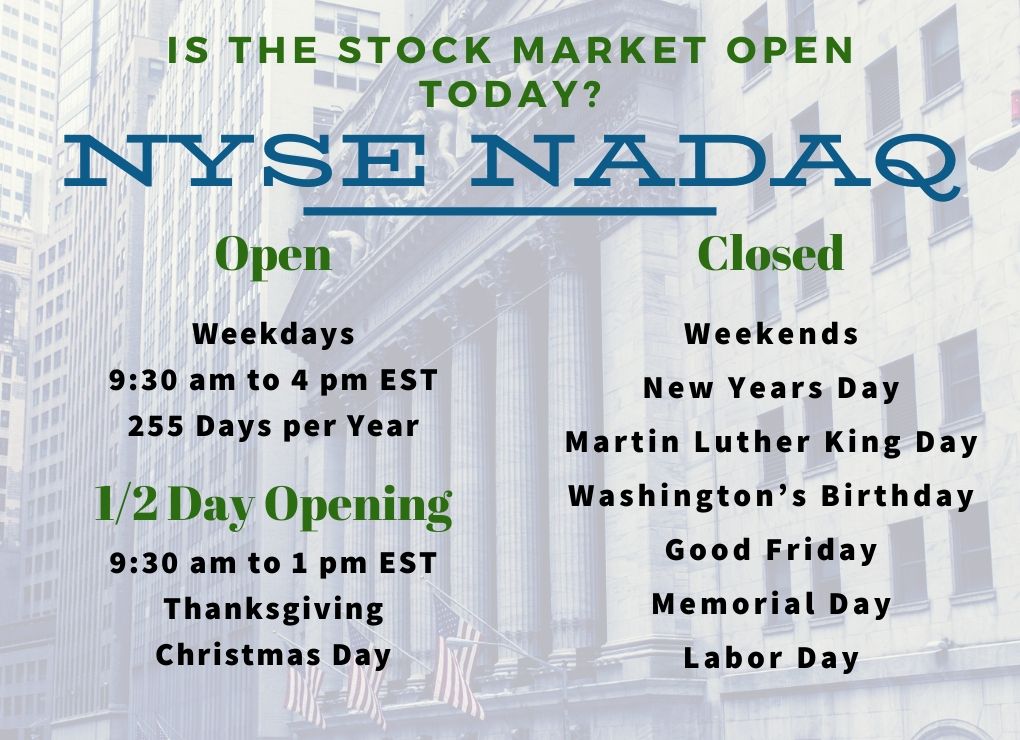
The NYSE operates on a consistent schedule for its regular trading sessions. The market opens precisely at 9:30 AM ET and closes at 4:00 PM ET, Monday through Friday. This seven-and-a-half-hour window is when the vast majority of trading activity, price discovery, and order matching occurs. For active investors and traders, these hours define their operational day, influencing decision-making, trade execution, and profit-taking or loss-mitigation strategies. The opening and closing bells are significant events, often accompanied by heightened volatility as pending orders from overnight or during market closures are processed, and traders react to new information. Understanding this standard framework is the absolute first step in engaging with the stock market.
Time Zones and Their Impact
While the NYSE’s hours are fixed in Eastern Time, its influence is global. Investors and financial institutions across the world must convert their local time to ET to accurately track the market. For instance, an investor in London needs to remember the five-hour difference, meaning the NYSE opens at 2:30 PM GMT and closes at 9:00 PM GMT. For those in Tokyo, the time difference is 13 hours, making the NYSE opening at 10:30 PM JST and closing at 5:00 AM JST the following day. This time zone disparity underscores the continuous nature of global financial markets, where one major exchange’s closing can coincide with another’s opening, creating a ripple effect in capital flows and market sentiment worldwide. Accurate time zone conversion is not just a convenience; it’s a necessity for real-time market participation and informed decision-making.
Extended Hours Trading
The 9:30 AM to 4:00 PM ET window represents “regular” trading hours, but the market’s activity doesn’t always strictly adhere to these boundaries. Extended-hours trading includes both “pre-market” and “after-hours” sessions. Pre-market trading typically runs from 4:00 AM to 9:30 AM ET, while after-hours trading extends from 4:00 PM to 8:00 PM ET. These sessions allow institutional investors and, increasingly, retail investors to react to news events that occur outside regular hours, such as earnings reports released post-market close or geopolitical developments overnight. However, it’s crucial to understand that extended-hours trading often features lower liquidity and wider bid-ask spreads compared to regular hours. This can lead to increased price volatility and a higher risk of not having orders filled at desired prices. While providing flexibility, extended hours require a keen understanding of their unique dynamics and associated risks.
The Rationale Behind Fixed Market Hours
In an increasingly 24/7 global economy, the notion of a financial market closing for the day might seem anachronistic. However, the fixed hours of the NYSE are not arbitrary; they are deeply rooted in practical and strategic considerations designed to maintain market integrity, efficiency, and stability.
Ensuring Order and Liquidity
One primary reason for defined market hours is to concentrate trading activity. By channeling all participants into a specific timeframe, the NYSE ensures a high volume of buyers and sellers are present simultaneously. This concentration leads to deeper liquidity, meaning there are always ample orders available to buy or sell, facilitating smoother transactions and tighter bid-ask spreads. High liquidity is essential for efficient price discovery, ensuring that the market price of a security accurately reflects its true value based on prevailing supply and demand. Without fixed hours, trading activity could be dispersed and fragmented, leading to thinner markets, higher volatility, and potentially less accurate pricing, all of which would detract from investor confidence and market functionality.
Managing Volatility and Risk
The daily closure of the market provides a critical “cool-down” period. During this time, participants can process news and events that occurred after the close, analyze market movements, and formulate strategies for the next trading day without immediate pressure to react. This pause helps to absorb major shocks and reduce extreme volatility that might otherwise cascade uncontrollably in a continuous trading environment. It allows market makers and specialists to reassess their positions, manage their inventory, and prepare for the next session. From a risk management perspective, the daily reset allows firms and individual investors to review their portfolios, adjust stop-losses, and develop hedging strategies away from the heat of live trading, contributing to overall market stability.
Operational Efficiency
Beyond market dynamics, the fixed hours are also crucial for the logistical and operational backbone of the financial system. Clearing and settlement processes, which ensure that trades are properly recorded and that money and securities are transferred between parties, are incredibly complex and resource-intensive. These processes often require several hours to complete accurately and efficiently. Similarly, brokerages, exchanges, and regulatory bodies utilize the closed hours for system maintenance, software updates, data analysis, and the resolution of any discrepancies. These back-end operations are vital for the integrity and reliability of the trading infrastructure. A 24/7 market would present immense challenges for these critical support functions, potentially compromising the accuracy and security of financial transactions.
Navigating Special Trading Days and Holidays
While the 9:30 AM to 4:00 PM ET schedule is the norm, it’s not absolute. The NYSE observes a number of holidays and occasionally implements early closures, which significantly impact trading schedules and demand careful attention from investors.
NYSE Holiday Schedule
The NYSE follows the U.S. federal holiday calendar, meaning it closes for all U.S. banking holidays. Common holidays where the market is completely closed include:
- New Year’s Day (January 1)
- Martin Luther King, Jr. Day (third Monday in January)
- Presidents’ Day (third Monday in February)
- Good Friday (Friday before Easter)
- Memorial Day (last Monday in May)
- Juneteenth National Independence Day (June 19)
- Independence Day (July 4)
- Labor Day (first Monday in September)
- Thanksgiving Day (fourth Thursday in November)
- Christmas Day (December 25)
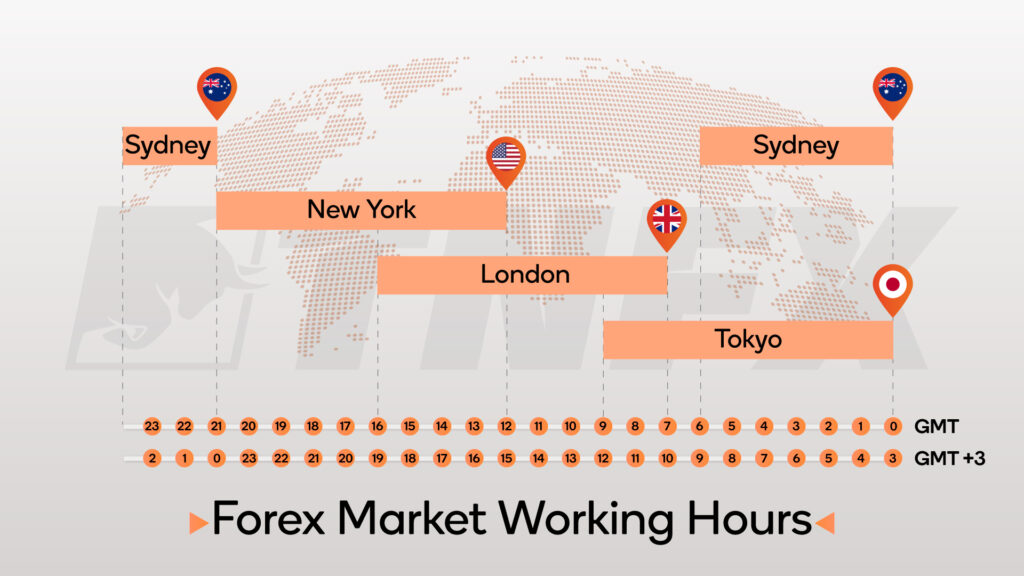
It is imperative for investors to consult the official NYSE calendar annually, as holidays that fall on a weekend may result in the market closing on the preceding Friday or following Monday. Missing these closures can lead to delayed trade executions, unexpected holding periods, and missed opportunities, particularly for short-term strategies.
Early Closures
In addition to full-day holidays, the NYSE occasionally implements early closures. These typically occur on days preceding or following a major holiday, or on certain specific dates. For example, the market often closes early at 1:00 PM ET on the day before Independence Day (if it falls on a weekday) or the day after Thanksgiving. Christmas Eve is another common early close, also at 1:00 PM ET. These truncated trading sessions reduce the effective trading window and can lead to lower liquidity in the afternoon, potentially causing increased volatility for those still active in the market. Traders must be acutely aware of these early closures to manage their positions and execute strategies appropriately, as a 1:00 PM ET close drastically alters the dynamics of the trading day.
Impact on Investment Strategies
These non-standard trading days have significant implications for various investment strategies. For day traders and those involved in options or futures, an early close or holiday means a complete cessation of trading activity. Options expiry dates often fall on a Friday, and if that Friday is an early close, the window for managing positions is significantly shortened, increasing risk if not properly anticipated. For long-term investors, while daily market closures might seem less impactful, holidays and early closures can delay portfolio rebalancing, dividend payments, or the settlement of trades. Additionally, major news or economic data released during a holiday closure can create significant gaps or jumps in stock prices when the market reopens, leading to unexpected gains or losses that savvy investors try to anticipate and manage.
Strategic Implications for Investors
The fixed closing time of the NYSE, along with its specific holiday schedule, holds significant strategic implications for all types of investors. Understanding these nuances can be the difference between well-executed financial decisions and unexpected market surprises.
Day Traders and Short-Term Investors
For day traders, whose strategies revolve around intraday price movements, the 4:00 PM ET closing bell is a hard deadline. All positions must typically be closed out or carefully managed before this time to avoid overnight risks. Any news or events occurring after the close can lead to significant “gaps” in price when the market reopens the next morning, potentially erasing profits or exacerbating losses. Short-term investors also use the closing time to assess daily performance, adjust stop-loss orders, and plan their entry/exit points for the following day. The precision of timing is paramount, and any deviation from the standard schedule, such as an early close, requires immediate strategic recalibration.
Long-Term Investors and Diversification
While long-term investors may not be as concerned with minute-to-minute price fluctuations, the market’s closing hours still influence their strategy. Major company earnings reports are often released after market close, giving investors time to digest the information before making decisions the next day. Furthermore, understanding the NYSE’s schedule allows long-term investors to monitor their portfolios effectively, plan for dividend reinvestment, or schedule larger capital allocations or withdrawals. For diversified portfolios that include international assets, the NYSE’s closing time offers a window to observe how other global markets might react to U.S. market movements during the overnight period, informing broader asset allocation decisions.
Global Market Perspective
The NYSE’s closing doesn’t mean the global financial world stops. As the NYSE winds down, markets in Asia are typically opening, and European markets might be in their afternoon sessions. This creates a continuous, albeit sequential, global trading cycle. Financial professionals and sophisticated investors leverage this staggered schedule to gain insights. For example, a strong close on the NYSE might lead to a positive opening in Asian markets, influencing sentiment as the trading day progresses westward. Understanding this interconnectedness allows for a more comprehensive risk assessment and can inform investment decisions across different geographies, highlighting the profound influence of the NYSE’s daily rhythm on global capital flows.
Leveraging Financial Tools
Modern financial tools and platforms play a crucial role in helping investors navigate market hours. Real-time market data services, brokerage apps, and financial news aggregators provide constant updates on market status, upcoming earnings, and any scheduled early closures or holidays. These tools allow investors to set alerts, track specific securities even after the market closes (via extended-hours quotes), and manage their portfolios proactively. For instance, an investor can use their brokerage platform to set “good-till-canceled” (GTC) orders that will execute at the market open on the next trading day, ensuring their instructions are queued even if they are not actively monitoring the market at 9:30 AM ET.
The Future of Market Hours
The traditional 9:30 AM to 4:00 PM ET schedule has served the NYSE for decades, but the digital age and the rise of global, interconnected markets are continually prompting discussions about its future.
Debates on 24/7 Trading
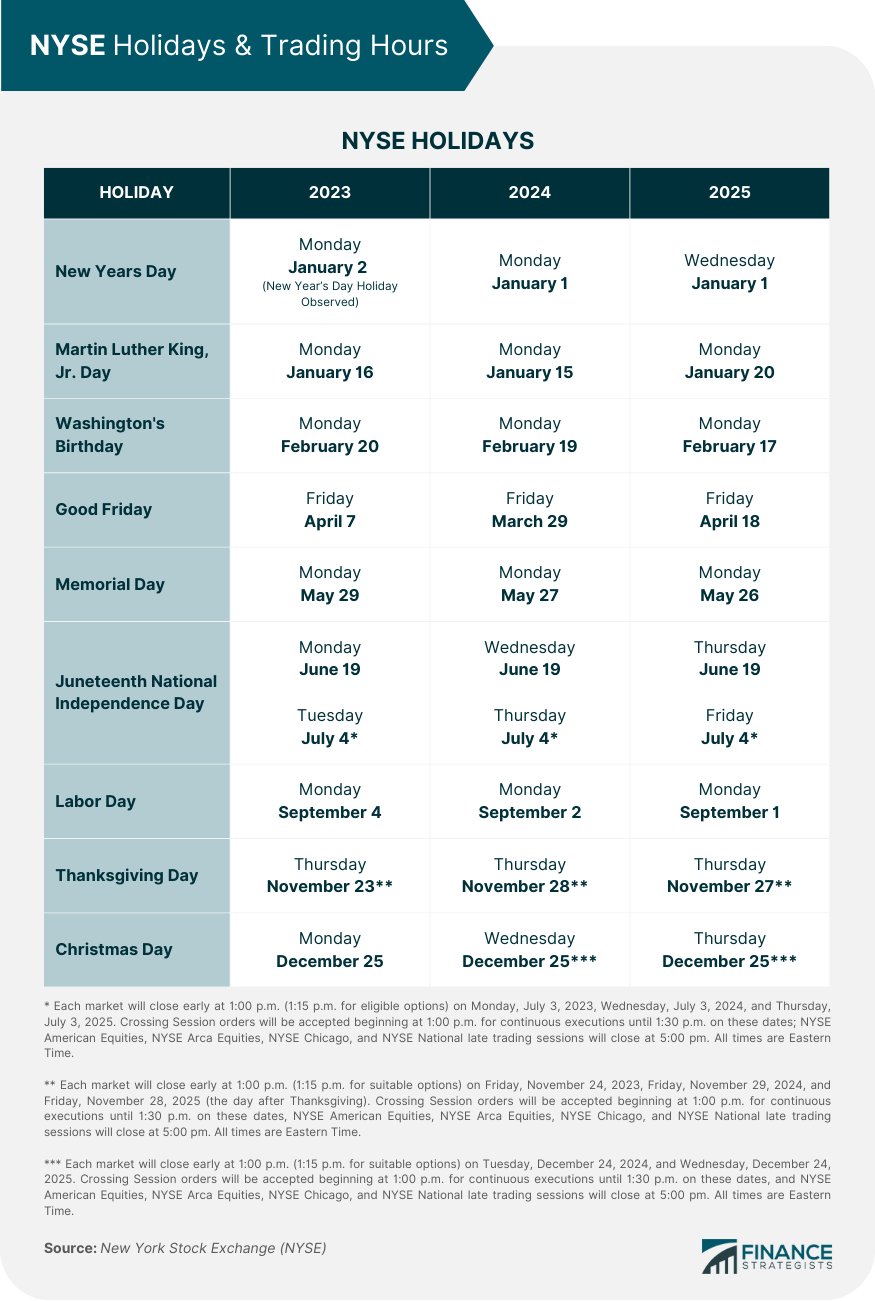
The idea of a 24/7 stock market, mirroring the continuous operation of cryptocurrency exchanges or some foreign exchange markets, is a recurring debate. Proponents argue that non-stop trading would align with the always-on nature of the global economy, allow investors immediate reaction to news, and potentially offer greater liquidity. It could also level the playing field between institutional traders, who often have access to sophisticated extended-hours trading systems, and retail investors. However, critics raise concerns about the human factor – the toll on traders and market professionals, the increased potential for fatigue-driven errors, and the impact on their personal lives. There are also significant technical challenges in maintaining system stability and security without scheduled downtime.
Technological Advances
Advances in technology are a key driver in these discussions. High-frequency trading, automated algorithms, and cloud-based infrastructure make the technical feasibility of continuous trading more plausible than ever before. Real-time data processing, secure transaction validation, and robust cybersecurity systems are all critical components that would need to operate flawlessly around the clock. The current trading technology is incredibly advanced, but scaling it to handle 24/7 operations without compromising integrity or efficiency presents a monumental engineering challenge that would require significant investment and meticulous planning.
The Human Factor
Despite technological advancements, the human element remains a significant consideration. Market professionals, analysts, and support staff require breaks for rest, strategy development, and personal well-being. A 24/7 market could lead to increased stress, burnout, and a potential decline in decision-making quality. Furthermore, the “cool-down” period offered by daily closures allows for collective reflection and considered reactions to major events, which might be lost in a continuous environment. While the financial world continuously evolves, the balance between efficiency, access, and human sustainability remains a complex equation in shaping the future of market hours.
aViewFromTheCave is a participant in the Amazon Services LLC Associates Program, an affiliate advertising program designed to provide a means for sites to earn advertising fees by advertising and linking to Amazon.com. Amazon, the Amazon logo, AmazonSupply, and the AmazonSupply logo are trademarks of Amazon.com, Inc. or its affiliates. As an Amazon Associate we earn affiliate commissions from qualifying purchases.