
The pulse of the global economy often beats to the rhythm of interest rates. These seemingly simple percentages dictate the cost of borrowing and the reward for saving, fundamentally shaping decisions for individuals, businesses, and governments alike. Understanding “what are current interest rates” is not merely about knowing a number; it’s about comprehending a dynamic force that influences everything from your mortgage payment to the profitability of multinational corporations. In an ever-evolving financial landscape, staying informed about these rates is crucial for sound financial planning and strategic decision-making.
This article will delve into the current state of interest rates, exploring their underlying mechanisms, their profound impact across various sectors, and how you can navigate this critical aspect of the financial world.
Understanding the Fundamentals of Interest Rates
Before we dissect the current landscape, it’s essential to grasp the core concepts behind interest rates. They are more than just a figure; they represent the cost of money and the return on capital, playing a pivotal role in economic health.
Defining Interest Rates: A Cost of Borrowing
At its most basic level, an interest rate is the percentage charged by a lender to a borrower for the use of assets, typically money. This charge is usually expressed as an annual percentage of the principal amount. For the borrower, it’s the cost of obtaining funds; for the lender, it’s the compensation for lending money and assuming the risk of non-payment, as well as the opportunity cost of not using those funds elsewhere. Interest rates are influenced by supply and demand for money, inflation expectations, and the overall economic outlook. When you take out a loan, the interest rate determines your monthly payments and the total amount you’ll repay over the loan’s life. Conversely, when you deposit money in a savings account, the interest rate determines how much your savings will grow over time.
Key Players: Central Banks and Financial Institutions
The primary architects of interest rate policy are central banks. Institutions like the Federal Reserve in the United States, the European Central Bank (ECB), the Bank of England (BoE), and the Bank of Japan (BoJ) set benchmark interest rates, often referred to as policy rates or target rates. These policy rates serve as the foundation upon which commercial banks and other financial institutions base their own lending and deposit rates.
Central banks wield this power to manage economic stability, primarily targeting inflation and employment levels. When a central bank raises its policy rate, it generally makes borrowing more expensive, which can slow down economic activity and curb inflation. Conversely, lowering rates can stimulate borrowing, spending, and investment, thereby boosting economic growth. Commercial banks, credit unions, and other lenders then adjust their rates for mortgages, car loans, personal loans, and savings products in response to these central bank actions and their own market conditions.
The Impact on Savers and Borrowers
Interest rates create a fundamental dichotomy in the financial world: they benefit savers at certain times and borrowers at others. When interest rates are high, savers earn more on their deposits, making saving more attractive. Fixed-income investments like bonds also offer higher yields. However, high rates make borrowing more expensive, deterring individuals from taking out loans for homes or cars, and discouraging businesses from investing in expansion.
Conversely, when interest rates are low, borrowers benefit from cheaper loans, which can stimulate consumer spending and business investment. This environment is less favorable for savers, as returns on traditional savings accounts and fixed-income assets dwindle. Understanding this push-pull dynamic is crucial for individuals and businesses to make informed financial decisions based on the prevailing rate environment.
Navigating the Current Global Interest Rate Landscape
The global interest rate environment is a complex tapestry woven from diverse economic conditions, policy objectives, and geopolitical factors. While specific rates vary by country and region, overarching trends often reflect broader global economic shifts.
Central Bank Policies: Federal Reserve, ECB, BoE, etc.
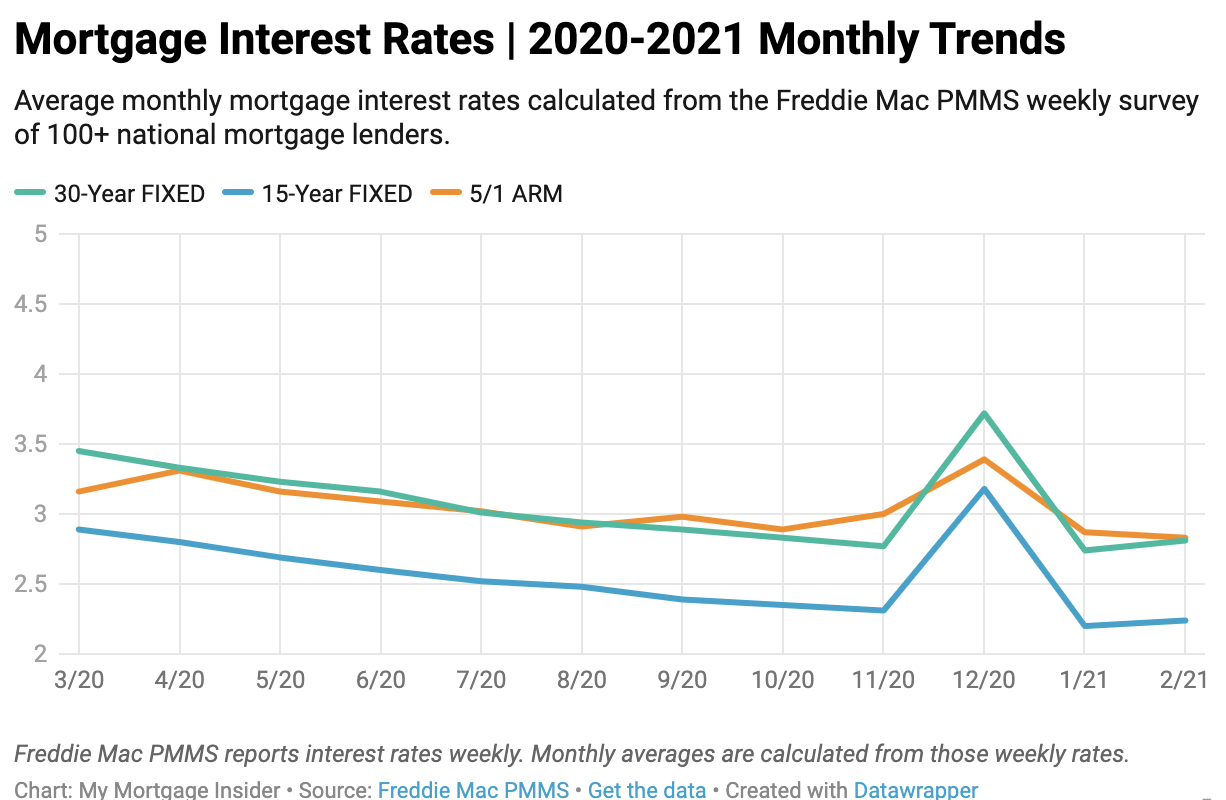
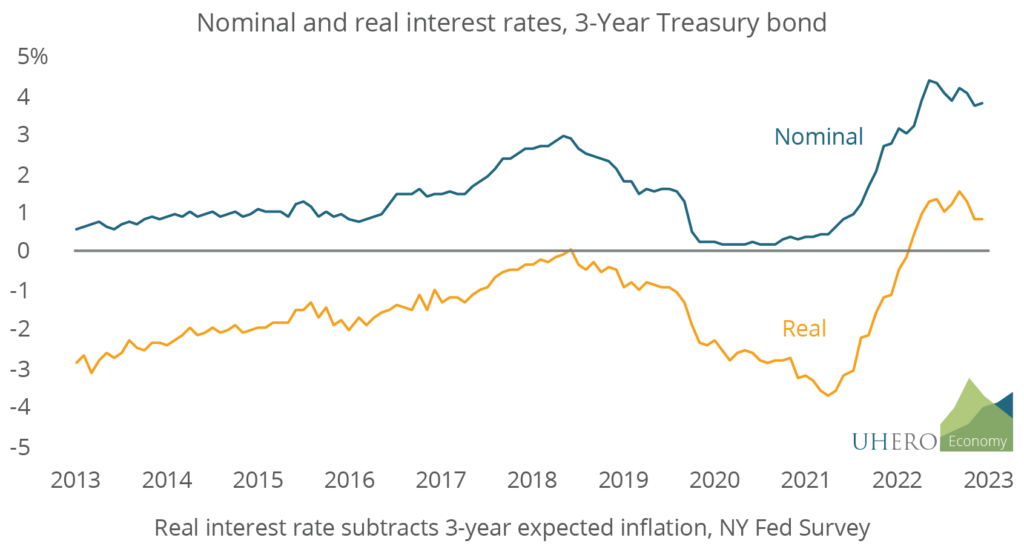
In recent years, many major central banks have embarked on aggressive monetary policy cycles. Following a period of historically low rates designed to stimulate economies post-financial crisis and during the COVID-19 pandemic, a surge in inflation prompted a coordinated pivot towards tightening. The Federal Reserve, for instance, undertook a series of significant rate hikes to combat persistent inflation, moving its benchmark federal funds rate from near zero to a multi-decade high. Similarly, the European Central Bank and the Bank of England have implemented their own tightening cycles, albeit with nuances reflecting their respective economic challenges and inflation trajectories. The Bank of Japan, however, stood out for maintaining an ultra-loose monetary policy for an extended period, only recently making minor adjustments, underscoring the divergent paths some economies take. Understanding the specific stance of each major central bank is paramount, as their actions ripple through global financial markets.
Global Economic Factors Influencing Rates
Several interconnected global factors heavily influence interest rate decisions. Inflation, perhaps the most critical driver, dictates the urgency and extent of central bank intervention. Supply chain disruptions, energy price volatility, and robust consumer demand have all contributed to inflationary pressures globally, compelling central banks to act. Economic growth data, including GDP figures and employment statistics, also play a significant role. Strong growth might allow central banks more leeway to raise rates without fear of recession, while signs of slowdown could prompt a more cautious approach. Geopolitical events, such as conflicts or trade disputes, can introduce uncertainty, impacting investor sentiment and potentially influencing rate decisions. Furthermore, global capital flows and currency exchange rates can also exert pressure, as countries seek to maintain competitiveness and attract investment.
Regional Variations and Their Implications
While global trends exist, significant regional variations in interest rates persist due to localized economic conditions and policy priorities. Emerging markets, for example, often have higher interest rates than developed economies to compensate for greater perceived risk and to combat higher inflation rates. Within developed economies, differences in fiscal policy, labor market dynamics, and energy dependence can lead to differing rate paths. These regional variations have practical implications for international trade, investment, and currency strength. A country with significantly higher interest rates might attract foreign capital, strengthening its currency, but could also make its exports more expensive. For individuals or businesses engaged in international transactions or investments, understanding these nuances is critical for risk management and maximizing returns.
How Current Interest Rates Affect Your Personal Finances
The abstract concept of interest rates translates directly into tangible impacts on your everyday financial life. From the biggest purchase you’ll ever make to your daily spending habits, interest rates are a constant, albeit sometimes unseen, financial architect.
Loans and Mortgages: Borrowing Costs
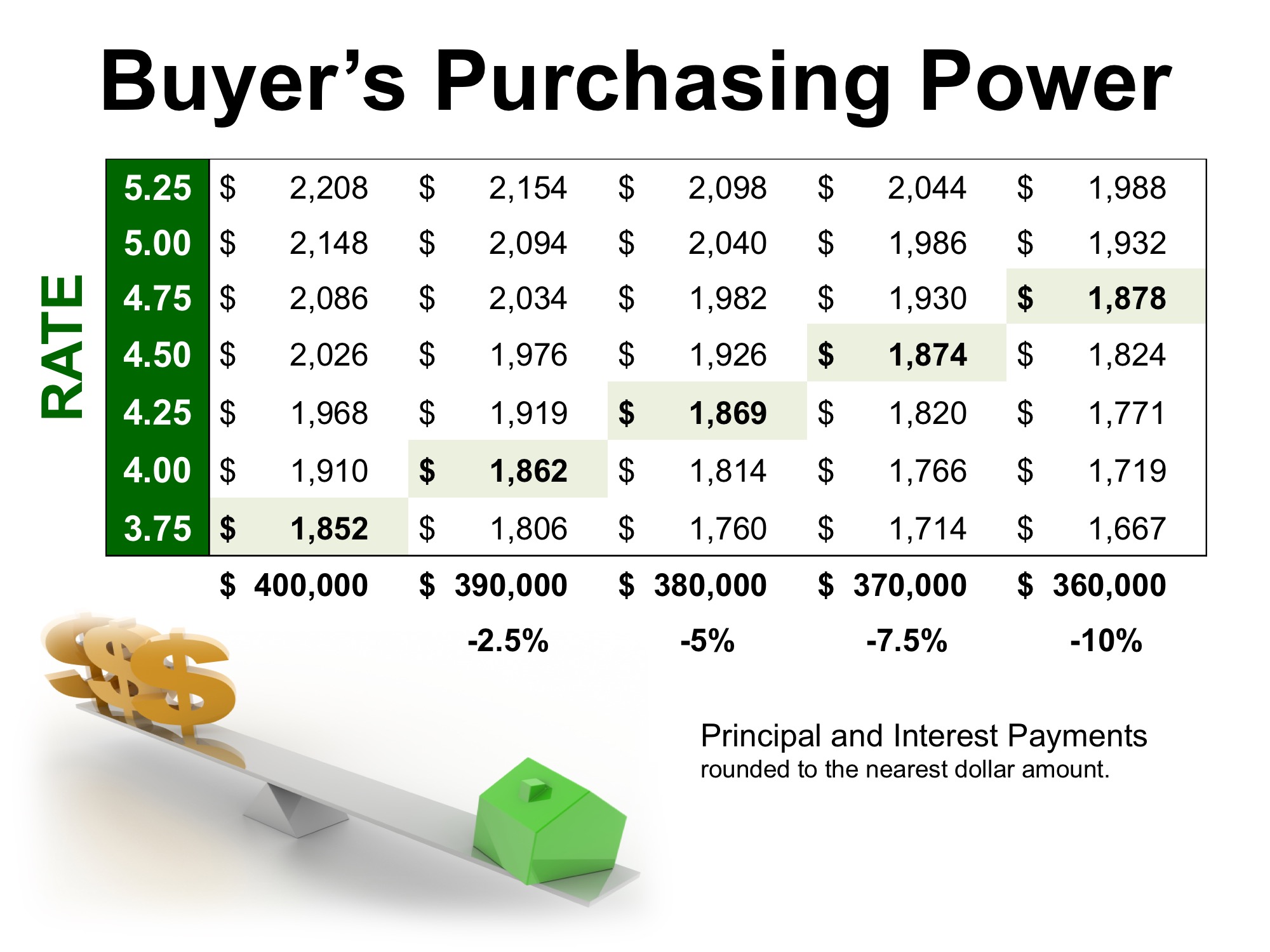
Perhaps the most direct and significant impact of current interest rates is on borrowing costs. For prospective homebuyers, a rise in mortgage rates can dramatically increase monthly payments, reducing affordability and potentially pushing them out of the market. Even a small percentage point increase can add tens of thousands of dollars to the total cost of a home over a 30-year term. For those with adjustable-rate mortgages (ARMs), rising rates can lead to higher monthly payments as their interest rate resets. Similarly, auto loans, personal loans, and student loan rates are influenced by the broader interest rate environment. Higher rates mean higher monthly payments and a greater total cost of borrowing, making it more expensive to finance major purchases or consolidate debt. Conversely, falling rates can create opportunities for refinancing existing loans to secure a lower interest rate and reduce monthly outlays.
Savings and Investments: Returns on Capital
On the flip side, interest rates profoundly affect your savings and investments. In a higher interest rate environment, traditional savings accounts, money market accounts, and Certificates of Deposit (CDs) offer more attractive returns, providing a greater incentive to save. This can be beneficial for individuals building an emergency fund or saving for short-term goals. For investors, higher rates can make fixed-income investments, such as bonds, more appealing due to their increased yields. However, higher rates can also create headwinds for equity markets, as borrowing costs for companies rise, and the present value of future earnings may decline. Understanding this dynamic helps individuals adjust their portfolio allocations, perhaps shifting more towards higher-yielding cash alternatives or short-term bonds when rates are high, or favoring growth assets when rates are low.
Credit Cards and Consumer Debt
The impact of interest rates extends to everyday consumer debt, most notably credit cards. Credit card interest rates are typically variable and directly tied to a benchmark rate, such as the prime rate, which itself is influenced by central bank policy rates. When central banks raise rates, credit card APRs tend to follow suit. For consumers carrying a balance, this means higher interest charges and a longer time to pay off debt if only making minimum payments. Managing credit card debt becomes even more critical in a rising rate environment, making strategies like debt consolidation or accelerating payments more urgent. Understanding your credit card’s APR and how it fluctuates with market rates is essential for maintaining financial health.
Planning for Retirement and Future Goals
Long-term financial planning, including retirement savings, is also intertwined with interest rate movements. For those nearing retirement, higher bond yields can provide a more attractive income stream from fixed-income portfolios. For younger individuals accumulating wealth, the impact is more nuanced. While higher rates might increase the cost of future borrowing (e.g., a mortgage), they can also offer better returns on safe assets within a diversified portfolio. The discount rate used in financial planning models, which is influenced by interest rates, affects the present value of future financial goals. Therefore, adapting your investment strategy and savings rate based on the prevailing interest rate environment is crucial for successfully reaching long-term financial milestones.
Business Finance and the Interest Rate Environment
Beyond personal finances, interest rates exert a powerful influence on the corporate world, shaping investment decisions, operational costs, and overall profitability. Businesses, from small startups to multinational conglomerates, must constantly evaluate and adapt to the prevailing interest rate environment.
Corporate Borrowing and Expansion
For businesses, interest rates are a direct determinant of the cost of capital. Companies frequently borrow money to finance operations, invest in new equipment, expand facilities, develop new products, or acquire other businesses. When interest rates are low, borrowing becomes cheaper, encouraging businesses to take on debt to fund growth initiatives. This can stimulate capital expenditure, foster innovation, and create jobs. Conversely, a high-interest rate environment makes corporate borrowing more expensive, potentially deterring investment and slowing expansion plans. Businesses must weigh the increased cost of debt against the potential returns of their projects, making strategic choices about when and how much to borrow. This impact is particularly pronounced for capital-intensive industries or those reliant on frequent financing rounds.
Small Business Loans and Credit Lines
Small businesses are often more sensitive to interest rate fluctuations than larger corporations. They may have less access to diverse financing options and rely heavily on traditional bank loans, lines of credit, and Small Business Administration (SBA) loans, all of which are directly influenced by market rates. In a low-rate environment, small businesses can access affordable credit to manage cash flow, purchase inventory, or invest in modest expansion projects, which is vital for their survival and growth. When rates rise, the cost of these essential financial tools increases, putting pressure on profit margins and potentially stifling growth. Understanding the current interest rate outlook is therefore critical for small business owners making decisions about working capital, equipment financing, and future investments.
Impact on Investment Decisions and Profitability
Interest rates also affect business profitability indirectly. Higher rates can slow down consumer spending by making personal loans and mortgages more expensive, which in turn can reduce demand for goods and services. This can lead to lower revenues for businesses across various sectors. Furthermore, interest rates are a key component in the discount rate used to value future cash flows in investment appraisals. Higher discount rates reduce the present value of future earnings, making long-term projects appear less attractive and potentially delaying or canceling investments that were viable in a lower-rate environment. Companies must constantly re-evaluate their investment portfolios, capital allocation strategies, and project viability in light of changing interest rate dynamics to maintain profitability and competitiveness.
Strategies for Adapting to Fluctuating Rates
The dynamic nature of interest rates means that a “set it and forget it” approach to personal and business finance is often suboptimal. Proactive strategies are essential to mitigate risks and capitalize on opportunities.
For Borrowers: Refinancing and Debt Management
In a rising rate environment, borrowers should prioritize debt with variable interest rates, such as credit card balances or adjustable-rate mortgages. Strategies include accelerating payments to reduce principal faster, or considering debt consolidation loans (if rates are favorable) to lock in a lower fixed rate. For mortgages, if rates have dropped significantly since an initial loan was taken out, refinancing to a lower fixed rate can substantially reduce monthly payments and total interest paid over the life of the loan. It’s crucial for borrowers to regularly review their loan terms and compare them against current market offerings to identify potential savings.
For Savers: Optimizing Returns in a Dynamic Market
Savers need to be agile to maximize returns. In a high-interest rate environment, shifting funds from traditional checking accounts to high-yield savings accounts, money market accounts, or short-term Certificates of Deposit (CDs) can significantly increase earnings. Laddering CDs (investing in CDs with staggered maturity dates) can allow access to funds while also locking in potentially higher rates. For longer-term savings and investments, consulting with a financial advisor to re-evaluate portfolio allocation and consider fixed-income instruments like bonds when yields are attractive can be beneficial. The goal is to ensure your savings are working as hard as possible, rather than languishing in accounts with minimal returns.
Consulting Financial Professionals and Staying Informed
Given the complexity and far-reaching implications of interest rates, seeking guidance from financial professionals is often a wise decision. Financial advisors can provide personalized strategies tailored to individual circumstances, whether it’s optimizing a mortgage, structuring an investment portfolio, or planning for retirement. For businesses, treasury management experts or financial consultants can assist with hedging strategies, capital structure optimization, and managing interest rate risk. Beyond professional advice, staying informed through reputable financial news sources, economic reports, and central bank announcements is paramount. Understanding the macroeconomic factors driving rate changes allows individuals and businesses to anticipate shifts and make timely, informed decisions, rather than reacting belatedly to market movements.
In conclusion, current interest rates are not just economic statistics; they are living indicators that profoundly influence financial decisions across the globe. From the individual planning a mortgage to the CEO considering a major investment, understanding the forces that shape these rates and their ongoing movements is indispensable. By staying informed, adapting strategies, and leveraging professional advice, individuals and businesses can navigate the complex interest rate landscape to secure their financial well-being and achieve their economic objectives.
aViewFromTheCave is a participant in the Amazon Services LLC Associates Program, an affiliate advertising program designed to provide a means for sites to earn advertising fees by advertising and linking to Amazon.com. Amazon, the Amazon logo, AmazonSupply, and the AmazonSupply logo are trademarks of Amazon.com, Inc. or its affiliates. As an Amazon Associate we earn affiliate commissions from qualifying purchases.