
The twin towns of Gatlinburg and Pigeon Forge, nestled in the scenic Great Smoky Mountains, stand as a testament to the thriving tourism economy. Beyond the allure of natural beauty and family-friendly attractions lies a complex financial ecosystem, offering a wealth of opportunities for strategic spending, astute investment, and innovative income generation. For visitors and potential stakeholders alike, understanding the fiscal dynamics of this premier destination is paramount to maximizing value and achieving financial objectives. This guide delves into the economic layers of Gatlinburg and Pigeon Forge, reframing “what to do” through a lens of personal finance, investment strategy, and entrepreneurial ventures.
Maximizing Your Vacation Budget: Strategic Spending on Attractions and Experiences
Visiting Gatlinburg and Pigeon Forge can be an exhilarating experience, but without careful financial planning, expenses can quickly escalate. The key to enjoying the myriad attractions while adhering to a budget lies in strategic spending, identifying value, and leveraging financial tools.
Smart Ticketing and Bundles for Cost Efficiency
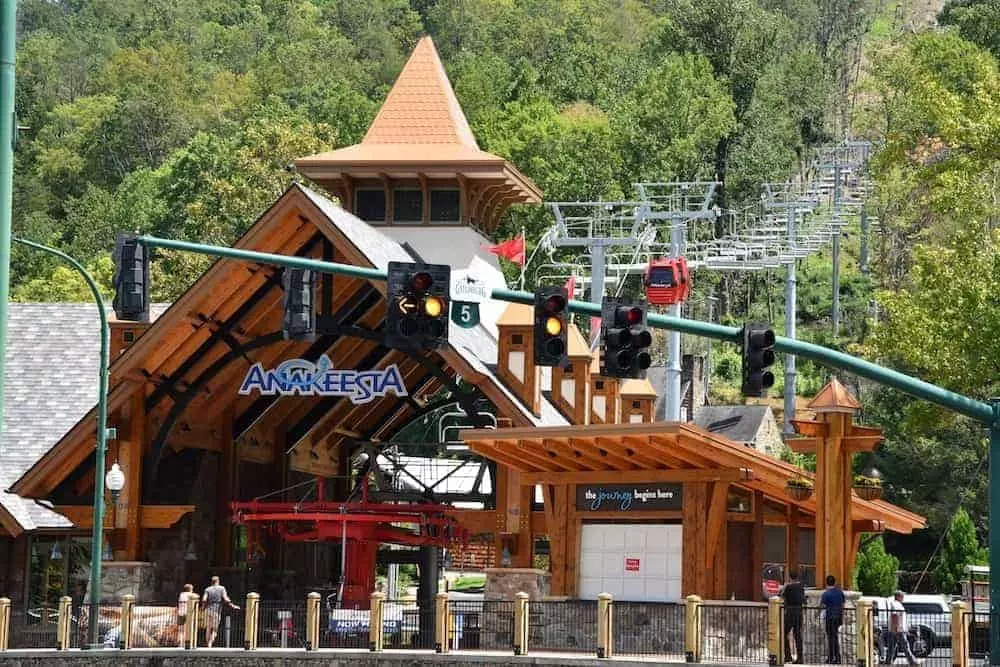
One of the most significant expenditures for visitors is attraction tickets. Both towns are home to dozens of paid attractions, from Dollywood and Splash Country to Ripley’s Aquarium of the Smokies, Anakeesta, and the myriad dinner shows. Navigating these costs requires diligence.
- Bundle Deals: Many local businesses and online travel agencies offer multi-attraction passes or package deals. For instance, purchasing a Dollywood-only ticket versus a combo ticket that includes Dollywood’s Splash Country can yield significant savings if you plan to visit both. Similarly, Ripley’s attractions often have combination tickets that grant access to multiple museums and experiences for a reduced aggregate price. Researching these bundles before arrival is crucial, as on-site purchases may not offer the same discounts.
- Annual Passes: For frequent visitors or those planning an extended stay, an annual pass for a major attraction like Dollywood can be a surprisingly cost-effective investment. Beyond unlimited entry, these passes often come with perks like discounts on food, merchandise, and even lodging, effectively lowering the overall cost of multiple visits.
- Membership Reciprocity: Check if any of your existing memberships (e.g., zoo or aquarium memberships from your hometown) offer reciprocal admission or discounts at local attractions. While less common, it’s a simple check that can lead to unexpected savings.
- Off-Peak Savings: Pricing for accommodations and sometimes even attractions can vary seasonally. Visiting during the shoulder seasons (spring before Memorial Day, fall after October, or certain weeks in winter) can offer lower rates on lodging and potentially fewer crowds, enhancing the value of your dollar.
Free and Low-Cost Entertainment Options
A memorable trip doesn’t always require significant financial outlay. Gatlinburg and Pigeon Forge offer numerous activities that are either free or require minimal expenditure, allowing visitors to conserve their budget for other priorities.
- Great Smoky Mountains National Park: As the most visited national park in the U.S., it offers unparalleled natural beauty and a vast array of free activities. Hiking trails catering to all skill levels, scenic drives like Cades Cove Loop Road, and picnicking spots are all accessible without charge. The cost of admission to the park itself is free, making it an invaluable resource for budget travelers.
- Window Shopping and Strolls: Both Gatlinburg’s Parkway and Pigeon Forge’s bustling main strip offer vibrant atmospheres perfect for leisurely walks. Enjoying the street performers, admiring unique storefronts, and soaking in the ambiance costs nothing.
- Local Festivals and Events: Throughout the year, the towns host various free festivals, car shows, and craft fairs. Consulting local event calendars can reveal opportunities for cultural immersion and entertainment that don’t burden the wallet.
- Picnics and Outdoor Recreation: Instead of dining out for every meal, utilizing the numerous public picnic areas within the National Park or local parks allows for budget-friendly meals amidst stunning scenery.
Dining on a Dime: Culinary Strategies
Food expenses can quickly consume a substantial portion of a travel budget. Strategic planning around meals can lead to considerable savings.
- Self-Catering: Opting for accommodations with kitchenettes or full kitchens is a savvy financial move. Purchasing groceries from local supermarkets and preparing some meals, especially breakfast and packed lunches for day trips, can drastically cut dining costs.
- Value-Oriented Dining: While fine dining options exist, many local eateries offer generous portions and family-style meals at reasonable prices. Researching local favorites and checking online reviews for value can guide choices.
- Happy Hour and Early Bird Specials: Keep an eye out for restaurants offering happy hour discounts on appetizers and drinks or early bird specials, which can provide a more affordable way to experience some of the towns’ culinary offerings.
- Water Bottles: Carrying reusable water bottles and refilling them throughout the day saves money on purchasing bottled drinks and is environmentally conscious.
Unlocking Investment Potential in the Smoky Mountains Tourism Economy
Beyond vacationing, Gatlinburg and Pigeon Forge represent a dynamic economic hub with significant investment potential, particularly in real estate and hospitality-related businesses. The consistent influx of millions of tourists annually creates a robust market for those looking to diversify their investment portfolios.
Real Estate Opportunities: Vacation Rentals and Beyond
The demand for accommodation in the Smoky Mountains region consistently outstrips supply, making real estate a compelling investment.
- Short-Term Vacation Rentals: Investing in cabins, condos, or chalets for short-term vacation rentals through platforms like Airbnb and VRBO can generate substantial passive income. Properties in prime locations (with mountain views, near attractions, or with amenities like hot tubs and game rooms) command premium rates and high occupancy levels. Understanding local zoning laws, property management fees, and seasonal demand fluctuations is critical for success in this segment.
- Commercial Real Estate: The continuous development and expansion of attractions, retail spaces, and dining establishments create opportunities for investing in commercial properties. Leasing retail space or acquiring land for new developments can yield significant returns, tied directly to the growth of the tourism sector.
- Long-Term Rentals: While the focus is often on short-term rentals, the growing local workforce supporting the tourism industry requires long-term housing. Investing in properties for traditional long-term leases can provide stable income and less volatility than short-term markets, albeit with potentially lower overall returns.
Investing in Local Businesses and Franchises

The thriving tourist economy supports a diverse array of businesses, from souvenir shops and restaurants to adventure outfitters and entertainment venues.
- Franchise Opportunities: Established franchise models, particularly in the food and beverage or retail sectors, can offer a relatively lower-risk entry point into the local market, benefiting from brand recognition and operational support.
- Direct Business Investment: For those with an entrepreneurial spirit or capital to deploy, investing directly in local businesses, either by purchasing existing operations or funding startups, can be highly rewarding. This requires thorough due diligence, understanding market trends, and a keen eye for businesses that cater effectively to the tourist demographic.
- Ancillary Services: Beyond direct tourism businesses, investing in supporting services—such as property maintenance, cleaning services, transportation, or marketing agencies catering to vacation rentals and local attractions—can also be profitable, as these sectors grow in tandem with the core tourism industry.
Generating Income from the Tourist Boom: Side Hustles and Entrepreneurship
The vibrant tourism economy of Gatlinburg and Pigeon Forge provides a fertile ground for individuals seeking to generate online income, develop side hustles, or launch full-fledged entrepreneurial ventures, leveraging the constant flow of visitors.
Leveraging the Gig Economy for Tourists
The transient nature of tourists creates demand for flexible services, making the gig economy particularly relevant.
- Ride-Sharing and Delivery Services: Drivers for platforms like Uber, Lyft, DoorDash, or Grubhub can find consistent demand transporting tourists to and from attractions, airports, and accommodations, or delivering food and groceries to rental cabins. Peak tourist seasons and weekends offer prime earning opportunities.
- Personalized Concierge Services: For those with local expertise, offering personalized concierge services—such as planning itineraries, booking tickets, or arranging unique experiences for visitors—can be a lucrative side hustle. This can be marketed through local social media groups or dedicated online platforms.
- Pet Sitting and Dog Walking: Many visitors travel with pets but may need assistance with their care while exploring attractions where pets aren’t allowed. Offering pet-sitting or dog-walking services to vacationers can meet a niche demand.
Crafting and Selling Local Goods
The demand for unique souvenirs, local crafts, and artisanal products is consistently high among tourists looking for mementos of their trip.
- Handmade Crafts: Individuals with skills in pottery, woodworking, painting, jewelry making, or textile arts can create and sell unique items reflecting the local culture and mountain aesthetic. Selling through local craft fairs, online marketplaces (like Etsy), or even consignment at local boutiques can generate income.
- Specialty Food Products: Homemade jams, jellies, honeys, baked goods, or spice blends, especially those using local ingredients, can be popular sellers. Farmers’ markets and specialty food stores cater to this demand.
- Photography and Art: The breathtaking landscapes of the Smoky Mountains provide endless inspiration. Selling prints, postcards, or original artwork depicting local scenes can appeal to visitors. Offering photography sessions for families or couples vacationing in the area is another viable service.
Service-Based Ventures: Guided Tours, Photography, and More
Specialized skills can be directly translated into services catering to the tourist market.
- Guided Tours: For those with deep knowledge of the National Park’s trails, history, or local folklore, leading guided hiking tours, nature walks, or historical excursions can be highly valued by visitors seeking authentic experiences.
- Vacation Photography: Many families and couples visiting for special occasions (anniversaries, engagements) desire professional photos against the backdrop of the mountains. Offering photography packages for these memories can be a profitable service.
- Event Planning for Tourists: With numerous weddings, family reunions, and corporate retreats taking place in the area, offering event planning services specifically tailored to visitors can fill a significant market need. This could include venue scouting, vendor coordination, and logistical support.
Financial Planning for Your Appalachian Escape: Beyond the Basics
Effective financial planning extends beyond simply budgeting for a trip; it encompasses foresight regarding unforeseen circumstances and understanding the broader financial implications of engaging with the Gatlinburg and Pigeon Forge economy.
Insurance Considerations: Travel and Property
Protecting your financial investment in a trip or property is paramount.
- Travel Insurance: For significant vacation expenses, travel insurance can safeguard against unexpected cancellations, medical emergencies, lost luggage, or trip interruptions. It’s a small upfront cost that can prevent substantial financial losses.
- Property Insurance for Rentals: For those investing in vacation rental properties, comprehensive property insurance is non-negotiable. This includes coverage for property damage, liability protection for guests, and potentially loss of income due to unforeseen closures or damages.
- Business Insurance: Any individual operating a side hustle or small business in the area, such as a guided tour service or a craft business, should consider appropriate business liability insurance to mitigate risks.

Tax Implications for Local Income Earners
Generating income in Gatlinburg and Pigeon Forge, whether through a vacation rental or a side hustle, comes with tax responsibilities.
- Short-Term Rental Taxes: Rental property owners must be aware of federal, state, and local taxes, including transient occupancy taxes, sales taxes, and income taxes on rental revenue. Proper record-keeping and potentially consulting with a local tax professional are essential.
- Self-Employment Taxes: Individuals engaged in gig work or operating small businesses are responsible for self-employment taxes (Social Security and Medicare) in addition to income tax. Setting aside a portion of earnings for taxes throughout the year is a wise financial practice.
- Sales Tax: For those selling goods, understanding and remitting state and local sales taxes is a legal requirement.
Gatlinburg and Pigeon Forge offer more than just entertainment; they present a microcosm of economic activity. By approaching “what to do” with a strategic financial mindset, visitors can enhance their travel experiences, while investors and entrepreneurs can uncover compelling opportunities for wealth creation and income generation within this dynamic mountain economy.
aViewFromTheCave is a participant in the Amazon Services LLC Associates Program, an affiliate advertising program designed to provide a means for sites to earn advertising fees by advertising and linking to Amazon.com. Amazon, the Amazon logo, AmazonSupply, and the AmazonSupply logo are trademarks of Amazon.com, Inc. or its affiliates. As an Amazon Associate we earn affiliate commissions from qualifying purchases.