
Cuba’s monetary system has undergone significant transformations, reflecting the country’s unique economic and political trajectory. For decades, it was characterized by a complex dual currency structure, a system designed to manage internal economics and external interactions with varying degrees of success. Today, the Cuban Peso (CUP) stands as the singular official currency, though its interaction with foreign currencies and the informal economy presents a multifaceted financial landscape for residents and international visitors alike. Understanding this system is crucial for anyone engaging with Cuba’s economy, from personal finance management for travelers to strategic financial planning for businesses.
A Brief History of Cuban Currency
The evolution of Cuba’s currency is a chronicle intertwined with its colonial past, revolutionary changes, and ongoing economic reforms. It offers a vital context for understanding the financial mechanisms at play today.
From Spanish Colonization to the Revolution
Historically, Cuba utilized Spanish colonial currencies until its independence. Following the Cuban Revolution in 1959, the new government embarked on a path of economic restructuring, nationalizing industries and centralizing financial control. The Cuban Peso (CUP) was established as the national currency, initially pegged to the U.S. dollar. However, as relations with the United States deteriorated and the Soviet Union became Cuba’s primary economic partner, the CUP’s convertibility and stability became increasingly tied to the socialist bloc’s economic dynamics. During this period, foreign currencies were largely restricted, and the focus was on a centrally planned economy, minimizing the role of market-driven exchange rates.
The Era of Dual Currencies (CUP and CUC)
The collapse of the Soviet Union in the early 1990s triggered a severe economic crisis in Cuba, dubbed the “Special Period.” In response, the Cuban government introduced significant economic reforms, including the legalization of the U.S. dollar for transactions in 1993. This led to a bifurcated economy, with the CUP serving the state-controlled sector and wages, while the U.S. dollar dominated tourist-oriented services and a growing informal market.
Recognizing the economic distortions and social inequalities created by the widespread use of the U.S. dollar, Cuba introduced the Convertible Peso (CUC) in 1994, initially at par with the U.S. dollar and later pegged to it at a rate of 1 CUC = 1 USD (though an official exchange rate for CUP to CUC was set at 24 CUP to 1 CUC for the population). The CUC was intended to be the currency for tourism and foreign trade, replacing the U.S. dollar in most transactions and effectively creating a two-tier monetary system: the CUP for basic goods and services and local salaries, and the CUC for imported goods, luxury items, and tourist services. This dual system, while aiming to capture hard currency, created significant complexities for businesses, individuals, and financial institutions, leading to inefficiencies and challenges in pricing and accounting. It also fostered a pervasive sense of inequality, as access to CUC-denominated goods often meant better quality or variety.
The Unification and Its Impact
After nearly three decades, the Cuban government announced the highly anticipated currency unification, officially ending the dual currency system on January 1, 2021. The CUC was formally removed from circulation, leaving the Cuban Peso (CUP) as the sole national currency. This move was a critical component of broader economic reforms designed to simplify the financial system, eliminate distortions, and create a more transparent environment for investment and trade.
The unification involved setting a new official exchange rate, initially fixed at 24 CUP to 1 USD for state transactions, and later adjusted to 120 CUP to 1 USD in August 2022. While intended to streamline economic activity, the transition has presented its own set of challenges. Inflation became a significant concern, as prices for many goods previously sold in CUC needed to be adjusted to the new CUP exchange rate, often leading to substantial increases. Businesses faced the task of re-pricing inventories, recalibrating accounting systems, and adapting to a single monetary standard. For individuals, particularly those dependent on state salaries, the increased cost of living has put considerable pressure on personal finances, necessitating careful budgeting and, for many, an increased reliance on remittances or supplementary income streams.
The Cuban Peso (CUP): Understanding the Current System
The Cuban Peso (CUP) is now the singular official currency, but its functionality is deeply influenced by its convertibility, official exchange rates, and the dynamics of a market that often operates outside strict state control.
Denominations and Exchange Rates
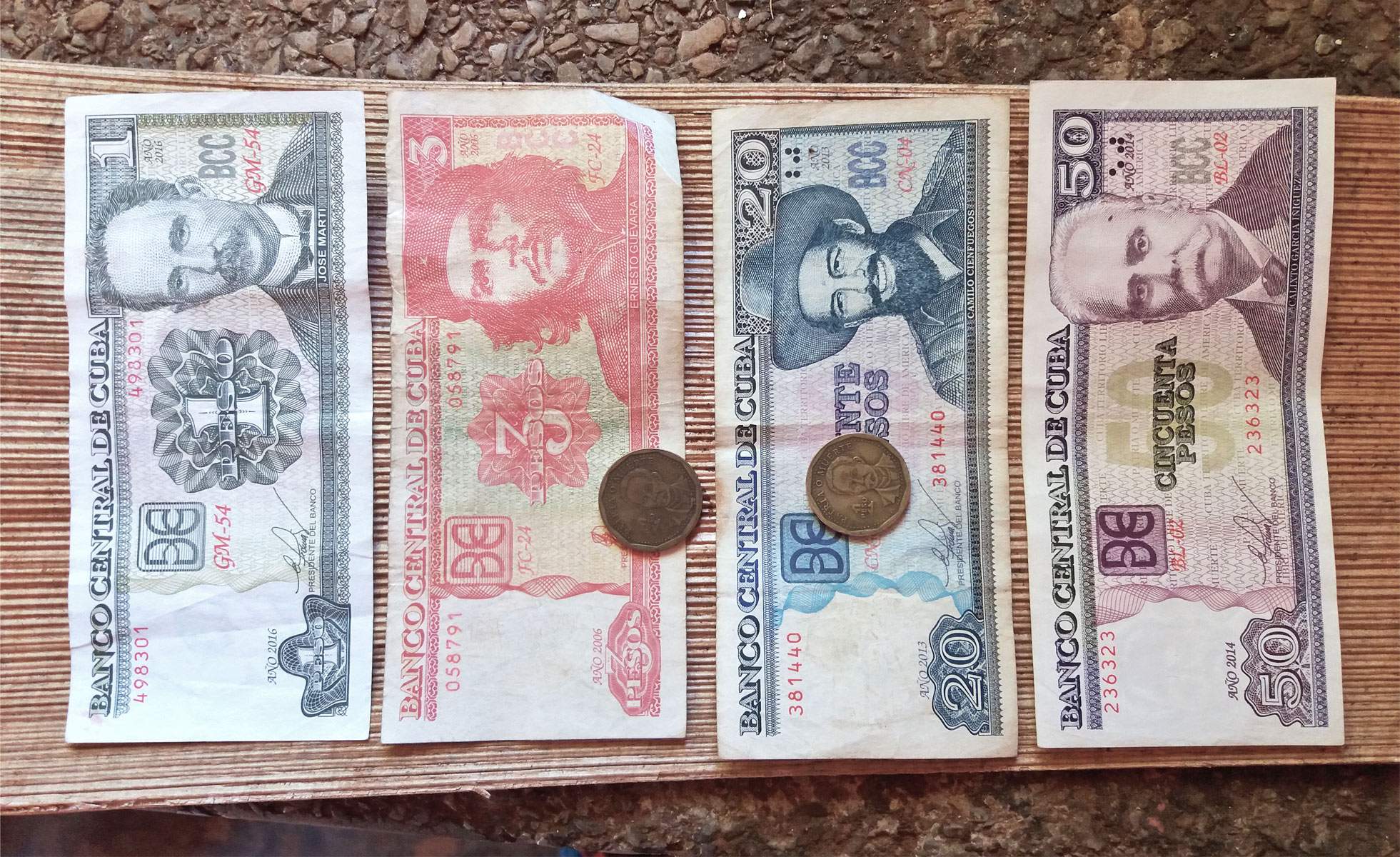
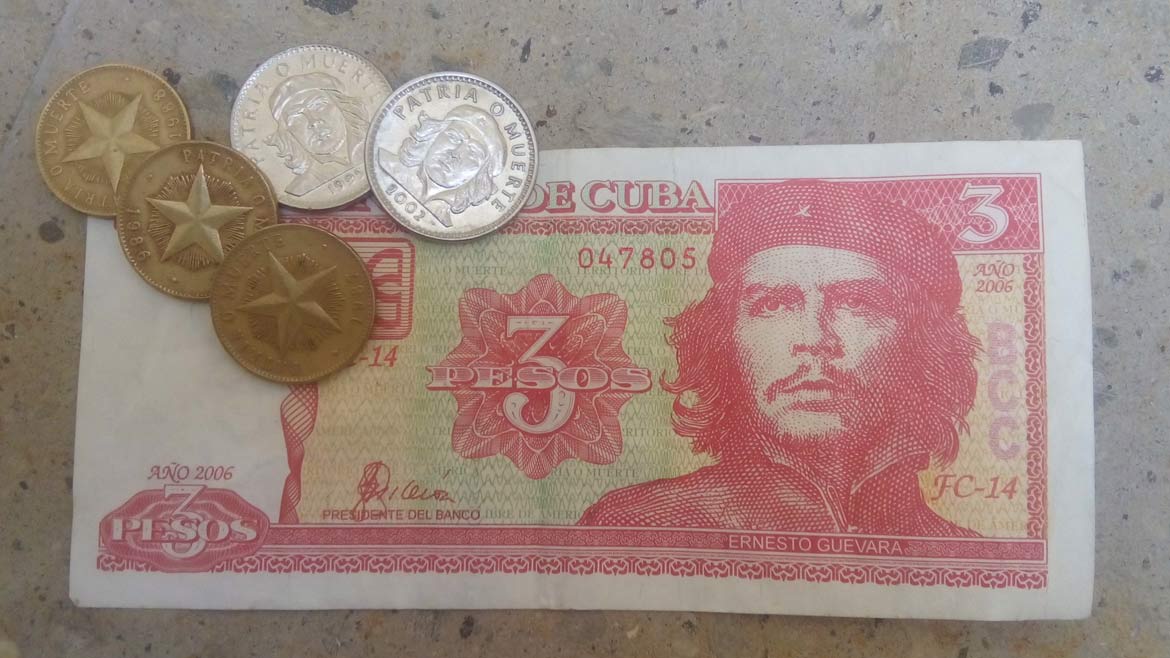
The Cuban Peso is issued in banknotes of 1, 3, 5, 10, 20, 50, 100, 200, 500, and 1000 CUP. Coins are available in denominations of 1, 3, 5, 20, and 40 centavos, and 1, 3, and 5 CUP. The official exchange rate set by the Central Bank of Cuba (BCC) for the CUP against major foreign currencies, such as the U.S. dollar and Euro, is subject to change but has seen significant devaluation since unification. As of recent adjustments, the official rate has hovered around 120 CUP per 1 USD. This rate is critical for state-controlled transactions, official imports, and for banks and Cadecas (currency exchange houses) to convert foreign currency into CUP. However, it is paramount to understand that this official rate often differs significantly from the rate available in the informal or black market, where foreign currencies, particularly the USD, command a much higher value due to scarcity and demand.
How Tourists and Locals Interact with CUP
For tourists, the CUP is the currency they will primarily use for local expenses such as transportation, meals in local paladares (private restaurants), market purchases, and tips. When exchanging foreign currency, tourists can do so at official Cadecas or banks. However, the limited availability of CUP in these official channels at times, combined with the often less favorable official exchange rate, leads many visitors to explore informal exchange options. While potentially offering better rates, these transactions carry inherent risks and operate outside legal financial frameworks.
Locals, on the other hand, receive their salaries and pensions in CUP. Their purchasing power is significantly impacted by inflation and the disparity between official and informal exchange rates. Many essential goods and services are priced in CUP, but items that are imported or have components sourced in foreign currency are increasingly sold in stores that accept only Moneda Libremente Convertible (MLC) or foreign bank cards, forcing residents to seek foreign currency, often at the much higher informal rates, to access these necessities.
Challenges and Volatility
The CUP faces considerable challenges, primarily stemming from its limited convertibility and the country’s broader economic conditions. High inflation, a persistent issue since the currency unification, erodes purchasing power and creates economic instability. The scarcity of foreign currency in official channels contributes to the widening gap between official and informal exchange rates, distorting market signals and making financial planning difficult for both individuals and businesses. This volatility impacts investment decisions, complicates international trade, and creates a complex environment for managing personal and business finances within Cuba.
Foreign Exchange in Cuba: USD, EUR, and Other Currencies
While the CUP is the official national currency, foreign currencies, particularly the U.S. dollar (USD) and Euro (EUR), play an indispensable role in Cuba’s economy, driven by trade, remittances, and the need for hard currency to finance imports.
The Role of Freely Convertible Currency (MLC) Accounts
In response to the scarcity of hard currency and the need to stimulate remittances and foreign exchange inflows, Cuba introduced the concept of Moneda Libremente Convertible (MLC) accounts. These are bank accounts denominated in foreign currencies (primarily USD, EUR), which are accessible via debit cards. Goods sold in a network of MLC stores, often higher-end or imported products, can only be purchased using these MLC cards or foreign bank cards. Cash foreign currency, like USD, is often not accepted directly in these MLC stores, reinforcing the digital nature of these transactions and the government’s aim to channel foreign currency through formal banking systems. For many Cubans, access to MLC accounts and cards is crucial for purchasing essential goods, creating a parallel economy that operates distinct from the CUP-based system for state-subsidized items.
Black Market Dynamics and Informal Exchange
Due to the official exchange rate’s perceived undervaluation of foreign currencies relative to the CUP, and the difficulty in accessing foreign currency through official channels, a robust informal or black market for foreign exchange thrives. Here, the U.S. dollar, and increasingly the Euro, command significantly higher rates against the CUP than the official rate. This informal market is a critical mechanism for many Cubans to obtain hard currency needed for MLC purchases, travel, or to simply preserve savings against inflation. For tourists, exchanging money on the black market can offer more favorable rates for CUP, but it comes with risks, including potential for scams, counterfeit currency, and operating outside legal financial channels. The existence and scale of this market are a clear indicator of the economic pressures and currency distortions within the country.
Remittances and Their Economic Significance
Remittances, primarily from Cuban expatriates in the United States and other countries, are a vital lifeline for the Cuban economy and for countless families. These financial transfers provide crucial foreign currency that supports household consumption, helps mitigate the effects of inflation, and often fuels small private businesses. The flow of remittances is subject to international banking regulations and political dynamics, making it an often complex and sometimes interrupted channel. Despite challenges, remittances represent a significant source of freely convertible currency entering the country, influencing both the official and informal foreign exchange markets and underpinning a substantial portion of the private sector economy.
Financial Implications for Visitors and Investors
Navigating Cuba’s monetary system requires careful planning, whether for a short visit or for potential business engagement. Understanding the practical aspects of currency exchange and payment methods is paramount.
Planning Your Budget and Currency Exchange
For visitors, a key consideration is how to best manage funds. While it is possible to exchange foreign currency (USD, EUR, CAD, GBP) for CUP at official Cadecas and banks, the official exchange rate is often less favorable than rates found informally. Furthermore, the ability to exchange foreign currency for CUP within Cuba can sometimes be limited by availability. Many travelers find it beneficial to carry a mix of foreign currency cash (preferably EUR or CAD, as the USD was subject to a surcharge for exchange into CUP at official institutions, though this policy has fluctuated) and a foreign bank card for MLC purchases or withdrawals where available. Estimating daily expenses in CUP for local transactions and having a separate budget for MLC store purchases or tourist services is advisable.
Payment Methods: Cash vs. Cards
Cash remains king for many transactions in Cuba, especially in local markets, small private businesses, and for tips. It is essential to have a sufficient supply of CUP for these daily expenses. For purchases in MLC stores and some hotels or larger private establishments, debit or credit cards linked to foreign banks are increasingly accepted. However, it is crucial to note that cards issued by U.S. banks or their subsidiaries often do not work in Cuba due due to ongoing U.S. sanctions. Travelers should verify with their bank if their card will function in Cuba. Using a non-U.S. issued Visa or MasterCard is generally the safest bet for card payments, but always have a cash backup. International ATMs are available in major cities but can be unreliable for foreign card withdrawals and often dispense CUP at the official rate.
Considerations for Business and Investment
For international businesses and investors, Cuba’s currency system presents a complex environment. The limited convertibility of the CUP, the existence of multiple exchange rates (official vs. informal), and inflation pose significant challenges for financial planning, profit repatriation, and maintaining accurate financial records. Businesses often need to operate within the MLC system for importing goods and supplies, necessitating access to foreign currency. Understanding these dynamics is critical for developing viable business models, managing cash flow, and assessing the true economic returns of investments in Cuba. Navigating regulations, securing appropriate licenses, and establishing reliable banking relationships are fundamental steps for any foreign entity considering engagement with the Cuban market.
The Future of Cuba’s Monetary System
Cuba’s monetary system is in a constant state of evolution, driven by the government’s economic reform agenda and the broader global financial landscape. The trajectory suggests continued efforts toward greater stability and integration.
Economic Reforms and Digitalization
The unification of the currency was a significant step, but it is part of a larger package of economic reforms aimed at stimulating growth, attracting foreign investment, and improving efficiency. Future reforms are likely to focus on increasing the convertibility of the CUP, further streamlining state-owned enterprises, and potentially liberalizing certain sectors of the economy. Digitalization is also a key theme, with the government promoting electronic payments and aiming to modernize its banking infrastructure. This could lead to a more transparent and efficient financial system, reducing reliance on cash and potentially bridging some of the gaps between official and informal economies. However, such changes require substantial investment and systemic overhauls.

Long-Term Stability and Convertibility Challenges
Achieving long-term stability and full convertibility for the Cuban Peso remains a formidable challenge. Success hinges on a range of factors, including the country’s ability to boost exports, attract consistent foreign investment, manage inflation effectively, and overcome external economic pressures. A fully convertible CUP, freely exchangeable at market rates, would significantly simplify financial transactions for both locals and foreigners and integrate Cuba more seamlessly into the global financial system. However, this requires a robust and diversified economy that can generate sufficient foreign exchange reserves. Until these fundamental economic conditions are firmly established, Cuba’s currency system will likely continue to evolve, presenting a dynamic and often complex financial environment for all who interact with it.
aViewFromTheCave is a participant in the Amazon Services LLC Associates Program, an affiliate advertising program designed to provide a means for sites to earn advertising fees by advertising and linking to Amazon.com. Amazon, the Amazon logo, AmazonSupply, and the AmazonSupply logo are trademarks of Amazon.com, Inc. or its affiliates. As an Amazon Associate we earn affiliate commissions from qualifying purchases.