
In an increasingly digital world, subscription services have become a cornerstone of our daily lives, offering everything from entertainment to expedited shipping. Amazon Prime stands as one of the most comprehensive and widely adopted, bundling a vast array of benefits under a single membership. However, the streaming landscape is continuously evolving, and recent shifts, particularly the introduction of advertisements into Prime Video, have prompted many subscribers to reconsider the true cost and value proposition. For those who cherish an uninterrupted viewing experience, the question “how much is Amazon Prime without ads?” has moved from a niche query to a critical financial consideration.
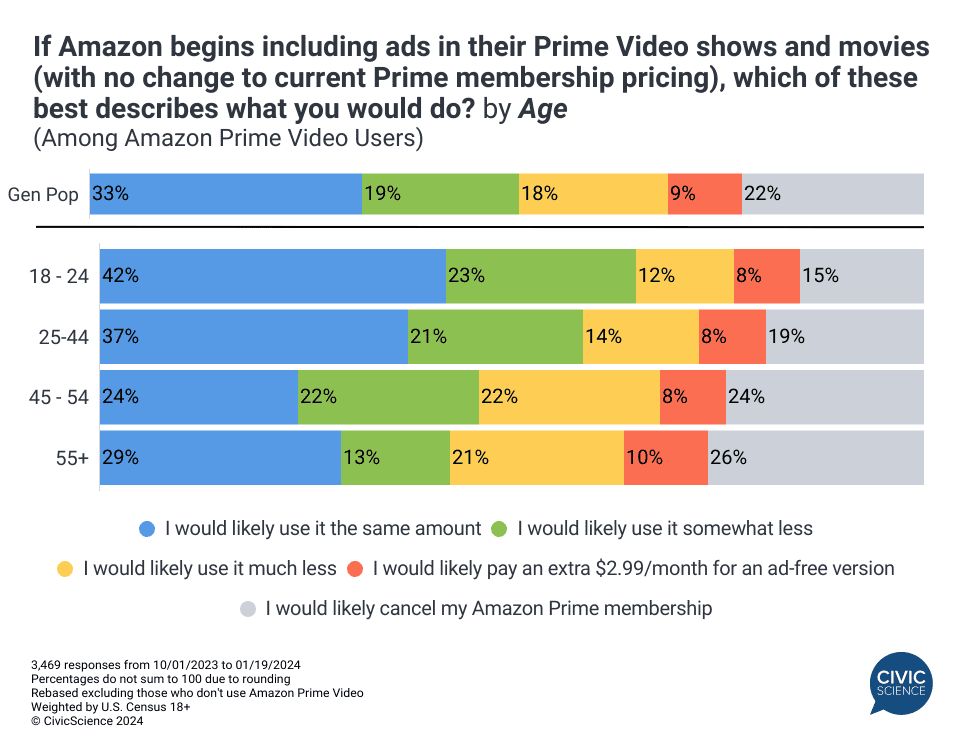
This article delves into the financial intricacies of Amazon Prime’s ad-free offering, guiding consumers through the costs, benefits, and strategic financial planning required to make an informed decision. We will break down the numbers, analyze the value, and provide insights for effectively managing your entertainment budget in an era of proliferating subscription tiers.
The Financial Landscape of Amazon Prime
Understanding the cost of Amazon Prime without ads requires a clear picture of the baseline membership and the additional premium for an ad-free experience. It’s not merely a simple number, but rather a component of a larger financial ecosystem designed to offer a multifaceted value proposition.
Understanding the Standard Prime Membership Fee
Amazon Prime’s core offering has long been a compelling package of services, anchored by its expedited shipping benefits. Before even considering the ad-free option, it’s crucial to understand what the standard Prime membership entails and its associated cost.
Typically, Amazon offers two primary payment structures for its standard Prime membership:
- Annual Membership: Historically, the most cost-effective option, usually priced around $139 per year. This upfront payment provides a full year of benefits, often representing a discount compared to cumulative monthly payments.
- Monthly Membership: For those who prefer flexibility or aren’t ready to commit to an annual fee, Prime is available for approximately $14.99 per month. Over a year, this totals $179.88, making the annual plan a more financially prudent choice for long-term subscribers.
Beyond the well-known free two-day (or faster) shipping on millions of items, a standard Prime membership bundles a plethora of services that contribute to its overall value:
- Prime Video: Access to a vast library of movies, TV shows, and Amazon Originals. This is the service where ads have recently been introduced.
- Prime Music: Ad-free access to a large catalog of songs and podcasts.
- Prime Reading: A rotating selection of free eBooks, magazines, and comics.
- Prime Gaming: Free games, in-game content, and a complimentary Twitch channel subscription.
- Whole Foods Market Discounts: Exclusive savings and offers at Whole Foods.
- Amazon Photos: Unlimited full-resolution photo storage.
From a financial perspective, the standard Prime membership’s value is heavily dependent on how many of these bundled services a subscriber actually utilizes. If a user only leverages free shipping, the cost-effectiveness might be lower than for someone who actively streams Prime Video, listens to Prime Music, and shops at Whole Foods.
The Ad-Free Premium: Breaking Down the Additional Cost
The significant shift occurred when Amazon announced that Prime Video, a cornerstone of the Prime membership, would begin showing “limited advertisements” starting in early 2024. For members wishing to maintain an uninterrupted viewing experience, an additional ad-free upgrade became available.
The financial breakdown for this upgrade is straightforward:
- Ad-Free Option Cost: An additional $2.99 per month on top of your existing Prime membership fee.
This means that for an annual Prime member, their total yearly cost with the ad-free option would be $139 (standard annual fee) + ($2.99 x 12 months = $35.88) = $174.88 per year.
For a monthly Prime member, their total cost with the ad-free option would be $14.99 (standard monthly fee) + $2.99 = $17.98 per month.
It’s crucial to understand that this $2.99 premium specifically removes ads from Prime Video. It does not affect other services like Prime Music (which is already ad-free for Prime members) or any other bundled benefit. Amazon’s rationale for this move, while primarily a business decision to increase revenue and fund content creation, ultimately places a new financial decision point directly in the hands of the consumer: is the cost of uninterrupted viewing worth the added expense?
Value Proposition: Is the Ad-Free Experience Worth the Extra Investment?
Deciding whether to pay an additional $2.99 per month for ad-free Prime Video is a personal financial choice. It involves weighing the tangible cost against the intangible benefits of an uninterrupted entertainment experience.
Quantifying the Cost of Your Time and Enjoyment
While $2.99 might seem nominal on its own, its value needs to be assessed in the context of your viewing habits and the perceived interruption of ads.
Consider the following:
- Time Savings: Industry estimates suggest that ad breaks in streaming can add anywhere from 3-5 minutes per hour of content. If you watch, for example, 10 hours of Prime Video content per week, that could translate to 30-50 minutes of ad exposure per week, or roughly 2-3 hours per month. For many, saving this much time, even if it’s passive waiting, can be a valuable commodity.
- Psychological Impact: Ads can disrupt immersion, reduce enjoyment, and even cause frustration. For those who value a seamless narrative flow, the absence of ads significantly enhances the viewing experience, potentially reducing stress and increasing the perceived quality of their entertainment time. From a financial perspective, this translates to maximizing the return on enjoyment for your initial Prime investment. If ads significantly diminish your enjoyment of Prime Video, then the ad-free upgrade ensures you’re getting the full value out of the content you’re paying for.
By paying an additional $35.88 annually, you are essentially purchasing back your time and preserving your entertainment immersion. For frequent viewers, this could be seen as a highly cost-effective way to enhance a primary entertainment source.
Comparative Analysis with Other Streaming Services
To truly assess the financial value of Amazon’s ad-free option, it’s helpful to compare it against other major streaming platforms that also offer ad-supported and ad-free tiers. This provides context on where Amazon Prime Video stands in the broader entertainment budget.
- Netflix: Offers various tiers, with ad-supported being cheaper and standard/premium tiers being ad-free. Its premium ad-free tier can be significantly more expensive than Amazon’s full Prime + ad-free cost.
- Max (formerly HBO Max): Similar to Amazon, Max offers an ad-free tier at a higher price point than its ad-supported counterpart. The difference in price is often comparable or slightly higher than Amazon’s $2.99.
- Disney+ & Hulu: Often bundled, these services also have distinct ad-supported and ad-free options, with the ad-free tiers commanding a higher monthly fee. Hulu, in particular, has a significant price jump for its ad-free version.
Generally, Amazon’s ad-free upgrade of $2.99 per month is competitive, if not slightly lower, than the price difference between ad-supported and ad-free tiers on many other popular services. This positions Amazon Prime Video’s ad-free option as a reasonably priced premium within the current streaming market.
Beyond Prime Video: Maximizing Your Overall Prime Value

When making a financial decision about the ad-free upgrade, it’s crucial not to isolate Prime Video. The comprehensive nature of Amazon Prime means that the overall value proposition is much broader.
Before committing to the ad-free add-on, conduct a personal audit:
- Shipping Savings: How much do you save on shipping costs annually by being a Prime member? Do you regularly order items that would otherwise incur shipping fees?
- Prime Music & Reading: Do you utilize these services instead of paying for separate music or e-book subscriptions?
- Other Benefits: Are you taking advantage of Prime Gaming, Whole Foods discounts, or Amazon Photos?
If you are a heavy user of multiple Prime benefits, the initial Prime membership fee already delivers significant financial value. The $2.99 ad-free Prime Video upgrade then becomes a smaller incremental cost on top of an already highly utilized and valuable service. Conversely, if you only use Prime for video and find the ads unbearable, you’re essentially paying a much higher premium for that singular benefit, and it might be worth exploring alternative standalone streaming services.
Strategic Financial Planning for Streaming Subscriptions
In an age of subscription fatigue, where monthly charges accumulate rapidly, strategic financial planning for your streaming services is no longer a luxury but a necessity.
Auditing Your Entertainment Budget
The first step in smart financial management is understanding where your money goes. Conduct a thorough audit of all your streaming subscriptions:
- List Everything: Write down every service you subscribe to (Netflix, Hulu, Max, Disney+, Spotify, Apple Music, YouTube Premium, Amazon Prime, etc.).
- Note the Cost: Record the exact monthly or annual cost for each.
- Assess Usage: Honestly evaluate how often you use each service. Do you watch content on Disney+ weekly, or has it been months since you logged in?
- Identify Redundancies: Are you paying for two music streaming services? Do you have multiple platforms with similar content libraries that you rarely touch?
This audit will reveal your total monthly entertainment spend and highlight potential areas for reduction or reallocation.
Making Informed Decisions: A Cost-Benefit Framework
With your audit complete, apply a cost-benefit framework to each service, especially when considering upgrades like the ad-free Prime Video option:
- Cost: The actual monetary outflow for the service or upgrade.
- Benefit (Tangible): Free shipping savings, exclusive content access, discounts.
- Benefit (Intangible): Convenience, enjoyment, uninterrupted viewing, time saved from ads, peace of mind.
For the Amazon Prime ad-free upgrade, ask yourself:
- How much Prime Video do I watch? If it’s minimal, the $2.99 might not be justified. If it’s a primary entertainment source, the value increases.
- How much do ads bother me? If they significantly diminish your enjoyment, the cost is easier to justify.
- Does my household benefit? If multiple family members use Prime Video, the cost-per-user for an ad-free experience decreases, making it a more attractive option.
- What are my alternatives? Could I switch to a different, cheaper ad-free service that meets my needs, or would I simply watch less TV?
This framework helps move beyond an emotional reaction to ads and brings a rational, financial perspective to your decision-making.
Managing Your Subscription: Practical Financial Steps
Once you’ve decided on your preferred Amazon Prime Video tier, managing your subscription effectively is key to avoiding unwanted charges and ensuring you get what you pay for.
- Adding the Ad-Free Option: This is typically done through your Amazon account settings under the “Prime Video” or “Memberships & Subscriptions” section. Be sure to confirm the new monthly total before finalizing.
- Monitoring Charges: Regularly check your bank or credit card statements to ensure the correct amount is being charged. Mistakes can happen, and proactive monitoring saves you money.
- Trial Periods: While not typically offered for the ad-free upgrade specifically, be mindful of any trial periods for other services. Always set calendar reminders to cancel before trials expire if you don’t intend to continue the service.
- Cancellation Policies: Familiarize yourself with Amazon’s policies for modifying or canceling your Prime membership and the ad-free add-on. Knowing the refund policy (if applicable for annual subscriptions) is crucial. You can usually remove the ad-free option at any time, with the change taking effect at the end of your current billing cycle.
The Evolving Economics of Streaming and Future Considerations
The introduction of ads to Prime Video and the option for an ad-free tier is not an isolated incident but rather a symptom of a broader shift in the economics of streaming. Understanding these trends can help you anticipate future financial implications.
Industry Trends: Ad-Tier Proliferation and Price Adjustments
The streaming wars have intensified, driving content creation costs sky-high. To sustain growth and profitability, many platforms are adopting a dual-tier strategy:
- Ad-Supported Tiers: Offer a lower entry price point to attract cost-sensitive subscribers.
- Ad-Free Premium Tiers: Cater to those willing to pay more for an uninterrupted experience.
This trend is likely to continue, meaning consumers should expect more services to introduce ads or raise prices for their ad-free options. Amazon’s move is part of this industry-wide recalibration. Furthermore, across the board, general price adjustments (increases) for streaming services have become a regular occurrence, often driven by inflation, content production costs, and market positioning.
Long-Term Financial Implications for Consumers
For consumers, these trends imply several long-term financial considerations:
- Budgeting for Increases: It’s prudent to factor in potential annual price increases for your streaming subscriptions. Don’t assume current prices will remain static.
- Subscription Fatigue: The proliferation of tiers and price points can lead to “subscription fatigue,” where consumers feel overwhelmed by choices and the accumulating costs. This might force more aggressive auditing and cancellation strategies.
- Value Redefinition: As costs rise, consumers will increasingly scrutinize the actual value derived from each subscription. This will lead to more selective choices, potentially favoring bundles that offer significant savings or services that are truly indispensable.
The decision to pay extra for ad-free Prime Video is an early test of this evolving landscape. It asks consumers to place a monetary value on their uninterrupted time and entertainment.

Conclusion
The question of “how much is Amazon Prime without ads” has a clear financial answer: an additional $2.99 per month on top of your standard Prime membership fee. However, the true decision lies in the personal financial calculus of value, convenience, and preference. For frequent viewers of Prime Video who prioritize an uninterrupted experience, the additional $35.88 annually for the ad-free option can be a worthwhile investment, especially when considered within the broader context of all the benefits a Prime membership offers and the competitive pricing of other streaming services.
By conducting a thorough financial audit of your entertainment spending, utilizing a cost-benefit framework, and actively managing your subscriptions, you can navigate the evolving streaming landscape with confidence, ensuring your money is spent wisely on the entertainment that brings you the most value and enjoyment. In the end, the optimal choice for Amazon Prime without ads is the one that best aligns with your personal budget and viewing preferences.
aViewFromTheCave is a participant in the Amazon Services LLC Associates Program, an affiliate advertising program designed to provide a means for sites to earn advertising fees by advertising and linking to Amazon.com. Amazon, the Amazon logo, AmazonSupply, and the AmazonSupply logo are trademarks of Amazon.com, Inc. or its affiliates. As an Amazon Associate we earn affiliate commissions from qualifying purchases.