
In our hyper-connected world, the humble charger is an unsung hero. It’s the silent enabler of our digital lives, the lifeline that keeps our smartphones, laptops, wearables, and a growing array of smart home devices humming. But what exactly is a charger, and why is it so crucial? Beyond its basic function of replenishing battery power, the concept of a charger has evolved significantly, intertwining with advancements in technology, brand innovation, and even the economics of our connected ecosystems. This article will delve into the multifaceted world of chargers, exploring their technological underpinnings, the branding strategies that surround them, and the financial implications they hold for both consumers and manufacturers.
The Essential Technology Behind the Charge
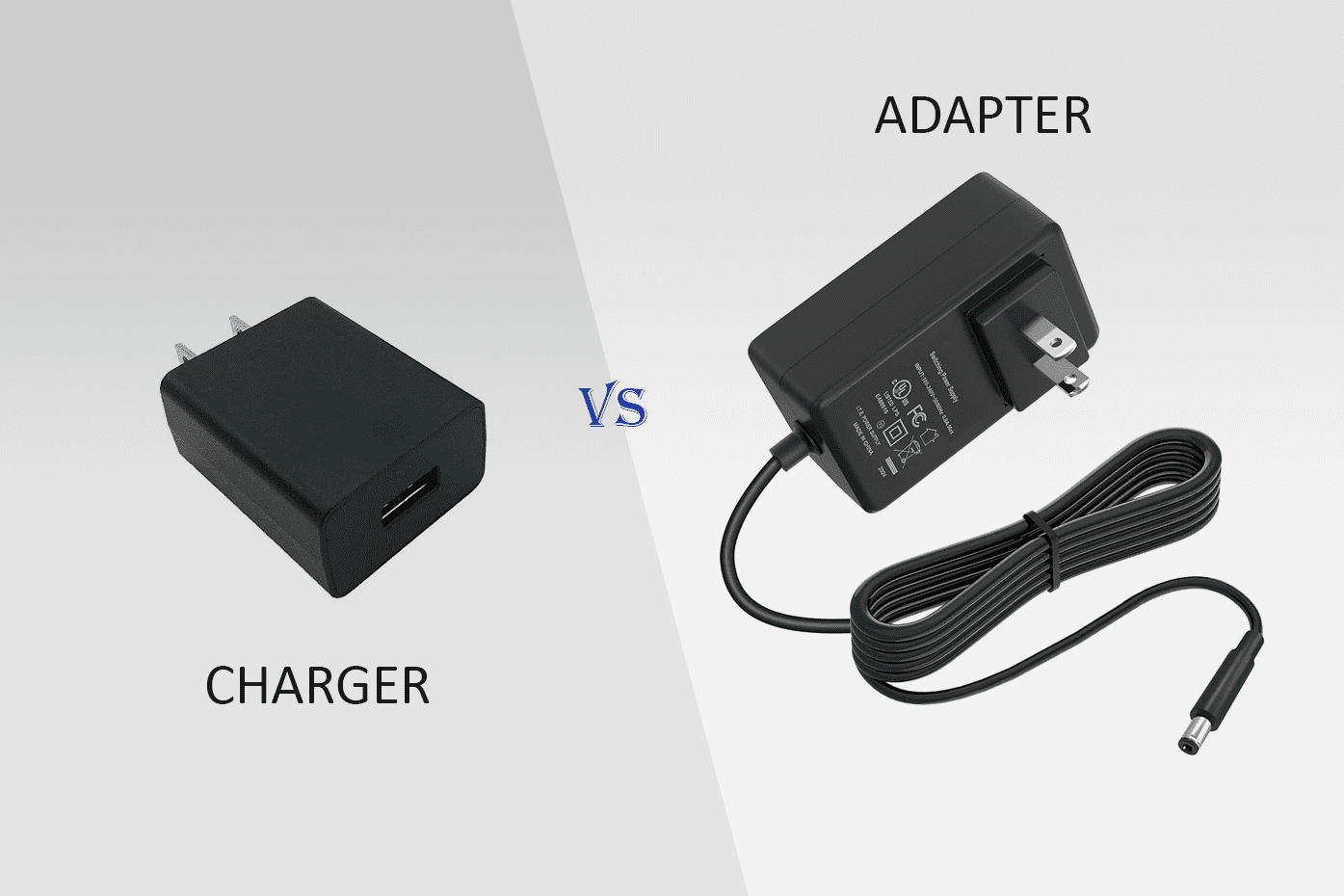
At its core, a charger is an electrical device designed to supply direct current (DC) power to a rechargeable battery. This seemingly simple function involves a complex interplay of electrical engineering principles and evolving technological standards.
From Simple AC Adapters to Smart Power Delivery
The earliest chargers were essentially simple AC (alternating current) adapters that converted household AC power into a lower-voltage DC. They were bulky, often inefficient, and specific to each device. Think of the brick-like power bricks for early laptops and the basic wall warts for mobile phones.
The advent of USB (Universal Serial Bus) revolutionized charging. Initially designed for data transfer, USB ports quickly became a standardized method for powering devices. This led to a surge in interchangeable chargers, where a single USB charger could power multiple gadgets. However, the early USB standards were limited in terms of power output, leading to frustratingly slow charging times for more power-hungry devices like tablets and laptops.
This limitation spurred the development of faster charging technologies. Key among these are:
- Quick Charge (Qualcomm): One of the earliest widespread fast-charging technologies, Quick Charge allows compatible devices and chargers to negotiate higher voltage and amperage levels, significantly reducing charging times. Different versions of Quick Charge offer varying levels of speed and power output.
- USB Power Delivery (USB PD): This is a more universal and sophisticated standard that allows for much higher power outputs, up to 100W (and even higher with newer revisions), and supports bi-directional power flow. USB PD enables a single charger to power everything from a smartphone to a high-performance laptop. Its true strength lies in its adaptability, allowing the charger and the device to communicate and agree on the optimal charging parameters. This smart negotiation prevents overcharging and ensures efficient power transfer.
- Proprietary Fast Charging Technologies: Many manufacturers have developed their own proprietary fast-charging solutions, often marketed under catchy brand names (e.g., Samsung’s Adaptive Fast Charging, OnePlus’s Warp Charge, Oppo’s VOOC). These technologies often leverage specific hardware in both the charger and the device to achieve even faster charging speeds than standard USB PD or Quick Charge. While convenient for users within a specific brand ecosystem, they can sometimes lead to compatibility issues with chargers from other manufacturers.
Wireless Charging: Convenience Meets Innovation
Wireless charging has emerged as a significant trend, offering unparalleled convenience. Technologies like Qi (pronounced “chee”) have become the de facto standard for wireless charging. Qi chargers use electromagnetic induction to transfer power from a charging pad to a compatible device placed on it.
While convenient, wireless charging is generally less efficient than wired charging, meaning more energy is lost as heat. Furthermore, charging speeds have historically lagged behind wired solutions. However, advancements in Qi technology and the introduction of higher power wireless charging standards are steadily closing this gap, making wireless charging a more viable and attractive option for everyday use.
Beyond the Plug: Emerging Charging Technologies
The innovation in charging doesn’t stop there. We’re seeing the emergence of:
- GaN (Gallium Nitride) Chargers: These are a new generation of chargers that use GaN semiconductors instead of silicon. GaN allows for smaller, lighter, more energy-efficient, and more powerful chargers. This is why we’re seeing incredibly compact fast chargers that can still deliver high wattage for multiple devices.
- Reverse Wireless Charging: Some smartphones can now act as wireless chargers themselves, allowing you to top up other Qi-compatible devices by placing them on the back of your phone. This is a neat feature for emergency power sharing.
- Long-Range Wireless Charging: While still largely in its infancy and facing regulatory hurdles, research into true long-range wireless charging promises a future where devices could be powered over several feet, eliminating the need for dedicated charging pads.
The Branding and Marketing of Power
The charger, once an afterthought, has become a significant element in brand differentiation and marketing strategies. Manufacturers understand that the charging experience is an integral part of the overall product experience.
The “Unboxing” Experience and the Charger
In the era of premium smartphones, the unboxing experience is carefully curated. For a long time, manufacturers even included chargers in the box, a practice now being re-evaluated. Apple’s decision to stop including chargers with iPhones, citing environmental concerns, sparked a wider debate. While this move can be framed as sustainability, it also creates an opportunity for the company to sell its own branded chargers separately, reinforcing their ecosystem and potentially generating additional revenue.
This highlights a key branding tactic: creating an indispensable accessory. By removing the charger from the initial purchase, brands encourage consumers to buy their specific, optimized chargers, ensuring the best performance and compatibility. This also allows for the sale of higher-margin accessories.
Ecosystem Lock-in and Brand Loyalty
The development of proprietary fast-charging technologies is a clear example of ecosystem lock-in. When a brand offers incredibly fast charging that is only achievable with their specific charger, it incentivizes users to stick within that brand’s ecosystem. Purchasing a charger from a different manufacturer might mean significantly slower charging speeds or even a complete lack of compatibility.
This strategy fosters brand loyalty by making it inconvenient to switch. Customers become accustomed to the speed and efficiency of their brand’s charging solution, making it a persuasive factor in future purchasing decisions.
The Aesthetics and Design of Chargers
Chargers are no longer just utilitarian objects. Brands are investing in the design and aesthetics of their charging solutions. From sleek, minimalist wireless charging pads that complement home decor to compact GaN chargers in premium finishes, the charger is becoming a design statement. This aligns with the broader trend in consumer electronics where form and function are equally important.
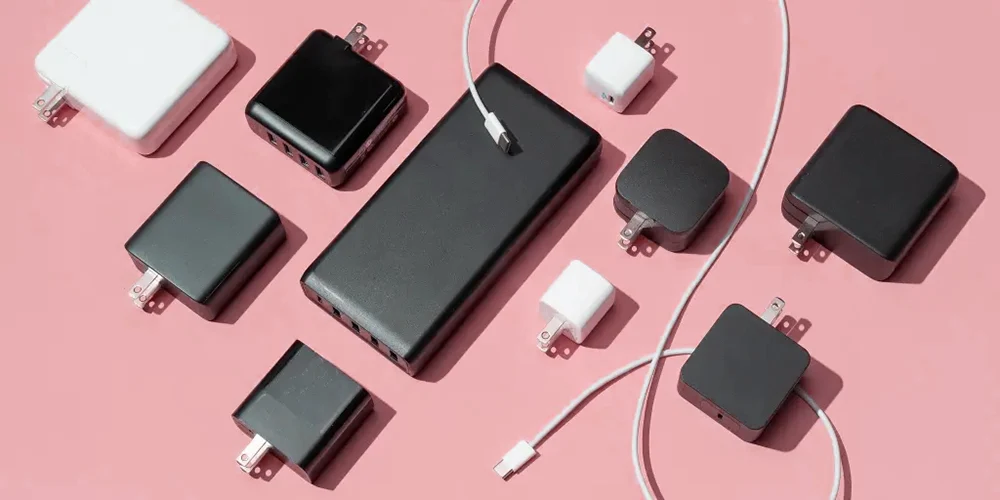
Furthermore, brands are using color, material, and form factor to differentiate their charging products. A charger can be designed to be a conversation starter or an elegant addition to a desk setup, contributing to the overall perceived value of the brand.
Sustainability as a Branding Differentiator
As mentioned with Apple’s decision, sustainability is increasingly a key aspect of branding for electronics manufacturers. The environmental impact of manufacturing, shipping, and disposing of electronic accessories, including chargers, is a growing concern for consumers.
Brands are leveraging this by:
- Reducing packaging: Using fewer materials and more eco-friendly packaging for chargers.
- Offering repairability and longevity: Designing chargers that are more durable and potentially repairable.
- Promoting recycling programs: Encouraging consumers to recycle old chargers responsibly.
- Focusing on energy efficiency: Developing chargers that consume less power when not in use or when charging devices.
By highlighting these efforts, brands aim to appeal to environmentally conscious consumers and position themselves as responsible corporate citizens.
The Financial Landscape of Chargers
The seemingly simple charger plays a surprisingly significant role in the financial ecosystem of consumer electronics. From production costs to consumer spending, chargers are a crucial economic component.
The Cost of Power: From Manufacturing to Consumer
The cost of manufacturing a charger can vary widely. Simple, low-wattage USB chargers are relatively inexpensive to produce. However, sophisticated fast chargers incorporating advanced GaN technology, multiple ports, and smart power management ICs (integrated circuits) are more complex and thus more costly to manufacture.
For consumers, the price of a charger can range from a few dollars for a generic USB adapter to upwards of $50-$100 for high-end, multi-port GaN chargers or branded proprietary solutions. This cost is often absorbed by consumers when a charger is included with a device, but it becomes a direct purchase when it’s not.
The Business of Accessories: A Lucrative Market
The market for chargers and other mobile accessories is incredibly lucrative for electronics companies. Because they are often seen as essential companions to core products like smartphones and laptops, demand is consistently high.
Manufacturers strategically price these accessories to contribute significantly to their overall profitability. The profit margins on accessories can often be higher than on the primary devices themselves, especially when factoring in the lower research and development costs for many accessory lines compared to groundbreaking new phone or computer models.
The Rise of Third-Party and Aftermarket Chargers
The demand for chargers has also fueled a massive market for third-party and aftermarket chargers. These range from reputable brands that offer high-quality, certified charging solutions to cheaper, unbranded alternatives that can be a gamble.
- Pros of Third-Party Chargers: Often more affordable, wider variety of features (e.g., multiple ports, specific form factors), and can offer competitive performance.
- Cons of Third-Party Chargers: Risk of lower quality, potential safety hazards (fire risk, damage to devices) if not certified by reputable bodies, and performance that doesn’t match advertised specifications. Consumers need to be discerning and look for certifications like UL, CE, FCC, and USB-IF compliance.
The availability of a wide range of third-party options, however, puts pressure on manufacturers to keep their own accessory prices competitive. It also means consumers have more choices, but the responsibility shifts to them to ensure they are purchasing safe and effective charging solutions.
The Economic Impact of Charger Bundling Decisions
As noted earlier, the decision by major manufacturers to stop bundling chargers with their devices has had a notable economic impact. While ostensibly an environmental move, it has effectively created a new revenue stream for these companies. Consumers who previously received a charger for “free” with their purchase now have to buy one separately. This also stimulates the market for third-party charger manufacturers.
The long-term economic implications of this shift are still unfolding. It could lead to a more sustainable approach if consumers truly reuse existing chargers, or it could simply result in more chargers being produced and purchased, albeit potentially with a greater emphasis on universal compatibility.
Investing in the Future of Power
The ongoing innovation in charging technology, from GaN to advancements in battery management, represents a significant area of investment for technology companies. Developing faster, safer, more efficient, and more versatile charging solutions is crucial for staying competitive in the consumer electronics market. Companies that can lead in these areas can command premium pricing for their accessories and reinforce the value proposition of their core products.
Conclusion: The Ubiquitous Powerhouse
The charger is far more than a simple cable and adapter. It is a sophisticated piece of technology that has evolved dramatically to meet the demands of our increasingly digital lives. It is a tool that brands leverage for differentiation and customer loyalty, and it represents a significant economic force in the consumer electronics industry. From the fundamental principles of electrical engineering to the intricate strategies of branding and marketing, and the ever-present financial considerations, the humble charger stands as a testament to the interconnectedness of our modern world. As technology continues to advance, the charger will undoubtedly continue to evolve, playing an ever more vital role in powering our innovation and keeping us connected.
aViewFromTheCave is a participant in the Amazon Services LLC Associates Program, an affiliate advertising program designed to provide a means for sites to earn advertising fees by advertising and linking to Amazon.com. Amazon, the Amazon logo, AmazonSupply, and the AmazonSupply logo are trademarks of Amazon.com, Inc. or its affiliates. As an Amazon Associate we earn affiliate commissions from qualifying purchases.