
In an era where travel aspirations are soaring, the cost of airfare remains a significant hurdle for many. For the financially savvy individual, however, securing affordable flights isn’t a matter of luck, but a disciplined application of strategic financial planning, market understanding, and leveraging the right tools. This comprehensive guide delves into the economic intricacies of air travel, offering actionable insights and robust financial strategies to help you navigate the complex pricing landscape and unlock substantial savings on your next journey. Finding affordable flights is not just about a cheaper ticket; it’s about optimizing your personal finance for travel, ensuring your hard-earned money stretches further, and transforming aspirational trips into tangible realities.
The Financial Landscape of Air Travel: Unpacking Price Volatility
Understanding the economic forces that govern flight prices is the first step toward mastering the art of affordable air travel. Airline pricing is a sophisticated, data-driven financial model designed to maximize revenue, making it inherently volatile and responsive to numerous external and internal factors.
Supply, Demand, and Dynamic Pricing Algorithms
At its core, flight pricing adheres to fundamental economic principles of supply and demand. Airlines employ complex dynamic pricing algorithms that continuously adjust fares based on real-time data. This data includes the number of seats booked, historical booking patterns, competitor pricing, fuel costs, route popularity, and even the type of device you’re using to search. As demand for a particular flight increases and availability decreases, prices tend to rise significantly. Conversely, if a flight is undersold, prices may drop to stimulate bookings. This constant financial calibration means that the price you see today might be drastically different tomorrow, emphasizing the need for timely and informed financial decisions.
The Impact of Seasonality and Special Events
Seasonality plays a pivotal role in flight pricing, reflecting predictable fluctuations in demand. Peak travel seasons – such as summer holidays, festive periods like Christmas and New Year, and major school breaks – inevitably drive prices upwards. During these times, demand outstrips supply, allowing airlines to charge premium rates. Conversely, the shoulder seasons (spring and fall in many regions) and off-peak periods often present opportunities for significant savings as demand wanes. Similarly, major sporting events, conferences, or cultural festivals in specific destinations can create temporary spikes in demand, pushing prices beyond typical seasonal variations. Astute financial planning involves recognizing and leveraging these seasonal cycles to schedule travel during more financially opportune windows.
Understanding Fare Classes and Their Financial Implications
Beneath the surface of a single flight price lies a labyrinth of fare classes, each with its own set of rules, restrictions, and financial implications. Airlines segment their cabins (Economy, Premium Economy, Business, First) into numerous fare buckets, denoted by single letters (e.g., Y, B, M for full-fare economy; K, L, T for discounted economy). These fare classes determine not only the price but also flexibility (change/cancellation fees), baggage allowances, upgrade eligibility, and the accrual rate for loyalty points or miles. A cheaper fare class often comes with stringent restrictions and higher fees for changes, representing a trade-off between upfront savings and potential future costs. Understanding these nuances is crucial for making a financially sound decision that aligns with your travel needs and risk tolerance.
Strategic Financial Planning for Optimal Flight Deals
Finding affordable flights isn’t a passive activity; it requires proactive financial planning and a strategic mindset. By optimizing when and how you search and book, you can significantly influence the final cost of your airfare.
The “Goldilocks Zone”: When to Book for Maximum Savings
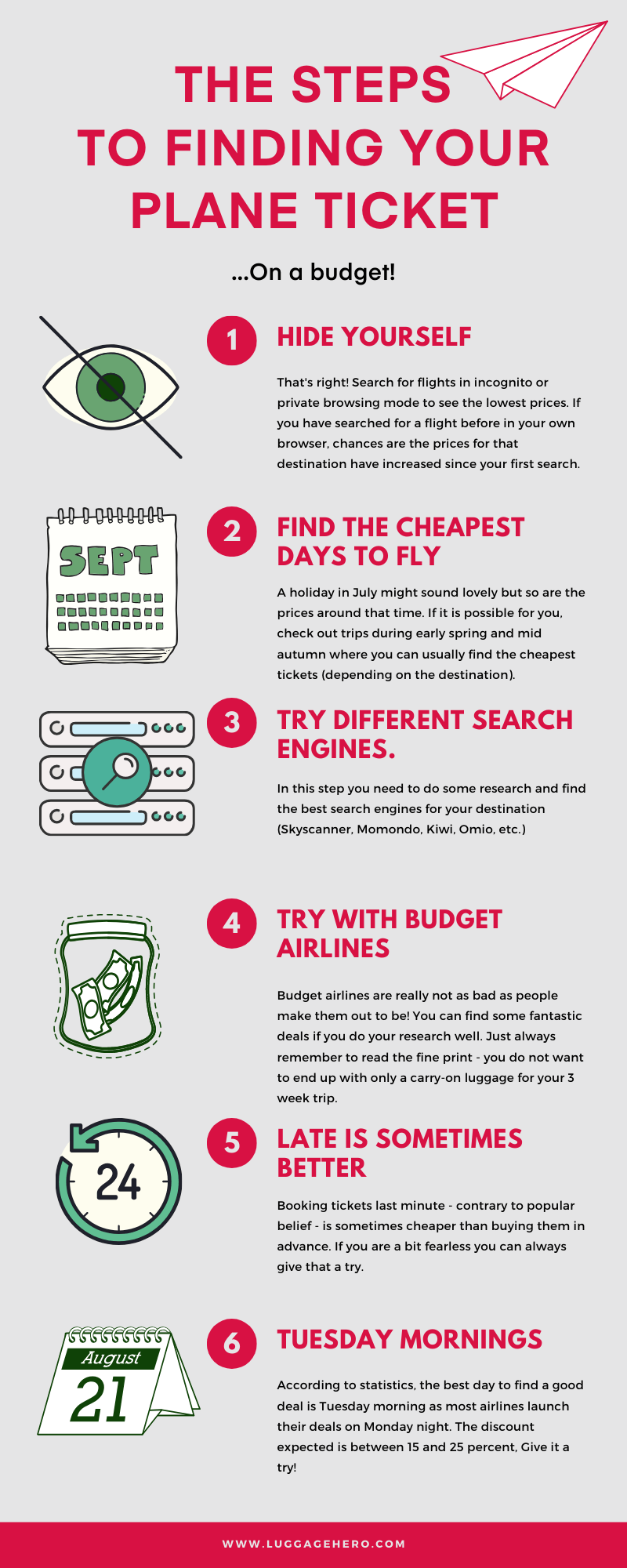
Research consistently indicates that there’s a “Goldilocks Zone” – a sweet spot for booking flights that offers the best balance between availability and price. For international flights, this typically falls between 2 to 8 months in advance. Domestic flights often yield the best prices when booked 1 to 4 months out. Booking too early can mean missing out on sales, while booking too late risks inflated last-minute fares. However, this is a general guideline, and factors like destination popularity, airline sales cycles, and special events can shift this window. The key financial takeaway is to monitor prices diligently within this optimal period, using price tracking tools to inform your booking decision rather than rushing into a purchase.
Embracing Flexibility: Dates, Times, and Departure Airports as Financial Levers
Flexibility is perhaps the single most powerful financial lever in reducing flight costs. Being open to adjusting your travel dates by a few days can yield substantial savings. Flying mid-week (Tuesday, Wednesday, Thursday) is almost always cheaper than weekend travel, and early morning or late-night flights often carry a lower price tag. Similarly, consider flying into or out of alternative, smaller airports near your primary destination. These airports often have lower landing fees for airlines, which can translate into cheaper tickets for passengers, even when factoring in ground transportation costs. This small shift in strategy can sometimes save hundreds of dollars, making it a critical aspect of financially intelligent travel planning.
Budgeting for Your Travel: Setting Realistic Financial Goals
Before even searching for flights, establish a clear financial budget for your entire trip. This isn’t just about the flight; it encompasses accommodation, activities, food, local transport, and an emergency fund. By setting a realistic maximum expenditure for airfare, you can approach your search with financial discipline, preventing impulsive overspending. Use a spreadsheet or a budgeting app to track potential costs. This proactive financial management ensures that securing a great flight deal contributes positively to your overall travel budget, rather than simply moving funds around within an already constrained financial plan. A well-defined budget acts as your financial compass, guiding every decision from flight selection to daily spending.
Leveraging Digital Financial Tools for Smart Spending
The digital age has equipped travelers with an array of sophisticated financial tools designed to streamline the search for affordable flights. These platforms act as your personal financial analysts, sifting through vast amounts of data to present the most cost-effective options.
Aggregator Websites and Price Comparison Engines: Your Digital CFOs
Aggregator websites and price comparison engines like Google Flights, Skyscanner, Kayak, and Expedia are indispensable tools in the quest for affordable airfare. These platforms don’t sell tickets directly; rather, they scour hundreds of online travel agencies (OTAs) and airline websites, presenting you with a consolidated view of available flights and their corresponding prices. Think of them as your digital CFOs, performing rapid financial analysis across the market. They allow you to compare prices across different airlines and booking channels, identify the cheapest dates (often with visual calendars), and even suggest alternative airports. Always cross-reference prices found on these aggregators with the airline’s official website, as sometimes direct bookings offer exclusive deals or better terms and conditions.

Price Alerts and Prediction Tools: Automation for Financial Advantage
One of the most valuable features offered by many flight search platforms is the ability to set up price alerts. Once you’ve identified a desired route and date range, you can subscribe to receive email notifications when the fare drops or rises significantly. This automates the vigilance required to catch price fluctuations, saving you countless hours of manual checking. Some advanced tools, like Google Flights’ price prediction feature, even use historical data and machine learning to forecast whether prices are likely to increase or decrease, empowering you to make a more informed financial decision about when to book. Leveraging these tools transforms a speculative search into a data-driven financial play.
Unlocking Value with Loyalty Programs and Credit Card Rewards
For frequent travelers, loyalty programs and travel credit cards are powerful financial instruments for reducing airfare costs. Earning airline miles or points through flying, co-branded credit cards, or strategic spending can lead to free flights or significant discounts. Understanding the redemption value of these points – often measured in cents per mile – is crucial for maximizing their financial impact. Some travel credit cards offer lucrative sign-up bonuses, annual travel credits, or companion passes that can offset airfare costs dramatically. However, responsible financial management is paramount: only pursue credit cards if you can pay off your balance in full each month to avoid interest charges that quickly negate any travel savings. Strategic use of these financial products can turn everyday spending into future travel opportunities.
Advanced Money-Saving Tactics Beyond the Obvious
While the fundamental strategies are critical, seasoned budget travelers often employ more unconventional tactics to squeeze extra value from their travel budget. These methods require a bit more planning and a willingness to step outside traditional booking patterns.
The Art of Hidden City Ticketing and Self-Connecting Flights (with financial caveats)
Hidden city ticketing involves booking a flight with a layover in your actual desired destination, but with a final destination further on, then simply disembarking at the layover city. This niche tactic can sometimes yield cheaper fares than direct flights to the layover city. Similarly, self-connecting flights involve booking two separate, unrelated flights to reach your destination, often through a budget airline hub, rather than a single ticket with a traditional airline connection. Both strategies can offer significant financial savings.
Financial Caveats: These tactics come with substantial risks and are not recommended for everyone. Airlines often have policies against hidden city ticketing, which can lead to consequences like voided tickets or loss of frequent flyer miles. Self-connecting flights mean you’re responsible for missed connections, re-checking baggage, and potential visa issues during layovers. Always weigh the potential financial savings against these inherent risks and ensure you have ample buffer time between flights if self-connecting. This is a strategy for the financially adventurous and risk-tolerant.
Exploring Alternative Airports: A Direct Path to Lower Costs
As briefly mentioned, expanding your search to include airports beyond your primary target can be a game-changer for your travel budget. Many major cities are served by multiple airports, often with significant price disparities between them due to varying airline operations and airport fees. For example, flying into a smaller, secondary airport might require a slightly longer commute to your final destination, but the savings on airfare can easily outweigh the additional ground transportation cost. Utilize flight search engines’ “nearby airports” or “multi-city” search functions to explore these financially advantageous alternatives. This requires a calculator and a cost-benefit analysis, but the financial payoff can be substantial.
Group Travel Savings and Companion Pass Strategies
Traveling with a group can unlock unique financial advantages. Some airlines or tour operators offer discounted rates for group bookings. Even if a direct group discount isn’t available, booking multiple tickets simultaneously can sometimes ensure you secure the same low fare for everyone before it increases. Additionally, certain airline co-branded credit cards offer “companion passes” as an annual perk, allowing a travel partner to fly for free (or for a nominal fee) when you purchase a full-fare ticket. This perk can represent immense financial value, effectively cutting the cost of two tickets in half. For couples or families, strategically utilizing these passes requires careful financial planning and understanding the specific terms and conditions.
Holistic Financial Management for Your Entire Journey
Finding an affordable flight is a fantastic achievement, but it’s just one component of overall travel finance. A truly financially savvy traveler considers the entire monetary impact of their journey, not just the ticket price.
Factoring In Ancillary Costs: Luggage, Seat Selection, and In-Flight Purchases
The headline flight price rarely tells the full financial story. Budget airlines, in particular, unbundle services, charging extra for everything from checked baggage and carry-on bags to seat selection, priority boarding, and in-flight meals. Even full-service carriers might charge for specific seat assignments or additional baggage. Neglecting these ancillary costs can inflate your travel budget unexpectedly. Always check an airline’s baggage policy and other fees before booking. Sometimes, a slightly more expensive ticket with a full-service airline that includes baggage might be financially equivalent to, or even cheaper than, a basic fare on a budget carrier once all the add-ons are tallied. Proactive financial review of these potential costs is essential.
Currency Exchange and International Transaction Fees: Avoiding Hidden Financial Drain
For international travel, currency exchange rates and international transaction fees on credit or debit cards can quietly erode your travel budget. Banks and credit card companies often levy a foreign transaction fee (typically 1-3%) on purchases made in a foreign currency. Furthermore, relying on airport currency exchange kiosks often means getting unfavorable exchange rates. Financially astute travelers use credit cards with no foreign transaction fees, withdraw local currency from ATMs (using a debit card from a bank that refunds foreign ATM fees), or pre-load travel money cards. Understanding and planning for these monetary exchange dynamics can save you significant amounts over the course of your trip.

Travel Insurance: A Financial Safety Net
While an upfront cost, travel insurance is a critical financial safety net that can protect your investment in an affordable flight and the rest of your trip. Life is unpredictable; flights get canceled, luggage gets lost, and medical emergencies can arise abroad. Without insurance, these unforeseen events can lead to substantial financial losses, potentially far exceeding the cost of your flight. A comprehensive travel insurance policy can cover trip cancellations, delays, medical emergencies, emergency evacuations, and lost baggage, offering peace of mind and protecting your personal finances from catastrophic unexpected expenses. View travel insurance not as an optional expense, but as an essential financial safeguard for your travel investment.
By adopting a disciplined, informed, and strategic approach to travel planning, grounded in sound financial principles, you can consistently unlock affordable flights and make your travel dreams a sustainable reality. The journey to an affordable trip begins with a smart financial mindset.
aViewFromTheCave is a participant in the Amazon Services LLC Associates Program, an affiliate advertising program designed to provide a means for sites to earn advertising fees by advertising and linking to Amazon.com. Amazon, the Amazon logo, AmazonSupply, and the AmazonSupply logo are trademarks of Amazon.com, Inc. or its affiliates. As an Amazon Associate we earn affiliate commissions from qualifying purchases.