
In an increasingly complex financial landscape, mastering the art of bill payment is not merely a chore; it’s a cornerstone of sound personal finance. From utilities and rent to subscriptions and loan repayments, bills are an unavoidable part of modern life. Yet, for many, the process can feel like a labyrinth of deadlines, multiple platforms, and the constant fear of missed payments. This guide aims to demystify bill payment, offering a strategic framework to transform it from a source of stress into a streamlined, efficient, and even empowering aspect of your financial management. By understanding the underlying principles, exploring various methods, and leveraging available tools, you can ensure your financial obligations are met punctually, securely, and with minimal effort.
The Imperative of Timely Bill Payments
Paying bills on time is far more than a simple act of obedience to a due date; it is a fundamental practice that underpins financial stability and future opportunities. The repercussions of delayed or missed payments can cascade across multiple aspects of one’s financial life, impacting everything from immediate cash flow to long-term financial health.
Avoiding Late Fees and Penalties
The most immediate and tangible consequence of a late bill is the imposition of fees and penalties. Creditors and service providers often have strict policies that levy charges for payments received after the due date. These fees, while seemingly minor in isolation, can quickly accumulate. For instance, a $25 late fee on a credit card, a 5% penalty on an overdue utility bill, or an interest charge on a missed loan payment can erode your budget, especially if you’re managing multiple such occurrences. Over time, these avoidable expenses chip away at your savings and reduce the funds available for other essential expenditures or investments. Consistently incurring late fees is a clear indicator of a systemic issue in bill management that needs addressing, as it represents a direct financial drain.
Protecting Your Credit Score
Beyond immediate fees, timely bill payment is a critical determinant of your credit score. Payment history is the single largest factor in calculating your FICO score, typically accounting for 35% of the total. Every on-time payment reinforces a positive credit profile, signaling to lenders that you are a reliable borrower. Conversely, even a single missed payment (especially if it goes unreported for 30 days or more) can significantly damage your score. A lower credit score translates to higher interest rates on future loans (mortgages, car loans, personal loans), making credit more expensive. It can also impact your ability to rent an apartment, get certain types of insurance, or even secure some employment opportunities, as credit checks are increasingly common. Protecting your credit score through diligent bill payment is an investment in your financial future, preserving access to favorable lending terms and broader financial opportunities.
Cultivating Financial Peace of Mind
Perhaps less quantifiable but equally important is the peace of mind that comes with knowing all your bills are paid and accounted for. The mental burden of worrying about overdue bills, the stress of last-minute scrambling, and the anxiety of potential service disconnections can be overwhelming. A structured, proactive approach to bill payment eliminates this stress, freeing up mental energy for other pursuits. When your financial obligations are managed effectively, you gain a sense of control and predictability over your finances, fostering an environment of calm and confidence. This psychological benefit is invaluable, contributing to overall well-being and reducing a common source of daily anxiety.
Exploring Diverse Bill Payment Methods
The landscape of bill payment has evolved dramatically, offering a plethora of options beyond the traditional checkbook. Understanding the various methods available is crucial for choosing the ones that best fit your lifestyle, security preferences, and organizational needs.
Traditional Paper Checks and Mail
Once the dominant method, paying bills by paper check and mail remains an option, though it has significantly declined in popularity. This method involves writing a check, placing it in an envelope with the bill stub, applying postage, and mailing it to the payee. While it offers a physical record and a sense of tangible control, it is the slowest method, subject to mail delays and the risk of loss. It also requires an active supply of checks and stamps, incurring minor costs. This method is best reserved for situations where no other option is available or preferred, or for individuals who prefer a completely offline approach to financial transactions.
Online Banking Bill Pay Services
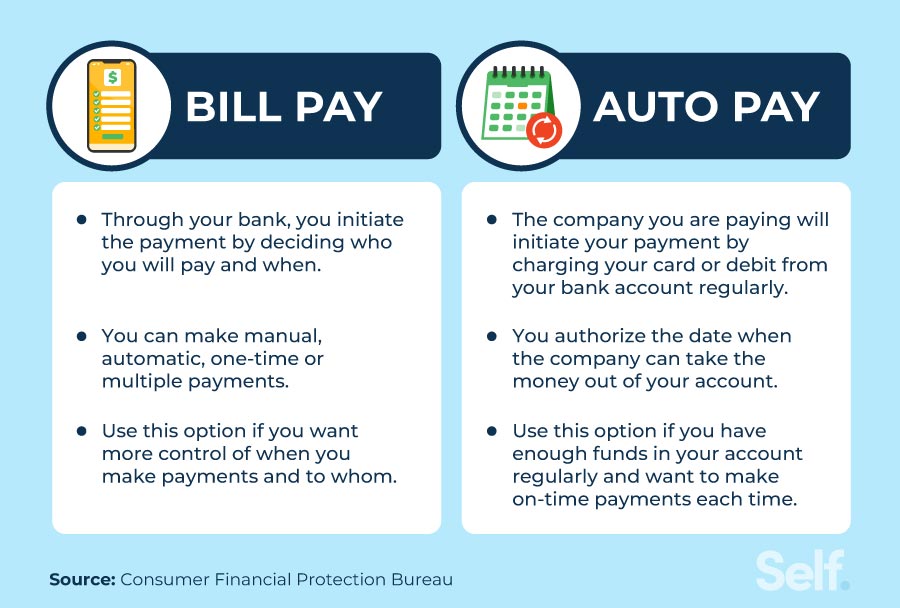
Most banks and credit unions now offer robust online bill pay services. This allows you to set up payees (companies or individuals) directly through your bank’s website or mobile app. You input the payee’s information, the amount, and the desired payment date, and your bank sends the payment electronically (or, in some cases, by check) on your behalf. This method is highly convenient, often free, and provides a centralized platform for managing multiple bills. It also offers a clear digital trail of all payments. The key advantage here is having all your payment activities visible within your primary banking portal, simplifying reconciliation.
Direct Debits and Autopay
Direct debit, often referred to as autopay, is a powerful tool for ensuring timely payments. With this method, you authorize the service provider (e.g., utility company, loan servicer, subscription service) to automatically withdraw the payment directly from your bank account or charge your credit card on the due date. Once set up, it requires no further action, guaranteeing payments are never missed. This is ideal for fixed, recurring bills. However, caution is advised: regularly review statements to catch erroneous charges, and ensure sufficient funds are always available to avoid overdrafts or credit card over-limit fees. Autopay is excellent for certainty but requires careful monitoring.
Third-Party Payment Processors and Apps
A growing number of specialized apps and platforms act as intermediaries for bill payment. Services like PayPal, Venmo (for person-to-person, but some businesses use it), and dedicated bill management apps often allow you to pay a wide range of bills, sometimes consolidating them in one interface. These can be particularly useful for paying individuals or small businesses that don’t have extensive online payment systems. Some apps even offer features like bill aggregation and tracking. While convenient, it’s crucial to verify the security and legitimacy of any third-party service before entrusting them with your payment information.
In-Person Payments and Phone Payments
For those who prefer a more direct approach or deal with providers without online options, in-person payments are still possible. This often involves visiting a physical location (e.g., a utility company office, a post office, or a designated payment center) to pay with cash, check, or card. Similarly, many companies offer the option to pay bills over the phone, usually through an automated system or with a customer service representative. While these methods can be useful in specific situations (e.g., urgent payments, dealing with cash-only vendors), they are generally less efficient and more time-consuming than digital alternatives.
Strategizing for Optimal Bill Management
Beyond choosing payment methods, a systematic approach to managing your bills is essential. Effective strategies can minimize stress, prevent errors, and ensure financial control.
Creating a Centralized Bill Payment System
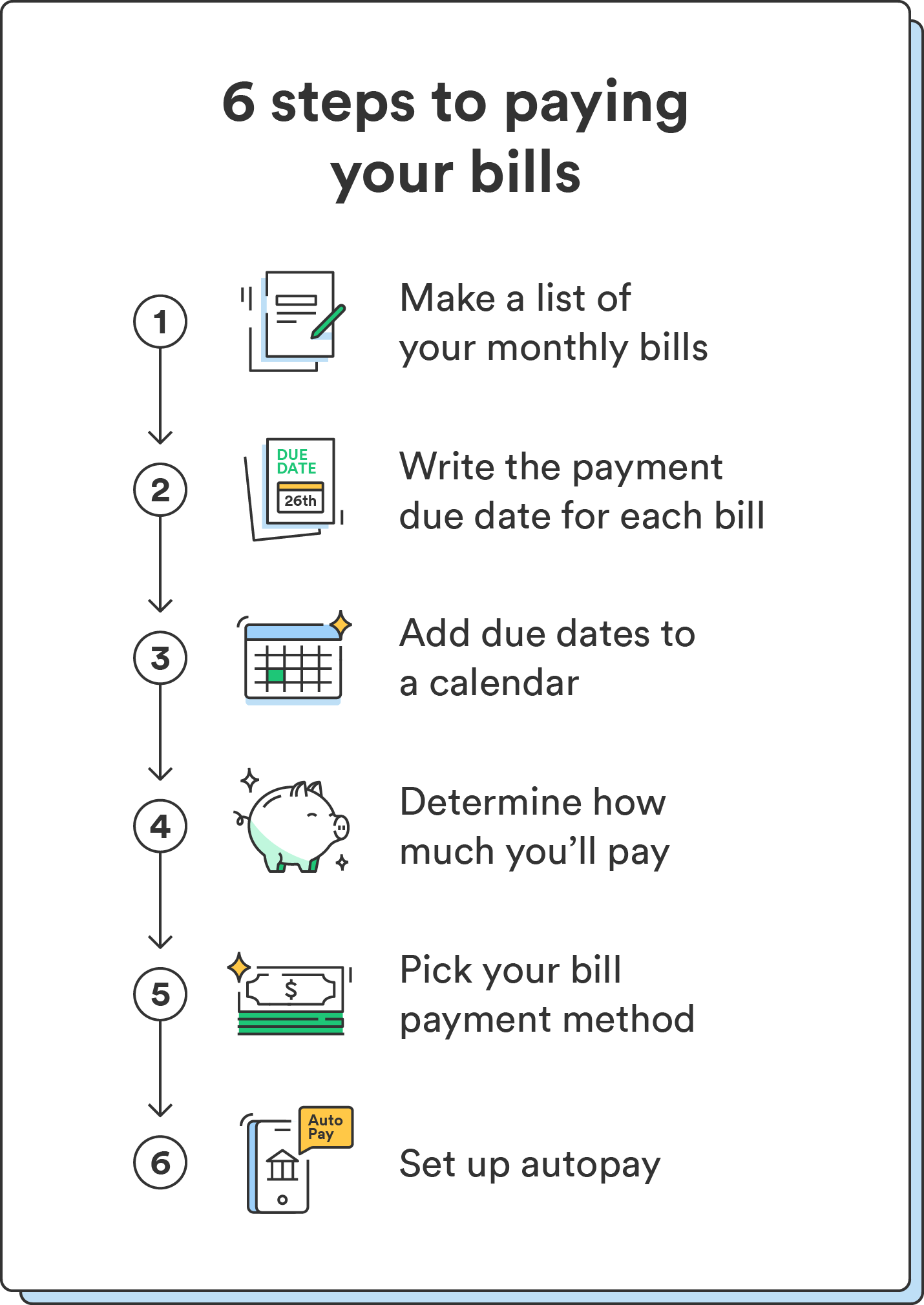
The first step to optimal bill management is establishing a single, consistent system for all your bills. This could be a physical binder for paper statements, a dedicated folder in your email inbox for electronic bills, or a personal finance app that aggregates all your financial accounts. The goal is to avoid scattering bill information across multiple platforms, which can lead to missed deadlines. Once centralized, create a master list of all your bills, including the payee, amount (fixed or variable), due date, and preferred payment method. Regularly updating this list ensures you have a clear overview of your financial obligations at all times.
Setting Up Payment Reminders and Alerts
Even with a centralized system, human error can occur. This is where reminders and alerts become invaluable. Utilize the notification features of your online banking platform, personal finance apps, or even your digital calendar to set up reminders a few days before each bill’s due date. This proactive approach provides a buffer, giving you ample time to initiate payment, especially for bills that are not on autopay. Many utility companies and credit card issuers also offer their own email or SMS alerts for upcoming due dates, payment confirmations, and even low balance warnings. Employing these multi-layered reminders significantly reduces the chance of accidental oversight.
The Power of Automation: When and How to Use It
Automation is the cornerstone of stress-free bill payment for many. For bills with fixed amounts and predictable due dates (e.g., rent/mortgage, loan payments, streaming subscriptions), setting up autopay through direct debit or your bank’s bill pay service is highly recommended. This ensures payments are made consistently and on time, eliminating the need for manual intervention. However, for variable bills (e.g., credit cards, utilities that fluctuate), automation should be approached with more caution. While some services allow for automatic minimum payments, it’s often wiser to review these bills manually before making the full payment to ensure accuracy and to pay more than the minimum if your budget allows. The key is to automate what is safe and predictable, and to actively manage what is variable.
Budgeting for Predictable and Variable Expenses
Effective bill payment is intrinsically linked to effective budgeting. Your budget should clearly delineate funds for both predictable and variable expenses. For predictable bills, allocate the exact amount each month. For variable bills, estimate an average amount and budget accordingly, perhaps setting aside a slightly higher figure to create a buffer. Regularly reviewing your budget against actual expenditures for utilities, groceries, and other fluctuating costs helps you anticipate future bills and avoid surprises. A well-constructed budget ensures that the funds needed for bill payments are always available, preventing the scrambling and anxiety that comes from insufficient funds.
Leveraging Technology for Enhanced Bill Pay Efficiency
The digital age offers a wealth of tools that can dramatically simplify and enhance your bill payment process. Integrating these technologies can lead to greater efficiency, better organization, and improved financial oversight.
Personal Finance Software and Budgeting Apps
Modern personal finance software and mobile budgeting apps (e.g., Mint, YNAB, Personal Capital, Simplifi) offer comprehensive solutions for managing all aspects of your money, including bill payment. These tools can link to your bank accounts, credit cards, and investment portfolios, providing a holistic view of your financial health. Many feature bill tracking, allowing you to manually enter due dates or automatically pull bill information from linked accounts. They can send reminders, categorize expenses, and help you visualize your cash flow, ensuring you always know where you stand financially relative to your upcoming obligations.
Dedicated Bill Pay Platforms
Beyond general budgeting apps, some platforms focus almost exclusively on bill management. Services like Prism (now discontinued but illustrating the concept), Truebill (now Rocket Money), and even features within some banks’ apps aim to consolidate all your bills in one place. They can often auto-detect recurring bills, track due dates, and even facilitate payments directly from the app. Some even offer negotiation services for subscriptions or help identify wasteful spending. These platforms are particularly useful for individuals with numerous bills from different providers, offering a single dashboard for monitoring and action.
Digital Wallets and Mobile Payment Solutions
Digital wallets like Apple Pay, Google Pay, and Samsung Pay, while primarily known for in-store purchases, are increasingly integrated into online bill payment. Many websites and apps now offer “Pay with Apple Pay” or similar options, allowing for quick and secure transactions without needing to manually enter card details. This adds a layer of convenience and often enhanced security, as your actual card number isn’t directly shared with the merchant. While not a complete bill management solution, they streamline the payment execution for individual bills.
Cybersecurity Best Practices for Online Payments
While technology offers immense convenience, it also necessitates vigilance regarding security. When paying bills online, always ensure you are on a secure website (look for “https://” in the URL and a padlock icon). Use strong, unique passwords for all your financial accounts and enable two-factor authentication (2FA) wherever possible. Be wary of phishing emails or suspicious links claiming to be from your billers; always navigate directly to the official website or use trusted apps. Regularly monitor your bank and credit card statements for any unauthorized transactions. Protecting your digital identity is paramount to safe and effective online bill payment.
Troubleshooting and Advanced Tips for Bill Payment
Even with the best systems in place, issues can arise. Knowing how to troubleshoot common problems and implementing advanced strategies can further refine your bill payment process.
What to Do If You Miss a Payment
Missing a payment can be stressful, but it’s not the end of the world.
- Act Immediately: As soon as you realize a payment is missed, pay it.
- Contact the Biller: Call the company’s customer service. Explain the situation politely. If it’s your first time, they might waive the late fee or agree to remove the negative mark from your credit report (especially for credit cards, this is often called a “goodwill adjustment”).
- Document Everything: Keep records of your calls, who you spoke to, what was agreed upon, and any confirmation numbers.
- Learn from It: Identify why the payment was missed and adjust your system (e.g., set more reminders, switch to autopay) to prevent recurrence.
Handling Disputed Bills
Sometimes, a bill may contain an error, or you may dispute a charge.
- Review Thoroughly: Before paying, always review your statements for accuracy.
- Gather Evidence: Collect any relevant documents, emails, or call logs that support your dispute.
- Contact the Biller: Inform the company of the dispute in writing (email or certified mail is best) and follow their dispute resolution process. For credit cards, dispute the charge with your credit card company as well, typically within 60 days of the statement date.
- Pay Undisputed Portions: If only part of a bill is disputed, pay the undisputed amount by the due date to avoid late fees on that portion.
Reviewing and Reconciling Payments Regularly
Even with automation, regular review is crucial.
- Monthly Check-in: Set aside time each month (e.g., the first weekend) to review all your bills, due dates, and payment confirmations.
- Compare Statements: Reconcile your bank and credit card statements against your payment records and the original bills. This helps catch errors, duplicate payments, or missed payments that might not have been caught by alerts.
- Update Records: Ensure your centralized bill list or budgeting app is current with any changes in payment methods, due dates, or biller information.
Future-Proofing Your Bill Pay System
Your financial life isn’t static, and neither should be your bill payment system.
- Annual Audit: Once a year, conduct a comprehensive audit of all your recurring expenses. Are there services you no longer use but are still paying for? Can you negotiate better rates? This is a prime opportunity to prune unnecessary expenses.
- Adapt to Life Changes: Major life events (new job, marriage, moving, new child) often bring new bills or changes to existing ones. Proactively integrate these into your system.
- Stay Informed: Keep abreast of new financial tools, payment technologies, and security best practices. The world of personal finance is constantly evolving, and staying informed can lead to greater efficiency and security.
By implementing these strategies and leveraging the available tools, “how to bill pay” transforms from a question of struggle into a testament to financial mastery. A well-managed bill payment system is not just about avoiding penalties; it’s about building a robust foundation for your entire financial future, granting you the confidence and freedom to focus on your larger financial goals.
aViewFromTheCave is a participant in the Amazon Services LLC Associates Program, an affiliate advertising program designed to provide a means for sites to earn advertising fees by advertising and linking to Amazon.com. Amazon, the Amazon logo, AmazonSupply, and the AmazonSupply logo are trademarks of Amazon.com, Inc. or its affiliates. As an Amazon Associate we earn affiliate commissions from qualifying purchases.