
The seemingly simple question “what diameter is an #8 screw” unlocks a deeper understanding of hardware specifications critical across numerous technological applications, from consumer electronics to complex engineering projects. In the realm of gadgets, computing, and DIY tech, selecting the correct fastener is paramount for functionality, durability, and safety. The #8 screw, a ubiquitous component, holds a specific place in the American Standard (Unified Thread Standard) system, and comprehending its precise dimensions and characteristics is fundamental for any tech enthusiast, designer, or engineer.
Understanding Screw Sizing Conventions in Technology and Engineering
Fastener sizing can often appear arcane, with a mix of numbers, fractions, and various standards. For the #8 screw, we delve into the American Standard system, which uses a gauge number convention for smaller diameters before transitioning to fractional measurements.
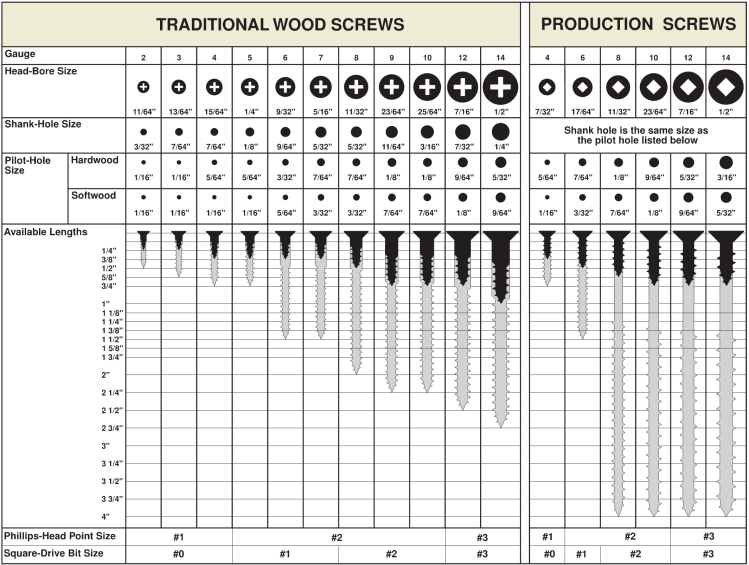
The American Standard: Numbered vs. Fractional Sizes
In the United States and other regions that adhere to the Unified Thread Standard (UTS), screws are typically categorized in one of two ways: by a gauge number or by a fractional inch measurement. The gauge number system is employed for screws with diameters less than 1/4 inch, utilizing a sequence like #0, #2, #4, #6, #8, #10, and #12. Each increment in this number corresponds to a specific increase in the screw’s major diameter. This system exists because calling very small diameters by their precise fractional or decimal inch values (e.g., 0.060 inches, 0.086 inches) would be cumbersome for everyday use and identification.
The #8 designation specifically indicates a screw belonging to this numbered gauge series. It represents a medium-small diameter suitable for a wide array of applications where a robust connection is needed without excessive bulk. The progression from #0 to #12 allows for a finely graded selection of fasteners to match various material thicknesses and load requirements. Beyond #12, screws typically transition to fractional sizes such as 1/4 inch, 5/16 inch, 3/8 inch, and so on, which are measured directly in fractions of an inch.
Imperial vs. Metric Systems in a Globalized Tech Landscape
While the #8 screw is firmly rooted in the imperial (inch-based) system, it’s crucial for anyone working with technology to be aware of the parallel metric system. Metric fasteners are designated by an “M” followed by the nominal major diameter in millimeters (e.g., M2, M3, M4, M5, M6). The global nature of tech manufacturing means that components from different origins might use either standard. For instance, a European-designed gadget might use M3 screws, while an American-designed product might use #4 or #6.
Understanding both systems is not just about identification; it’s about compatibility. Attempting to use an imperial #8 screw in a metric M4 threaded hole, or vice-versa, will result in cross-threading, damage to the fastener or the component, and a compromised connection. While an M4 screw (4mm major diameter) is somewhat close in size to a #8 screw (4.166mm major diameter), they are not interchangeable due to differences in both diameter and thread pitch. This global dichotomy underscores the importance of precise knowledge when procuring parts or performing repairs on modern technological devices.
The Precise Diameter of an #8 Screw
Getting to the heart of the question, the #8 screw holds a specific, standardized diameter that makes it suitable for countless applications.
Decoding the #8 Gauge
An #8 screw has a nominal major diameter of 0.164 inches. When converted to the metric system, this translates to approximately 4.166 millimeters. This “nominal major diameter” refers to the largest diameter of the screw threads, measured from the crest of one thread to the crest of the opposite thread. It is the critical dimension that determines the size of the pilot hole required and the corresponding tapped hole or nut.
It’s important to note that while 0.164 inches is the standard nominal major diameter, minor variations can occur due to manufacturing tolerances. However, these variations are generally minimal and typically do not affect the screw’s intended function or compatibility with standard #8 tapped holes or nuts. Precision engineering, especially in critical tech components, accounts for these minute tolerances to ensure consistent performance.
Pitch and Thread Count: Beyond Just Diameter
The diameter is only half the story. Equally vital for a secure and functional connection is the thread pitch, or thread count. This refers to the number of threads per inch (TPI) for imperial screws or the distance between threads in millimeters for metric screws. For #8 screws, there are two primary thread counts under the Unified Thread Standard:
- #8-32 UNC: This denotes a #8 screw with 32 threads per inch (TPI). UNC stands for Unified National Coarse, indicating a coarser thread pitch. Coarse threads are generally stronger and faster to assemble, less prone to cross-threading, and perform well in softer materials like wood or plastics, or when quick assembly and disassembly are common.
- #8-36 UNF: This denotes a #8 screw with 36 threads per inch (TPI). UNF stands for Unified National Fine, indicating a finer thread pitch. Fine threads offer a higher resistance to loosening from vibration, provide finer adjustment capabilities, and are often preferred in harder materials or where a greater load-bearing capacity and precise adjustments are required in compact spaces.
The choice between UNC and UNF for an #8 screw depends heavily on the application. For instance, in an enclosure where vibration might be an issue, an #8-36 UNF might be preferred. For general assembly into a plastic case, an #8-32 UNC could be more appropriate due to its easier engagement and resistance to stripping in softer materials. Understanding both the diameter and the thread count is crucial for ensuring proper fit and function in any tech assembly.
Applications of the #8 Screw in Modern Technology and Gadgets
The #8 screw’s balanced size and strength make it an invaluable component across a wide spectrum of technological devices and engineering projects. Its versatility allows it to bridge the gap between tiny micro-fasteners and larger structural bolts.
Fastening Components in Consumer Electronics
Within the compact and intricate world of consumer electronics, the #8 screw plays a critical role. It is commonly found securing various components within:
- Personal Computers (PCs) and Laptops: Used for mounting motherboards to standoffs, securing hard drives or SSDs into drive bays, fastening optical drives, and attaching cooling fans or heatsinks. It also frequently appears in securing external panels or internal frames.
- Gaming Consoles: Similar to PCs, #8 screws are employed for internal component mounting, enclosure assembly, and securing power supplies or optical drives.
- Home Appliances and Smart Devices: From mounting circuit boards in smart thermostats to securing panels on smart kitchen appliances, the #8 offers a reliable fastening solution.
- Audio/Video Equipment: Often found in the assembly of speakers, amplifiers, and various AV receivers, especially for mounting internal circuitry or chassis components.

Its size allows for sufficient strength to hold components firmly while being small enough not to add significant bulk or require excessive space within increasingly miniaturized devices.
DIY Tech Projects and Prototyping
For hobbyists, makers, and professional prototypers, the #8 screw is a go-to fastener due to its widespread availability and adaptability.
- 3D Printer Builds: Many open-source 3D printer designs rely on #8 screws for assembling frame components, mounting motors, or securing hotends and build plates. Its strength is adequate for structural integrity in these applications.
- Robotics: From small hobby robots to more complex autonomous vehicles, #8 screws are used for attaching servos, mounting sensor arrays, securing chassis elements, and connecting mechanical linkages.
- Custom PC Cases and Mods: When building custom computer enclosures or adding modifications, #8 screws are often used for mounting custom brackets, reservoirs for liquid cooling, or internal lighting components.
- Electronic Project Enclosures: For securing circuit boards (like Arduino or Raspberry Pi boards) into project boxes, or for attaching external connectors and switches to custom enclosures.
The accessibility and robust nature of the #8 screw make it a favored choice for rapid prototyping and iterative design processes in the tech community.
Specialized Hardware and Networking Equipment
Beyond consumer goods, #8 screws also find applications in more specialized technological hardware, albeit sometimes alongside other standards.
- Rack-Mount Equipment: While #10-32 (UNC) screws are more common for rack mounting (especially for server racks), #8 screws might appear in specific internal assemblies of smaller networking devices, patch panels, or in mounting accessories within a larger rack unit.
- Telecommunications Gear: Used in the assembly of modems, routers, network switches, and other telecommunications infrastructure components where reliable internal fastening is required.
- Scientific and Medical Instrumentation: In certain non-critical assemblies within laboratory equipment or medical devices, #8 screws provide a balance of precision and strength for component integration.
The consistent specification of the #8 screw allows for efficient manufacturing and universal replacement, making it a cornerstone in various aspects of technological design and maintenance.
Choosing the Right Fastener: A Tech Tutorial Perspective
Selecting the correct fastener involves more than just knowing the diameter. A truly robust and durable tech assembly requires attention to several other critical factors, especially for long-term reliability and ease of maintenance.
Considerations Beyond Diameter: Length, Head Type, and Material
- Length: The length of the screw is paramount. It must be sufficient to engage enough threads for a secure connection without being so long that it bottoms out in a blind hole or protrudes excessively, potentially interfering with other components or posing a hazard. For through-holes, ensure enough length for a nut and washer if required.
- Head Type: The head type dictates the tool required for installation and removal, as well as the aesthetic and security aspects.
- Phillips: Most common, easy to find tools, but prone to cam-out (screwdriver slipping out).
- Flat (Slotted): Historically common, but offers poor torque control and easy cam-out. Less common in modern tech.
- Torx (Star drive): Excellent torque transfer, highly resistant to cam-out, often used where high torque is needed or for tamper resistance.
- Hex (Allen): Good torque transfer, often used for machine screws where a flush finish is desired, or in structural applications.
- Pan Head, Flat Head (Countersunk), Button Head, Truss Head: These refer to the shape of the head, influencing how it sits on the surface (flush, raised) and its bearing area.
- Material: The material of the screw influences its strength, corrosion resistance, and suitability for specific environments.
- Steel (Zinc-plated, Black Oxide): Common, strong, inexpensive. Zinc plating adds corrosion resistance, while black oxide offers a matte finish and mild corrosion protection.
- Stainless Steel (304, 316): Excellent corrosion resistance, good strength. Often used in outdoor or damp environments, or where appearance is critical. Type 316 offers superior corrosion resistance in marine or chemical settings.
- Brass: Good corrosion resistance, softer, electrically conductive. Used for decorative purposes or specific electrical connections.
- Nylon/Plastic: Lightweight, non-conductive, corrosion-resistant, but significantly weaker. Ideal for electrical insulation or very light-duty applications.
The Importance of Pilot Holes and Drive Bits
Proper installation is as crucial as correct selection.
- Pilot Holes: For screws engaging into solid material (wood, plastic, metal), a correctly sized pilot hole is vital. In wood, it prevents splitting. In metal or plastic, it guides the screw and ensures proper thread formation or engagement with existing threads. An undersized pilot hole can lead to stripping the screw or the material, while an oversized one reduces holding power.
- Correct Drive Bits: Using the precisely fitting screwdriver bit for the screw head type and size prevents cam-out, damages to the screw head, and potential injury. For Phillips head screws, often P1, P2, P3 are designated for different screw sizes. Similarly, Torx bits are sized (T10, T15, T20, etc.), and Hex bits correspond to the hex socket size.
Stripped Threads and How to Avoid Them
Stripped threads are a common frustration in tech repair and assembly, occurring when the threads on the screw or in the receiving material are damaged, preventing proper tightening.
- Causes: Over-tightening, incorrect pilot hole size, misaligned driving, or using an worn or incorrect drive bit.
- Prevention:
- Always use the correct pilot hole size.
- Apply consistent, firm pressure while driving, especially with Phillips heads, to prevent cam-out.
- Use a torque-limited screwdriver when working with delicate electronics or specific torque requirements.
- Ensure the screw is straight before driving.
- Do not reuse screws from critical assemblies if their threads appear worn or damaged.
Future Trends in Fastening Technology and Smart Assembly
As technology evolves, so too does the science of fastening. The simple #8 screw, while timeless, exists within a dynamic landscape of innovation focused on efficiency, precision, and sustainability.
Miniaturization and Precision Fasteners
The relentless drive towards smaller, more powerful gadgets necessitates fasteners that are equally diminutive and precise. While the #8 screw is a standard medium size, the future sees increasing demand for micro-screws (#0, #00, and even smaller) with incredibly fine threads and specialized materials for micro-electronics, wearables, and advanced sensor arrays. Coatings that enhance durability, reduce friction during assembly, or provide electrical insulation are also becoming more prevalent.
Automation and Robotic Assembly
Modern tech manufacturing relies heavily on automation. Standardized fasteners like the #8 screw are perfectly suited for robotic pick-and-place and automated screwdriving systems. Future advancements will include smarter assembly robots equipped with vision systems and force feedback, capable of precisely identifying screw types, applying exact torque, and even performing self-correction for minor misalignments, further increasing efficiency and reducing defects. Integrated sensor technology within assembly tools will provide real-time data on torque, angle, and successful thread engagement, feeding into quality control systems.

Sustainable Fastening Solutions
With a growing emphasis on environmental responsibility, the future of fastening also includes sustainability. This involves:
- Recyclable Materials: Using screw materials that are easily recyclable at the end of a product’s life.
- Reusable Fasteners: Designing screws and fastening methods that facilitate easy disassembly and reassembly, promoting repairability and modularity, and extending product lifecycles.
- Design for Disassembly (DfD): Products are increasingly being designed with their end-of-life in mind, making it easier to remove fasteners and separate materials for recycling. This can influence choices in screw types (e.g., opting for standard heads over proprietary ones) and the overall fastening strategy.
- Bio-degradable or Biocomposite Fasteners: For certain low-load applications, especially in temporary or disposable tech, there’s research into fasteners made from materials that can naturally degrade, reducing landfill waste.
The #8 screw, a seemingly small detail, underpins much of the physical integrity of our technological world. Its precise diameter of 0.164 inches, combined with its various thread pitches and material options, makes it a critical piece of the engineering puzzle. As technology progresses, the principles behind selecting and utilizing such fasteners will remain fundamental, evolving only in their precision, automation, and environmental consciousness.
aViewFromTheCave is a participant in the Amazon Services LLC Associates Program, an affiliate advertising program designed to provide a means for sites to earn advertising fees by advertising and linking to Amazon.com. Amazon, the Amazon logo, AmazonSupply, and the AmazonSupply logo are trademarks of Amazon.com, Inc. or its affiliates. As an Amazon Associate we earn affiliate commissions from qualifying purchases.