
In an era where global exploration is more accessible than ever, the dream of far-flung adventures often bumps up against the practical realities of personal finance. The cost of airfare stands as a significant gatekeeper for many aspiring travelers, transforming the quest for affordable flights into a strategic financial endeavor. Booking the cheapest flights isn’t merely about luck; it’s a nuanced skill deeply rooted in informed decision-making, strategic timing, and savvy resource utilization, all aimed at maximizing your travel budget. This guide delves into the core financial strategies that empower travelers to unlock incredible value, ensuring their hard-earned money stretches further, making travel aspirations a tangible reality rather than an expensive fantasy.
Mastering the Art of Financial Timing for Flight Bookings
The price of an airline ticket is a volatile commodity, fluctuating based on demand, supply, and a myriad of complex algorithms. Understanding these patterns from a financial perspective is crucial for securing the most economical fares. Strategic timing is your first line of defense against inflated costs.
The Sweet Spot: When to Click ‘Buy’
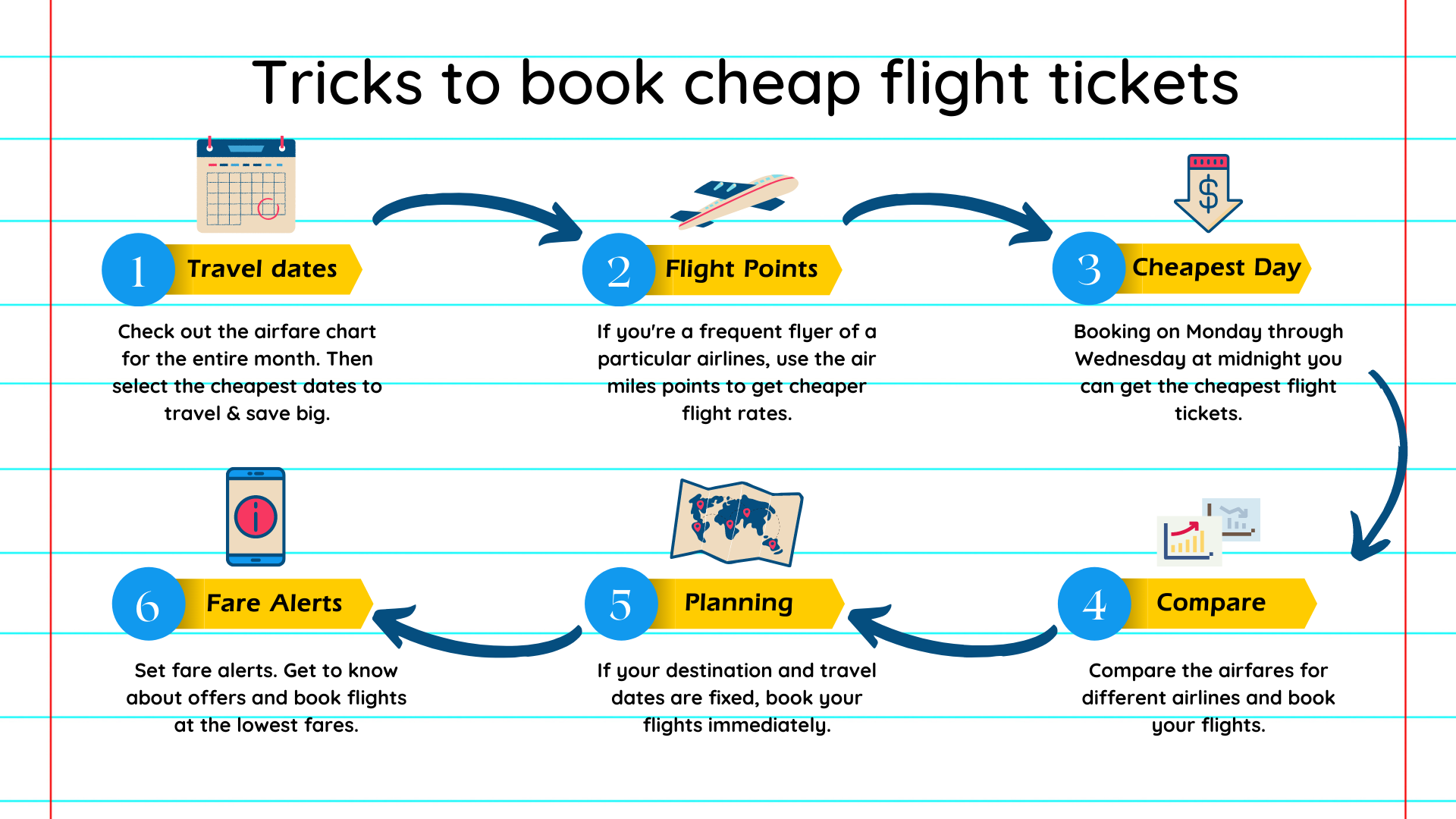
Booking too early or too late can prove costly, highlighting the importance of identifying the optimal financial window. For domestic travel, the “sweet spot” often falls between 2 to 3 months before your departure date. International flights, due to their higher price point and greater planning lead time, typically offer their best value when booked 3 to 6 months in advance. This period allows airlines to gauge demand while still incentivizing early commitments. Deviating from this window often means paying a premium: last-minute bookings face higher prices due to limited availability, while excessively early bookings might miss out on future promotional sales or competitive price drops. Furthermore, consider the financial advantages of traveling during shoulder seasons – the periods just before or after peak travel times. During these months, demand is lower, leading to more competitive flight prices and often more affordable accommodation and activities, yielding significant overall savings.
Leveraging Off-Peak Travel Dates and Times
Flexibility with your travel dates and times is arguably one of the most potent financial tools in your arsenal. Airlines employ dynamic pricing, meaning that the cost of a seat can vary significantly even within the same week. Financially savvy travelers often target mid-week departures and returns (Tuesdays, Wednesdays, and often Saturdays) as these typically see lower demand from business travelers and weekend trippers. Avoiding peak travel days, such as Fridays and Sundays, can result in substantial savings. Similarly, the time of day matters. “Red-eye” flights (overnight), early morning departures, or late-night arrivals are often priced lower due to their less convenient timings. While these options might require a slight adjustment to your routine, the financial benefit can be considerable, making them a worthwhile trade-off for budget-conscious travelers.
The Power of Price Alerts and Predictive Tools
In the digital age, technology offers a powerful ally in the form of price alert systems and predictive analytics. Tools like Google Flights, Skyscanner, and Hopper allow you to track specific flight routes and receive notifications when prices drop. From a financial management perspective, this eliminates the need for constant manual checking, saving you time and ensuring you capitalize on favorable market shifts. Hopper, for instance, even utilizes historical data to predict whether a price is likely to go up or down, offering recommendations on whether to “buy now” or “wait.” Subscribing to these alerts is a passive yet effective strategy to ensure you don’t miss out on a fleeting deal, acting as a watchful financial guardian for your travel budget.
Strategic Financial Maneuvers for Maximizing Savings
Beyond timing, a series of proactive financial maneuvers can dramatically reduce the cost of your airfare, turning potential expenses into significant savings. These strategies require a mindset of flexibility and a willingness to explore alternatives.
Embracing Flexibility: Your Financial Superpower
The adage “flexibility pays” holds profound truth in the realm of flight booking. When you’re not tied to specific dates or destinations, your options for finding financially attractive fares multiply. Being flexible with your departure and return dates, even by a single day, can often unlock significantly cheaper flights. Many flight search engines offer “flexible date” options, allowing you to view a calendar of prices for an entire month, immediately highlighting the cheapest days to fly. Even greater savings can be achieved by being flexible with your destination. Using “Explore” or “Everywhere” search functions on platforms like Google Flights or Skyscanner allows you to see the cheapest destinations from your departure city for a given period, opening up unexpected and affordable travel opportunities. Furthermore, considering alternative airports, especially in major metropolitan areas, can yield considerable savings. While it might involve a slightly longer commute or an additional transit cost, a careful financial calculus often reveals that the flight savings far outweigh the ancillary ground transportation expenses.
The Art of the Layover: Direct vs. Indirect Costs
Direct flights offer convenience and speed, but they often come with a premium price tag. For the budget-conscious traveler, embracing layovers is a critical financial strategy. Analyzing the trade-off between the increased travel time of an indirect flight and the potential savings is essential. Often, a flight with one or two stops can be hundreds of dollars cheaper than a direct route. For those with more time and a spirit of adventure, longer layovers can even be transformed into mini-explorations of a new city, effectively getting two destinations for the price of one flight. This “stopover” strategy is a superb way to maximize the value of your airfare, adding an enriching experience without adding significantly to the travel budget.
Understanding Ancillary Fees and Hidden Costs

The sticker price of a flight often doesn’t tell the whole financial story. Budget airlines, in particular, are notorious for their reliance on ancillary fees, which can quickly inflate the total cost of your trip if not properly budgeted for. Baggage fees are a prime example: a seemingly cheap flight can become expensive if you need to check a bag. Financially astute travelers either pack light enough for a carry-on only (often included or cheaper) or factor these costs into their initial comparison. Other hidden costs include seat selection fees, priority boarding, and in-flight services. Before booking, calculate the true cost of the flight by adding up all necessary additional fees. Sometimes, a slightly more expensive full-service airline that includes baggage, meals, and seat selection can end up being more financially advantageous than a budget carrier that charges for every extra.
Leveraging Financial Tools and Smart Spending Habits
In the quest for cheap flights, utilizing the right financial tools and adopting smart spending habits can significantly impact your bottom line, transforming how you approach travel expenses.
Utilizing Flight Comparison Engines Wisely
Flight comparison engines are invaluable financial aggregators, scouring the internet to present you with a wide array of options across different airlines and online travel agencies (OTAs). Platforms like Skyscanner, Google Flights, Kayak, and Expedia are designed to save you money by providing a consolidated view of the market. However, their use requires a strategic approach. Always enable incognito or private browsing mode when searching for flights. This prevents websites from tracking your browsing history and potentially engaging in dynamic pricing, where prices may increase based on repeated searches for the same route, a subtle financial manipulation. After identifying promising options on comparison sites, it’s often financially prudent to check the airline’s official website directly. Sometimes, airlines offer slightly better deals or exclusive promotions on their own sites, or they might not appear on certain aggregators, ensuring you don’t miss out on the absolute lowest fare.
The Strategic Use of Credit Card Rewards and Miles
For those who manage credit responsibly, travel credit cards can be an incredibly powerful financial instrument for reducing flight costs. Many cards offer generous sign-up bonuses in points or miles, which alone can cover the cost of a domestic or even an international flight. Earning miles through everyday spending, coupled with strategic redemption, allows you to effectively “pay” for flights without drawing from your cash reserves. Look for cards that offer bonus points on travel-related spending or specific airline partnerships. Understanding the value of points (e.g., how many points for a flight vs. a cash equivalent) and knowing when and how to redeem them for maximum financial gain is key. Crucially, this strategy relies on responsible credit use, avoiding interest charges by paying off balances in full each month, as the interest incurred would quickly negate any travel rewards.
Budgeting for the Entire Travel Experience
Booking a cheap flight is a fantastic financial win, but it’s only one component of the broader travel budget. A truly financially savvy traveler approaches the entire trip holistically. Saving money on airfare frees up capital for other essential travel expenses such as accommodation, ground transportation, food, activities, and even emergency funds. Before even booking a flight, create a comprehensive travel budget that accounts for all these elements. This ensures that the low flight cost doesn’t lead to overspending in other areas, ultimately compromising your overall financial health. By visualizing the entire cost, you can make more informed decisions, like choosing a budget-friendly city hotel over a premium resort, or opting for public transport over taxis, all contributing to a financially sustainable travel experience.
Advanced Financial Strategies for the Savvy Traveler
For those willing to delve deeper, a few advanced financial strategies can unlock even greater savings, catering to a more proactive and risk-tolerant approach to flight procurement.
Error Fares and Price Glitches: High-Risk, High-Reward
Error fares, or “mistake fares,” are genuine pricing errors made by airlines or online travel agencies, resulting in incredibly low, often unbelievable, prices for flights. These glitches can arise from currency conversion mistakes, human error, or technical issues. Discovering and capitalizing on an error fare is a high-reward strategy, as they can represent savings of 70% or more. However, they are also high-risk. Airlines are not always obligated to honor error fares, especially if the price difference is substantial, and they might cancel your ticket, refunding your money. The strategy here is often to “book first, ask questions later,” as these deals disappear rapidly. Following dedicated deal sites, travel forums, and social media accounts that track these specific types of financial anomalies is essential for catching them when they occur.
Open-Jaw and Multi-City Tickets: Creative Cost-Cutting
Traditional round-trip tickets are convenient, but they aren’t always the most financially efficient option, especially for itineraries involving multiple destinations. Open-jaw tickets, where you fly into one city and depart from another (e.g., flying into London and out of Paris), can often save money by eliminating the need to backtrack to your arrival city. Multi-city tickets, which allow you to fly between several different cities within a single booking, can also be a creative cost-cutting measure. By breaking up a complex itinerary into separate legs and strategically choosing different airlines or even different modes of transport for certain segments, you can sometimes piece together a financially superior travel plan compared to booking multiple one-way flights or a standard round-trip. These options require more research and planning but can yield significant financial benefits.

The Power of Travel Hacking Communities and Resources
The collective wisdom of online communities focused on travel hacking and frugal travel is an invaluable financial resource. Websites, forums (like FlyerTalk or specific Reddit communities), and newsletters dedicated to finding flight deals, error fares, and optimizing credit card rewards provide a constant stream of up-to-date information and tips. Subscribing to email newsletters from deal aggregators like The Flight Deal, Scott’s Cheap Flights, or similar services can alert you to fleeting opportunities. These communities are not just about finding cheap flights; they offer a wealth of knowledge on how to maximize loyalty programs, understand fare rules, and leverage various financial loopholes to make travel more affordable. Engaging with these resources transforms flight booking from a simple transaction into an ongoing financial education.
In conclusion, booking the cheapest flights is a sophisticated financial pursuit, rewarding diligence, flexibility, and a strategic approach to spending. It’s about understanding market dynamics, leveraging technological tools, and adopting financially savvy habits. By mastering the art of timing, embracing flexibility, meticulously accounting for all costs, and strategically utilizing financial resources like credit card rewards and community insights, travelers can dramatically reduce their airfare expenses. This not only makes travel more accessible but also empowers individuals to allocate their saved funds towards enriching experiences, further travels, or other personal financial goals. View flight booking not as a mere purchase, but as an integral part of your overall personal financial management – a skill that opens doors to new adventures without compromising your financial well-being.
aViewFromTheCave is a participant in the Amazon Services LLC Associates Program, an affiliate advertising program designed to provide a means for sites to earn advertising fees by advertising and linking to Amazon.com. Amazon, the Amazon logo, AmazonSupply, and the AmazonSupply logo are trademarks of Amazon.com, Inc. or its affiliates. As an Amazon Associate we earn affiliate commissions from qualifying purchases.