
The question “What bank is Credit One?” often arises from consumers who hold or are considering applying for a Credit One credit card. Unlike many credit card products that are issued by a bank under a co-branded partnership (e.g., a store credit card issued by a major bank), Credit One is, in fact, its own distinct financial institution. Specifically, Credit One Bank, N.A., operates as a federally regulated national bank headquartered in Las Vegas, Nevada. This distinction is crucial for understanding its operations, regulatory framework, and its unique position within the broader financial services industry. Established in 1984, Credit One Bank has carved out a significant niche, primarily focusing on offering credit card products to a specific segment of the American population. Its status as a National Association (N.A.) means it is chartered and regulated by the Office of the Comptroller of the Currency (OCC), a bureau of the U.S. Department of the Treasury. This regulatory oversight ensures its adherence to national banking laws and provides a degree of stability and consumer protection, akin to other prominent national banks. For consumers, recognizing Credit One as a bank in its own right, rather than just a credit card brand, clarifies its operational independence and its direct responsibility for the financial products it issues.
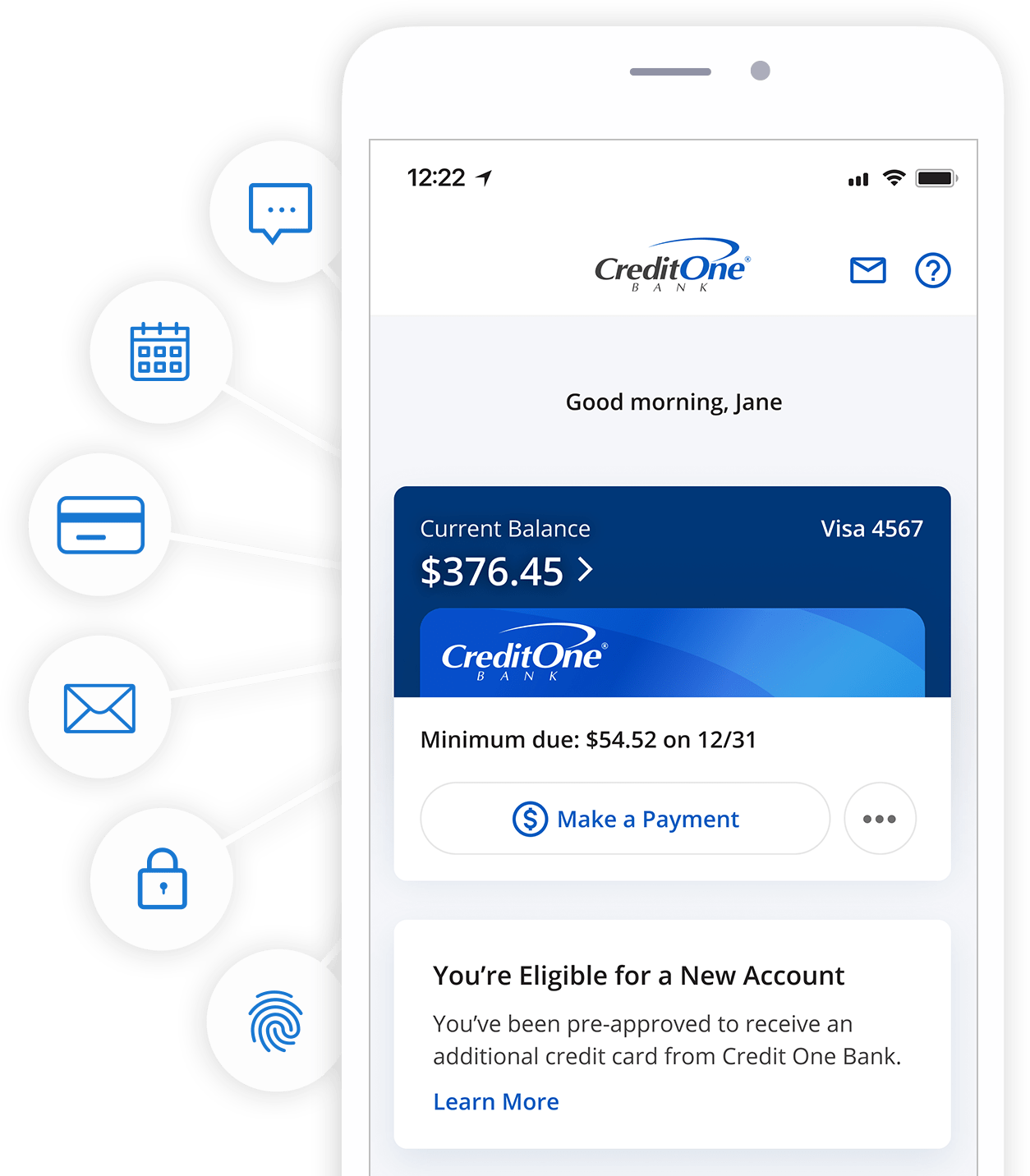
Credit One’s Unique Niche in the Financial Landscape
Credit One Bank has strategically positioned itself within a specific segment of the credit market, differentiating itself from prime lenders and traditional full-service banks. Its business model is largely predicated on serving consumers who are looking to establish, rebuild, or improve their credit scores. This focus impacts every aspect of its product design, marketing, and operational strategies, making it a critical player for millions of Americans navigating their financial journeys.
Serving the Subprime and Rebuilding Credit Markets
Credit One Bank primarily targets individuals with fair, poor, or limited credit histories. This demographic often finds it challenging to secure credit from mainstream lenders who prioritize applicants with high credit scores and extensive credit histories. By offering accessible credit options, Credit One helps these consumers gain access to financial tools that can be instrumental in improving their creditworthiness. Many of its cardholders have been turned down by other institutions, making Credit One a viable, and sometimes only, option for obtaining an unsecured credit card. This focus is a double-edged sword: while it provides opportunities for credit-challenged individuals, it also means that the terms and conditions associated with these cards often reflect the higher risk profile of its customer base. Understanding this market position is key to evaluating the suitability of Credit One’s products for one’s personal financial situation.
Product Offerings and Revenue Streams
While Credit One Bank’s primary focus is credit cards, its suite of products is designed to cater to the specific needs of its target audience. The bank offers a variety of unsecured credit cards, often with benefits such as cash back rewards, although these usually come with specific conditions and may be capped. Some of its products might also feature benefits like free credit score access, aiming to empower users with tools for financial management. In some cases, Credit One may also offer secured credit card options, which require an upfront deposit that serves as collateral, providing another pathway for those with very poor credit to begin rebuilding.
The bank’s revenue model is largely driven by interest income and various fees. Given the higher risk associated with its customer base, Credit One cards typically carry higher Annual Percentage Rates (APRs) compared to prime credit cards. Additionally, common fees include annual fees, late payment fees, and sometimes even program or monthly maintenance fees. These fees are a significant component of Credit One’s profitability, allowing it to manage the increased risk of lending to consumers with less-than-perfect credit. For consumers, transparently understanding these charges before committing to a card is paramount to avoid unexpected costs and to ensure the card aligns with their financial goals and ability to manage debt responsibly.
Understanding Credit One’s Credit Card Products
Credit One Bank’s credit card offerings are diverse, designed to meet a spectrum of needs within its target market. Understanding the nuances of these products is essential for consumers considering them as part of their personal finance strategy. The features, benefits, and costs associated with Credit One cards are specifically tailored to individuals who may not qualify for prime credit cards, making them unique in the competitive credit card market.
Types of Credit One Cards
Credit One offers various types of credit cards, primarily categorized by the level of credit needed for approval and the benefits offered. Most are unsecured credit cards, meaning they do not require a security deposit. These unsecured cards often come with different tiers, such as “Platinum” or “Rewards,” each with varying credit limits, annual fees, and reward structures. For example, some cards might offer 1% cash back on eligible purchases, while others might focus on travel points or specific spending categories. The approval process for these cards often considers factors beyond just a traditional credit score, including income and existing debt, making them more accessible.
In addition to unsecured options, Credit One has historically offered or may offer secured credit cards. A secured card requires a cash deposit, which typically becomes the credit limit. This type of card is often recommended for individuals with very poor credit or no credit history, as it minimizes risk for the issuer while providing a tool for the cardholder to build a positive payment history. Over time, responsible use of a secured card can lead to eligibility for an unsecured card, either with Credit One or another lender.
Features and Benefits for Specific Borrowers
The primary benefit of a Credit One card for its target demographic is access to credit. For many, it’s a crucial stepping stone to establishing or re-establishing a positive credit history. Consistent on-time payments and keeping balances low can significantly improve a cardholder’s credit score over time, opening doors to better financial products in the future. Many Credit One cards also offer tools like free online access to credit scores and credit education resources, empowering cardholders to monitor their progress and make informed financial decisions.
However, these benefits often come with specific terms. Credit limits on Credit One cards are typically lower than those offered by prime lenders, often starting from a few hundred dollars. The APRs are generally on the higher end, reflecting the increased risk profile of the borrowers. Annual fees are also common, ranging from moderate to significant, and are often charged upfront or within the first billing cycle. Some cards may also have other fees, such as foreign transaction fees or cash advance fees. These terms necessitate careful consideration of the true cost of the card and whether the benefits outweigh these expenses.
Considerations for Applicants
Before applying for a Credit One card, prospective cardholders should conduct thorough research and self-assessment. It is crucial to read the cardholder agreement carefully, paying close attention to the APR, annual fees, late payment penalties, and any other associated charges. Understanding the total cost of ownership is vital. Applicants should also assess their ability to make timely payments, as missing payments can quickly erode any credit-building benefits and lead to increased debt and further damage to credit scores.

For individuals looking to rebuild credit, a Credit One card can be an effective tool if used responsibly. This means keeping balances low, ideally below 30% of the credit limit, and paying the full statement balance on time every month. While higher APRs can be intimidating, consistent payment in full can help avoid interest charges altogether. Ultimately, a Credit One card should be viewed as a short-to-medium-term stepping stone on a path to better credit, rather than a long-term solution, especially if more favorable terms become available from other lenders as one’s credit score improves.
Navigating Your Financial Journey with Credit One
For many consumers, a Credit One credit card represents a vital instrument in their personal finance toolkit, particularly for those on a path to credit rehabilitation or establishment. Effectively managing this tool is paramount to leveraging its potential benefits while mitigating the risks associated with higher interest rates and fees.
Managing Your Account Effectively
Responsible account management is the cornerstone of success with any credit product, and particularly so with cards designed for credit building. The first and most critical step is to make all payments on time, every time. Payment history is the single largest factor in credit score calculations, accounting for 35% of a FICO score. Even a single late payment can significantly damage a credit score and incur costly late fees. Setting up automatic payments for at least the minimum due can be an effective strategy to avoid missed deadlines.
Secondly, it’s crucial to maintain a low credit utilization ratio. This ratio compares the amount of credit you’re using to your total available credit. Experts generally recommend keeping this ratio below 30%, but ideally even lower, like 10-20%, for optimal credit score improvement. For example, if your Credit One card has a $500 limit, strive to keep your balance below $150. Using a high percentage of your available credit signals higher risk to credit bureaus, potentially hindering your credit score growth. Regularly checking your account statements and monitoring your balance against your credit limit will help maintain this discipline.
Leveraging Credit One for Credit Improvement
A Credit One card can be a powerful catalyst for credit improvement when used strategically. Consistent, responsible usage reports positive activity to the major credit bureaus (Experian, Equifax, and TransUnion), which is instrumental in building a robust credit history. Over time, as your payment history lengthens and your credit utilization remains low, you will likely see an increase in your credit score.
As your credit score improves, Credit One Bank may, at its discretion, increase your credit limit. While a higher limit is generally positive for your credit utilization ratio (assuming your spending doesn’t increase proportionally), it’s important to use it wisely. Continuously review your credit reports for accuracy and monitor your score regularly to track your progress. Once your credit score reaches a ‘good’ or ‘excellent’ range (typically FICO scores above 670), you may qualify for credit cards with lower APRs, no annual fees, and more generous rewards programs from other financial institutions, allowing you to transition to more favorable financial products.
Comparing Credit One to Other Financial Institutions
When considering a Credit One card, it’s beneficial to understand its position relative to other financial institutions. For individuals with limited or challenged credit, Credit One often fills a gap where larger, prime lenders like Chase, American Express, or Bank of America may not offer products. These prime lenders cater to consumers with strong credit scores, offering premium rewards and low APRs.
However, for those with improving credit, comparing Credit One’s offerings to mid-tier banks, credit unions, and even other subprime lenders is crucial. Credit unions, for example, often offer competitive rates and more personalized service to their members, even for those with fair credit. Online banks and fintech companies are also emerging with credit-building products that might have different fee structures or rewards. The objective should always be to find the credit product that offers the most favorable terms for your current credit profile and helps you achieve your financial goals with the lowest possible cost. A Credit One card can be an excellent starting point, but it’s important to keep an eye on the broader market as your financial health improves.
Regulatory Oversight and Consumer Protections
As a national bank, Credit One Bank, N.A., operates within a robust regulatory framework designed to ensure financial stability, fairness, and consumer protection. This oversight is critical for consumers to understand, as it provides avenues for recourse and ensures the bank adheres to specific operational standards.
The Role of the OCC and FDIC
Credit One Bank, N.A., is chartered by the Office of the Comptroller of the Currency (OCC). The OCC is an independent bureau of the U.S. Department of the Treasury that supervises, regulates, and charters all national banks and federal savings associations. Its primary mission is to ensure that these institutions operate in a safe and sound manner, provide fair access to financial services, and comply with applicable laws and regulations. For Credit One, this means the OCC monitors its capital adequacy, asset quality, management, earnings, liquidity, and sensitivity to market risk. This strict supervision aims to prevent failures and protect the national banking system.
Furthermore, Credit One Bank accounts are insured by the Federal Deposit Insurance Corporation (FDIC). The FDIC is an independent agency of the United States government that protects depositors in the case of a bank or savings association failure. Each depositor is insured up to at least $250,000 per insured bank, per ownership category. While Credit One is primarily known for its credit cards, its status as an FDIC-insured institution provides confidence for any potential deposit accounts it might offer or for funds held by customers, reassuring them that their money is safe. This dual layer of oversight by the OCC for operations and the FDIC for deposit insurance underpins the reliability and trustworthiness of Credit One as a national banking entity.
Consumer Financial Protection Bureau (CFPB) & Your Rights
Beyond the direct oversight of the OCC and FDIC, Credit One Bank, like all financial institutions offering consumer financial products, is also subject to the regulations and enforcement actions of the Consumer Financial Protection Bureau (CFPB). The CFPB is a U.S. government agency responsible for protecting consumers in the financial marketplace. It works to make markets for consumer financial products and services fair, transparent, and competitive. This includes overseeing credit cards, mortgages, and other financial products.
The CFPB has broad authority to write rules, supervise companies, and enforce federal consumer financial laws. It is also a critical resource for consumers who have complaints or questions about financial products. If a Credit One cardholder encounters issues such as unfair billing practices, unexpected fees, or difficulties resolving disputes directly with the bank, they have the right to submit a complaint to the CFPB. The Bureau will then typically forward the complaint to the company and work to get a response, often facilitating a resolution. Understanding the role of the CFPB empowers consumers with knowledge of their rights under laws like the Truth in Lending Act (TILA) and the Fair Credit Reporting Act (FCRA), ensuring that institutions like Credit One adhere to practices that protect consumers from deceptive or abusive financial practices. Utilizing these regulatory bodies offers a crucial layer of protection for individuals engaging with Credit One Bank.
aViewFromTheCave is a participant in the Amazon Services LLC Associates Program, an affiliate advertising program designed to provide a means for sites to earn advertising fees by advertising and linking to Amazon.com. Amazon, the Amazon logo, AmazonSupply, and the AmazonSupply logo are trademarks of Amazon.com, Inc. or its affiliates. As an Amazon Associate we earn affiliate commissions from qualifying purchases.