
Navigating the complexities of personal finance can often feel like deciphering a cryptic code, especially when it comes to bank fees. Among the most common and often frustrating charges are overdraft fees. For account holders with Chase, one of the largest financial institutions in the United States, understanding “how much is the overdraft fee for Chase” is not just a matter of curiosity; it’s a critical component of effective financial management. These fees, while seemingly minor individually, can accumulate rapidly, eroding savings and adding unnecessary stress to your financial life. This comprehensive guide will demystify Chase’s overdraft policies, break down the costs, and equip you with strategies to avoid them, ensuring greater control over your financial well-being.

Understanding Chase’s Overdraft Policy and Fees
An overdraft occurs when you make a transaction—be it a debit card purchase, an ATM withdrawal, a check, or an automatic payment—for an amount greater than the available balance in your checking account. To cover the transaction, Chase may pay it, resulting in a negative account balance and, typically, an overdraft fee. Understanding the nuances of Chase’s specific policies is the first step toward managing these potential charges effectively.
The Standard Overdraft Fee Structure
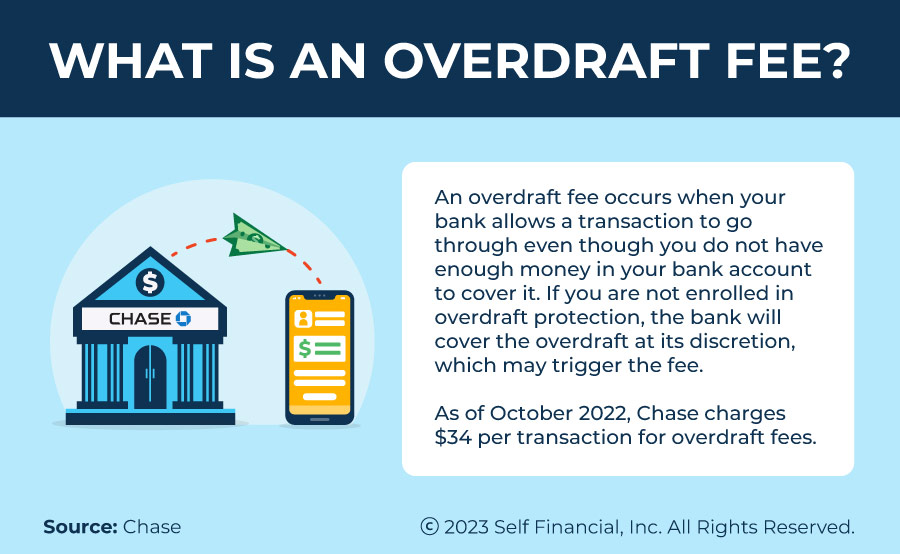
Chase’s standard overdraft fee is a flat charge applied each time your account is overdrawn and they cover the transaction. While specific fee amounts can change and are always subject to the latest terms and conditions, historically, Chase has charged $34 per overdraft. It’s crucial to note that this fee can be applied for each transaction that overdraws your account.
However, there are important limits to prevent these fees from spiraling out of control:
- Daily Limit: Chase typically limits the total number of overdraft fees they will charge in a single day. For instance, they might cap the fees at a maximum of three overdraft fees per day for consumer checking accounts. This means even if you have five transactions that overdraw your account on the same day, you might only be charged for three of them, totaling $102 (3 x $34). This limit is a small comfort, but it underscores the potential for significant daily costs.
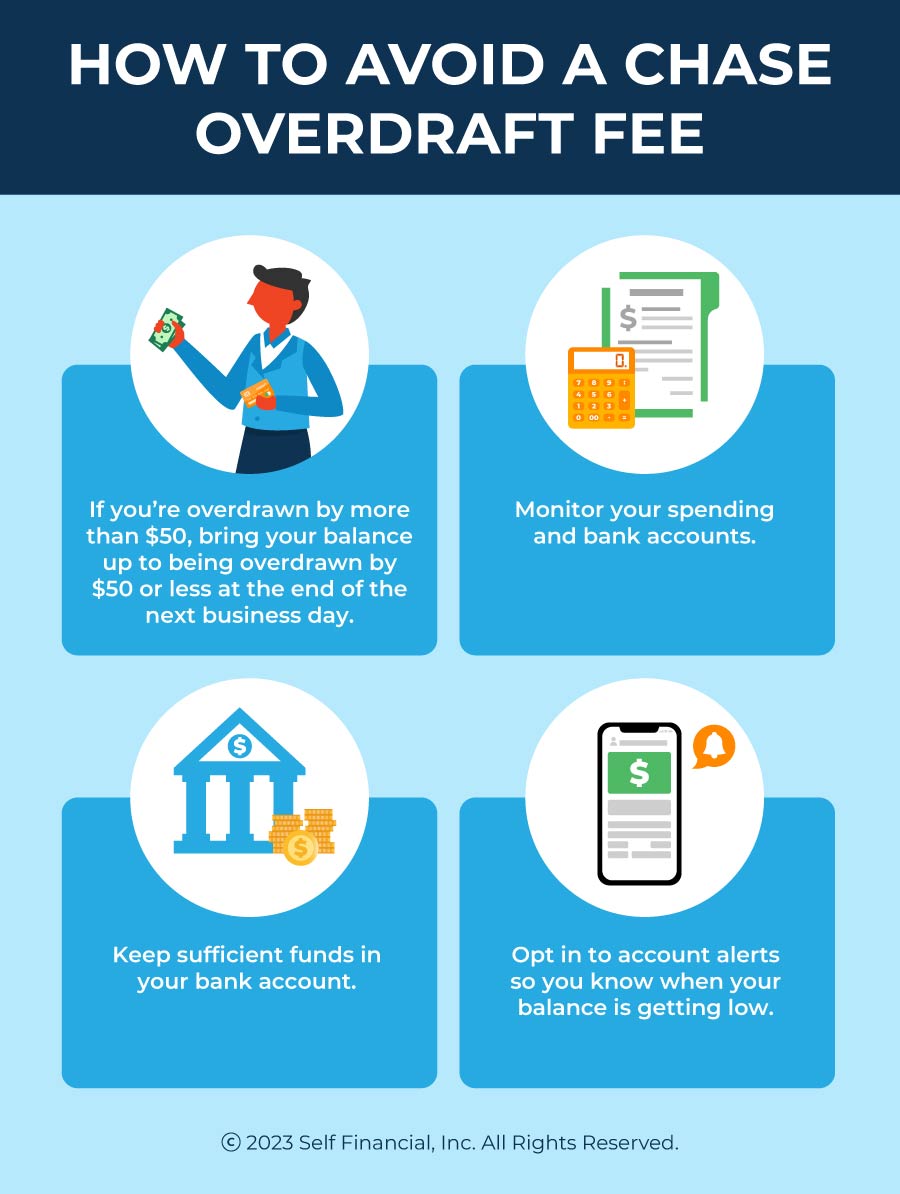
- Minimum Overdraft Amount: Chase generally has a “de minimis” threshold. If your account is overdrawn by a very small amount (e.g., less than $5 or $50, depending on their current policy), they may not charge an overdraft fee. This policy is designed to offer a small buffer for minor discrepancies, but it shouldn’t be relied upon as a regular financial strategy. Always verify the current minimum overdraft amount directly with Chase or their account disclosures.
- Grace Period: Some banks offer a grace period, allowing you to deposit funds to cover an overdraft before a certain cut-off time on the same business day to avoid a fee. Chase’s policies on grace periods can vary, but generally, the expectation is that funds are available at the time of the transaction. Checking your available balance regularly is paramount.
Overdraft Services: Standard vs. Overdraft Protection
Chase offers different ways to manage potential overdrafts, which account holders can typically opt into or out of.
- Standard Overdraft Service (for everyday debit card transactions and ATM withdrawals): By default, Chase will not authorize and pay everyday debit card transactions and ATM withdrawals that would overdraw your account unless you opt-in to this service. If you opt-in, Chase may authorize and pay these transactions at their discretion, and if they do, you will be charged the standard overdraft fee. If you do not opt-in, these transactions will simply be declined, and no fee will be charged. This “decline” option is often the safest bet for those looking to strictly avoid fees. For checks, ACH payments, and recurring debit card transactions, Chase may still pay them and charge an overdraft fee, even if you haven’t opted into the standard service for everyday transactions.
- Overdraft Protection Service: This is a separate, proactive measure that links your checking account to another Chase account or credit line to automatically cover overdrafts.
- Savings Account Linkage: You can link your Chase checking account to a Chase savings account. If you overdraw your checking account, funds are automatically transferred from your savings account to cover the deficit. This transfer is typically free of charge, making it the most cost-effective form of overdraft protection. However, you must have sufficient funds in your savings account to cover the overdraft.
- Credit Card or Line of Credit Linkage: Alternatively, you can link your checking account to a Chase credit card or a Chase Line of Credit. If you overdraw your checking account, funds are advanced from your linked credit product to cover the transaction. While this prevents an overdraft fee, you will likely incur interest charges on the advanced amount from the credit card or line of credit, similar to a cash advance, and potentially cash advance fees if applicable to your credit product. It’s often cheaper than an overdraft fee but still comes with a cost if not paid back quickly.
Choosing the right overdraft service involves weighing convenience against cost. For most, linking to a savings account is the preferred strategy.
The Financial Impact of Overdraft Fees
While a $34 fee might seem manageable in isolation, the true cost of overdrafts extends beyond the single transaction, impacting your financial health in several ways.
The Cumulative Cost
The most immediate impact is how quickly multiple fees can accumulate. If you incur three overdraft fees in a single day, you’ve spent $102 that could have gone towards groceries, utilities, or savings. If this happens even once a month, that’s over $1,200 per year wasted on fees. This cumulative cost represents a significant drain on your disposable income and can derail your budgeting efforts. These funds are essentially non-productive, offering no return and diminishing your available capital.
Beyond the Fee: Credit and Account Implications
While occasional overdrafts usually do not directly impact your credit score, chronic overdrawing can have more severe consequences:
- Account Closure: Banks monitor account activity. Frequent overdrafts and consistent negative balances can signal high risk. If your account is repeatedly overdrawn and fees go unpaid, Chase may eventually close your account.
- ChexSystems Reporting: If Chase closes your account due to unpaid overdrafts, they may report this information to ChexSystems, a consumer reporting agency that banks use to assess risk for new account applicants. A negative ChexSystems report can make it difficult, if not impossible, to open a new checking or savings account at other financial institutions for several years. This can force individuals into less favorable banking alternatives, such as prepaid debit cards or check-cashing services, which often come with their own set of fees.
- Increased Financial Stress: Living paycheck to paycheck is challenging enough. The unexpected burden of overdraft fees can compound financial stress, leading to a cycle of debt and anxiety. It can hinder your ability to save, invest, or plan for future financial goals.
Strategies to Avoid and Manage Overdraft Fees
Avoiding overdraft fees is primarily about proactive account management and disciplined spending. Here are robust strategies to keep your balance positive and your wallet full.
Proactive Account Monitoring
Technology is your best friend here.
- Mobile Banking Apps: Utilize the Chase Mobile App to check your account balance frequently. Most apps offer real-time balance updates and transaction histories.
- Online Banking: Regularly log into your Chase online banking portal from a computer to get a comprehensive view of your finances.
- Balance Alerts and Transaction Notifications: Set up alerts through Chase’s banking services. You can receive text or email notifications when your balance falls below a certain threshold (e.g., $100), or when large transactions occur. This gives you an early warning before an overdraft happens.
- Manual Tracking: Maintain a personal ledger or spreadsheet to track your spending, especially for outstanding checks or pending debit card transactions that may not immediately reflect in your online balance.
Leveraging Overdraft Protection Options
As discussed earlier, proactively setting up overdraft protection can be a lifesaver.
- Link to a Chase Savings Account: This is often the cheapest and most effective method. Ensure your linked savings account always has a buffer of funds.
- Consider Credit Card/Line of Credit Linkage with Caution: While it prevents overdraft fees, be mindful of the interest rates and potential cash advance fees. Only use this if you are confident you can repay the advanced amount immediately to avoid accumulating interest.
- Review Your Opt-in Status: Reconfirm your preferences for standard overdraft services. If you prefer transactions to be declined rather than incurring a fee, ensure you have not opted in for everyday debit card transactions and ATM withdrawals.
Budgeting and Emergency Funds
The root cause of most overdrafts is often a lack of sufficient funds.
- Create and Stick to a Budget: Develop a realistic budget that allocates funds for all your expenses and tracks your income. Tools like budgeting apps, spreadsheets, or even pen and paper can help you visualize where your money goes and identify areas for saving.
- Build an Emergency Fund: A dedicated savings account with 3-6 months’ worth of living expenses is crucial. This fund acts as a financial safety net, preventing you from needing to overdraw your checking account when unexpected expenses arise (e.g., car repair, medical bill). Automate small transfers from your checking to your savings account to build this fund consistently.
- Automate Bill Payments Wisely: While automated payments can prevent late fees, ensure you schedule them when you know your account will have sufficient funds. If your income varies, manually review your balance before recurring payments.
Alternative Banking Solutions and Practices
- “Safe Banking” Accounts: Some banks offer basic checking accounts specifically designed to prevent overdrafts. These accounts typically do not allow transactions to go through if funds are insufficient, automatically declining them without charging a fee.
- Prepaid Debit Cards: For strict spending control, consider using a prepaid debit card for discretionary expenses. You can only spend what you load onto the card, making overdrafts impossible.
- Understand Transaction Posting Order: Banks process transactions in various ways (e.g., chronologically, by amount, or by type). This can sometimes impact whether an overdraft occurs. While you may not control the order, being aware that a large transaction processed before a smaller one can trigger multiple overdrafts is important for anticipating potential issues.
What To Do If You Incur an Overdraft Fee
Even with the best intentions and strategies, an overdraft fee can sometimes slip through. If you find yourself in this situation, there are steps you can take.
Contacting Chase Customer Service
- Politely Explain Your Situation: Call Chase’s customer service as soon as you notice the fee. Be prepared to explain why the overdraft occurred.
- Request a Waiver: Banks, including Chase, sometimes offer a “courtesy waiver” for overdraft fees, especially if it’s your first time, you have a good banking relationship, or if you promptly deposit funds to cover the negative balance. There’s no guarantee, but it never hurts to ask politely.
- Highlight Your Loyalty: If you’ve been a long-time customer with a good track record, mention that. Banks value loyal customers.
- Have a Plan: Demonstrate that you understand the situation and have a plan to prevent future overdrafts, perhaps by enrolling in overdraft protection or setting up alerts.
Promptly Addressing the Negative Balance
- Deposit Funds Immediately: Regardless of whether the fee is waived, it’s crucial to bring your account balance back to positive as quickly as possible. This prevents additional overdraft fees from subsequent transactions and shows good faith to the bank.
- Understand Cut-off Times: Be aware of Chase’s daily cut-off times for deposits. Funds deposited after this time may not be credited until the next business day, potentially leaving your account vulnerable to further fees.
Broader Financial Wellness and Chase Banking
Understanding Chase’s overdraft fees is not just about avoiding charges; it’s a foundational element of broader financial wellness. It empowers you to make informed decisions about your money and banking relationship.
Choosing the Right Chase Account
Chase offers a variety of checking and savings accounts, each with different features, minimum balance requirements, and fee structures. For instance, some premium checking accounts might offer more lenient overdraft policies or fee waivers as a benefit. Reviewing your current account’s features and considering if a different Chase product better aligns with your financial habits can be a proactive step.
Empowering Financial Decisions
Ultimately, knowing “how much is the overdraft fee for Chase” arms you with the knowledge to control your financial narrative. By embracing proactive strategies, leveraging available banking tools, and maintaining a disciplined approach to your spending and saving, you can effectively minimize, if not entirely eliminate, the burden of overdraft fees. This approach not only saves you money but also contributes significantly to your overall financial stability and peace of mind.
In conclusion, while Chase’s overdraft fee typically stands at $34, the true cost can be far greater when considering cumulative charges and potential long-term impacts on your banking relationship. By understanding the policies, utilizing overdraft protection, diligently monitoring your accounts, and practicing sound financial habits, you can navigate your banking journey with confidence and avoid these avoidable expenses. Financial awareness is not merely about knowing the numbers; it’s about actively managing them to secure a healthier financial future.
aViewFromTheCave is a participant in the Amazon Services LLC Associates Program, an affiliate advertising program designed to provide a means for sites to earn advertising fees by advertising and linking to Amazon.com. Amazon, the Amazon logo, AmazonSupply, and the AmazonSupply logo are trademarks of Amazon.com, Inc. or its affiliates. As an Amazon Associate we earn affiliate commissions from qualifying purchases.