
The term “Hellenes” transcends a mere historical designation; it represents one of humanity’s most enduring and strategically propagated brand identities. Far from a static label for ancient Greeks, “Hellenes” embodies a complex, evolving concept of culture, intellect, and values that has been consciously shaped, adopted, rebranded, and leveraged across millennia. Understanding “Hellenes” from a branding perspective offers profound insights into the power of cultural identity, the strategic dissemination of ideas, and the longevity of compelling narratives.
The Ancient Genesis of a Global Brand
The foundational work of establishing the Hellenic brand began not as a top-down marketing campaign, but through the organic development and conscious articulation of shared values among disparate city-states.
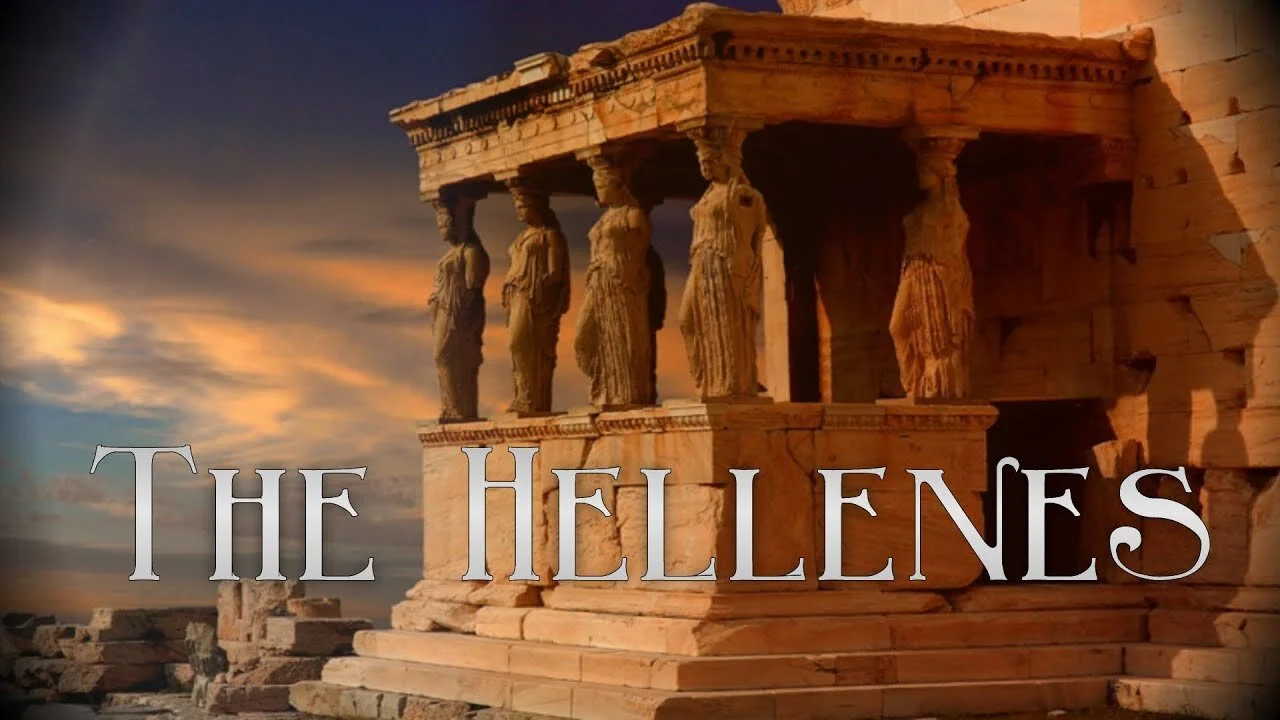
From Ethnos to Enduring Identity
Initially, “Hellenes” referred to the inhabitants of Hellas, the mythological homeland of the Hellenes. Over time, it evolved from a purely geographical or tribal designation to a powerful identifier of a shared cultural and intellectual heritage. This process was akin to a nascent brand defining its target audience and unique selling proposition. The “Hellenes” distinguished themselves from “barbarians” not by race or political unity, but by their shared language, religious practices, philosophical inquiry, and a common understanding of civilized behavior. This collective self-perception formed the bedrock of the Hellenic brand identity, a powerful internal narrative that fostered unity despite political fragmentation.
Core Brand Pillars: Philosophy, Democracy, and Aesthetics
The true strength of the Hellenic brand lay in its clearly defined and highly attractive core pillars. These were not just characteristics but aspirational values that became synonymous with being “Hellenic.”
- Philosophy and Reason: The pursuit of knowledge through rational inquiry, epitomized by figures like Socrates, Plato, and Aristotle, positioned Hellenes as intellectual pioneers. This commitment to logic and critical thinking became a hallmark of the brand, offering intellectual depth and credibility.
- Democracy and Citizenship: The Athenian experiment in participatory governance, despite its limitations, introduced revolutionary concepts of civic engagement and individual rights (for citizens). This political innovation branded Hellenes as innovators in social organization, offering a model for self-governance.
- Aesthetics and Artistry: From the graceful proportions of the Parthenon to the emotive realism of Hellenistic sculpture and the structured beauty of epic poetry and drama, Hellenic culture demonstrated an unparalleled pursuit of beauty, balance, and order. This artistic excellence provided a powerful visual and experiential component to the brand, making it appealing and memorable.
These pillars weren’t merely present; they were actively promoted through rhetoric, education, and artistic output, serving as the foundational messaging of the Hellenic brand.
Spreading the Brand: Alexander’s Legacy and Cultural Hegemony
The most significant strategic expansion of the Hellenic brand occurred under Alexander the Great. His vast conquests, while military in nature, were accompanied by a deliberate policy of cultural dissemination. The establishment of new cities named Alexandria, the encouragement of Greek language (Koine Greek became the lingua franca of the Eastern Mediterranean), and the integration of Greek administrative practices effectively packaged and distributed the Hellenic “brand experience” across vast empires. This “Hellenization” was a conscious effort to establish cultural hegemony, demonstrating how a powerful brand, once established, can be strategically deployed to unify diverse populations under a common cultural banner.
The Roman Adoption and Rebranding of Hellenic Ideals
The Roman Empire, though conquering Greece militarily, recognized the immense brand equity of Hellenic culture and embarked on a sophisticated process of adoption and integration, essentially performing a brand acquisition.
The Conquerors’ Homage: Roman Appropriation and Refinement
Rome, pragmatically focused on governance and military might, nonetheless held Hellenic culture in high esteem. Roman elites studied Greek philosophy, commissioned Greek artists, and adopted Greek architectural styles. This was not mere imitation but a conscious choice to integrate a prestigious cultural brand into their own identity, lending their burgeoning empire a veneer of intellectual sophistication and artistic refinement. Figures like Cicero and Virgil actively engaged with and adapted Greek philosophical and literary traditions, effectively “translating” the Hellenic brand for a Roman audience and making it their own. This strategic appropriation allowed Rome to inherit and leverage the established credibility and appeal of Hellenism.
Packaging the Classics: Roman Contributions to Hellenism’s Endurance
The Romans played a crucial role in the preservation and dissemination of the Hellenic brand. Through their extensive network of libraries, schools, and legal systems, they codified and preserved countless Greek texts, ensuring their survival for future generations. Latin translations and commentaries further extended the reach of Greek thought. In essence, Rome acted as a powerful marketing and distribution channel for the Hellenic brand, solidifying its status as the classical foundation of Western civilization. Without Roman stewardship, much of the direct knowledge of the Hellenic brand pillars might have been lost.
The Byzantine Era and the Christian Hellenic Synthesis
With the decline of the Western Roman Empire, the Eastern Roman (Byzantine) Empire became the primary custodian and evolver of the Hellenic brand, integrating it with a new, dominant ideology: Christianity.

Continuity and Evolution: A Christian Brand Overlay
The Byzantine Empire was a Hellenic state in all but name. Greek remained the official language, and classical Greek education formed the bedrock of its intellectual life. However, the brand underwent a significant “repositioning.” The pursuit of rational inquiry and aesthetic beauty continued, but now through the lens of Christian theology. Philosophers like Basil the Great and John Chrysostom skillfully synthesized classical Greek thought with Christian doctrine, creating a unique “Christian Hellenic” identity. This demonstrates the adaptability of a strong brand to integrate new core values without entirely abandoning its heritage, allowing for a strategic brand extension that ensured relevance in a changing world.
Brand Resilience through Orthodoxy and Scholarship
The Byzantine emphasis on preserving classical Greek texts, particularly by monastic scholars, was vital for the brand’s survival. Monasteries became repositories of knowledge, copying and studying ancient manuscripts. Furthermore, the Greek language and philosophical traditions heavily influenced the development of Orthodox Christian theology and liturgy. This deep institutional embedding within the dominant religious framework provided a powerful anchor for the Hellenic brand, ensuring its intellectual and spiritual legacy remained vibrant and active even as Western Europe entered the Middle Ages.
Modern Revivals: The Hellenic Brand in Contemporary Contexts
The Hellenic brand has experienced numerous “reboots” and “refreshes” throughout history, demonstrating its inherent appeal and versatility.
The Enlightenment and Neo-Classicism: A Return to Foundational Brand Principles
The Renaissance first sparked renewed interest in classical antiquity, but it was during the Enlightenment that Hellenic ideals experienced a significant “brand relaunch.” Philosophers, artists, and architects consciously turned to ancient Greece as a source of inspiration for political thought, rationalism, and aesthetic principles. Neo-Classicism in art and architecture was a direct embrace of Hellenic design principles – symmetry, proportion, and grandeur – influencing public buildings and private estates across Europe and America. This period saw a deliberate re-engagement with the original brand pillars, positioning Hellenism as the intellectual and aesthetic foundation for a new, rational age.
National Identity and Tourism: Branding Modern Greece
The creation of the modern Greek state in the 19th century was intrinsically linked to its ancient Hellenic past. The newly independent nation consciously leveraged its historical brand equity to forge a national identity and gain international legitimacy. Archaeological excavations, the revival of the Olympic Games, and the promotion of Greece as the “cradle of Western civilization” were all deliberate national branding efforts. Today, this continues through tourism marketing, where the ancient Hellenic legacy is the primary draw, inviting millions to experience the remnants of this timeless brand firsthand.
Global Influence and Commercial Branding: The Enduring Appeal
Beyond national identity, the Hellenic brand’s attributes continue to permeate global culture and commercial branding.
- Mythology and Naming: Brands like Nike (the goddess of victory), Hermes (the messenger god, associated with luxury goods), and Olympus (the home of the gods, used for cameras and medical equipment) directly leverage Hellenic mythology to evoke desired qualities like speed, luxury, and peak performance.
- Design and Aesthetics: The Greek key pattern, classical columns, and the harmonious proportions derived from ancient Greek architecture are still found in interior design, fashion, and corporate logos, conveying sophistication, tradition, and timeless elegance.
- Educational and Intellectual Institutions: Universities and academic organizations often adopt Greek names, mottos, or architectural styles to associate themselves with intellectual rigor, a pursuit of knowledge, and a distinguished heritage.
- Personal Branding: Individuals seeking to project an image of intellect, philosophical depth, or classical refinement might reference Hellenic ideals or aesthetics in their personal branding efforts.
Lessons from the Hellenic Brand Journey
The millennia-long journey of the Hellenic brand offers invaluable lessons for contemporary brand builders.
The Power of Defined Values
The longevity of the Hellenic brand stems from its clearly articulated and deeply resonant core values: reason, beauty, democracy, and excellence. These foundational principles provided a robust and attractive identity that transcended specific political regimes or historical periods. Brands that define their core values with such clarity and commitment build an enduring foundation.
Adaptability and Evolution
The Hellenic brand did not remain static. It successfully adapted and integrated with new cultural contexts – Roman pragmatism, Christian theology, Enlightenment rationalism, and modern national identity. This demonstrates that while core values should remain stable, a successful brand must be flexible enough to evolve, incorporating new elements and finding fresh relevance without losing its essential identity.
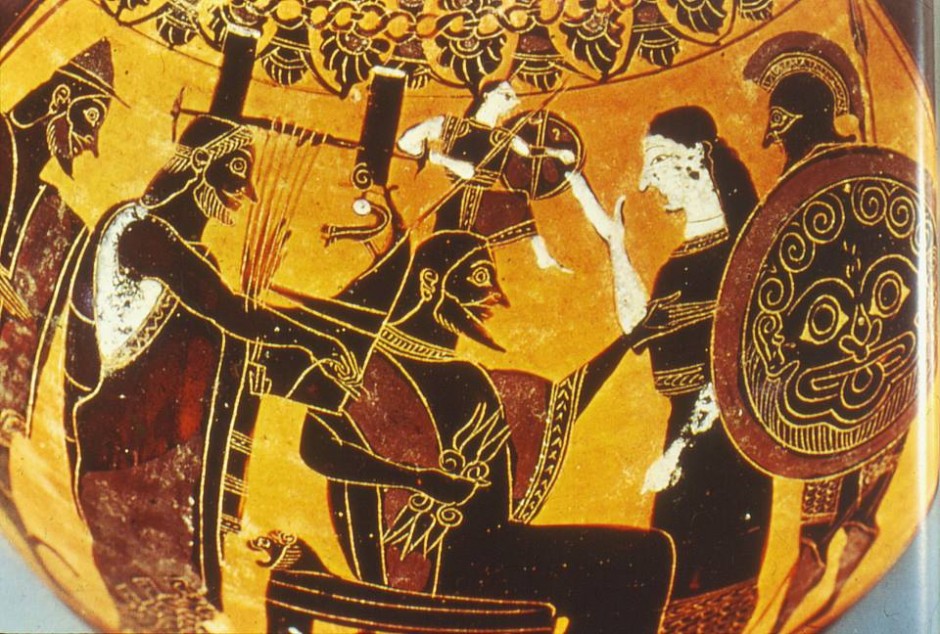
Legacy as Brand Equity
The consistent investment in cultural and intellectual capital by the Hellenes and their successors has created unparalleled “brand equity.” This deep reservoir of recognition, prestige, and positive association allows the brand to be continually leveraged and rediscovered. For modern brands, this underscores the importance of building a rich narrative, investing in quality, and fostering a legacy that transcends immediate commercial objectives. The Hellenic brand stands as a testament to the enduring power of a meticulously crafted and strategically managed cultural identity.
aViewFromTheCave is a participant in the Amazon Services LLC Associates Program, an affiliate advertising program designed to provide a means for sites to earn advertising fees by advertising and linking to Amazon.com. Amazon, the Amazon logo, AmazonSupply, and the AmazonSupply logo are trademarks of Amazon.com, Inc. or its affiliates. As an Amazon Associate we earn affiliate commissions from qualifying purchases.