
Understanding the cost of comprehensive car insurance is a fundamental aspect of responsible personal finance and vehicle ownership. For many drivers, it’s a vital layer of protection against a myriad of unpredictable events, offering peace of mind where other types of coverage fall short. However, pinning down an exact figure for “how much” is akin to asking “how much does a house cost?” – the answer is nuanced, depending on a multitude of factors unique to the driver, vehicle, and location. This article delves into the intricate financial landscape of comprehensive car insurance, exploring what it covers, the elements that drive its pricing, and practical strategies to manage and potentially reduce your premiums, all within the lens of prudent financial planning.
Understanding Comprehensive Car Insurance: A Financial Shield
Comprehensive car insurance is a specific type of coverage designed to protect your vehicle from damage that isn’t caused by a collision with another vehicle or object. It’s an essential component of a robust financial protection strategy for your automotive asset, safeguarding you against significant out-of-pocket expenses when unforeseen circumstances strike.
What Comprehensive Insurance Covers
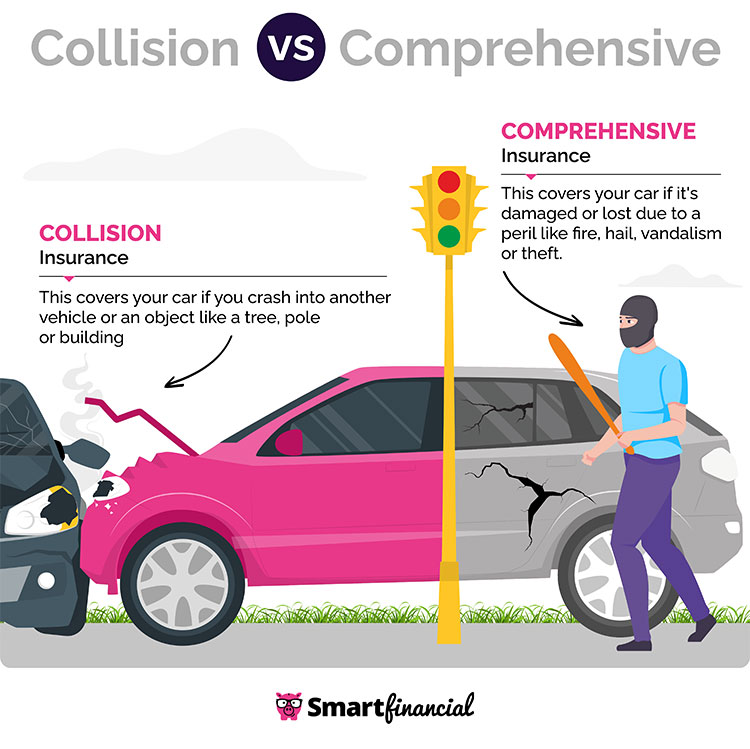
Unlike liability insurance, which covers damages you cause to others, or collision insurance, which covers damage to your vehicle from an accident with another car or object, comprehensive coverage steps in for events largely beyond your control. This includes:
- Theft: If your car is stolen, comprehensive insurance can cover its market value.
- Vandalism: Damage caused by acts of vandalism, such as keyed paint, slashed tires, or broken windows.
- Fire: Damage resulting from a fire, whether accidental or malicious.
- Natural Disasters: Protection against perils like hail, floods, hurricanes, tornadoes, and earthquakes.
- Falling Objects: Coverage for damage caused by falling trees, branches, rocks, or other debris.
- Hitting an Animal: Damage incurred from striking an animal (e.g., deer, bear, dog).
- Glass Breakage: Often covers windshields, windows, and sunroofs, sometimes with a separate, lower deductible or even without one.
This broad spectrum of coverage highlights why comprehensive insurance is often seen as a crucial financial safeguard, particularly for newer or more valuable vehicles, or those in areas prone to specific environmental or crime risks. Without it, you would bear the full financial burden of repairs or replacement in any of these scenarios.
Comprehensive vs. Collision vs. Liability: Differentiating Your Financial Risks
To appreciate the value of comprehensive insurance, it’s important to distinguish it from other common types of auto coverage:
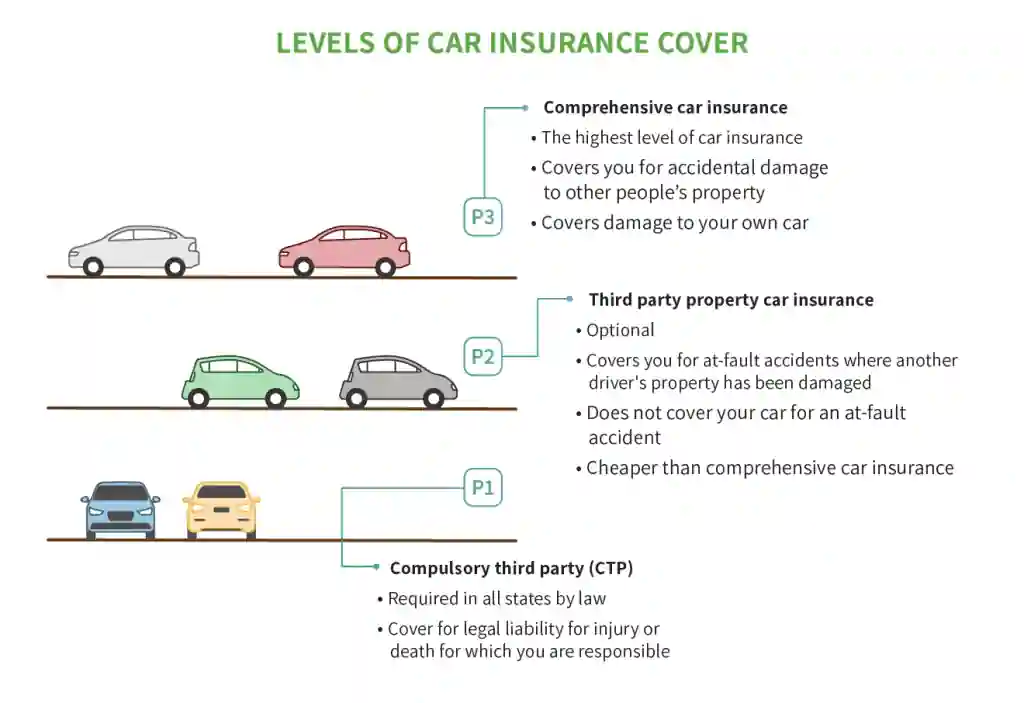
- Liability Insurance: This is typically mandatory in most states. It covers bodily injury and property damage you cause to other parties in an accident. It does not cover your own vehicle or medical expenses. From a financial perspective, it protects you from potentially ruinous legal claims.
- Collision Insurance: This covers damage to your car resulting from a collision with another vehicle or object, regardless of who is at fault. It protects your investment in your vehicle when an accident occurs.
- Comprehensive Insurance: As discussed, this covers damage to your car from non-collision events.
While liability coverage is almost universally required by law, comprehensive and collision coverage are often optional if you own your car outright. However, if you have a car loan or lease, your lender will almost certainly mandate both comprehensive and collision insurance to protect their financial interest in the vehicle. Understanding these distinctions is key to building a financially sound insurance portfolio that aligns with your assets and risk tolerance.
Why Comprehensive Coverage Matters for Your Financial Health
For many, comprehensive coverage isn’t just an expense; it’s a strategic financial decision. It offers:
- Peace of Mind: Knowing you’re protected against a wide array of non-accident-related damages can alleviate stress and anxiety.
- Protecting Your Investment: A car is often one of the most significant assets an individual owns after a home. Comprehensive insurance helps protect that investment from unforeseen perils that can significantly diminish its value or render it unusable.
- Avoiding Out-of-Pocket Expenses: Without comprehensive coverage, a stolen vehicle, a shattered windshield from hail, or a deer strike could mean thousands of dollars in unexpected costs that could derail your personal budget or emergency fund.
- Meeting Lender Requirements: For those financing a vehicle, comprehensive coverage is non-negotiable, ensuring compliance with loan agreements and preventing potential financial penalties or repossession.
From a financial planning standpoint, comprehensive insurance transfers a potentially large, unpredictable loss to an insurance company in exchange for a smaller, predictable premium.
Key Factors Influencing Comprehensive Insurance Costs
The question of “how much” comprehensive car insurance costs is highly variable, dictated by a complex interplay of factors unique to each policyholder, their vehicle, and their geographic location. Insurers use sophisticated algorithms to assess risk, and each factor contributes to their overall calculation of your premium.
Your Vehicle’s Characteristics
The car you drive is a primary determinant of your comprehensive insurance rates.
- Make, Model, and Year: Luxury cars, sports cars, and certain high-performance vehicles typically have higher comprehensive premiums due to their higher repair costs, more expensive parts, and increased attractiveness to thieves. Conversely, more common, family-oriented vehicles often have lower rates.
- Value of the Car: The higher the market value of your vehicle, the more it will cost to replace if stolen or declared a total loss due to comprehensive damage, thus leading to higher premiums. Depreciation plays a role here; older cars, all else equal, tend to have lower comprehensive premiums.
- Safety Features: Modern safety features like advanced driver-assistance systems (ADAS), automatic emergency braking, lane-keeping assist, and robust airbag systems can sometimes lead to discounts, as they reduce the likelihood or severity of certain incidents. However, these systems can also be very expensive to repair or recalibrate after an incident, which might counteract some of the savings.
- Anti-Theft Devices: Installing approved anti-theft devices such as car alarms, immobilizers, tracking systems, or even simple steering wheel locks can often qualify you for a discount on your comprehensive premium, as they reduce the risk of theft.
Your Personal Profile
Your individual history and demographics also play a significant role in how insurers assess your risk for comprehensive claims.
- Driving Record: While comprehensive claims aren’t typically tied to fault in an accident, a generally poor driving record (numerous traffic violations or at-fault accidents) might signal to insurers a higher overall risk, potentially influencing all parts of your premium, including comprehensive.
- Age and Experience: Younger, less experienced drivers, particularly teenagers, are statistically more prone to accidents and even vehicle theft, leading to higher premiums across the board. As drivers gain experience and maintain a clean record, rates tend to decrease.
- Location: Where you live and park your car significantly impacts your comprehensive rates. Urban areas with higher population densities often have higher rates due to increased risks of theft, vandalism, and natural disasters (like hail in certain regions). Parking your car in a secured garage versus on the street can also affect your premium.
- Credit Score: In many states (though not all), insurers use a credit-based insurance score as a predictor of future claims. Individuals with higher credit scores are statistically less likely to file claims, leading to lower premiums. This connection is a critical “money” aspect, as managing your credit can directly impact your insurance costs.
- Gender and Marital Status: While less impactful and sometimes legally restricted from use, some states still allow gender to be a factor, with women often (though not universally) receiving slightly lower rates than men. Married individuals are generally perceived as lower risk by insurers and may receive discounts.
Your Chosen Policy Details
The specifics of your comprehensive policy also directly impact its cost.
- Deductible Amount: This is one of the most significant levers you have to control your premium. A deductible is the amount you agree to pay out-of-pocket before your insurance coverage kicks in. Choosing a higher deductible (e.g., $1,000 instead of $500) will lower your annual premium because you’re taking on more of the initial financial risk. Conversely, a lower deductible means higher premiums.
- Coverage Limits: While comprehensive insurance typically covers the actual cash value (ACV) of your vehicle up to a certain point, some policies might have specific limits on certain types of damage or offer endorsements that increase payouts for specific items. The higher the payout potential, the higher the premium.
- Additional Endorsements: Adding extra coverage options like glass repair without a deductible, rental car reimbursement after a comprehensive claim, or custom parts and equipment coverage will increase your overall premium.
Average Costs and Benchmarks: Quantifying “How Much”
Providing an exact average cost for comprehensive car insurance is challenging due to the immense variability outlined above. However, we can establish general benchmarks and discuss how costs fluctuate across different scenarios, offering a clearer picture of what you might expect.
National Averages (with Caveats)
Nationally, comprehensive car insurance costs can range significantly. While specific figures fluctuate year-to-year and by data source, a common range might be anywhere from $100 to $400 per year, or roughly $8 to $35 per month, as part of a full coverage policy. However, it’s crucial to understand that these are broad averages. Your individual quote could be lower or significantly higher based on your unique profile.
These averages serve as a directional guide rather than a precise prediction. The true cost is a highly personalized calculation, meaning that relying solely on national averages for financial planning could lead to misestimations.
Regional Variations
The cost of comprehensive insurance is heavily influenced by geography.
- State-Specific Regulations: Each state has its own insurance laws and regulatory environment, which can impact pricing models.
- Population Density and Crime Rates: Urban areas with higher population densities and elevated rates of vehicle theft and vandalism typically see higher comprehensive premiums. For example, a driver in a large metropolitan area might pay considerably more than a driver in a rural farming community for identical coverage, simply due to the differing risk exposure to theft, vandalism, and environmental perils like hail.
- Weather Patterns: Regions prone to severe weather events (e.g., hurricanes in coastal areas, tornadoes in the Midwest, heavy snow/ice in northern states, hailstorms) will often have higher comprehensive rates to account for the increased risk of weather-related damage claims.
- Cost of Repairs: The prevailing labor rates and cost of parts in a specific region can also influence premiums, as these affect the insurer’s potential payout for repairs.
Impact of Driving History
While comprehensive claims are “no-fault” in nature, your overall driving history can still subtly impact your comprehensive premium by influencing the insurer’s perception of your overall risk profile.
- Clean Record: Drivers with a clean record (no accidents, no moving violations) are often rewarded with lower overall premiums, including comprehensive coverage, as they are seen as responsible policyholders.
- Major Violations: Serious infractions like DUIs or reckless driving charges can dramatically increase all aspects of your insurance rates, as they signal a high-risk driver to the insurer. Even if a DUI doesn’t directly cause a comprehensive claim, it can trigger a general rate hike across your entire policy. This highlights how your financial responsibility extends beyond just comprehensive claims themselves.
Strategies to Lower Your Comprehensive Insurance Premiums
Managing the cost of comprehensive car insurance is a key aspect of sound personal financial management. Fortunately, there are several actionable strategies you can employ to reduce your premiums without necessarily sacrificing essential coverage.
Smart Policy Adjustments
These adjustments involve making informed choices about your coverage details.
- Increase Your Deductible: As discussed, this is one of the most effective ways to lower your premium. By agreeing to pay a larger amount out-of-pocket for a claim, you signal to the insurer that you’re willing to bear more initial risk, thus reducing their potential payout and earning you a lower premium. However, ensure your emergency fund can comfortably cover the chosen deductible amount.
- Bundle Policies: Most insurance companies offer discounts when you purchase multiple policies from them, such as bundling your auto insurance with your home, renters, or life insurance. This “multi-policy discount” can significantly reduce your overall insurance expenses, including your comprehensive premium.
- Drop Comprehensive on Older, Low-Value Cars: For very old vehicles with a low market value, the annual cost of comprehensive insurance might eventually outweigh the potential payout. If your car is only worth, say, $1,500, and your annual comprehensive premium is $250 with a $500 deductible, you might be paying too much for too little potential benefit. Financially, it might make more sense to self-insure (save the premium amount) for such an inexpensive vehicle.
- Pay Annually (or Bi-Annually): Many insurers offer a discount for paying your premium in full annually or bi-annually, rather than monthly. This saves the insurer administrative costs, and they often pass those savings on to you.
Driver-Related Savings
Your actions as a driver and how you manage your personal finances can also lead to savings.
- Maintain a Clean Driving Record: A history free of accidents and moving violations is consistently rewarded with lower insurance rates. Driving responsibly is perhaps the most impactful long-term strategy for keeping insurance costs down.
- Take Defensive Driving Courses: Some insurers offer discounts for completing approved defensive driving or safety courses, particularly for younger or senior drivers. These courses can demonstrate your commitment to safe driving practices.
- Improve Your Credit Score: Since credit-based insurance scores are used in many states, improving your overall credit health by paying bills on time, reducing debt, and monitoring your credit report can lead to lower insurance premiums over time. This underscores the interconnectedness of your personal financial habits.
Vehicle-Related Discounts
Certain features or decisions about your vehicle can also lead to discounts.
- Install Anti-Theft Devices: As mentioned, approved alarms, immobilizers, and tracking systems can qualify you for discounts because they reduce the risk of vehicle theft.
- Choose a Safer Car Model: When purchasing a new vehicle, research its insurance costs. Cars with higher safety ratings, lower repair costs, and less appeal to thieves often have lower comprehensive premiums.
Shop Around and Compare Quotes
This is arguably the most crucial step for managing any insurance cost.
- Get Multiple Quotes: Never settle for the first quote you receive. Insurance rates can vary dramatically between providers for the exact same coverage. Obtain quotes from at least three to five different insurers annually.
- Utilize Online Comparison Tools: Websites that allow you to compare multiple insurance quotes side-by-side can save you time and help you identify the most competitive rates.
- Consult Independent Agents: Independent insurance agents work with multiple companies and can often find you the best rates by comparing policies across their network. They can also offer personalized advice.
Inquire About Discounts
Don’t assume your insurer will automatically apply every discount you qualify for.
- Ask Directly: Proactively ask your agent or insurer about all available discounts. Common ones include:
- Good Student Discount: For students who maintain a certain GPA.
- Low Mileage Discount: For drivers who don’t drive many miles annually.
- Multi-Car Discount: For insuring more than one vehicle with the same company.
- Professional Affiliation Discount: For members of certain professional organizations or alumni associations.
- Loyalty Discount: For staying with the same insurer for an extended period.
When to Consider Dropping or Adjusting Comprehensive Coverage
While comprehensive insurance offers valuable protection, it’s also a recurring expense. For certain vehicles, particularly older ones, the financial benefit of maintaining comprehensive coverage may diminish over time. Prudent financial management involves regularly evaluating your insurance needs against your costs.
The “200% Rule” (or a Similar Guideline)
A common rule of thumb, sometimes referred to as the “200% rule,” suggests that if your annual comprehensive premium (plus your deductible) exceeds a certain percentage of your car’s actual cash value (ACV), it might be financially smart to reconsider. For instance, if your car is worth $2,000, and your annual comprehensive premium is $400 with a $500 deductible, you’re paying $400 a year for a potential payout that’s only $1,500 ($2,000 – $500 deductible). In such a scenario, you might be over-insuring. While not a strict rule, it encourages a cost-benefit analysis.
Older Vehicles and Depreciation
Cars depreciate rapidly, and as your vehicle ages, its market value decreases. Consequently, the maximum payout you would receive from a comprehensive claim also shrinks. At some point, the annual cost of comprehensive coverage might start to feel disproportionate to the car’s depreciated value. For example, if your car is worth only $3,000 and your comprehensive premium is $300 a year, you’re paying 10% of the car’s value annually just for this portion of coverage. At this stage, many financially savvy individuals consider dropping comprehensive coverage and instead setting aside the premium savings into a dedicated “car repair/replacement” fund.
Balancing Risk and Cost: Your Financial Resilience
Ultimately, the decision to drop or adjust comprehensive coverage comes down to your personal financial situation and risk tolerance.
- Financial Ability to Self-Insure: If you have a robust emergency fund that could comfortably cover the cost of repairing or replacing your vehicle (up to its market value) without comprehensive coverage, then dropping it might be a financially sound choice.
- Risk Profile: Are you in an area with high rates of theft or severe weather? If so, the peace of mind offered by comprehensive coverage might still be worth the premium, even for an older car. If you live in a very safe area and primarily park in a garage, your personal risk exposure might be lower.
Regularly reviewing your policy and comparing the premium cost against your car’s current market value and your financial capacity to handle potential losses is a critical part of ongoing personal financial planning.

Conclusion
Determining “how much comprehensive car insurance costs” is a highly individualized financial query, with answers shaped by an intricate web of personal, vehicle, and geographic factors. From the make and model of your vehicle to your driving history, your location, and your chosen deductible, each element plays a role in the final premium. Comprehensive insurance serves as a vital financial safeguard against a wide array of non-collision perils, protecting your valuable automotive asset from theft, vandalism, natural disasters, and more.
However, intelligent financial management dictates that this coverage should be regularly evaluated. By understanding the factors that influence costs, actively seeking out discounts, leveraging policy adjustments like higher deductibles, and consistently shopping around for the best rates, you can significantly influence your annual premiums. Furthermore, knowing when to potentially adjust or even drop comprehensive coverage for older, low-value vehicles—balancing risk with your financial capacity to self-insure—is a hallmark of responsible budgeting and asset management. Ultimately, the goal is to secure adequate financial protection for your vehicle without overspending, ensuring your car insurance strategy aligns seamlessly with your broader personal finance goals.
aViewFromTheCave is a participant in the Amazon Services LLC Associates Program, an affiliate advertising program designed to provide a means for sites to earn advertising fees by advertising and linking to Amazon.com. Amazon, the Amazon logo, AmazonSupply, and the AmazonSupply logo are trademarks of Amazon.com, Inc. or its affiliates. As an Amazon Associate we earn affiliate commissions from qualifying purchases.