
The humble pickle. A crunchy, tangy, often briny companion to burgers, sandwiches, and charcuterie boards. It’s a culinary staple, a preserved marvel that elevates simple dishes. But what truly separates a mediocre pickle from an extraordinary one? While fresh cucumbers and a well-balanced brine are crucial, the unsung hero, the ingredient that dictates both texture and taste, is undoubtedly vinegar. The question “what vinegar for pickles?” isn’t just a minor detail; it’s the cornerstone of successful pickling.
For many home cooks and even seasoned culinary professionals, navigating the vinegar aisle can feel surprisingly complex. The array of options – white distilled, apple cider, rice, red wine, balsamic – each promises a unique flavor profile. But when it comes to the art of pickling, not all vinegars are created equal. The type of vinegar you choose will directly impact the acidity, flavor, color, and even the crispness of your pickles. This isn’t a decision to be made on a whim. It requires understanding the fundamental properties of different vinegars and how they interact with the ingredients of your brine.
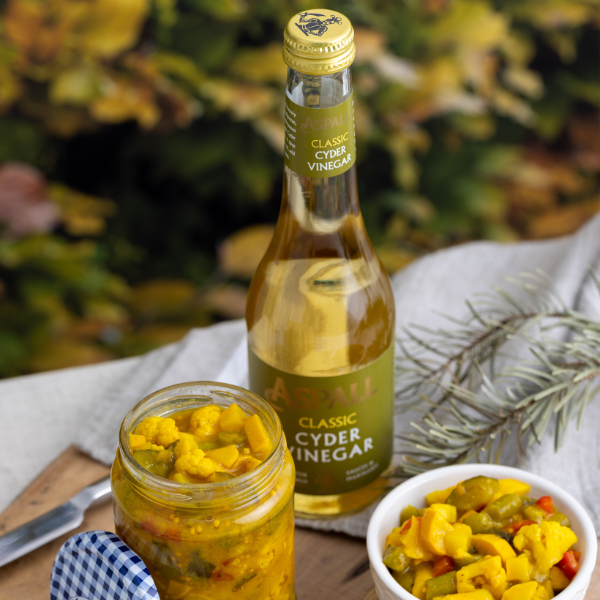
This guide delves deep into the world of pickling vinegars, demystifying the choices and empowering you to select the perfect partner for your cucumbers, onions, peppers, or whatever your pickling heart desires. We’ll explore the science behind why certain vinegars excel, the nuanced flavor contributions of others, and how to leverage technology and smart financial planning to elevate your pickling game from hobby to thriving small business.
The Foundation of Flavor: Understanding Vinegar’s Role in Pickling
Vinegar, at its core, is a liquid produced through a two-step fermentation process. First, sugars are converted into alcohol by yeast (alcoholic fermentation). Then, in the presence of oxygen, bacteria convert the alcohol into acetic acid (acetic fermentation). This acetic acid is what gives vinegar its characteristic sourness and its power as a preservative. In pickling, vinegar serves multiple critical functions:
- Preservation: The acidity of vinegar inhibits the growth of spoilage microorganisms. This is why pickling is a form of food preservation, allowing us to enjoy seasonal produce year-round. A higher acidity level generally translates to better preservation.
- Flavor: Beyond preservation, vinegar imparts a vital tangy, sour, and sometimes complex flavor to the pickles. The specific type of vinegar contributes unique aromatic compounds and tastes.
- Texture: Acidity plays a role in the texture of the produce. In cucumbers, for instance, a good vinegar helps maintain their crispness by affecting the pectin in their cell walls. Too little acidity can lead to mushy pickles.
- Color: Some vinegars can influence the final color of the pickles, either subtly or dramatically.
When considering “what vinegar for pickles,” it’s essential to remember that the goal is typically a brine with at least 5% acidity, which is the standard for most commercially available vinegars. This ensures both safety and optimal flavor.
The Power of Pure Acidity: White Distilled Vinegar
When the primary goal is preservation and a clean, sharp tang without competing flavors, white distilled vinegar is often the go-to choice.
Why White Distilled Vinegar Reigns Supreme for Certain Pickles
- Neutral Flavor Profile: Made from grain alcohol, white distilled vinegar has a very neutral, sharp, and clean acidic taste. It doesn’t introduce any other competing flavors, allowing the natural taste of the vegetables and other brine ingredients (like dill, garlic, or mustard seeds) to shine through.
- High Acidity: Typically, white distilled vinegar has an acidity of 5% or higher, making it an excellent choice for reliable preservation.
- Clarity: It’s colorless, meaning it won’t affect the visual appeal of your pickles, keeping them bright and inviting.
- Cost-Effective: White distilled vinegar is generally the most affordable vinegar option available, making it ideal for large batches or for those on a budget.
When to Reach for White Distilled Vinegar
- Classic Dill Pickles: For the quintessential dill pickle experience, where the dill, garlic, and cucumber are the stars, white distilled vinegar is unparalleled.
- Quick Pickles: When you want to rapidly pickle vegetables for immediate consumption, its sharp acidity cuts through quickly.
- Pickled Onions: Its neutrality allows the sweet and pungent notes of onions to be the focus.
- Preserving Delicate Flavors: If you’re pickling items with very subtle natural flavors, you don’t want a strong vinegar to overpower them.
However, while white distilled vinegar is a workhorse, it can sometimes be perceived as too harsh or one-dimensional for some palates. This is where other vinegars step in, offering more nuanced flavor complexities.
The Fruity Undertones: Apple Cider Vinegar
Apple cider vinegar (ACV) has surged in popularity not just for its perceived health benefits but also for its delightful flavor contributions to cooking and pickling.
The Sweet and Tangy Nuance of Apple Cider Vinegar
- Fruity Notes: Made from fermented apple juice, ACV carries a mild, fruity sweetness and a subtle apple aroma. This adds a layer of complexity to pickles that white distilled vinegar cannot provide.
- Golden Hue: ACV can impart a pleasant golden or amber color to your pickles, making them visually appealing.
- Versatility: It pairs exceptionally well with a variety of vegetables, from cucumbers to beets and carrots.
When to Embrace Apple Cider Vinegar for Pickles
- Sweet Pickles and Relishes: The inherent sweetness of ACV makes it a natural fit for sweeter pickle recipes or relishes.
- Pickled Beets: The fruity notes complement the earthy sweetness of beets beautifully.
- Mixed Vegetable Pickles: For a more complex flavor profile in a mixed pickle, ACV can add a delightful dimension.
- Those Seeking a Milder Tang: If you find white distilled vinegar too sharp, ACV offers a softer, more rounded acidity.
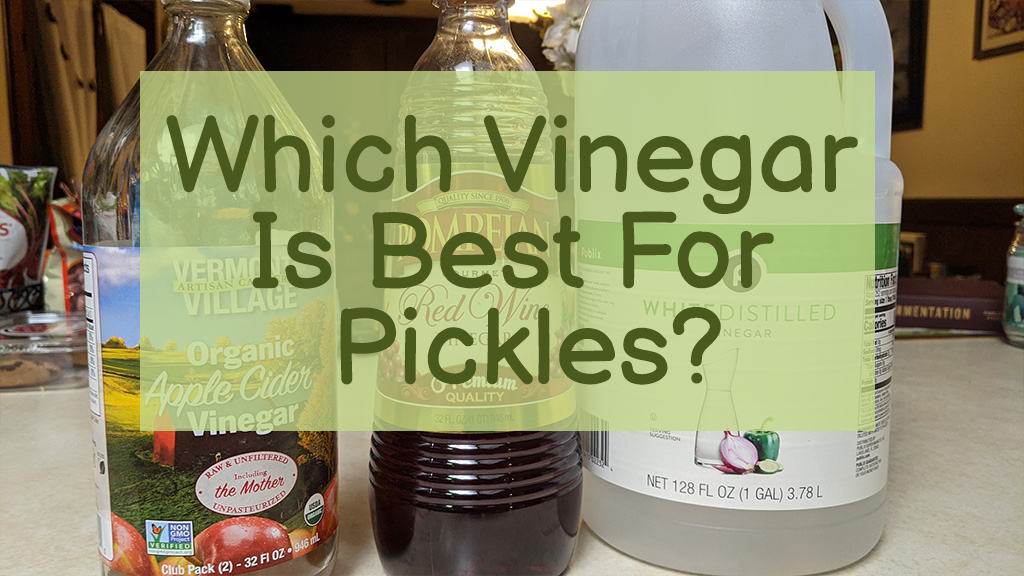
While ACV is a fantastic option, it’s important to note that its flavor can be more pronounced than white distilled vinegar. For recipes where a truly neutral base is desired, it might not be the ideal choice. Always opt for unfiltered, “with the mother” ACV if possible, as it retains more of the natural flavor compounds.
A Touch of Sophistication: Red Wine and Other Specialty Vinegars
For those looking to push the boundaries of pickle flavor and explore more sophisticated profiles, specialty vinegars can be game-changers.
Elevating Pickles with Red Wine, Rice, and More
- Red Wine Vinegar: Offers a robust, slightly fruity, and sometimes tannic flavor derived from red wine. It can lend a beautiful deep color and a more adult, complex taste to pickles, particularly good with heartier vegetables or those you want to marinate for longer periods. It’s excellent for pickling red onions or even some meats.
- Rice Vinegar: A mild, slightly sweet vinegar with a very delicate flavor. It’s a staple in many Asian cuisines and can be used for pickling to add a subtle tang without overpowering other ingredients. It’s particularly good for quick pickles of delicate vegetables or in Asian-inspired pickle recipes.
- Balsamic Vinegar: While not typically used as the primary pickling vinegar due to its sweetness and syrupy consistency, a small amount can be added to a brine for a touch of depth and a rich, dark color. It’s more suited for finishing glazes or very specific, sweet pickled applications.
- White Wine Vinegar: Similar to red wine vinegar but with a lighter, crisper flavor. It can add a subtle fruitiness without imparting a strong color.
Considerations for Specialty Vinegars
- Acidity Levels: Specialty vinegars can have varying acidity levels. Always check the label to ensure it’s at least 5% for proper preservation. You might need to adjust the ratio if using a vinegar with lower acidity.
- Color Impact: Be mindful of how these vinegars will affect the color of your pickles. Red wine vinegar will tint things reddish-brown, while balsamic will create a dark, almost black hue.
- Flavor Intensity: These vinegars have more distinct flavors. Experiment with smaller batches to understand how they will complement your chosen produce.
Beyond the Bottle: Leveraging Tech and Strategy for Pickle Perfection
The quest for the perfect pickle, and by extension, the right vinegar, can be significantly enhanced by modern technology and sound strategic thinking. Whether you’re a hobbyist aiming for consistently delicious results or an entrepreneur looking to scale a pickling business, these elements are crucial.
H2: Digital Tools for the Modern Pickler: From Recipe Management to Flavor Profiling
The digital age offers a wealth of tools that can transform your pickling endeavors, from meticulous recipe management to innovative flavor exploration.
H3: Streamlining Your Pickling Process with Apps and Software
- Recipe Management Apps: Gone are the days of scribbled notes and lost recipe cards. Apps like Paprika Recipe Manager or AnyList allow you to store, organize, and scale your pickle recipes digitally. You can easily categorize your pickling experiments by vinegar type, vegetable, or spice blend. This is invaluable for tracking what works and what doesn’t.
- Unit Conversion Tools: When scaling recipes up or down, precise unit conversions are critical. Many online tools and apps offer seamless conversion between metric and imperial units, ensuring your brine ratios remain accurate, regardless of the vinegar quantity.
- AI-Powered Flavor Exploration: Emerging AI tools can assist in generating new flavor profiles or suggest complementary spices based on your chosen vinegar and vegetable. Imagine inputting “apple cider vinegar, cucumber, dill” and getting suggestions for additional aromatics that will enhance the inherent flavors. Tools like ChatGPT or specialized recipe generators can spark creativity.
- Inventory Management: For serious picklers, managing a pantry of jars and ingredients is key. Simple spreadsheet software (like Google Sheets or Microsoft Excel) or dedicated inventory apps can help you track what produce you have, what vinegars are on hand, and when items were pickled, preventing waste and ensuring you’re always ready for the next batch.
- Temperature and Humidity Monitoring: For optimal fermentation and storage, especially if you’re delving into more complex pickling methods, smart home sensors can monitor ambient temperature and humidity in your pantry or fermentation space, ensuring ideal conditions for your pickles.
H3: Understanding Acidity and Flavor with Digital Precision
- pH Meters: While not strictly “digital” in the app sense, affordable digital pH meters can provide precise measurements of your brine’s acidity. This is crucial for ensuring food safety and consistency, especially when experimenting with different vinegar types or dilution ratios.
- Data Analysis for Consistency: By logging your pickling results (vinegar used, ingredients, brine composition, fermentation time, and taste notes) in a digital format, you can begin to analyze trends. Over time, you can identify which vinegar and spice combinations yield the crispiest pickles or the most desirable flavor profiles, leading to unparalleled consistency.
H2: The Business of Brine: Branding, Marketing, and Financial Savvy for Pickle Entrepreneurs
If your passion for pickles extends beyond the home kitchen and into a potential business venture, strategic branding and financial planning are paramount. The right vinegar choice can even be a unique selling proposition.
H3: Crafting a Compelling Brand Identity Around Your Pickles
- Defining Your Niche: What makes your pickles stand out? Is it the specific vinegar you use (e.g., “artisanal apple cider vinegar pickles”)? Is it a unique flavor combination? Your brand story should highlight these differentiators.
- Visual Branding: From your logo to your packaging, everything should communicate the quality and character of your pickles. The color and style of your vinegar choice can even influence your branding. For instance, a line of pickles using premium red wine vinegar might have a more sophisticated, darker color palette.
- Storytelling: Share the journey of your pickles, from the farm to the jar. Emphasize the quality of your ingredients, including the careful selection of your pickling vinegar. This personal connection builds trust and loyalty.
- Case Studies in Success: Look at successful artisanal food brands. What are they doing right in terms of marketing and brand perception? Adapt their strategies to your unique pickle business.
H3: Navigating the Financial Landscape of a Pickle Business
- Cost Analysis: The price of vinegar can vary significantly. A thorough cost analysis of your ingredients, including the type of vinegar, is essential for setting profitable pricing. While cheaper vinegars might seem attractive, consider if the slightly higher cost of a premium vinegar justifies a premium price point for your product.
- Online Income Streams: Beyond selling jars at local markets, explore online sales channels. An e-commerce website, partnerships with online gourmet food retailers, or even subscription boxes can expand your reach and revenue.
- Financial Tools and Management: Utilize accounting software (like QuickBooks or Xero) to track expenses, manage invoices, and understand your profit margins. Understanding your cash flow is vital for growth and sustainability.
- Investing in Quality: Sometimes, the initial investment in a higher-quality vinegar or specialized pickling equipment can lead to a superior product that commands a higher price and builds a stronger reputation, ultimately contributing to better financial returns.
In conclusion, the question of “what vinegar for pickles” is far more than a simple culinary inquiry. It’s a gateway to understanding flavor, preservation, and even business strategy. By leveraging the strengths of different vinegars, embracing digital tools, and applying sound business principles, you can elevate your pickling from a simple hobby to a source of consistent delight and potentially, significant financial success. The perfect pickle, it turns out, is a well-orchestrated blend of tradition, innovation, and a deep appreciation for the humble, yet powerful, world of vinegar.
aViewFromTheCave is a participant in the Amazon Services LLC Associates Program, an affiliate advertising program designed to provide a means for sites to earn advertising fees by advertising and linking to Amazon.com. Amazon, the Amazon logo, AmazonSupply, and the AmazonSupply logo are trademarks of Amazon.com, Inc. or its affiliates. As an Amazon Associate we earn affiliate commissions from qualifying purchases.