
The world of Transformers is a fascinating confluence of imaginative storytelling, cutting-edge design, and shrewd branding. At its heart lies the captivating concept of sentient alien robots disguised as everyday vehicles, each with its unique personality and battle capabilities. Among the most beloved characters from the original Generation 1 (G1) series is Jazz, the Autobot’s cool, charismatic, and often cunning special operations agent. The question “What car is Jazz in Transformers?” immediately transports fans back to the iconic era of the 1980s, revealing not just an automotive choice, but a deeper narrative woven with threads of technology, branding, and the financial machinery behind a global phenomenon.
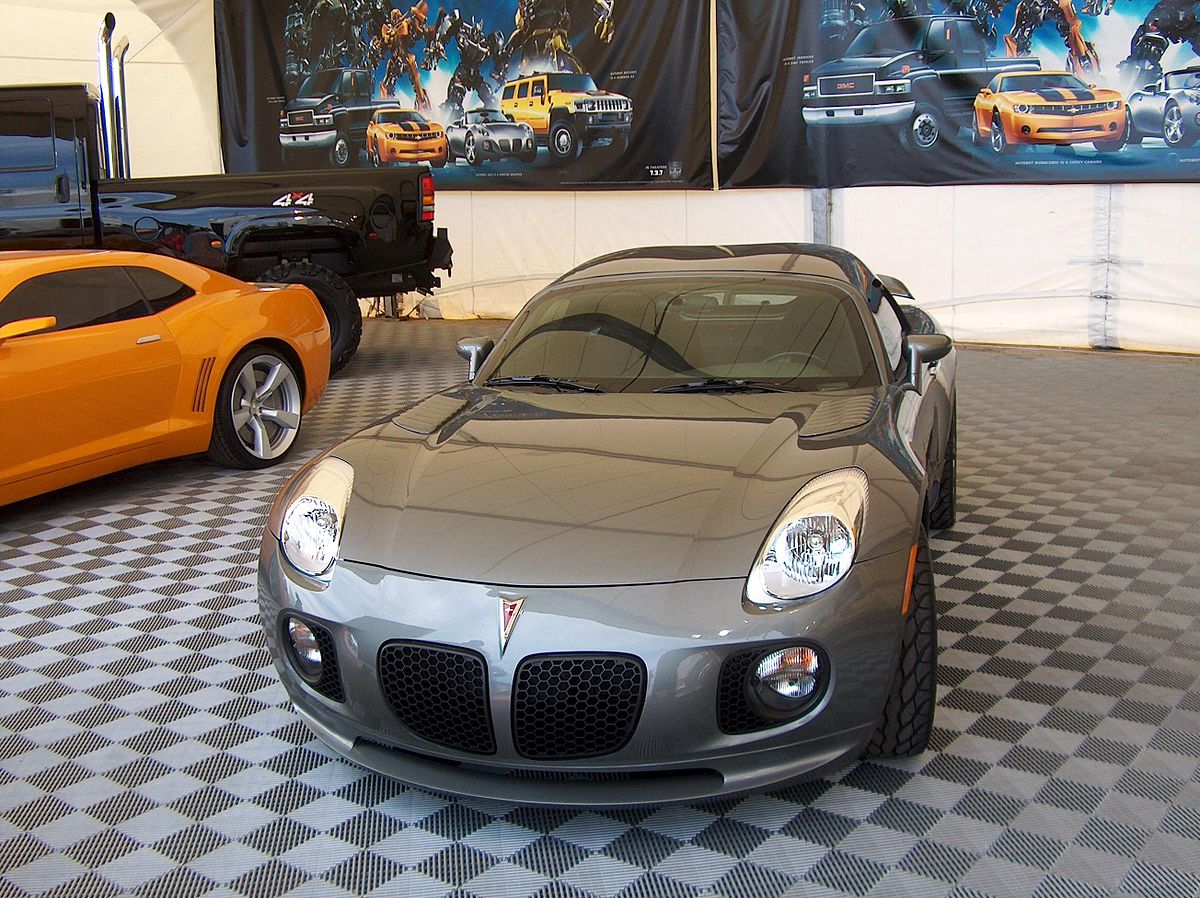
In his most recognized and celebrated form from the G1 animated series, toy line, and comic books, Jazz transforms into a striking Porsche 935 Turbo. Specifically, he adopts the unmistakable livery of the Martini Racing Porsche 935, a real-world racing legend that combined unparalleled speed with an iconic aesthetic. This choice of alt-mode for Jazz was no accident; it perfectly encapsulated his slick, agile, and often flamboyant personality, while also aligning with the innovative spirit that defined both the Transformers franchise and the automotive industry of its time. While later iterations, such as the 2007 live-action film, depicted Jazz as a Pontiac Solstice, it is the G1 Porsche 935 that remains etched in the minds of purists and collectors, a testament to the power of original design and brand synergy.
The Iconic Alt-Mode: Unpacking Jazz’s Automotive Identity
Jazz’s vehicle form isn’t just a random choice; it’s a carefully selected representation that elevates his character and grounds him in a history of automotive excellence. The Porsche 935 Turbo, especially with its distinctive Martini Racing stripes, is more than just a car; it’s a symbol.
The Porsche 935 Turbo: A Legacy of Speed and Style
The Porsche 935 was a formidable racing car developed by Porsche in the mid-1970s for the FIA Group 5 ‘Special Production Car’ championship. Based on the 911 Turbo (930 road car), the 935 was an extreme evolution designed for sheer speed and dominance on the track. Its most recognizable feature was the “Moby Dick” long-tail version, which, while not Jazz’s exact configuration, shared the aggressive, aerodynamic philosophy. The specific livery adopted by Jazz – the blue, red, and white stripes of Martini Racing – added another layer of prestige. Martini & Rossi, an Italian alcoholic beverage company, was a prominent sponsor in motorsport, and their distinctive branding became synonymous with some of the most successful racing teams and vehicles, including Porsche’s endurance racers.
From a Tech perspective, the Porsche 935 Turbo was a marvel of engineering. Its turbocharged flat-six engine pushed boundaries in terms of power output and efficiency for its time. The car’s lightweight construction, advanced suspension systems, and radical aerodynamic modifications demonstrated the pinnacle of automotive technology in the 1970s and early 80s. These technological advancements translated directly into its racing prowess, allowing it to clinch numerous victories, including the 24 Hours of Le Mans. For Jazz, transforming into such a high-performance machine underscored his role as a capable, quick-thinking Autobot, often tasked with special operations that required speed and precision.
Moreover, the Brand identity of Porsche itself is one of precision engineering, luxury performance, and motorsport pedigree. By associating Jazz with a Porsche, the creators instantly imbued him with these attributes. The Martini Racing branding further amplified this, connecting him to a world of high-stakes competition and sophisticated design. This symbiotic relationship between character and vehicle brand was a cornerstone of the original Transformers concept, allowing children to connect their toys with real-world aspirational vehicles.
From Real Steel to Robotic Hero: The Transformation Process
The magic of Transformers lies in their ability to seamlessly transition between modes. For Jazz, this meant transforming from a sleek, low-slung racing car into a dynamic, anthropomorphic robot. In the G1 cartoon, this transformation was depicted with a blend of mechanical shifts and cartoon logic, showcasing panels retracting, limbs extending, and a satisfying sequence of changes that never fully explained the impossible physics involved.
From a Tech viewpoint, the very concept of a Transformer like Jazz stretching the imagination about material science and robotics. While “transformium” is a later cinematic invention, the underlying idea of a material capable of such fluid change, self-repair, and structural integrity at both macro and micro levels is a fascinating area of speculation. Early animators and toy designers faced the challenge of translating complex engineering into visually compelling and physically reproducible forms. The G1 Jazz toy, a Diaclone mold from Takara, was a testament to the clever mechanical design of its era, allowing for a relatively accurate car mode and a distinct robot mode, albeit with some kibble.
The evolution of visual Tech in depicting these transformations is also noteworthy. From hand-drawn cel animation of the 1980s to the sophisticated CGI of modern films, the process has become increasingly intricate and realistic. The 2007 live-action movie’s Jazz transformation, for instance, involved hundreds of moving parts, a digital ballet of collapsing and expanding metallic components, which, while visually stunning, presented a different aesthetic from the more stylized G1 cartoon. While the live-action movie chose a different car (Pontiac Solstice) for Jazz, the core idea of a sophisticated, high-tech vehicle becoming a formidable robot remained central to his identity across all iterations.
The Brand Power of Jazz and Transformers
Beyond the individual character, Jazz is a vital component of the larger Transformers brand, a franchise that has masterfully leveraged character design, automotive branding, and innovative marketing strategies to achieve global dominance.
Crafting Character through Automotive Branding
Jazz’s choice of alt-mode profoundly contributes to his persona. The Porsche 935 is synonymous with speed, style, and a certain audacious flair—qualities that perfectly align with Jazz’s cool, confident, and somewhat mischievous personality. He’s often depicted as the Autobot who understands human culture best, particularly music, reflecting the sophisticated, often glamorous image associated with sports cars like Porsche. This meticulous character design, where the vehicle form informs the robot’s personality and role, is a cornerstone of the Transformers brand’s success.
The strategic decision to base Transformers on real-world vehicles involved intricate Brand licensing deals. Companies like Hasbro (and its Japanese partner Takara) entered into agreements with major car manufacturers such as Porsche, Nissan, Lamborghini, and Volkswagen. This was a stroke of marketing genius. Car brands gained exposure to a massive youth demographic, potentially fostering future loyalty, while Hasbro gained authenticity and aspirational appeal for its toys. These symbiotic relationships cemented the Transformers’ status as more than just toys; they were miniature, transformable versions of desirable cars. The Brand Strategy was clear: marry exciting robotic action with recognizable, high-status automotive designs. This not only made the toys more appealing but also ingrained specific car brands into popular culture through the association with heroic characters.
Marketing Autobots: From Toy Aisle to Global Phenomenon
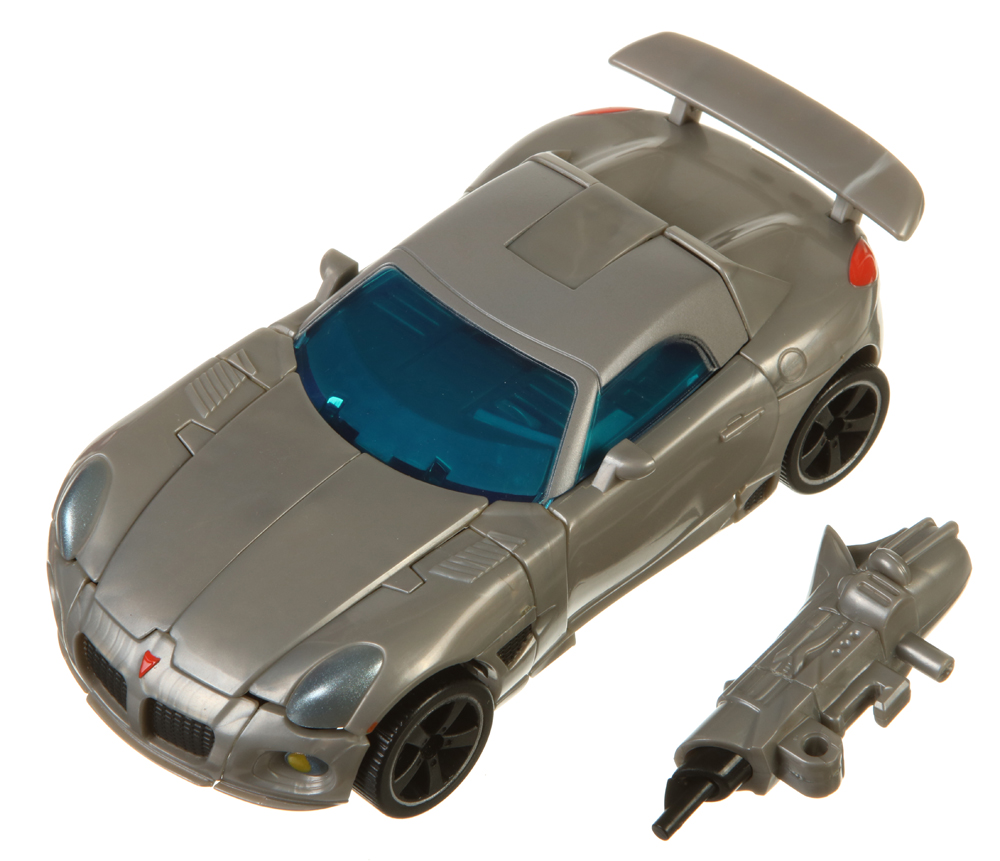
The overarching Transformers Brand Strategy has been a masterclass in long-term marketing and franchise building. From its inception in the mid-1980s, the brand created a multimedia universe spanning cartoons, comic books, and toys, each reinforcing the others. Jazz, with his distinctive design and memorable personality, was a key player in this strategy. His toy was among the earliest and most popular, driving sales and brand recognition. The sleek, white Porsche with its Martini Racing livery stood out on toy shelves, promising speed and adventure.
The evolution of the Transformers brand illustrates a constant reinvention and adaptation to new Tech and media landscapes. From the syndicated cartoons to blockbuster movies utilizing advanced CGI, to video games, comics, and even digital content, the brand has consistently found new ways to engage audiences. Each iteration, while sometimes altering specific details like Jazz’s alt-mode (as with the Pontiac Solstice in the live-action films), has maintained the core appeal of heroic robots with distinct vehicle forms. The consistency of core character archetypes, like Jazz’s cool demeanor, ensures Brand Longevity and fosters a deep emotional connection with fans across generations. This global phenomenon is a testament to effective brand storytelling and sustained marketing efforts that recognize the enduring appeal of transforming heroes.
The Financial Engines Behind the Transformation
The success of Jazz and the Transformers franchise isn’t just about cool robots and cars; it’s also a significant Money machine, demonstrating the powerful financial implications of licensing, merchandising, and brand investment.
The Economics of Licensing and Collectibles
The creation of characters like Jazz, based on real cars, involved substantial Financial agreements. Car manufacturers charge licensing fees for the use of their intellectual property, their vehicle designs, and branding. While the exact figures are often confidential, these deals can run into millions of dollars, reflecting the value placed on brand association and exposure. For Hasbro, this investment paid off handsomely, as the authenticity of the vehicle modes was a major draw for consumers.
The financial success of the Transformers franchise is staggering. It has generated billions of dollars globally through toy sales, movie box office revenue, video games, comics, and merchandise. Jazz, as one of the original and most popular Autobots, has consistently been a strong seller. This leads into the thriving market of Collectibles. Vintage G1 Jazz toys, particularly those in good condition or still in their original packaging, can fetch significant sums in the secondary market. Modern collector-focused lines, like the Masterpiece series, offer highly detailed, screen-accurate versions of Jazz, commanding premium prices and serving as investments for enthusiasts.
The intersection of Tech and Money is also evident in emerging trends like digital collectibles and NFTs. While not yet mainstream for Transformers in the same way as traditional toys, the potential for virtual Jazz figures or even unique digital artworks based on his design represents a new frontier for financial investment and brand monetization in the digital space. This offers new avenues for fans to engage and for the brand to expand its revenue streams, potentially even creating Online Income opportunities for savvy digital collectors and resellers.
Innovation and Investment in Modern Transformers Tech
The evolution of Transformers toys, including Jazz, is a direct reflection of continuous Investment in Technology and design innovation. Modern Transformers toys are far more complex and articulated than their G1 predecessors. This requires significant research and development (R&D) in areas like materials science, hinge design, and overall structural engineering. Companies invest heavily in CAD (Computer-Aided Design) software and 3D printing technologies to prototype and refine transformation sequences, ensuring both durability and accuracy to the on-screen representations.
This technological advancement translates into higher manufacturing costs but also allows for more sophisticated products that appeal to an increasingly discerning collector base. The precision engineering required for a perfect transformation, where parts snap together flawlessly and robot modes are stable and poseable, is a testament to the ongoing investment in toy Tech. Furthermore, the rise of e-commerce and global shipping has transformed the distribution model. Fans can now easily access collectibles from around the world, fueling the secondary market and creating Side Hustles for individuals who specialize in rare finds or custom modifications. This globalized market, facilitated by modern Tech, highlights the financial dynamism underpinning the entire franchise.
Jazz Beyond the Car: Technology, Personality, and Legacy
Jazz is more than just a transforming car; he is a character rich in personality, representing facets of technology and a lasting cultural legacy that transcends his original vehicle mode.
Jazz’s Tech-Savvy Persona and AI Implications
Beyond his physical transformation, Jazz’s character embodies aspects of Technology within the Transformers universe. As the Autobot’s special operations agent, he is often portrayed as quick-witted, adaptable, and resourceful, utilizing his advanced sensory systems and communication abilities. His love for Earth culture, especially music, often sees him integrating advanced sound systems into his alt-mode, showcasing a playful yet practical application of technology.
The very concept of the Transformers, including Jazz, delves into the realm of advanced AI Tools and sentient robotics. These characters are not just complex machines but individuals with consciousness, emotions, and moral compasses. While fictional, they inspire real-world discussions about the potential and ethical implications of advanced artificial intelligence. Jazz, with his strategic mind and ability to blend into different environments, highlights the potential for AI that is not only intelligent but also culturally aware and adaptable. His ability to analyze situations quickly and devise creative solutions points towards an ideal of AI as a problem-solver and innovator, rather than just a data processor. The portrayal of Autobots like Jazz encourages imagination about a future where AI might possess genuine personality and contribute positively to society, albeit within a fantastical framework.

Enduring Appeal: A Case Study in Brand Longevity
Jazz’s enduring popularity is a powerful example of successful Brand Longevity and the creation of an iconic character. His original G1 design—the sleek Porsche 935, his distinct white and black color scheme with blue visor, and his cool, confident demeanor—created an immediate connection with audiences. This strong initial Brand Identity has allowed him to remain relevant for decades, even through various reboots and redesigns.
His influence extends beyond the Transformers franchise, cementing his place in pop culture. He represents a blend of high-performance automotive design, futuristic robotic technology, and a charismatic personality that appeals to a wide demographic. The continuous stream of new toys, comics, and media featuring Jazz (or homages to him) speaks volumes about his sustained appeal. This blend of nostalgia for the original G1 era and the constant reinvention for new generations ensures that characters like Jazz continue to capture imaginations, proving that a well-conceived character, underpinned by strong technological and branding principles, can achieve lasting cultural impact.
In conclusion, the answer to “What car is Jazz in Transformers?” is primarily the Porsche 935 Turbo, adorned with the iconic Martini Racing livery from the original G1 series. However, as we’ve explored, this seemingly simple question opens up a multifaceted discussion spanning the realms of Technology, Brand, and Money. Jazz’s alt-mode is a testament to cutting-edge automotive engineering, his character a product of astute brand strategy and design, and his ongoing presence a reflection of the significant financial ecosystem that underpins the Transformers franchise. He stands as an enduring symbol of how imaginative storytelling, combined with savvy business practices and an appreciation for technological innovation, can create a timeless icon that resonates with audiences across generations.
aViewFromTheCave is a participant in the Amazon Services LLC Associates Program, an affiliate advertising program designed to provide a means for sites to earn advertising fees by advertising and linking to Amazon.com. Amazon, the Amazon logo, AmazonSupply, and the AmazonSupply logo are trademarks of Amazon.com, Inc. or its affiliates. As an Amazon Associate we earn affiliate commissions from qualifying purchases.